


🌍 Syria at a Glance
🌍 Overview
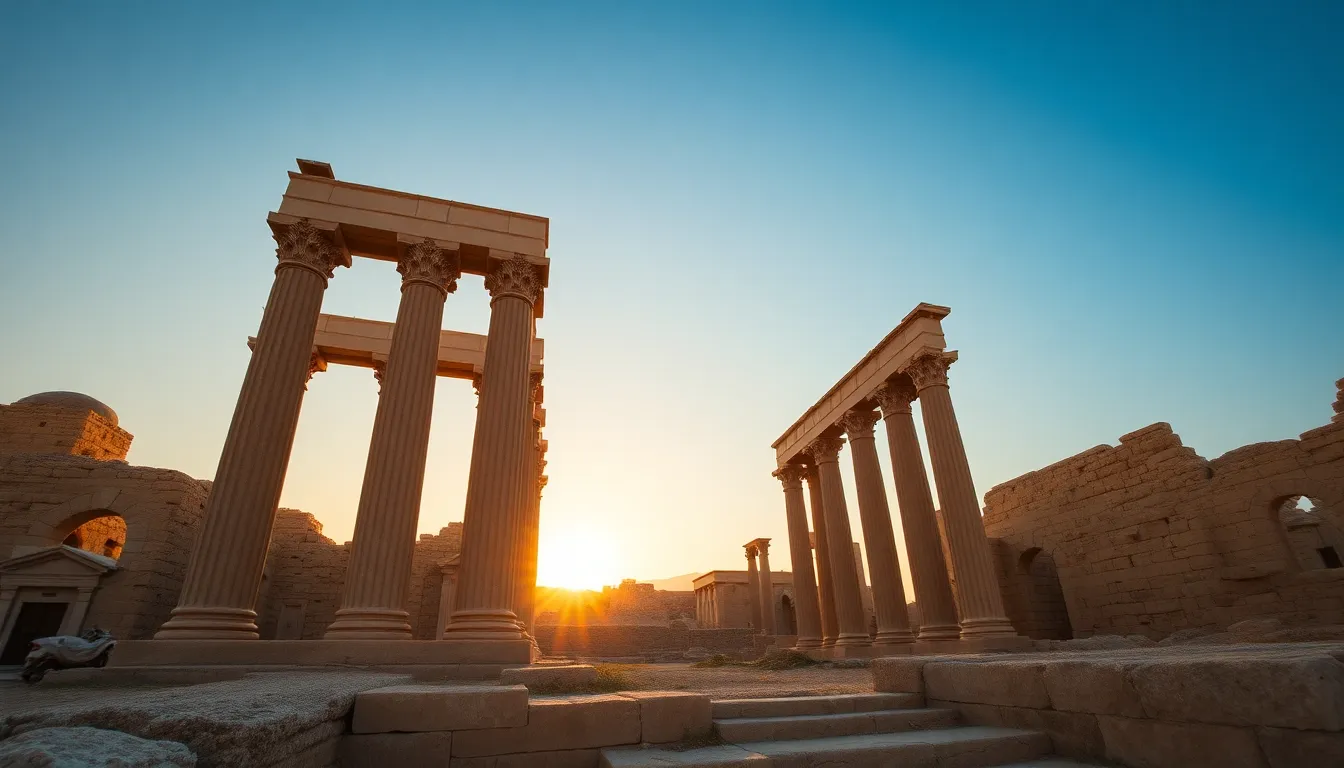
Syria is one of the oldest continuously inhabited places on Earth — Damascus alone has archaeological layers stretching back some 12,000 years. For most of the 20th century it was a standard, if under-visited, stop on the classic Middle East circuit: Roman colonnades at Palmyra, Crusader fortresses guarding mountain passes, and covered souks in Aleppo and Damascus that had barely changed in centuries. Then came thirteen years of civil war.
That chapter formally ended in December 2024, when the Assad government collapsed and a transitional administration took power in Damascus. Syria in 2026 is a country in the early, careful stages of reopening — to reconstruction, to the wider world, and cautiously, to travelers. Damascus and Aleppo function normally day to day, direct flights have resumed from Istanbul and the Gulf, and small numbers of visitors are once again walking through the Old City gates. It is not yet an easy destination, and parts of the country remain unsettled. But for travelers willing to go with a local operator and realistic expectations, it offers something genuinely rare: some of the greatest architecture of the ancient and Islamic worlds, almost entirely without crowds.
For American travelers specifically, 2026 marks a real turning point: US sanctions on Syria have been formally lifted, the Syrian Embassy in Washington has reopened, and the two countries are cautiously rebuilding ties after more than a decade of estrangement. That doesn't make Syria an easy or conventional destination yet — but it does make it a legally and logistically realistic one for the first time in over a decade.
🏷️ Name & Identity
The name Syria is Greek in origin, likely derived from "Assyria," and was adopted by Western geographers long before it described anything resembling today's borders — in antiquity "Syria" loosely meant the whole Levant. The country's official name, the Syrian Arab Republic, dates to the mid-20th century and reflects its identity as an Arab nation, though Syria is home to significant Kurdish, Assyrian, Armenian, Circassian, and Turkmen communities as well. Locals overwhelmingly call the country Suriya (سوريا) in Arabic.
Damascus carries the nickname al-Fayha ("the fragrant") for the orchards that once ringed the old city, and is sometimes called the world's oldest continuously inhabited capital — a claim it shares, and gently disputes, with a handful of other ancient cities.
🗺️ Geography & Regions
Syria's geography runs in bands from the Mediterranean inland: a narrow, green coastal strip, a mountain spine, a fertile interior, and finally desert. That variety, packed into a relatively small country, is part of what made it such a crossroads of trade and empire.
🌊 The Coast
Latakia and Tartus on the Mediterranean, backed by the Coastal Mountain Range — Syria's greenest, most temperate region and home to its small wine country.
⛰️ The Mountains
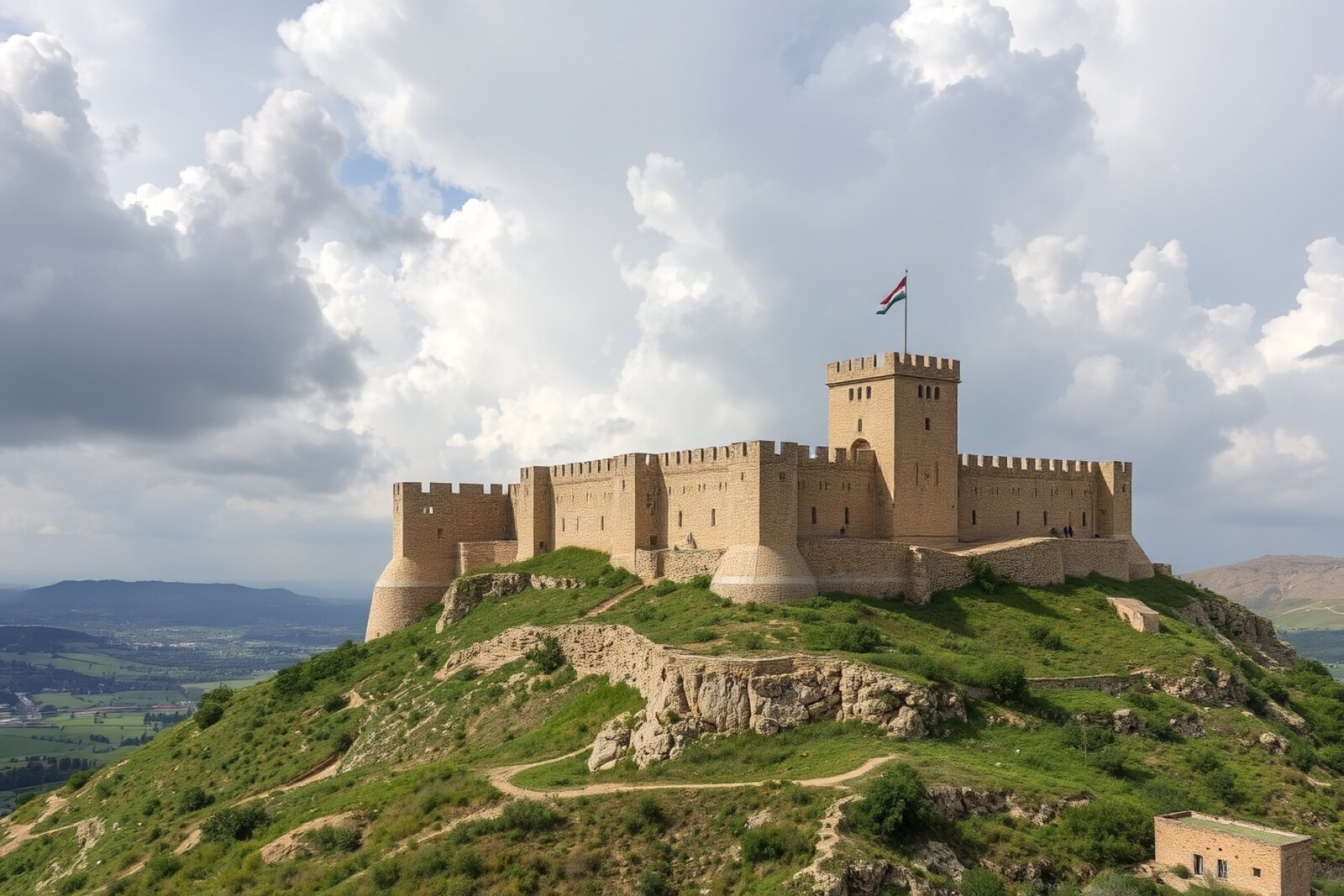
The Anti-Lebanon and coastal ranges, where Crusader castles like Krak des Chevaliers once guarded the routes between coast and interior, and Christian villages like Maaloula still cling to the cliffs.
🌾 The Interior
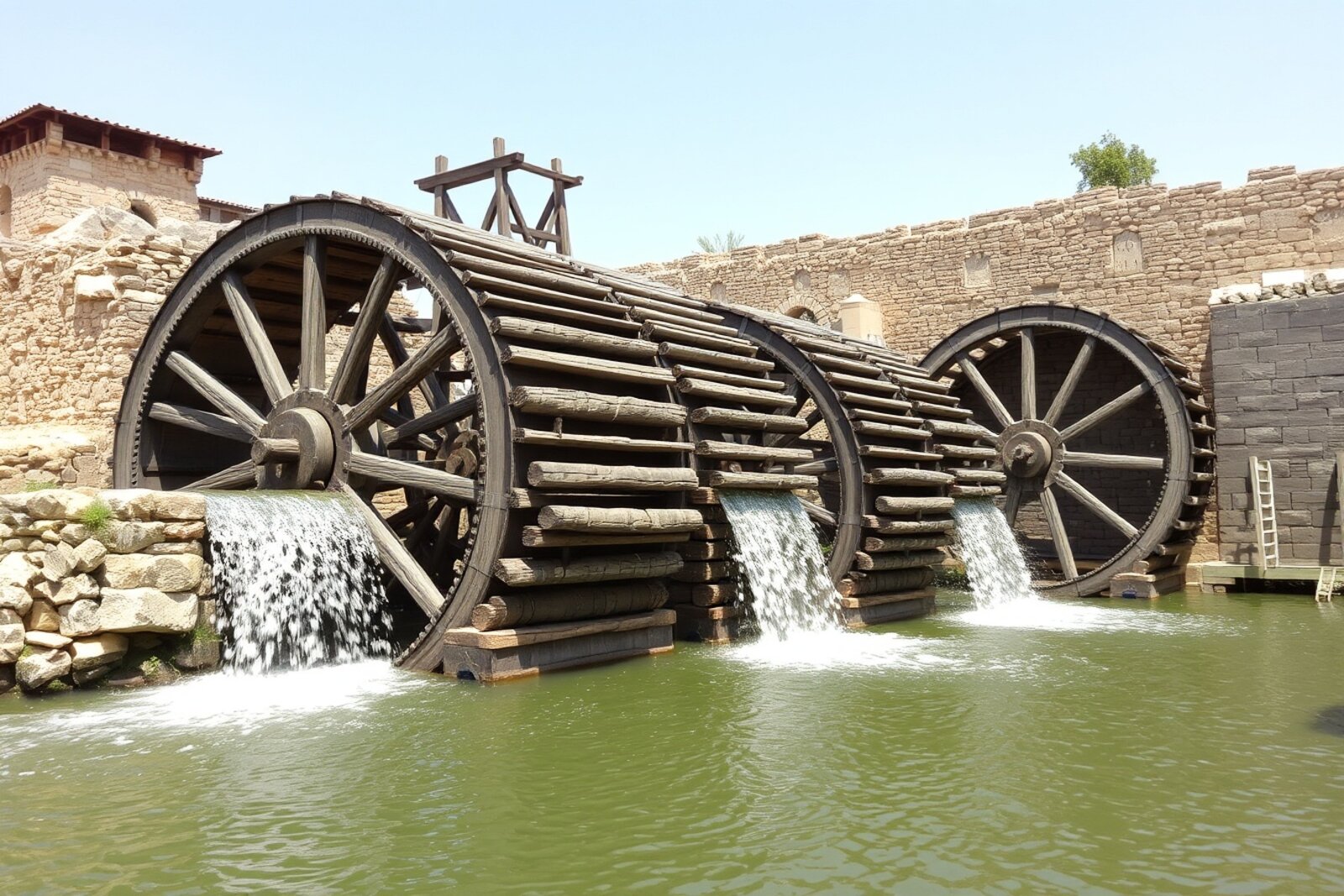
Damascus and its Ghouta oasis, Homs, Hama with its wooden norias, and Aleppo further north — the historic population and trading centers of the country.
🏜️ The Badiya
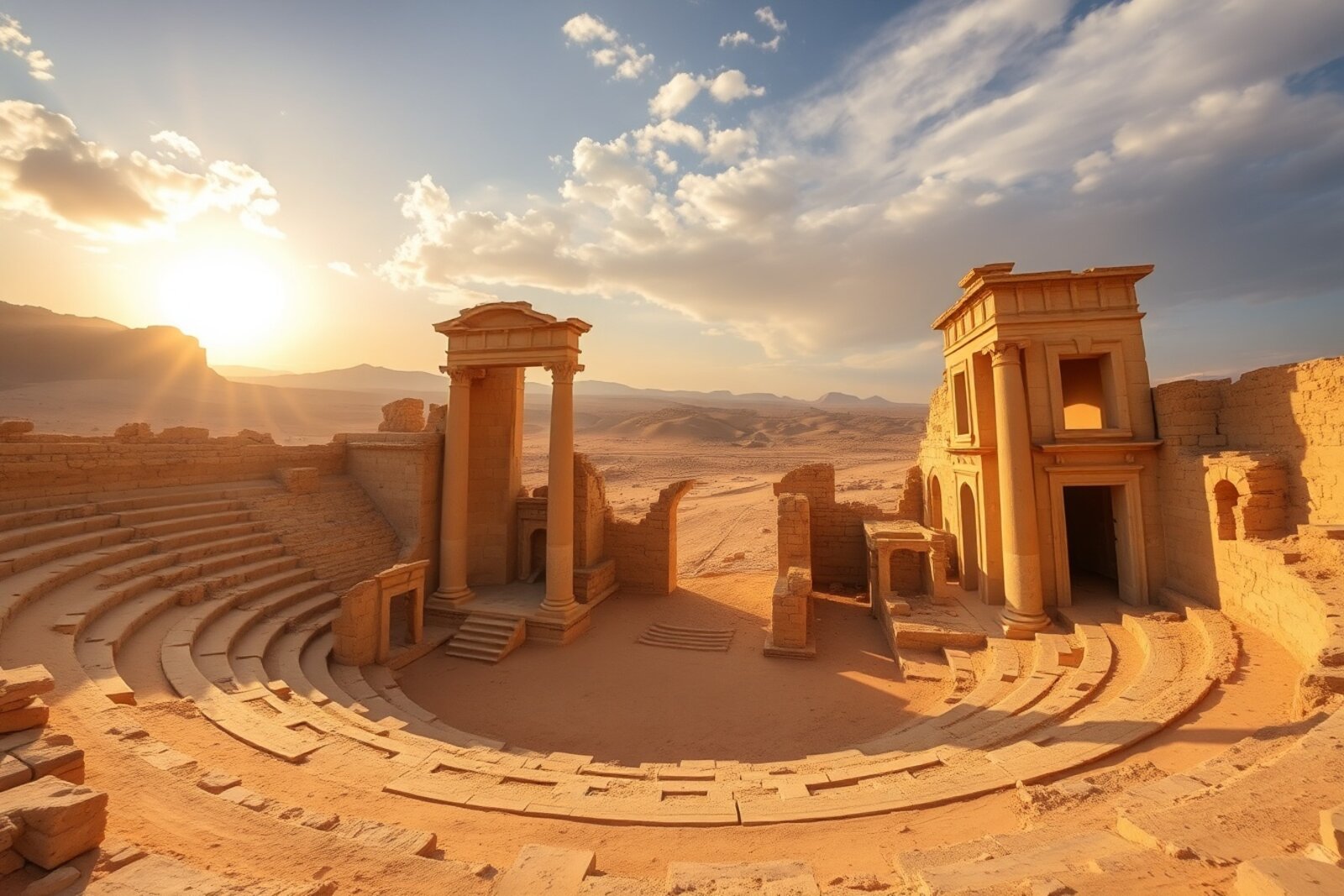
The Syrian Desert stretching east and south toward Iraq and Jordan, where the oasis city of Palmyra rises improbably out of the sand.
🗾 Map
📜 History
Few places on Earth carry as much layered history as Syria. Damascus and Aleppo both claim to be the world's oldest continuously inhabited city, having hosted Aramaeans, Assyrians, Persians, Greeks, Romans, and Byzantines in turn. Damascus briefly became the capital of the entire Islamic world under the Umayyad Caliphate (661–750 CE), leaving behind the Umayyad Mosque, one of Islam's holiest and most beautiful buildings. Centuries of Abbasid, Crusader, Mamluk, and Ottoman rule followed, each leaving fortresses, mosques, and markets still standing today.
After the collapse of the Ottoman Empire, Syria came under French mandate in 1920 and gained full independence in 1946. The Assad family took power in 1970, when Hafez al-Assad seized control in a coup; his son Bashar al-Assad succeeded him in 2000 and ruled for a further 24 years.
Civil war and transition: Protests that began in March 2011, part of the wider Arab Spring, escalated into a devastating multi-sided civil war that would last thirteen years. At its worst, in 2014–2017, ISIS controlled large stretches of the country, including Palmyra, before being pushed back. The war killed hundreds of thousands and displaced more than half the pre-war population, six million of them abroad. In late November 2024, opposition forces led by Ahmed al-Sharaa launched a rapid offensive that reached Damascus within eleven days; Bashar al-Assad fled to Russia on 8 December 2024, ending 54 years of Assad family rule.
Al-Sharaa was declared transitional president in January 2025, and a Constitutional Declaration in March 2025 set out a five-year transition toward a permanent constitution and elections. A transitional government was sworn in, an interim parliament held partial elections in October 2025, and by mid-2026 the government had reasserted control over most of the country, including a US-backed agreement bringing Kurdish-led forces in the northeast into the national fold. The transition has not been without violence — flare-ups in Alawite coastal areas and Druze communities in the south punctuated 2025 — and it remains very much in progress. But daily life in Damascus and Aleppo has visibly stabilized, and Syria's re-engagement with the wider world, including a reopened US embassy channel and eased Western sanctions, has accelerated through 2026.
👥 People & Culture
Syria's population, estimated at roughly 25.5 million in 2026, is predominantly Arab (around three-quarters), with significant Kurdish, Assyrian/Syriac, Armenian, Circassian, and Turkmen minorities. Religiously, Sunni Islam is the majority faith, alongside Alawite and other Shia communities, a historic Christian population spanning Greek Orthodox, Syriac Orthodox, Melkite Catholic, and other ancient rites, and a Druze community concentrated in the south. Those figures shifted considerably during the war years, as millions of Syrians of every background left the country; many are now gradually returning.
Hospitality runs deep in Syrian culture, in the wider Levantine tradition — guests are honored, tea and coffee are offered before business is discussed, and refusing food outright can cause genuine offense. Extended family remains the basic social unit. Damascene and Aleppine identity, in particular, carry centuries of urban, mercantile pride — these were cosmopolitan trading cities long before the term existed, and residents of both are known (and tease each other) for a certain confident sophistication.
Old Damascus
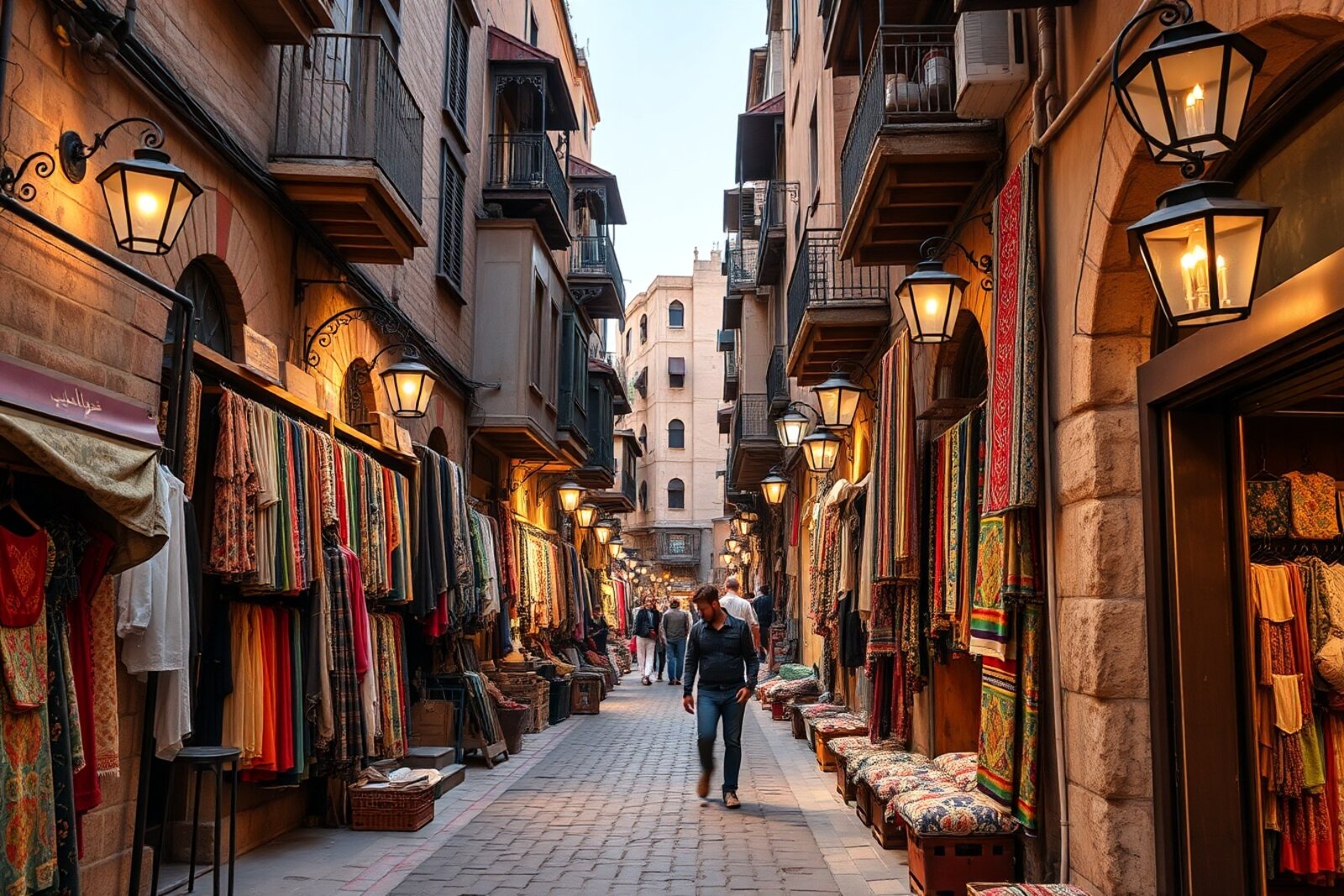
Narrow alleys that have carried foot traffic for over two thousand years
🏛️ Damascus — The Eternal City
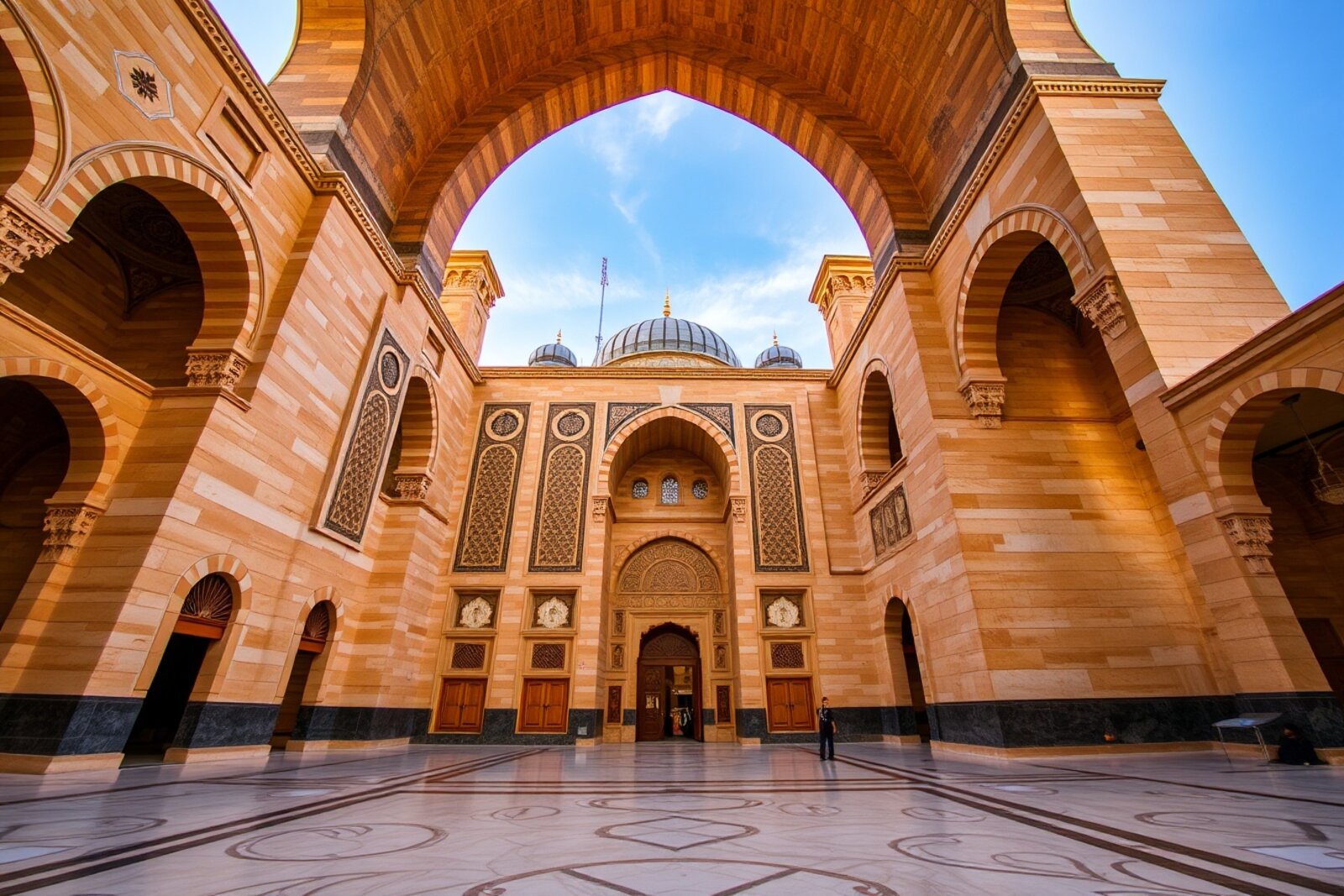
Damascus disputes the title of world's oldest continuously inhabited capital, and the walk through its Old City — a UNESCO World Heritage Site — makes a fair case. At its heart stands the Umayyad Mosque, completed in 715 CE on a site that has hosted an Aramaean temple, a Roman temple to Jupiter, and a Byzantine church dedicated to John the Baptist in turn; a shrine inside is said to hold his head, honored by Muslims and Christians alike. Its vast marble courtyard and gold mosaics rank it among the most important buildings in Islamic architecture.
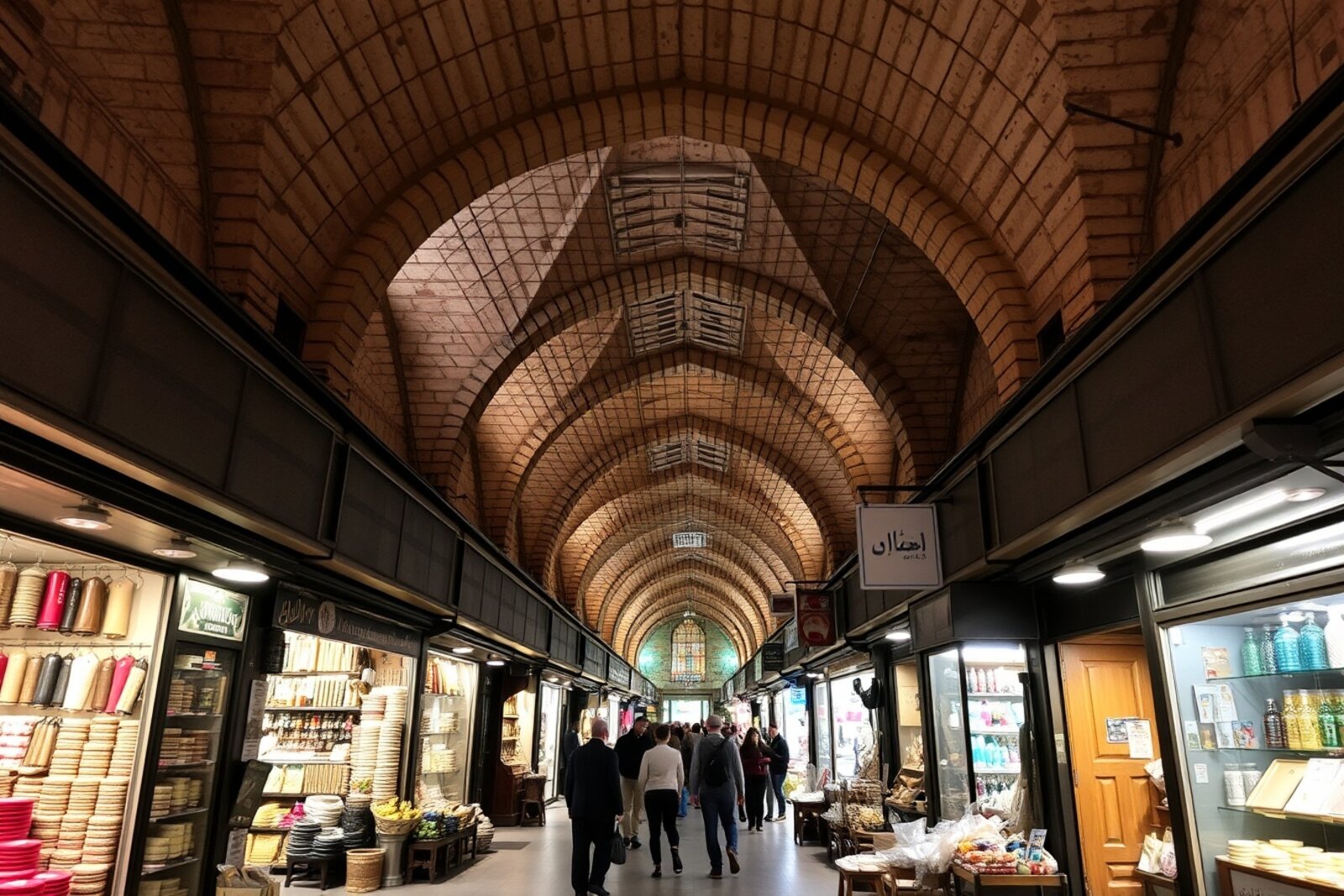
Radiating from the mosque is the Souq al-Hamidiyeh, a kilometer-long covered market of perfumes, textiles, and sweets, and Straight Street (Via Recta) — the very street named in the Acts of the Apostles as the place where Ananias restored Saul of Tarsus's sight, a few days after his conversion on the road to Damascus. Along and around it, restored Ottoman courtyard houses, many now guesthouses, hide fountains and citrus trees behind unmarked wooden doors. The National Museum of Damascus and the 18th-century Azem Palace round out a city center that rewards slow, aimless wandering more than any checklist.
🏛️ Aleppo — City of a Thousand Years of Trade
Aleppo's position on the Silk Road made it one of the great trading cities of the Islamic world, and its Citadel — a fortified hilltop rising from a moat, rebuilt in its current form by the Ayyubids in the 13th century — remains one of the most imposing medieval fortresses anywhere. From its ramparts, the scale of the Old City below becomes clear.
That Old City, and particularly its Great Souq — once the largest covered market in the world at over 10 kilometers of vaulted stone alleys — suffered some of the war's worst destruction between 2012 and 2016. Recovery has been real but uneven: the Great Umayyad Mosque of Aleppo has been under active reconstruction, its landmark leaning minaret (destroyed in 2013) among the most-watched restoration projects in the Middle East, and sections of the souq have reopened for trade even as others remain rubble. Visiting Aleppo today means seeing both a living, functioning city and a very visible reconstruction site — a combination many travelers find more moving than a fully restored monument would be.
Palmyra
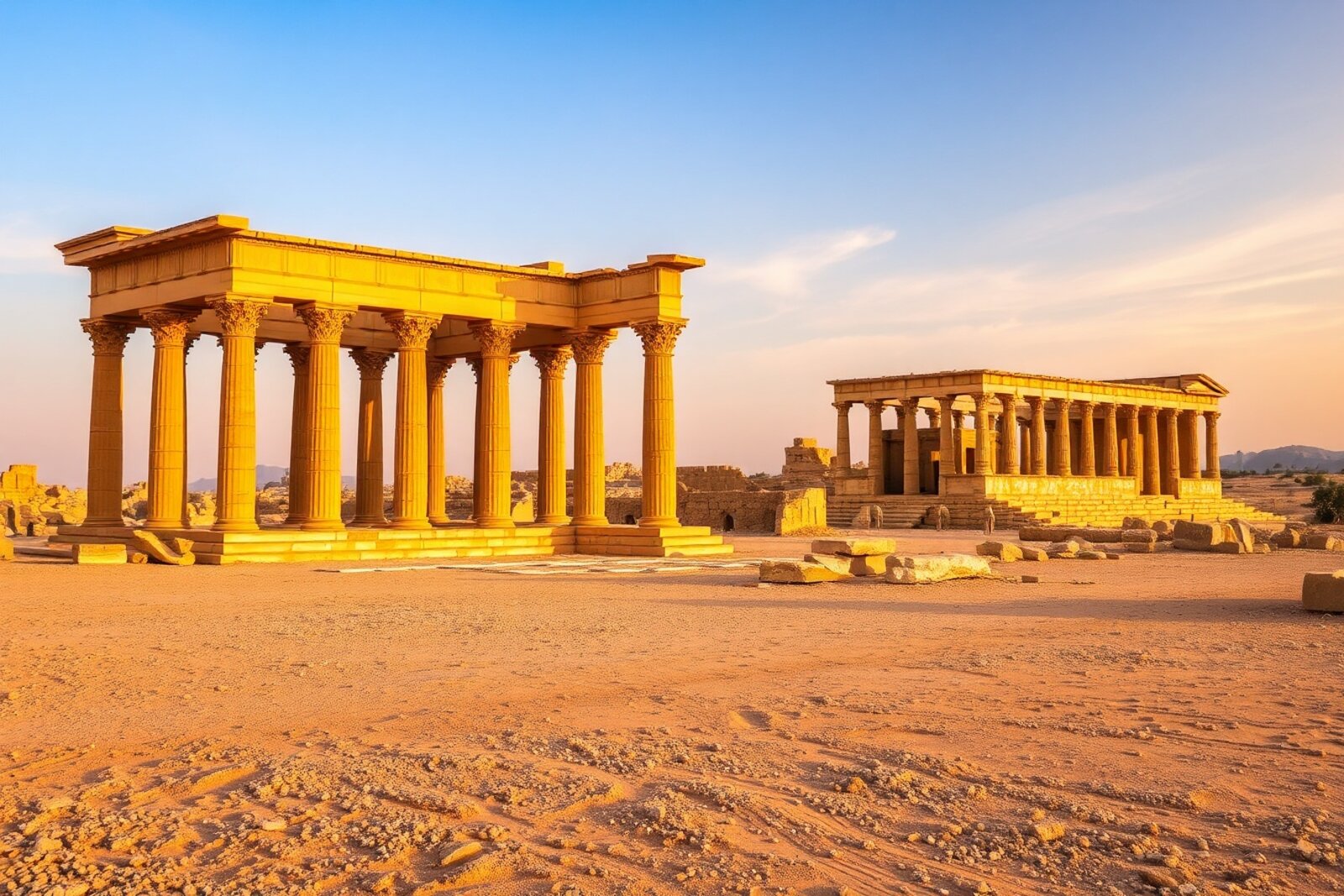
The Great Colonnade, still standing after two thousand years and a war
🏛️ Palmyra — The Bride of the Desert
Few ruins anywhere match the drama of Palmyra rising out of the Syrian desert — a Roman-era caravan city that grew immensely wealthy taxing Silk Road trade, and whose 3rd-century queen, Zenobia, briefly conquered Egypt and defied Rome itself before her defeat. Its Great Colonnade, the monumental Temple of Bel, and the funerary tower-tombs of the necropolis made it one of the most complete Greco-Roman sites on Earth.
Between 2015 and 2017, ISIS occupied Palmyra and deliberately destroyed some of its most significant structures, including the Temple of Baalshamin and the Arch of Triumph, and murdered the site's 82-year-old former chief archaeologist, Khaled al-Asaad, after he refused to reveal the location of hidden antiquities. The site — still on UNESCO's List of World Heritage in Danger — has been closed to unrestricted access ever since, but is reachable on organized day trips from Damascus and Homs, and an international restoration effort led by the Aliph Foundation began rehabilitation work on the museum and site access in 2026. What remains, even damaged, is staggering.
🏰 Krak des Chevaliers
T. E. Lawrence called it "the finest castle in the world," and few who visit Krak des Chevaliers disagree. Built and expanded by the Knights Hospitaller in the 12th and 13th centuries to guard the gap between the coast and the interior, its concentric walls, vaulted halls, and hilltop position near Homs made it essentially impregnable to direct assault — it fell only once, to the Mamluk sultan Baibars in 1271, through a forged surrender letter rather than force. Remarkably, it emerged from the civil war with only modest damage from nearby shelling, and remains, alongside neighboring Qal'at Salah El-Din, one of the two Syrian entries on this UNESCO listing.
Maaloula
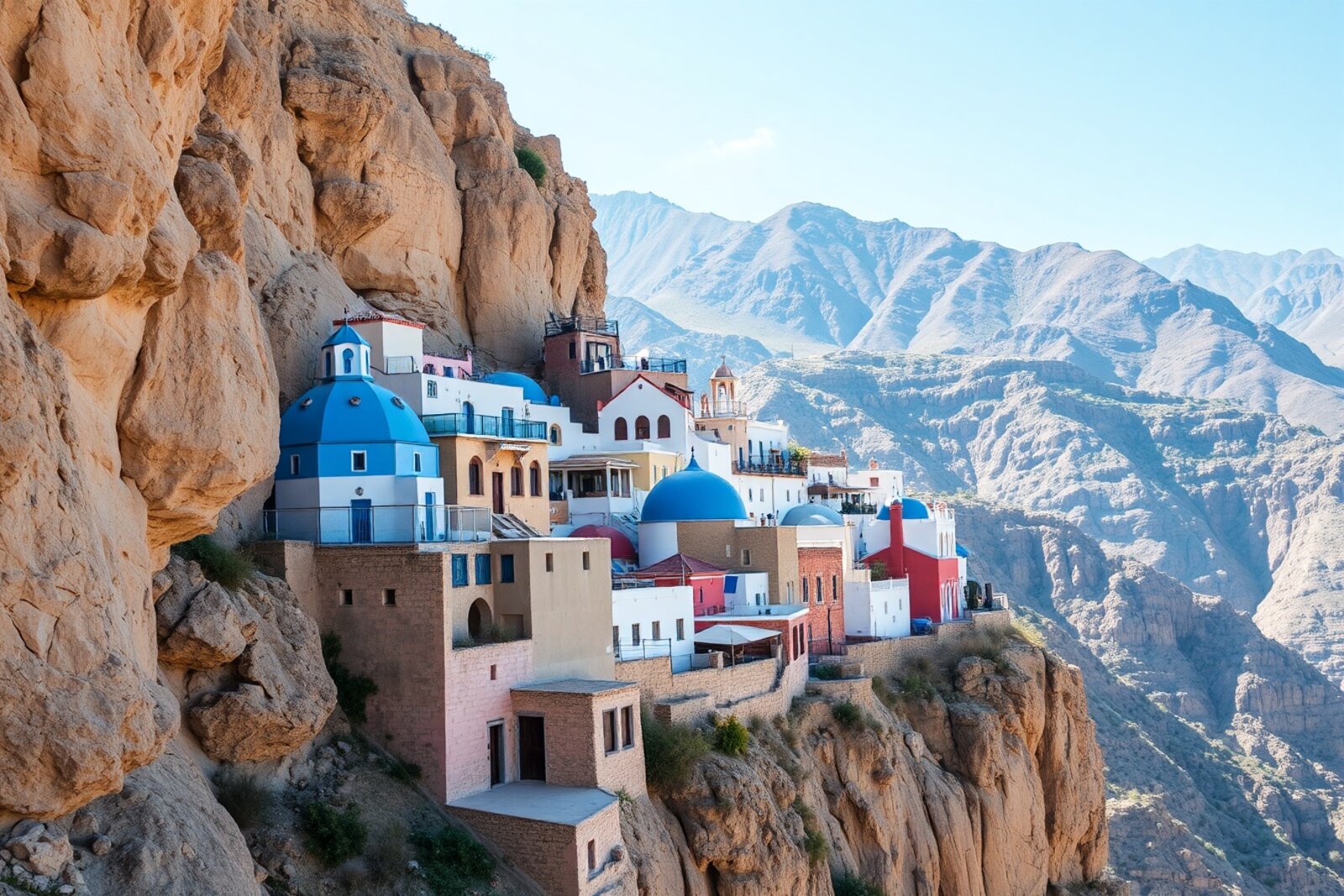
One of the last places on Earth where Aramaic is still spoken
⛰️ Maaloula
An hour north of Damascus, Maaloula clings to a cliff face in the Qalamoun mountains and holds a genuinely singular distinction: it is one of only a handful of villages on Earth — along with neighboring Bakhaa and Jubb'adin — where Western Neo-Aramaic, a direct descendant of the language Jesus spoke, is still used in daily life. About two-thirds of its roughly 1,000 residents are Christian, and the cliffside Monastery of Mar Sarkis, founded in the 4th century on the site of a pagan temple, ranks among the oldest continuously functioning monasteries anywhere. The rock-cut Monastery of Mar Thecla nearby holds the relics of Saint Thecla in a chapel carved directly into the mountain.
Maaloula was occupied and fought over in 2013–2014, and several buildings and icons were damaged or looted, but the village has since recovered and reopened to visitors — usually as part of a day trip from Damascus alongside the nearby town of Saidnaya.
🎡 Hama & the Norias
Hama's skyline is defined by its norias — colossal wooden waterwheels, some over 20 meters across, that have lifted water from the Orontes River into irrigation aqueducts since medieval times. A handful still turn today, creaking with a low, distinctive groan that locals say you feel as much as hear. Most of Hama's historic wheels survived the war intact, and an evening walk along the riverbank here, watching them turn against the lit-up old town, is one of Syria's simplest and most memorable experiences.
🍽️ Cuisine, Cocktails & Wine
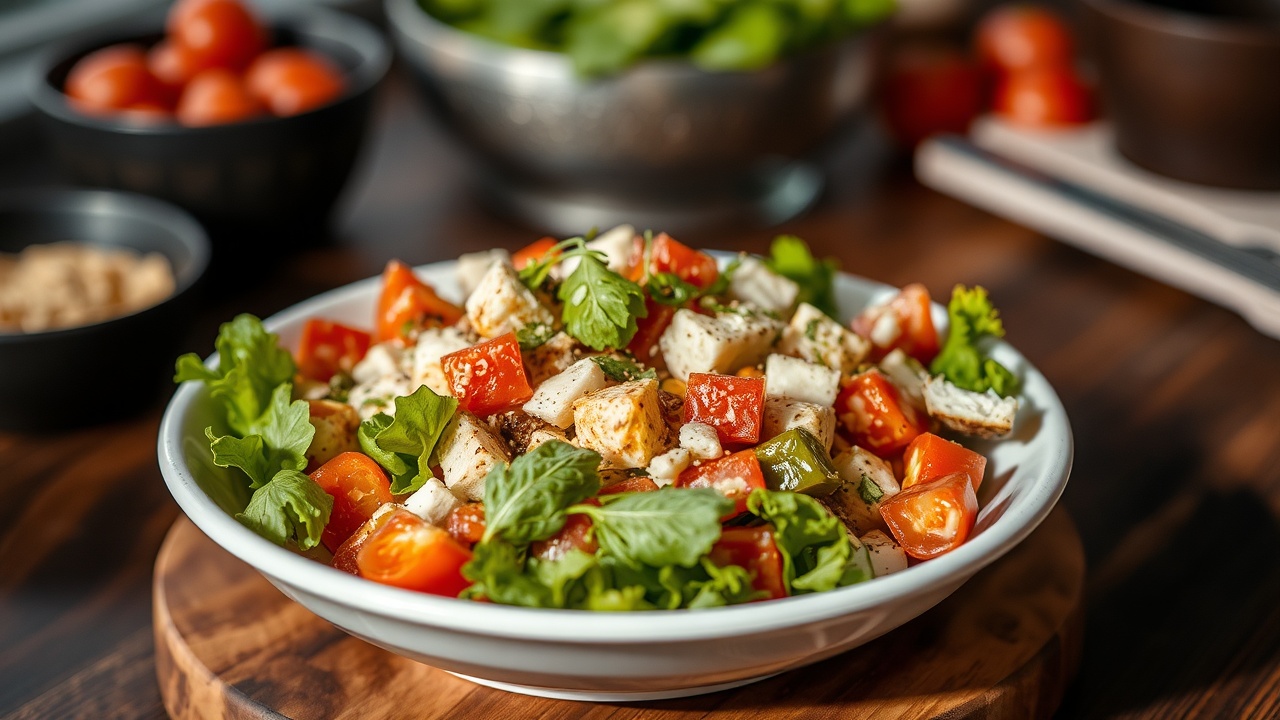
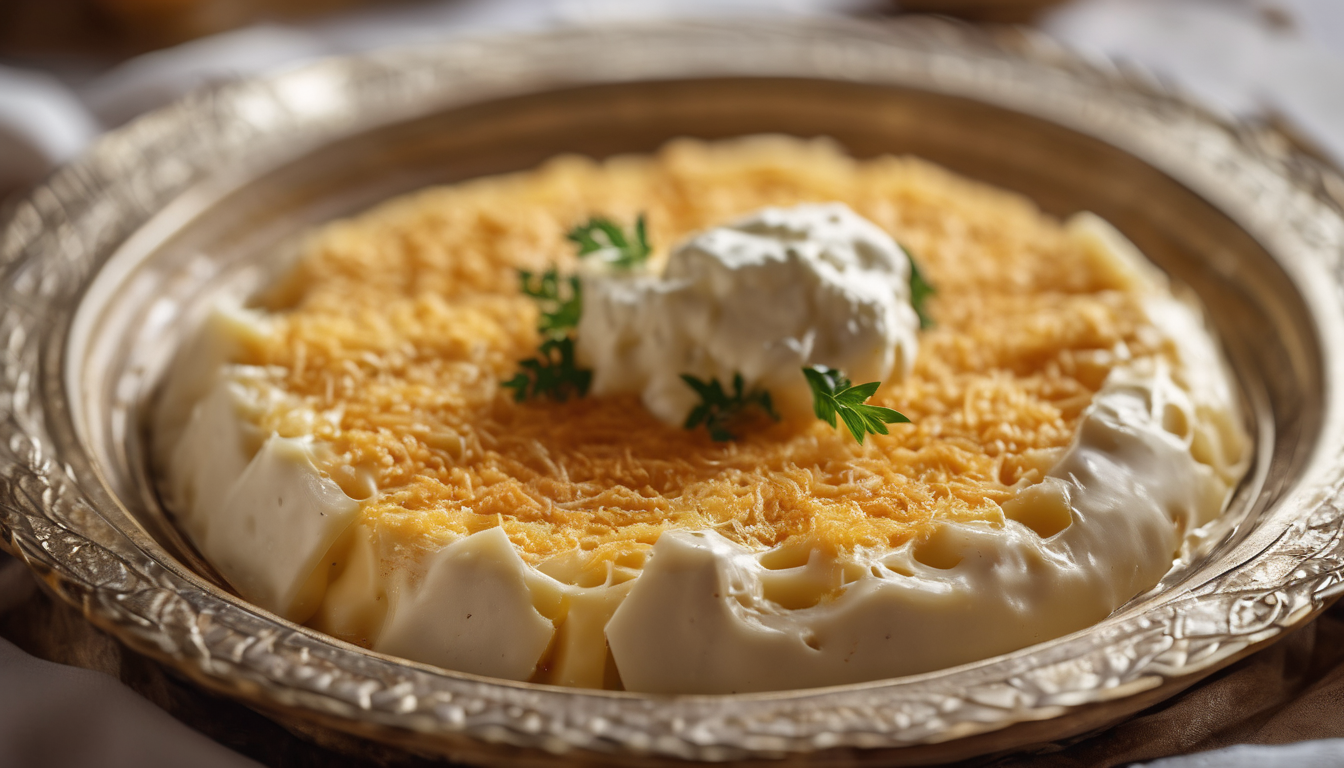
Syrian food sits at the heart of Levantine cuisine — kibbeh in dozens of Aleppo variations, bright sumac-and-pomegranate salads, shawarma often called among the best in the region, and a Damascus sweets tradition famous across the Arab world. Behind it runs a genuinely surprising 8,000-year winemaking history that survived thirteen years of war through a single resilient coastal vineyard.
🍽️ Food & Drink
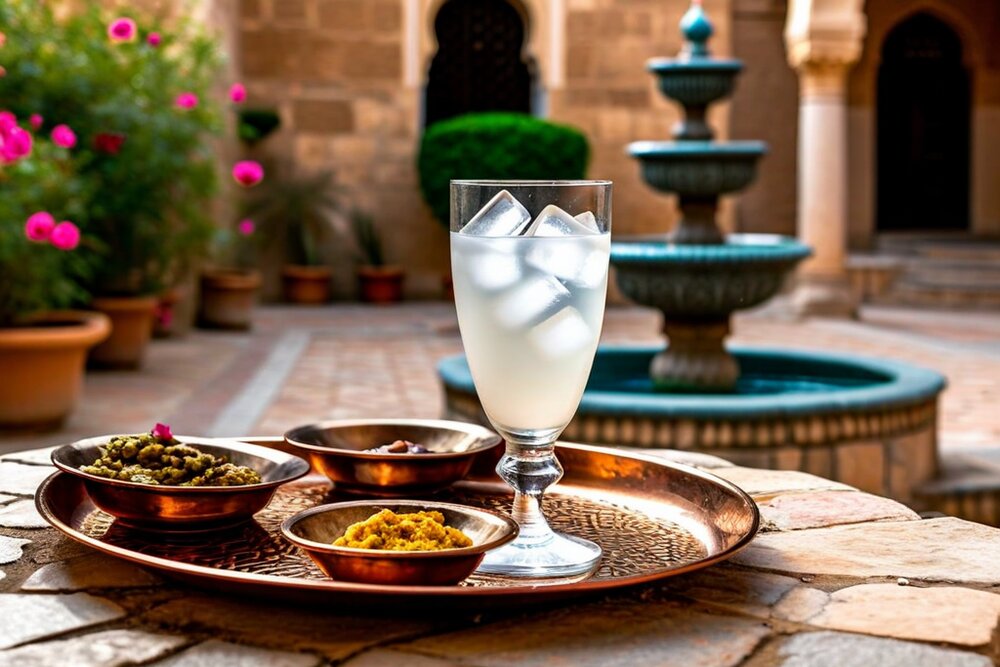
Kibbeh, fattoush, halawet el jibn, shawarma, and the arak-and-mezze ritual, with three full recipes.
Full guide →🍷 Wine & Spirits
Domaine de Bargylus, Syria's "blue wine" curiosity, and 8,000 years of Levantine viticulture.
Full guide →🌡️ Climate & Best Time to Visit
The coast enjoys a genuine Mediterranean climate — mild, wet winters and warm, dry summers softened by sea breeze. Inland, Damascus, Aleppo, and the desert interior are semi-arid to continental: scorching, bone-dry summers over 35°C, and cold, occasionally frosty winters. Spring (April–May) and autumn (late September–October) are comfortably the best windows for sightseeing, with mild temperatures and none of summer's heat or winter's chill.
| Season | Coast | Damascus / Interior |
|---|---|---|
| Spring (Mar–May) | 18–24°C, green and blooming | 15–26°C, ideal for touring |
| Summer (Jun–Aug) | 26–32°C, humid | 30–38°C, dry heat |
| Autumn (Sep–Nov) | 20–28°C, pleasant | 18–28°C, ideal for touring |
| Winter (Dec–Feb) | 10–16°C, rainy | 2–12°C, occasional frost |
✈️ How to Get There
Damascus International Airport has reconnected steadily since early 2025: Turkish Airlines and AnadoluJet fly from Istanbul, Jazeera Airways from Kuwait, Dan Air from Bucharest, and Syrian Air itself resumed the Istanbul route in mid-2025 after 14 years grounded. Aleppo's airport handles a smaller number of routes. Overland entry from Lebanon (via Beirut) or Jordan (via Amman) is common and often used by tour groups.
Airlines increasingly require a pre-arranged visa approval document before boarding, even where visa-on-arrival is technically offered at the border itself — check directly with your carrier or tour operator well before departure, as requirements have been changing through 2026.
📋 Practical Information
For US citizens specifically: the Syrian government may issue a tourist visa on arrival at Damascus International Airport, or at the land borders from Lebanon or Jordan, for around $200 and valid for 30 days. Requirements have shifted through 2026 as the two countries re-establish ties — the Syrian Embassy in Washington, D.C. resumed operations in April 2026 after being closed since 2014, and a departure tax applies at land and sea borders (children under 11 and diplomatic passport holders are exempt). Always confirm current requirements directly with the embassy or your airline before booking, not from any single guide.
Visa (general): tourist visas are increasingly available on arrival, though citizens of some countries need advance security clearance, and airlines often require pre-approved paperwork before you can even board. Most visitors currently arrange this through a tour operator, which also simplifies the trip logistically.
Currency: Syria introduced a redenominated Syrian pound in January 2026, removing two zeros from the old notes. The economy is overwhelmingly cash-based — American credit and debit cards do not work at all — so bring clean, undamaged US dollars and exchange at licensed offices in major cities.
Safety: Damascus, Aleppo, and the main tourist circuit between them are, as of 2026, described by most recent visitors and residents as calm and functioning normally. Conditions can still vary by region and change quickly during the ongoing transition. American travelers should check the US State Department's Syria travel advisory at travel.state.gov before booking — it is updated more frequently than any travel guide — and travel with a reputable local operator rather than fully independently.
Dress & etiquette: Modest dress is expected, especially at mosques and churches — shoulders and knees covered, headscarves available for women at major religious sites. Photography of government buildings, checkpoints, and military personnel should be avoided.
Connectivity: Tourist SIM packages (around $45 for 15GB, registered with your passport) are the standard option for visitors; US carriers generally do not offer usable roaming in Syria.
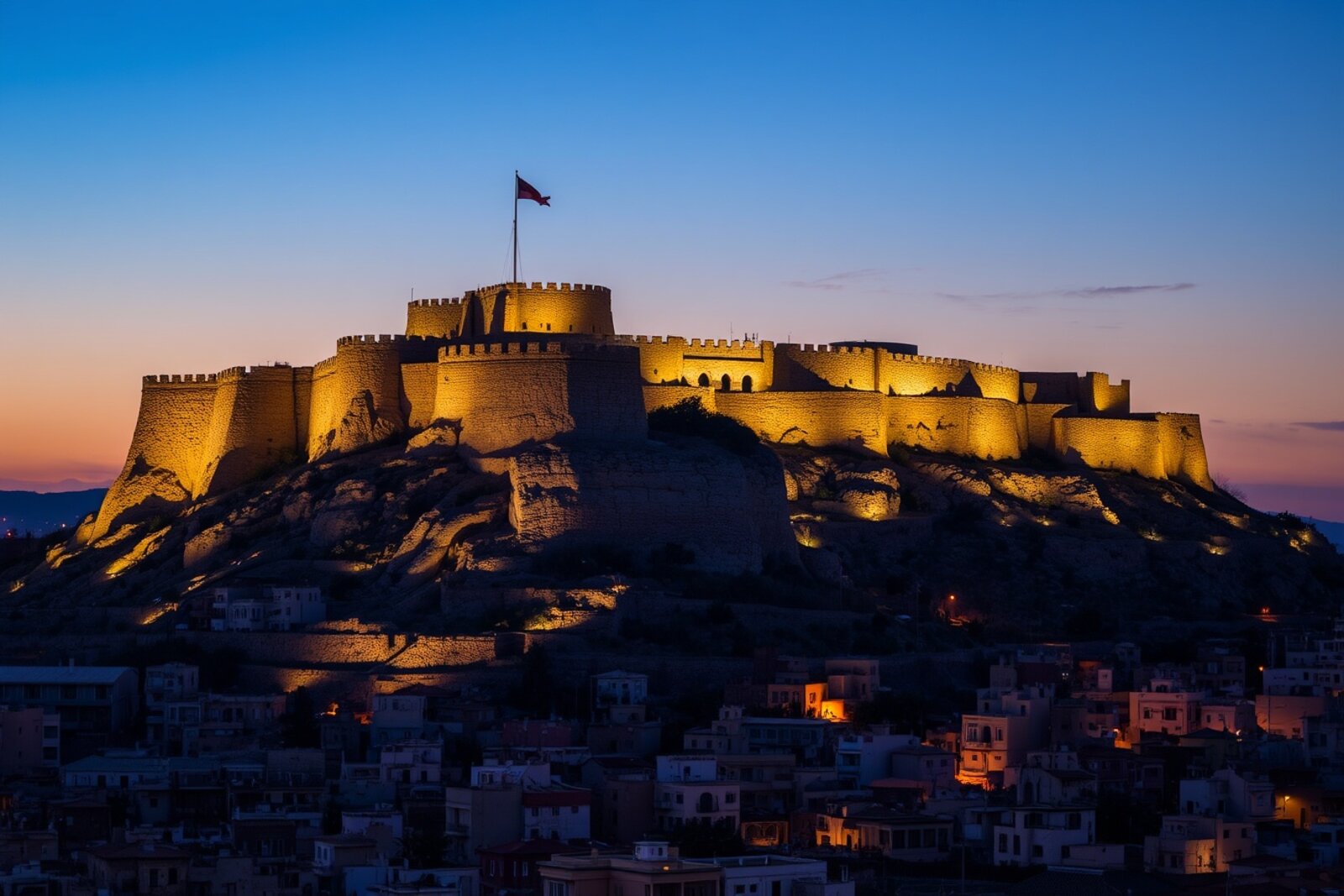
Aleppo Citadel
One of the world's oldest and largest castles, still standing over the city it has guarded for centuries
💰 Cost of Living
| Item | Typical Price |
|---|---|
| Street food meal (shawarma, falafel) | $1–3 |
| Sit-down restaurant meal | $5–12 |
| Cup of Arabic coffee | $0.50–1 |
| Mid-range hotel (Damascus/Aleppo) | $40–80/night |
| Boutique Old City guesthouse | $60–130/night |
| Private day tour with driver | $60–120 |
| Tourist SIM (15GB) | ~$45 |
Syria remains genuinely inexpensive by regional and international standards, one of the very few silver linings of its economic circumstances. Entering from Turkey rather than flying long-haul further reduces costs for many travelers.
🏨 Accommodation
Damascus's Old City has a small but charming cluster of boutique guesthouses in restored Ottoman courtyard homes near Straight Street — Beit Al Mamluka and Beit Al Wali among the best regarded — alongside a handful of larger international-standard hotels. Aleppo's hotel scene is smaller and still recovering, with options like Rigga Palace and Laurus Hotel operating in or near the Old City. Along the coast, Latakia and Tartus offer simpler, beach-town lodging. Booking through a tour operator is currently the most reliable route to guaranteed, vetted accommodation.
🎭 Festivals & Events
Syria's cultural calendar is visibly reviving in 2026 — a genuinely hopeful sign after over a decade of disruption. The nationwide Syria Summer Family Festival tours through Idlib, Latakia, Damascus (staged dramatically inside the Damascus Citadel), and other governorates each summer with music, theater, and craft workshops. Damascus also hosts World Music Day each June across the Opera House, Azem Palace, and city hotels, and February's Ishraqat Festival brings art and heritage programming to the Opera House.
One of the region's oldest trade fairs, drawing international exhibitors back to Damascus.
Performances staged inside Bosra's extraordinary Roman amphitheater.
Syrian and regional cinema, gradually rebuilding its audience.
A major draw for Damascus's literary and academic community.
A small rural harvest tradition celebrating the countryside's walnut groves.
A colorful coastal-mountain town celebration in the Christian Wadi al-Nasara region.
🎒 Packing Tips
Clothing: modest, conservative dress for both men and women — long sleeves and trousers or long skirts travel best, and a headscarf is worth carrying for women visiting mosques and some churches. Comfortable, sturdy walking shoes are essential for old-city cobblestones and citadel staircases.
Money: bring clean, undamaged US dollars in a mix of denominations — cards do not work, and torn or heavily worn bills are often refused at exchange counters.
Essentials: a Type C/E/L power adapter (220V), a portable power bank (electricity supply can still be intermittent outside major hotels), sunscreen, and any medications you need, since pharmacy stock can be inconsistent. Printed copies of your passport, visa approval, and hotel bookings are worth having at every checkpoint.
🌐 Useful Resources
Travel advisories: check your home government's current advisory before booking — the UK FCDO, US State Department, and equivalents update Syria guidance frequently given the fluid situation.
Tour operators: given the state of independent infrastructure, most 2026 visitors book through specialist operators who handle visa paperwork, drivers, and vetted accommodation — a far easier route than arranging everything independently.
Heritage context: UNESCO's World Heritage Centre publishes ongoing state-of-conservation reports on all six Syrian sites, useful background reading before visiting Palmyra or Aleppo in particular.
📚 Recommended Reading
Burning Country: Syrians in Revolution and War by Robin Yassin-Kassab & Leila Al-Shami — the standard, deeply-reported account of the uprising and civil war from a Syrian perspective.
No Turning Back: Life, Loss, and Hope in Wartime Syria by Rania Abouzeid — an award-winning journalist's on-the-ground chronicle of the war's early years.
A Woman in the Crossfire by Samar Yazbek — a Syrian novelist's diary of the revolution's first months in Damascus.
A History of Modern Syria by John McHugo — the clearest single-volume guide to how Syria's modern borders and politics took shape.
🎬 Videos About Syria
🔬 Fascinating Facts
🏛️ The Oldest City Rivalry
Damascus and Aleppo have argued for centuries over which is the world's oldest continuously inhabited city — both have solid archaeological claims stretching back thousands of years.
🔤 The First Alphabet
Clay tablets found at Ugarit, on Syria's coast, preserve the oldest known alphabet in the world — the ancestor, many linguists argue, of virtually every alphabet used today.
⚔️ Damascus Steel
Legendary medieval sword blades took their name from Damascus, where imported South Asian wootz steel was forged into blades famous for their strength and distinctive rippled pattern.
🗣️ Jesus's Language, Still Spoken
Maaloula is one of only three villages on Earth where Western Neo-Aramaic — the language of Jesus's era — is still spoken in daily life.
📖 A Street Named in the Bible
Damascus's Straight Street is named directly in the Acts of the Apostles, and still runs its original course through the Old City today.
🏰 The Castle That Never Fell
Krak des Chevaliers withstood direct assault for over 150 years and was ultimately taken only through a forged surrender letter, not force of arms.
⭐ Notable People
Zenobia (c. 240–274 CE) — the warrior-queen of Palmyra who conquered Egypt and briefly ruled a breakaway empire stretching to Anatolia before her defeat by Rome; still Syria's most celebrated historical figure. Nizar Qabbani (1923–1998) — Damascus-born poet and diplomat, among the most widely read poets in the modern Arab world, celebrated for verse that fused romance with political defiance.
Khaled al-Asaad (1932–2015) — Palmyra's chief archaeologist for over 40 years, murdered by ISIS after refusing to disclose the location of antiquities he had spent his life protecting; a symbol of Syrian cultural resistance. Steve Jobs (1955–2011) — the Apple co-founder's biological father, Abdulfattah Jandali, was a Syrian-born academic from Homs, a heritage Jobs rarely discussed publicly but which is now a point of quiet pride for many Syrians.
⚽ Sports
Football is Syria's dominant sport, and the national team — nicknamed the Qasioun Eagles after the mountain overlooking Damascus — has never quite reached a World Cup, though it came agonizingly close in 2018, advancing to the final playoff round while the country was still at war, a run many Syrians still describe as one of the most emotional moments of the entire conflict. As of 2026 the team sits 84th in the FIFA rankings, rebuilding steadily under the Syrian Football Association with domestic clubs like Al-Wahda and Al-Karamah anchoring the league.
Basketball has a smaller but genuine following — the men's national team, also nicknamed the Qasioun Eagles, has competed at FIBA Asia level since the 1940s. Damascus's Al-Fayhaa Sports Complex remains the country's main multi-purpose sporting venue.
📰 Media & Press Freedom
Syria's media landscape is being rebuilt almost from scratch. State broadcaster SANA remains active, joined now by outlets and journalists returning from years of exile, and most international news agencies reopened Damascus bureaus shortly after the transition began.
The change shows up starkly in the numbers: in its 2026 World Press Freedom Index, Reporters Without Borders ranked Syria 141st of 180 countries — a rise of 36 places in a single year, the largest single-year jump the index has recorded in its 25-year history, attributed directly to the end of Assad-era state repression. RSF is careful to note the country remains in its "very serious situation" category; journalists still face real security risks reporting in parts of the country, and the gains reflect the end of systematic state persecution more than a fully mature free press. Still, for a country that ranked 179th out of 180 at the moment the war ended, it is a genuinely dramatic turn.
📸 Photo Gallery
Been to Syria recently? Share your photos! Send to photos@kaufmann.wtf to be featured.
✍️ Author's Note
No country on this site carries a heavier history, or asks more of a traveler's patience, than Syria. This is not a page I could write from old notes or a quick pass through a familiar destination — it is a country still mid-sentence, rebuilding itself in real time, and any guide to it is really a snapshot of a single, fragile year.
And yet what survives is extraordinary: mosques and citadels that outlasted empires, a language older than the New Testament still spoken in a mountain village, waterwheels that have turned since before any current border existed. Mark Twain, writing about Damascus in 1869, put it better than I can — the city, he wrote, measures time not in years but in the empires she has watched rise and crumble. Syria in 2026 is, cautiously, adding a new one to that list: not an empire this time, but simply a country trying to come back.
—Radim Kaufmann, 2026
Support This Project 🌍
This World Travel Factbook is a labor of love – free to use for all travelers. If you find it helpful, consider supporting its continued development.
