🌍 Burundi at a Glance
🌏 Overview
Burundi is a compact, densely settled country in Africa’s Great Lakes region, shaped by steep cultivated hills, highland plateaus and the eastern shore of Lake Tanganyika. Gitega is the political capital; Bujumbura remains the largest city and the main commercial gateway on the lake.
For travelers, Burundi’s strongest attractions are cultural and landscape-based rather than mass-tourism infrastructure: the ritual dance of the royal drum, tea and coffee country, Lake Tanganyika, the forests of Kibira and the wetlands around the Rusizi delta.
📜 History
The pre-colonial Kingdom of Burundi was ruled by a mwami and developed a court culture in which drums carried political and ritual meaning. Germany incorporated the kingdom into German East Africa in the late nineteenth century; after the First World War Belgium administered Ruanda-Urundi under international mandate.
Burundi became independent in 1962. The decades that followed included coups, mass violence and a civil war from 1993 to 2005. The 2000 Arusha peace process helped frame the post-war political order. In 2019 Gitega became the political capital, while Bujumbura retained its economic importance.
🗺️ Geography
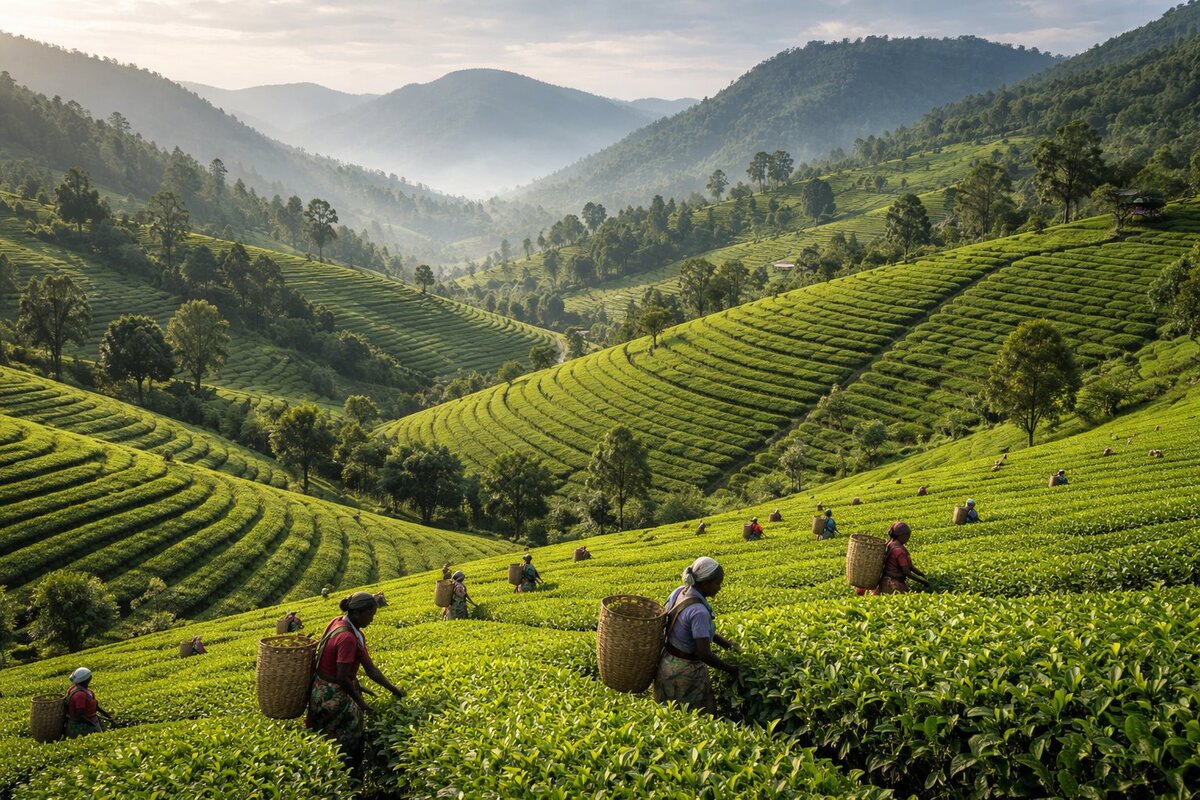
Burundi lies between Rwanda, Tanzania and the Democratic Republic of the Congo. Much of the country is a high plateau cut by valleys and rounded hills, while the western edge descends sharply toward Lake Tanganyika and the Rift Valley.
A major administrative reform implemented in 2025 reduced the country from 18 provinces to five: Bujumbura, Burunga, Butanyerera, Buhumuza and Gitega. This matters when using older maps or addresses, which may still show the former provincial system.
🗺️ Map
Interactive map. Administrative labels on third-party map tiles may lag behind Burundi’s 2025 provincial reform.
👥 People & Culture
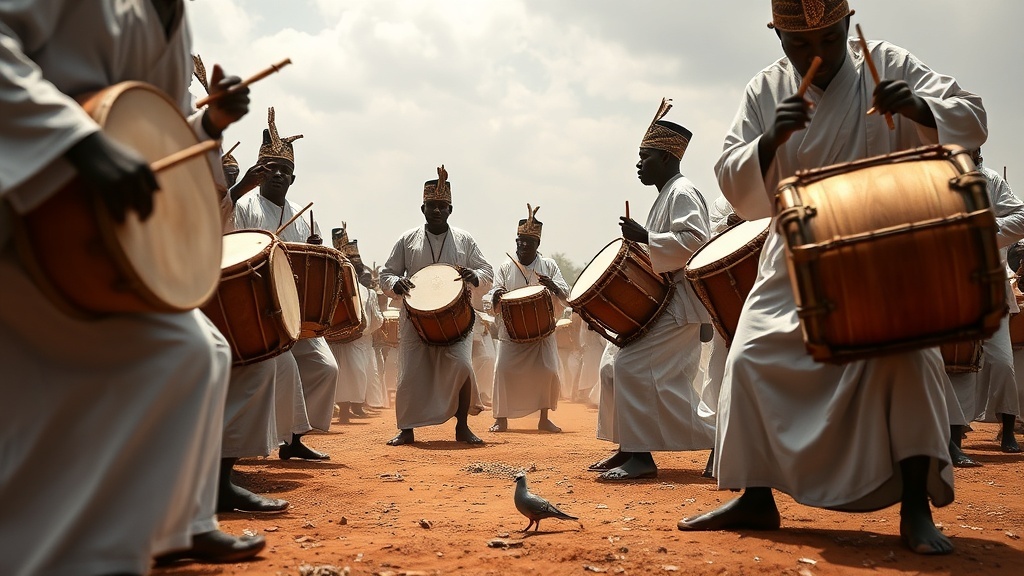
Kirundi is the national language and the strongest shared linguistic thread across the country. French remains important in administration and education, while Swahili is widely useful in commercial settings, especially around Bujumbura and regional trade routes.
Music, oral tradition, dance, basketry and communal ceremonies remain central to cultural life. The royal drum tradition is especially prominent and is treated as living heritage rather than a staged relic.
🏛️ Gitega & Bujumbura
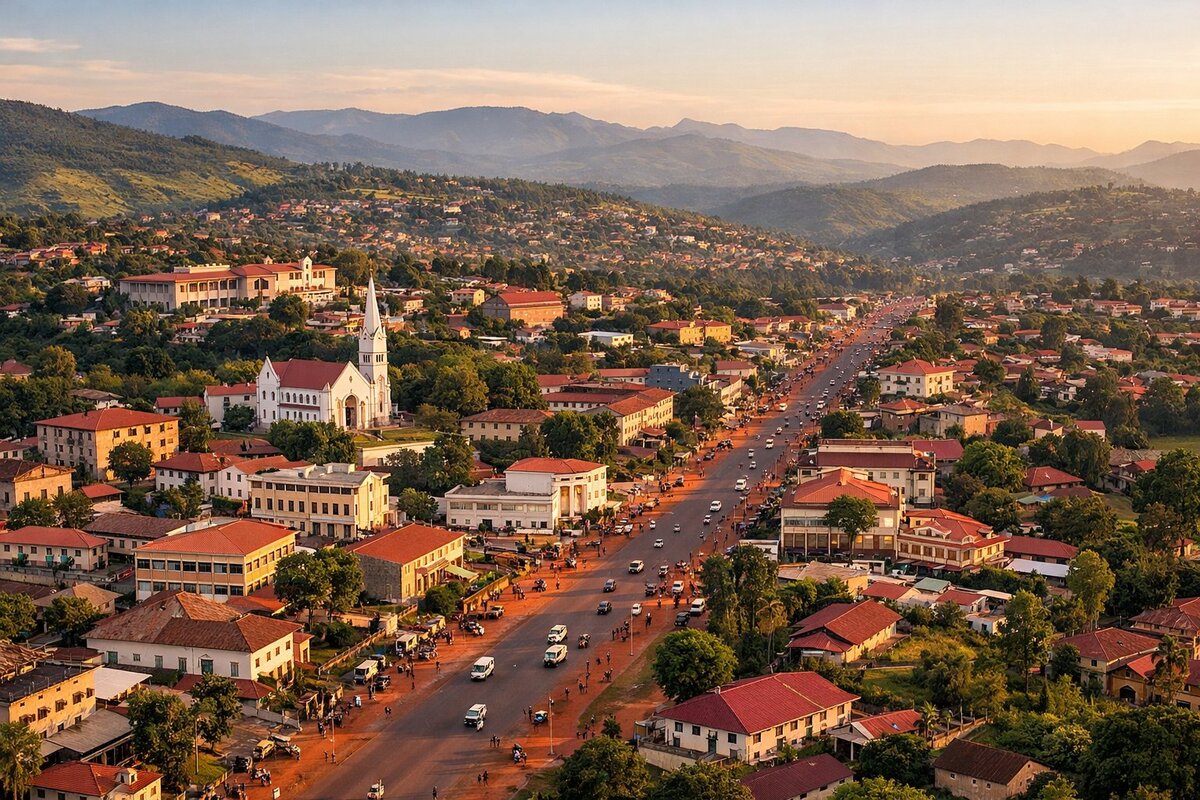
Gitega is the political capital and a historic center of the monarchy. Its national museum and nearby drum sanctuaries make it the most important stop for travelers interested in Burundian state and cultural history.
Bujumbura is the country’s largest city, principal business center and air gateway. It sits on Lake Tanganyika and offers the broadest range of hotels, restaurants and services, but travelers should pay close attention to current security guidance for parts of the surrounding province and the northern approaches.
🌊 Lake Tanganyika
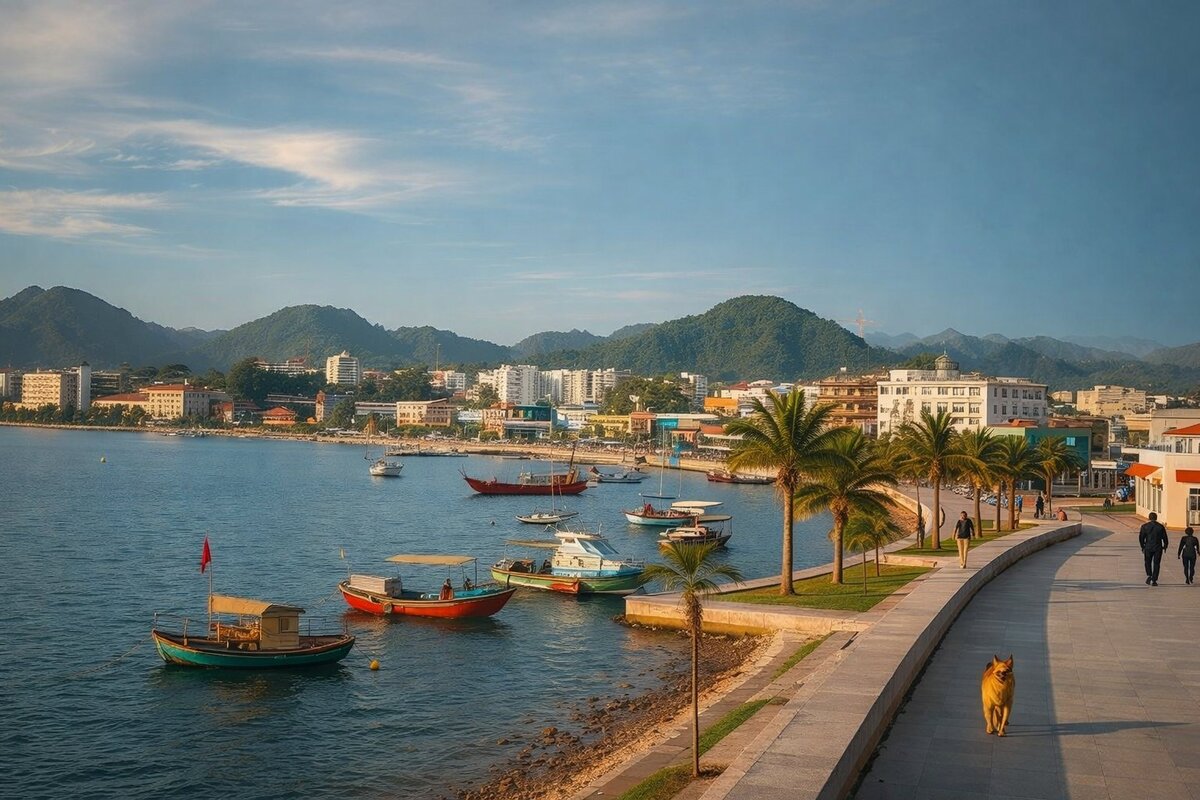
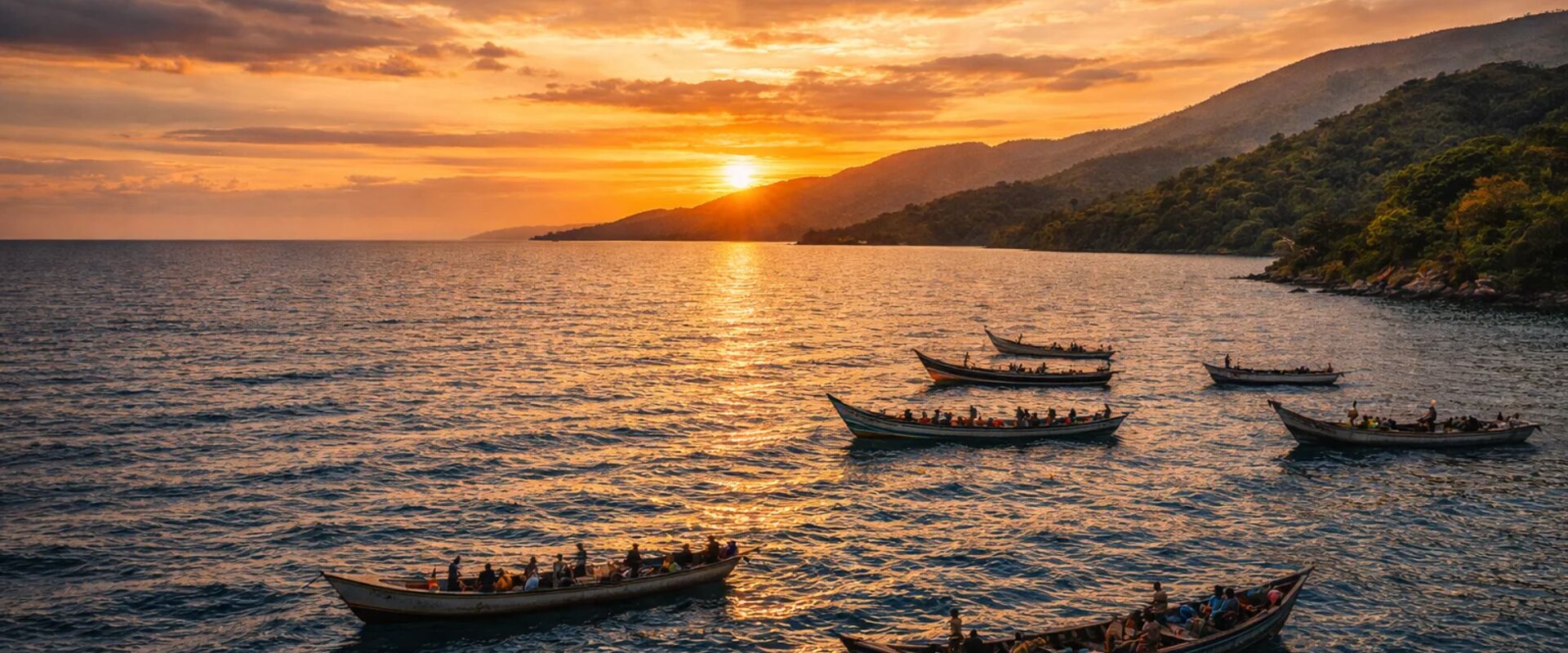
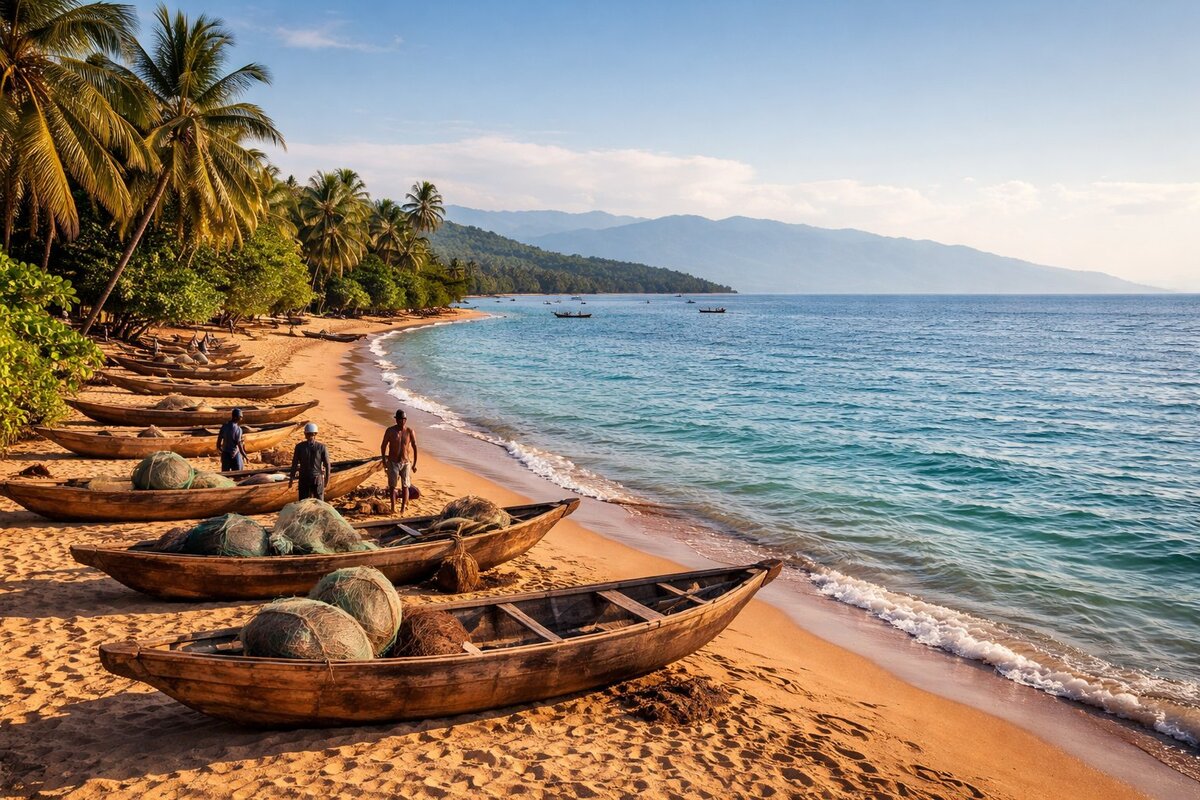
Lake Tanganyika is one of the world’s deepest and oldest freshwater lakes. Burundi occupies a relatively short section of its eastern shore, but the lake dominates the geography and atmosphere of Bujumbura and supports fishing, transport and recreation.
Lakeside outings should be arranged locally with attention to security conditions, weather and wildlife. Swimming conditions and access vary by site, and visitors should avoid assuming that every beach is managed or supervised.
🌳 Kibira, Rusizi & Waterfalls
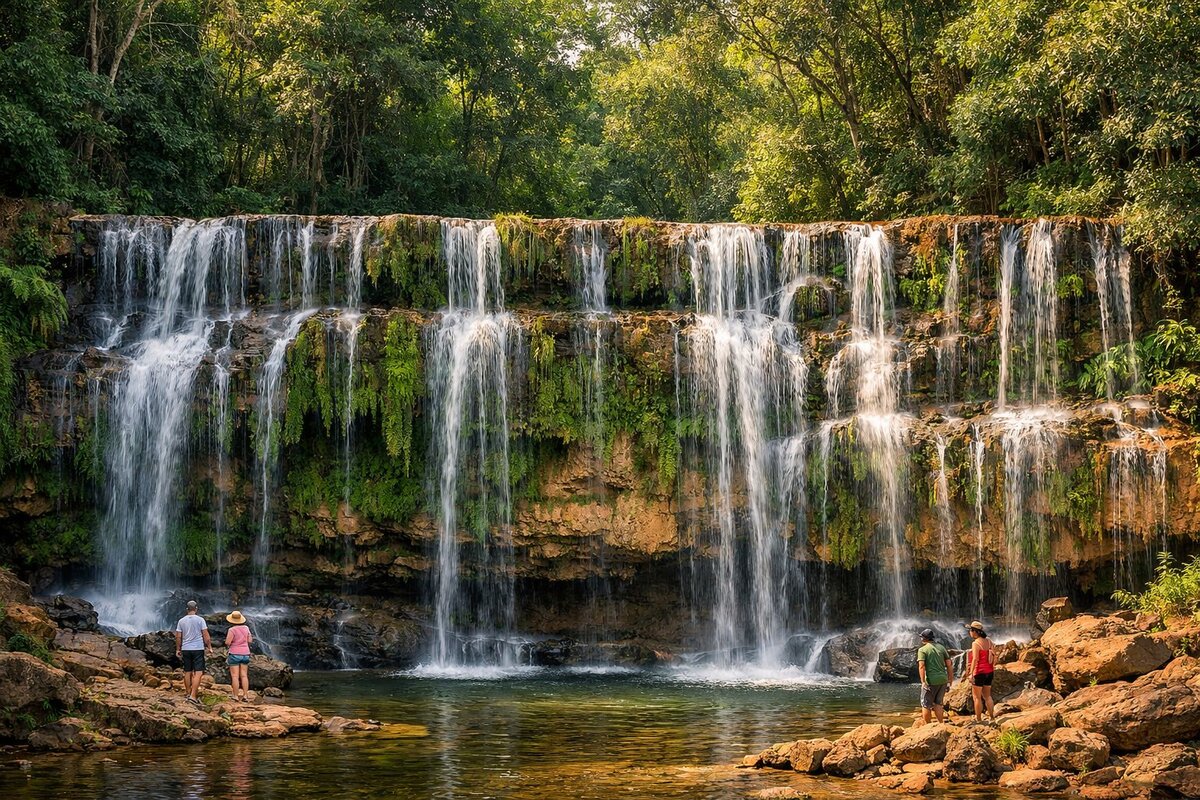
Kibira National Park protects montane rainforest along the Congo–Nile divide and is known for primates and birdlife. Current travel advisories, however, warn against travel to areas around Kibira because of armed-group activity and possible incursions from the DRC; travelers should not treat the park as an ordinary independent-hiking destination.
Karera Waterfalls and the southern highlands offer a different landscape of cascades, farms and rolling hills. Rusizi National Park near Bujumbura is ecologically important, but parts of the RN5/Rusizi corridor are also included in current FCDO no-travel advice.
🍲 Cuisine
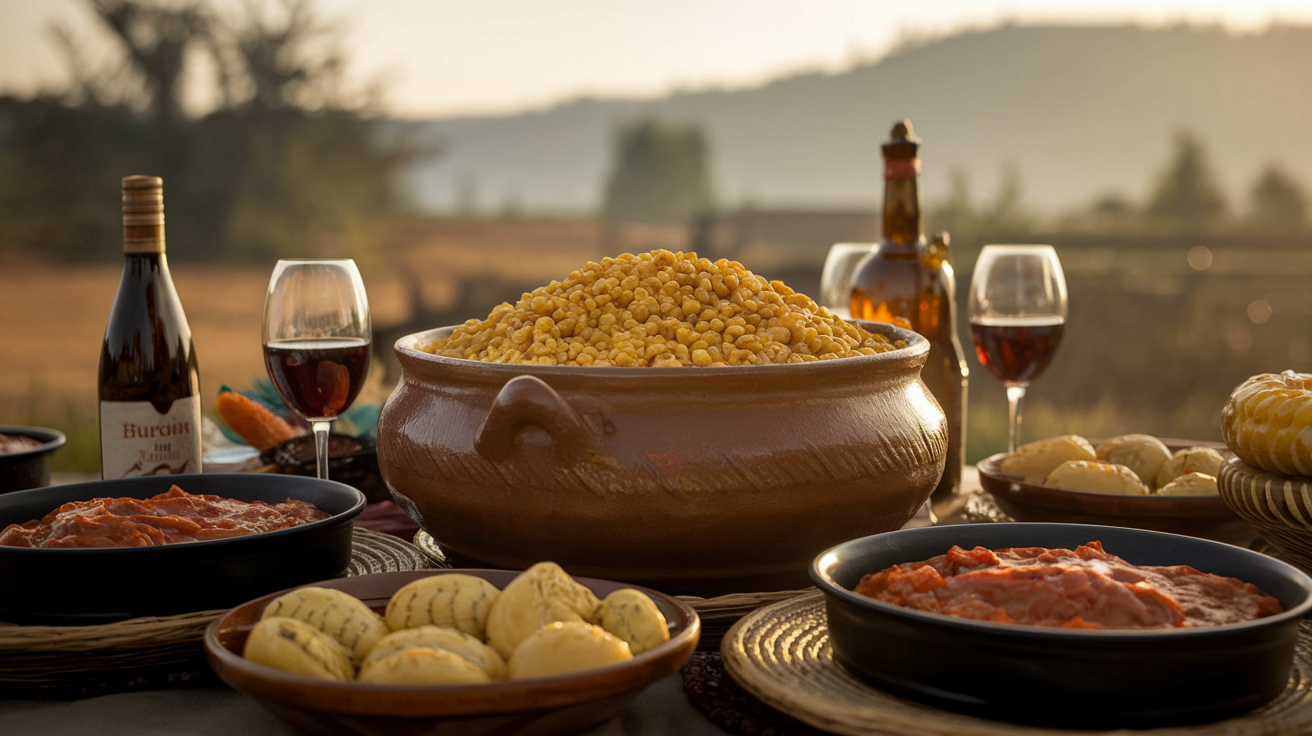
Everyday food is built around beans, plantains, cassava, maize, sweet potatoes and vegetables. Brochettes are popular in towns, while fish from Lake Tanganyika—especially mukeke—appears on menus around Bujumbura.
Isombe, made from thoroughly cooked cassava leaves, is common across the Great Lakes region. Coffee and tea are major crops as well as everyday drinks, and Burundi’s high-altitude arabica coffees have developed a strong reputation in specialty markets.
🥤 Drinks & Brewing Traditions
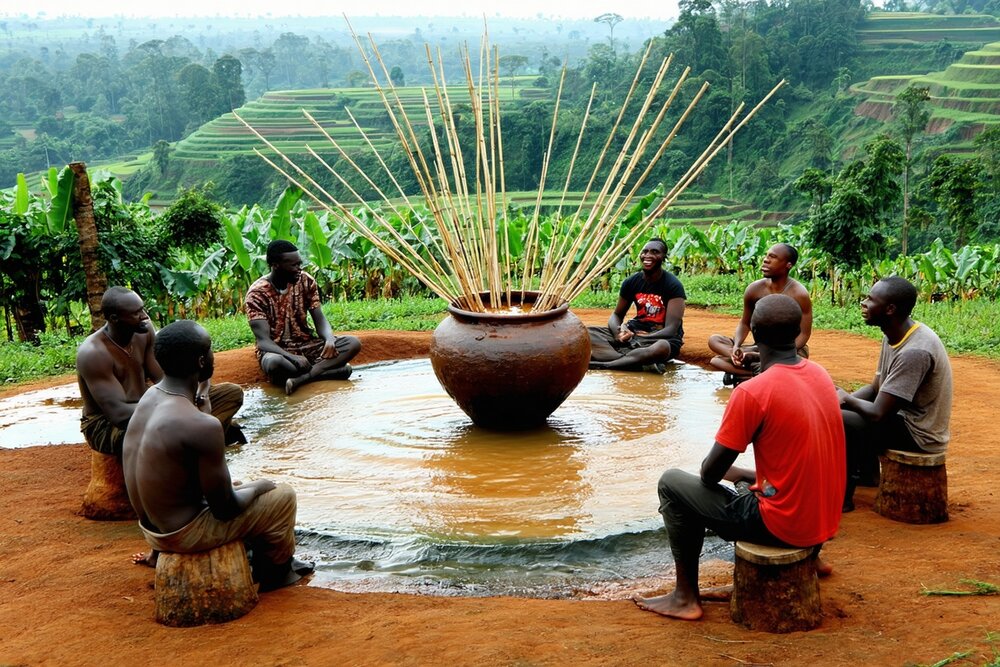
Traditional banana beer, often called urwarwa, and sorghum-based beers are associated with social gatherings and ceremonies. Commercial beer is also widely available in urban areas. Visitors should drink only from sources they trust and should be cautious with home-fermented beverages whose alcohol content and hygiene can vary.
🌦️ Climate & When to Visit
Altitude moderates Burundi’s tropical climate. The highlands are noticeably cooler than the Lake Tanganyika lowlands. June to August is generally the driest period and usually the easiest season for road travel; wetter periods can make rural roads slower and less predictable.
✈️ Getting There & Around
Melchior Ndadaye International Airport in Bujumbura is the main international gateway. Regional connections commonly link Burundi with East African hubs such as Addis Ababa, Nairobi and other cities depending on airline schedules.
Land-border conditions can change quickly. The Burundi–Rwanda land border has been subject to closure since January 2024, according to current FCDO guidance, so overland plans should be verified immediately before departure.
📋 Practical Information
Entry: a visa is required. Current UK guidance says travelers should complete the online application before travel; a one-month visa is issued on arrival and costs US$90. Passports should be valid for at least six months after arrival with a blank page.
Health: proof of yellow-fever vaccination is required for entry. Malaria and other mosquito-borne diseases are important risks, and medical facilities are limited outside major centers. Emergency number: 112; Burundi Red Cross: 109.
Money: the Burundian franc (BIF) is the local currency. Cash remains important; travelers should not rely on cards or ATMs outside major urban areas.
🥁 UNESCO & Living Heritage
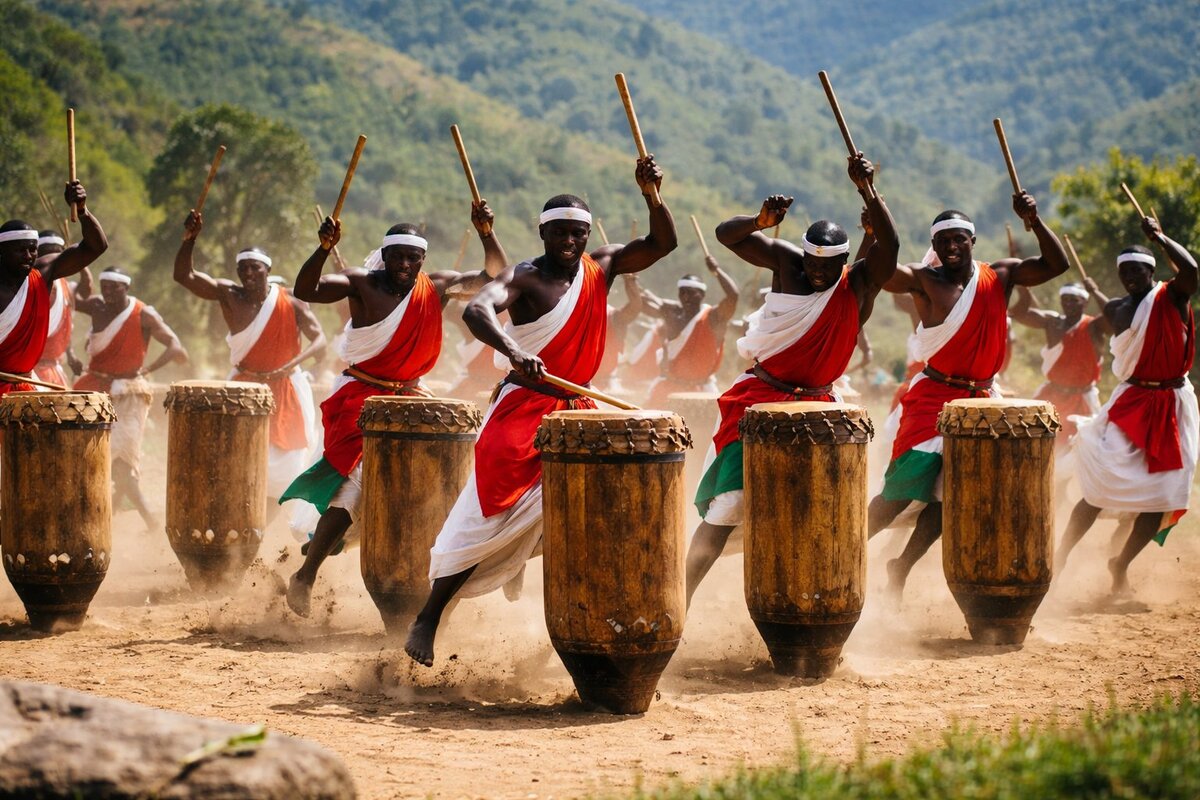
UNESCO inscribed the Ritual dance of the royal drum on the Representative List of the Intangible Cultural Heritage of Humanity in 2014. The tradition combines synchronized drumming, dance, heroic poetry and song, and is transmitted through drum sanctuaries and formal cultural education.
💼 Business & Economy
Agriculture remains central to livelihoods and export earnings, with coffee and tea among the best-known cash crops. Bujumbura is the main commercial center, while national policy emphasizes infrastructure, agriculture, mining, services and longer-term development under the government’s 2040–2060 vision.
Visitors doing business should expect cash-flow constraints, limited foreign-exchange availability and infrastructure bottlenecks, and should verify regulatory and banking conditions locally rather than relying on older online guidance.
🏛️ Government & Administration
Burundi is a republic. Évariste Ndayishimiye is president as of September 2026. The 2025 administrative reform created five provinces and 42 communes, replacing the older 18-province structure that still appears in many guidebooks and maps.
Current office-holder and administrative reform checked against the Presidency of Burundi in September 2026.
⚠️ Current Travel Context — checked 18 September 2026
FCDO advises against all travel to specified parts of Burundi. Current warnings include communes in Bujumbura Province near Kibira National Park and parts of Ntahangwa/RN5/Rusizi toward the DRC border. Armed-group activity and cross-border incursions are cited risks.
The U.S. Department of State lists Burundi at Level 3, “Reconsider Travel,” due to political violence, crime and health risks, with stricter warnings for specific areas. Travelers should also monitor the regional health situation, including outbreaks in neighboring DRC.
📸 Photo Gallery
✍️ Author’s Note
Burundi is easy to reduce to headlines, but a useful travel page has to do the opposite: distinguish what is genuinely dangerous from what is simply unfamiliar, and place the country’s culture beside its risks rather than behind them. The royal drums, the highlands and Lake Tanganyika deserve attention; so do the rapidly changing security conditions around the western border. This guide therefore treats caution as part of responsible curiosity, not as a substitute for it.
— Radim Kaufmann, 2026
