St. Thomas and St. John form a natural pair. St. Croix deserves time of its own. Check the route, documents, and current conditions before booking.
01
UNESCO & protected areas
The USVI has no inscribed UNESCO World Heritage property. National-park status, a historic-site designation, and UNESCO recognition are different systems and should not be used interchangeably.
Virgin Islands was designated a UNESCO biosphere reserve in 1976, but it was withdrawn from the World Network of Biosphere Reserves in 2017. The former designation is part of the park’s history, not a current credential. Withdrawal from that international network did not abolish the national park or its U.S. protections.
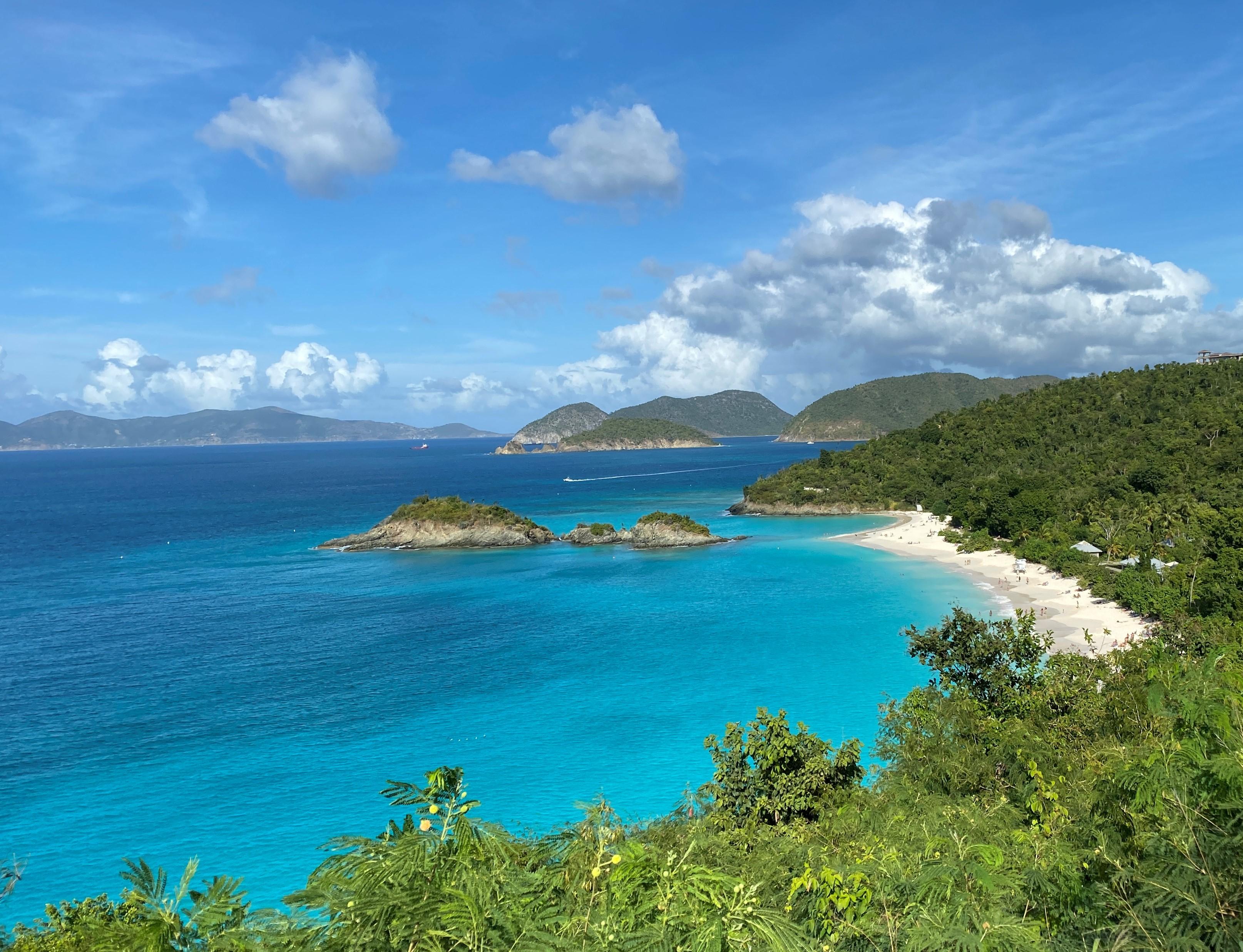
The National Park Service manages five units in the territory: Virgin Islands National Park and Virgin Islands Coral Reef National Monument around St. John, plus Buck Island Reef National Monument, Christiansted National Historic Site, and Salt River Bay National Historical Park and Ecological Preserve around St. Croix. Each has different access, facilities, and rules.
The U.S. Fish and Wildlife Service manages Sandy Point, Green Cay, and Buck Island National Wildlife Refuges. Buck Island refuge near St. Thomas is a different place from the NPS reef monument off St. Croix. The shared name is an easy source of booking and map errors. Seasonal wildlife closures are part of the protection, not a suggestion to find an unofficial entrance.
Hassel Island — in plain sight from every cruise deck in Charlotte Amalie harbor, almost entirely National Park, and almost never visited: British military ruins, a marine railway, and no crowds at all.
Salt River Bay's bioluminescent bay, St. Croix — a night kayak through mangroves where the water lights up around the paddle. Best on a moonless night, and the same water where Columbus's men came ashore in 1493.
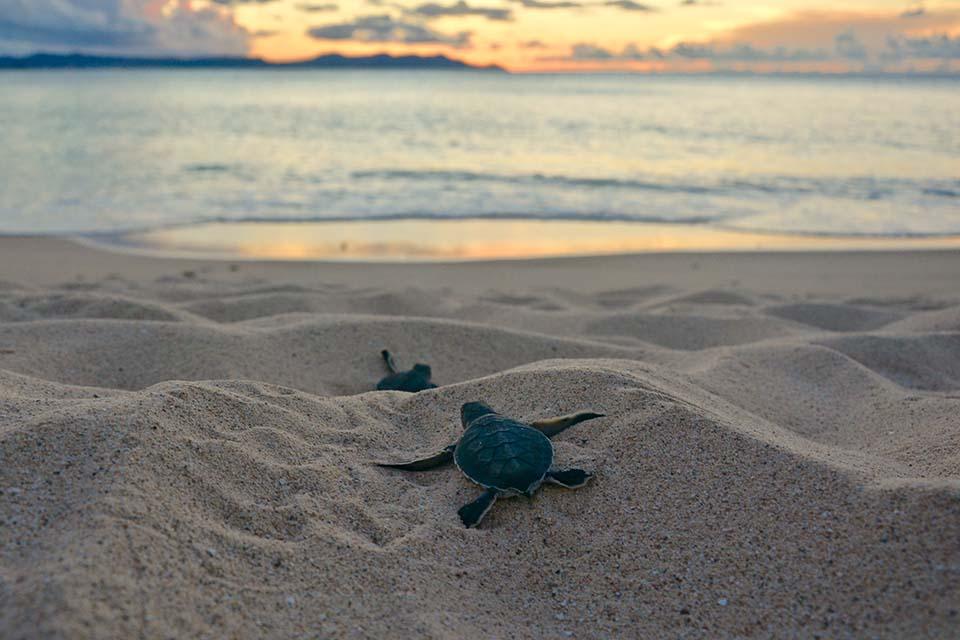
Sandy Point National Wildlife Refuge, St. Croix — an important leatherback turtle nesting beach, and closed to the public April to August precisely because of it. Check the refuge’s current opening days and seasonal closure dates; any nesting-watch program requires the refuge’s arrangements.
The Frederiksted pier after dark — seahorses, frogfish and octopus in eight meters of water under the pilings; consistently rated among the best shore dives in the Caribbean.
Annaberg Sugar Plantation, St. John — a substantial surviving sugar-estate complex, with windmill, boiling bench and slave-quarter foundations, and an interpretation that does not soften what happened there.
Estate Whim Museum, St. Croix — a restored great house with a mill and a cane press, and the best single explanation on the islands of how the sugar economy actually worked.
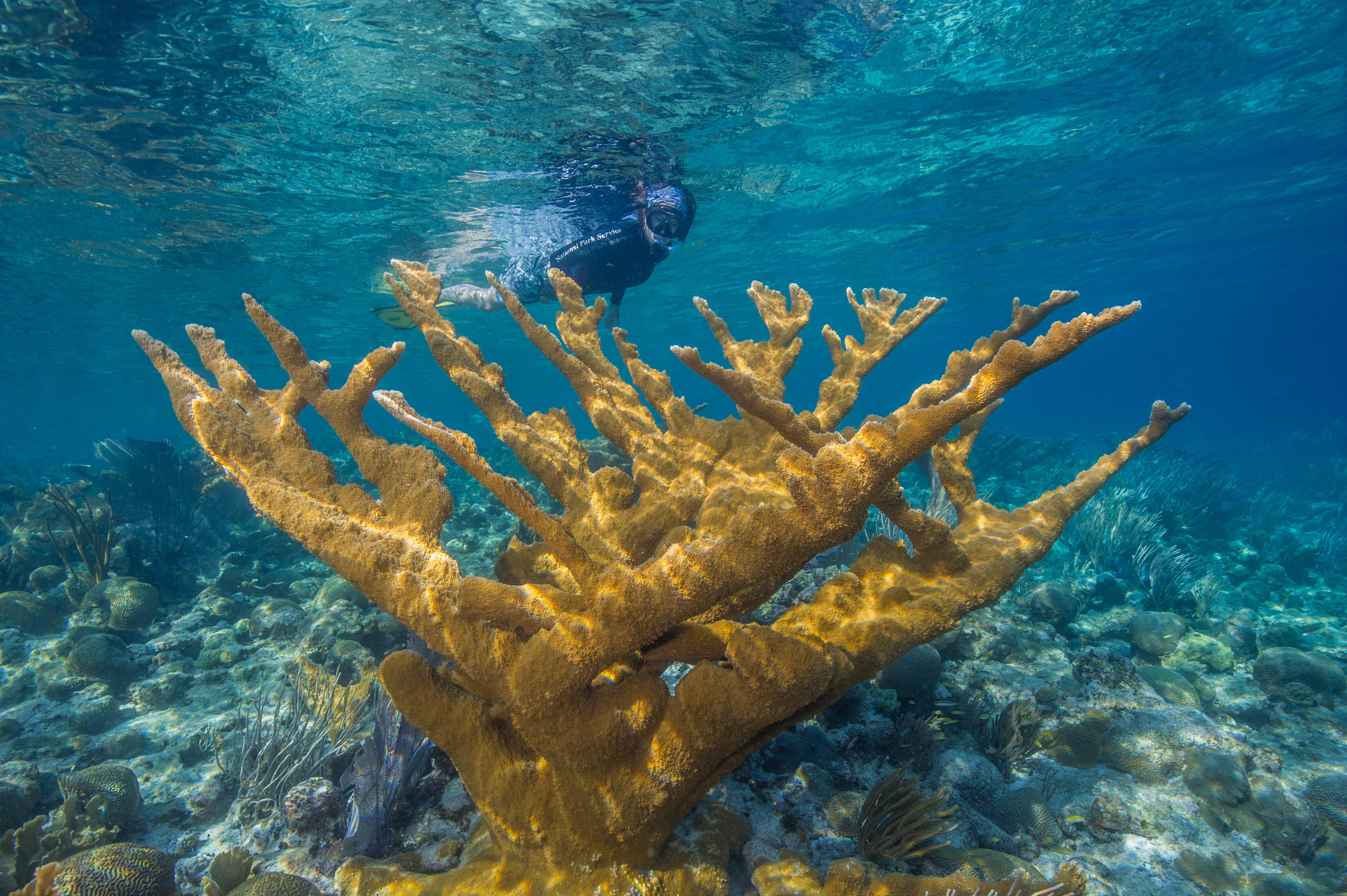
The islands’ underwater scenery is living habitat. Keep fins, hands, and equipment clear of coral, control buoyancy, and avoid stirring sediment in shallow water. Give turtles room to surface and feed; do not chase, touch, or block them for a photograph. A guide can help you select an entry and route suited to the day’s conditions and your ability.
Use authorized moorings and follow the rules of the particular protected area. A reef monument, a national park, and a wildlife refuge can have different limits. On nesting beaches, respect closed areas and lighting restrictions. At Sandy Point, seasonal closure protects leatherbacks and their nests; a beautiful empty beach is not necessarily open for recreation.
Waste is a practical island issue. Refill a bottle from a safe source, secure loose items on boats, and carry litter back to an appropriate bin. Support local businesses and guides, ask before photographing people, and treat ruins and petroglyphs as cultural places rather than climbing equipment. Responsible access begins with listening to the people and agencies who care for the site.
 ‹›