UNESCO lists four World Heritage properties involving Albania: two cultural, one natural and one mixed. Some are shared with other countries. Count the inscription, not every town or forest component within it. A place on a tentative list is not yet an inscribed World Heritage property.
The linked UNESCO records give boundaries, dates and conservation reports. They are more precise than a general tourism label and help distinguish an archaeological park, a historic urban center and a protected natural area.
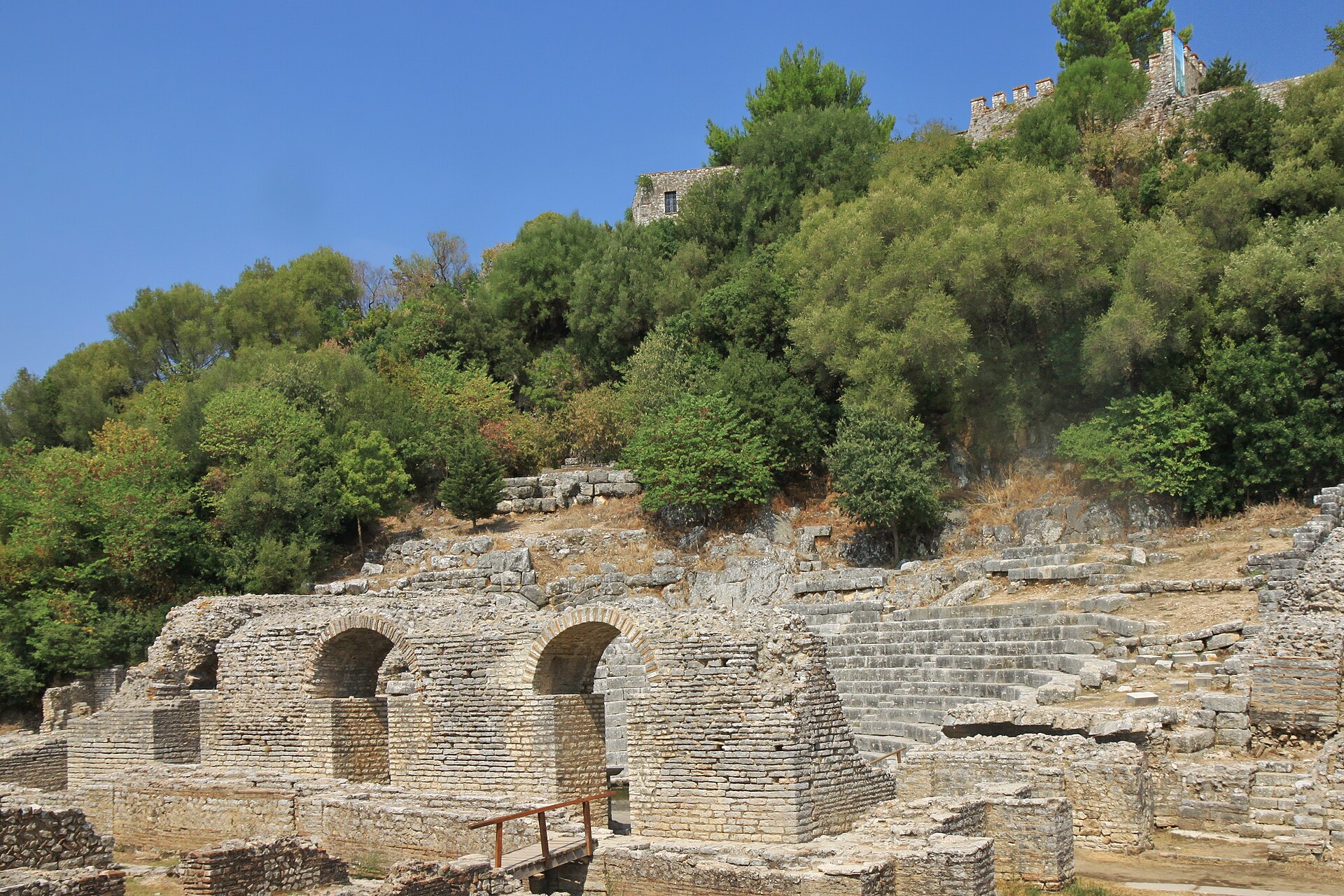
Albania’s first World Heritage inscription preserves layers from ancient settlement through later Mediterranean powers. The theater, baptistery, walls and water setting give the site its character. The property was extended in 1999. Check the park’s current access arrangements and respect temporary conservation closures.
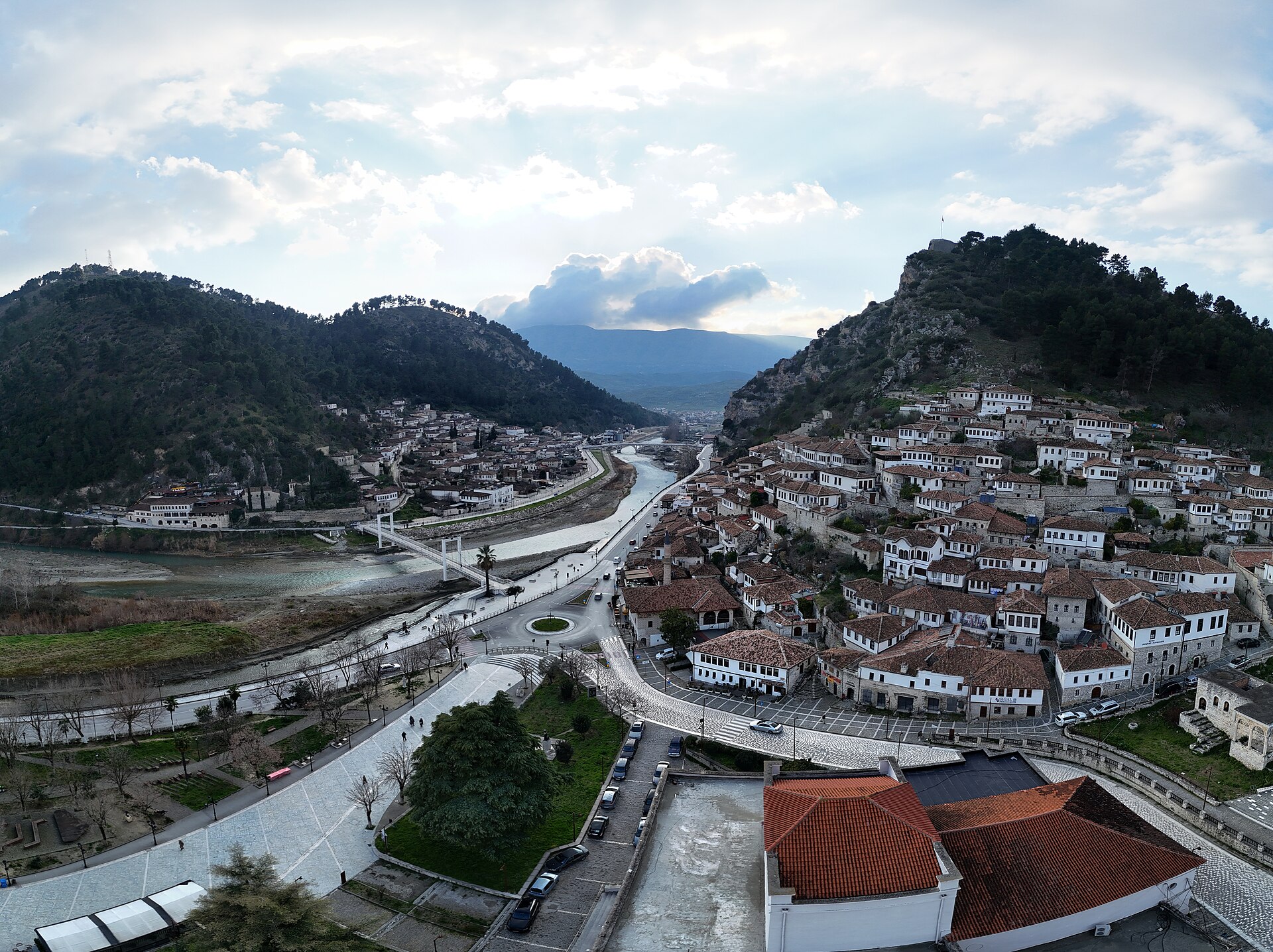
Gjirokastër was inscribed in 2005; Berat joined through the 2008 extension. Together they form one property illustrating historic urban life and Ottoman-period architecture. Berat’s hillside houses and Gjirokastër’s stone-roofed residences are different expressions of that heritage. Both are living towns, with residents whose privacy matters.
The Albanian components joined the transnational beech-forest property in 2017. Their significance lies in forest ecosystems and natural processes, not visitor facilities. These are remote protected landscapes rather than urban parks. Check permitted routes and access with the relevant protected-area authority; do not assume that a UNESCO label means a marked day walk.
The Albanian shore became part of the shared Ohrid property in 2019. The lake’s natural history and the cultural landscape are recognized together. Pogradec and nearby lakeside settlements offer a different rhythm from the Ionian coast. Remember that crossing to the other shore can involve an international border, separate documents and transport arrangements.
Heritage also includes practices passed between people: iso-polyphonic singing, traditional clothing and craftsmanship, and the performance and making of the lahuta, a bowed string instrument associated with epic storytelling. These belong to the field of intangible cultural heritage, a different UNESCO system from the four World Heritage properties above.
Use UNESCO’s living-heritage register to check the exact element, year and list category. A safeguarding listing does not guarantee a public performance on a particular day. Attend advertised events, credit performers when sharing their work and ask permission before recording.