🌍 Comoros at a Glance
🌍 Overview
The Union of the Comoros is a volcanic archipelago adrift in the Mozambique Channel between Madagascar and the East African coast, a place where the trade winds carry the scent of ylang-ylang for kilometers out to sea. Three sister islands — Grande Comore (Ngazidja), Anjouan (Nzwani) and Mohéli (Mwali) — form one of the world's smallest and least-visited nations, a country where one of the world's largest active volcanoes broods over a capital of lava-black stone, where fishermen still hook coelacanths from canoes, and where traditional Grand Marriage ceremonies can last for weeks and cost a man his life's savings.
The Comoros are proudly African, proudly Muslim, and proudly unhurried. A fourth island, Mayotte, chose in 1974 to remain French — so the national coat of arms still claims four stars even though only three islands fly the green-and-white flag. For the traveler willing to accept erratic flights, power cuts and the absence of chain hotels, the Perfumed Islands offer something almost extinct elsewhere in the Indian Ocean: genuine, unpolished discovery.
For American travelers: there is no US embassy in Moroni (the nearest is in Antananarivo, Madagascar, or Port Louis, Mauritius), no direct flights from the US, and English is rarely spoken outside a handful of hotels. This is not a difficult or dangerous destination by African standards, but it is a genuinely remote one — come with French phrasebook, cash, and patience.
🏷️ Name & Identity
"Comoros" comes from the Arabic Juzur al-Qamar — the Islands of the Moon — a name given by medieval Arab sailors who watched the crescent moon rise over Mount Karthala and mistook the volcanic cones for lunar mountains. In Comorian (Shikomori), the country is called Komori; in Swahili, Visiwa vya Komoro. The official name today is the Union of the Comoros (Union des Comores / Udzima wa Komori / al-Ittiḥād al-Qumurī), reflecting the country's official working languages.
The national motto — Unité, Justice, Progrès — masks a turbulent reality: since independence from France in 1975, the Comoros have endured more than twenty coups or attempted coups, earning the bittersweet nickname "Cloud Coup-Coup Land" among foreign correspondents. Despite this, the islands' cultural identity is remarkably cohesive — a Swahili-Arab-African-Malagasy creole forged over a thousand years of Indian Ocean trade.
🗺️ Geography
The archipelago sits at roughly 12° south latitude, 300 km off the Mozambican coast and 300 km northwest of Madagascar. The three islands of the Union total just 1,861 km² of land (2,235 km² including Mayotte) and are entirely volcanic in origin, rising from the seabed along a hotspot chain that grows younger from east to west.
🌋 Grande Comore (Ngazidja)
The youngest, largest island, dominated by Mount Karthala. So porous that rainwater vanishes straight through the lava — almost no rivers, and drinking water is scarce.
🌿 Anjouan (Nzwani)
Triangular, mountainous, deeply eroded — lush with waterfalls and clove trees.
🐢 Mohéli (Mwali)
The oldest, smallest island — a jungle-clad paradise of crater lakes, marine turtles and humpback whales.
Offshore, the Mohéli Marine Park — the Comoros' first national park, created in 2001 — protects one of the richest coral reefs in the Western Indian Ocean.
🗺️ Map
Interactive map of the Union of the Comoros — Moroni, Mount Karthala, the airport at Hahaya, Mutsamudu and Domoni (Anjouan), Fomboni and Itsamia (Mohéli). Scroll-zoom is off; use the +/− buttons.
📜 History
The first settlers reached the Comoros around the 6th century from the Swahili coast and Madagascar, bringing Bantu languages and Austronesian rice. Arab and Persian traders followed, converting the islands to Sunni Islam by the 11th century and weaving them into the Indian Ocean monsoon-trade network alongside Kilwa, Zanzibar and Lamu. By the 15th century, the islands were divided among rival Shirazi sultanates whose ruins — including the Bambao sultan's palace on Anjouan — still dot the landscape.
The 17th and 18th centuries were brutal. Malagasy Sakalava pirates raided the islands repeatedly, depopulating whole villages. In 1841 the Sultan of Mayotte ceded his island to France; Grande Comore, Anjouan and Mohéli followed as protectorates between 1886 and 1892. France administered the archipelago from Madagascar until 1961, then granted internal autonomy. On 6 July 1975, the Comoros declared independence — but Mayotte voted to remain French, a wound that still divides the nation. What followed was the era of the "coup seasons": French mercenary Bob Denard staged four coups between 1975 and 1995, Anjouan and Mohéli briefly seceded in 1997, and stability returned only with the 2001 constitution that established a rotating presidency between the three islands.
That rotation ended in 2018, when a constitutional referendum pushed by President Azali Assoumani — a former army colonel first installed by coup in 1999 — abolished it in favor of a standard national presidency. Assoumani won a fourth term in a disputed January 2024 election, and his Convention for the Renewal of the Comoros (CRC) swept both the January 2025 parliamentary elections and the February 2025 municipal elections. In August 2024 the Comoros joined the World Trade Organization as its 165th member, and the country is now preparing to host the 2027 Indian Ocean Games — a genuine, if modest, infrastructure and tourism push under the government's "Plan Comores Émergent 2030."
The years since have been eventful. On 13 September 2024 Assoumani was stabbed and lightly wounded at a funeral in Salimani, outside Moroni; the attacker, a 24-year-old soldier, was arrested and found dead in his cell the next day. His predecessor Ahmed Abdallah Sambi (president 2006–2011) is serving a life sentence handed down in November 2022 for high treason over a passport-for-sale scheme legalised in 2008 — prosecutors put its cost above US$1.8 billion, more than the country's GDP — and in May 2026 six former prime ministers publicly asked for his medical evacuation. The Mayotte wound also reopened: on 14 December 2024 Cyclone Chido, the worst storm to hit the archipelago in roughly ninety years, devastated Mayotte and damaged the Comorian islands, and many undocumented Comorians on Mayotte avoided the shelters for fear of arrest. The kwassa-kwassa crossings to Mayotte — the small open boats that have killed thousands of Comorians since France imposed a visa on the crossing in 1995 — remain the archipelago's defining tragedy, and in August 2026 French Prime Minister Sébastien Lecornu tied development aid to Moroni's cooperation on irregular migration. The brightest news came on 25 July 2026, when UNESCO inscribed the Medinas of the Historic Sultanates of the Comoros as the country's first World Heritage Site, with Assoumani in Busan to watch it happen.
🎭 People & Culture
The roughly 900,000 Comorians are a Swahili-African-Arab-Malagasy melting pot. Over 98% are Sunni Muslim (Shafi'i school), and the rhythm of daily life follows the five prayers, the Friday khutba and the fasting month of Ramadan. Shikomori — a Bantu language closely related to Swahili and written today in both Arabic and Latin scripts — is the mother tongue of virtually everyone, while Arabic is the language of religion and French the language of administration.
No custom is more emblematic than the Anda, the Grand Marriage. A traditional Grand Marriage on Grande Comore can last a fortnight, involve the slaughter of dozens of cattle, the distribution of gold jewelry and banknotes to the bride, and the feeding of an entire village — a ruinous expense that a man may save for decades to afford. Only after completing his Anda does a Comorian achieve full social standing: the right to speak in village assemblies, wear the mharuma ceremonial shawl, and sit at the front of the mosque. Women wear the colorful shiromani wrap and paint their faces with msindzano, a sandalwood paste that both decorates and protects the skin from the sun.
🏛️ Moroni
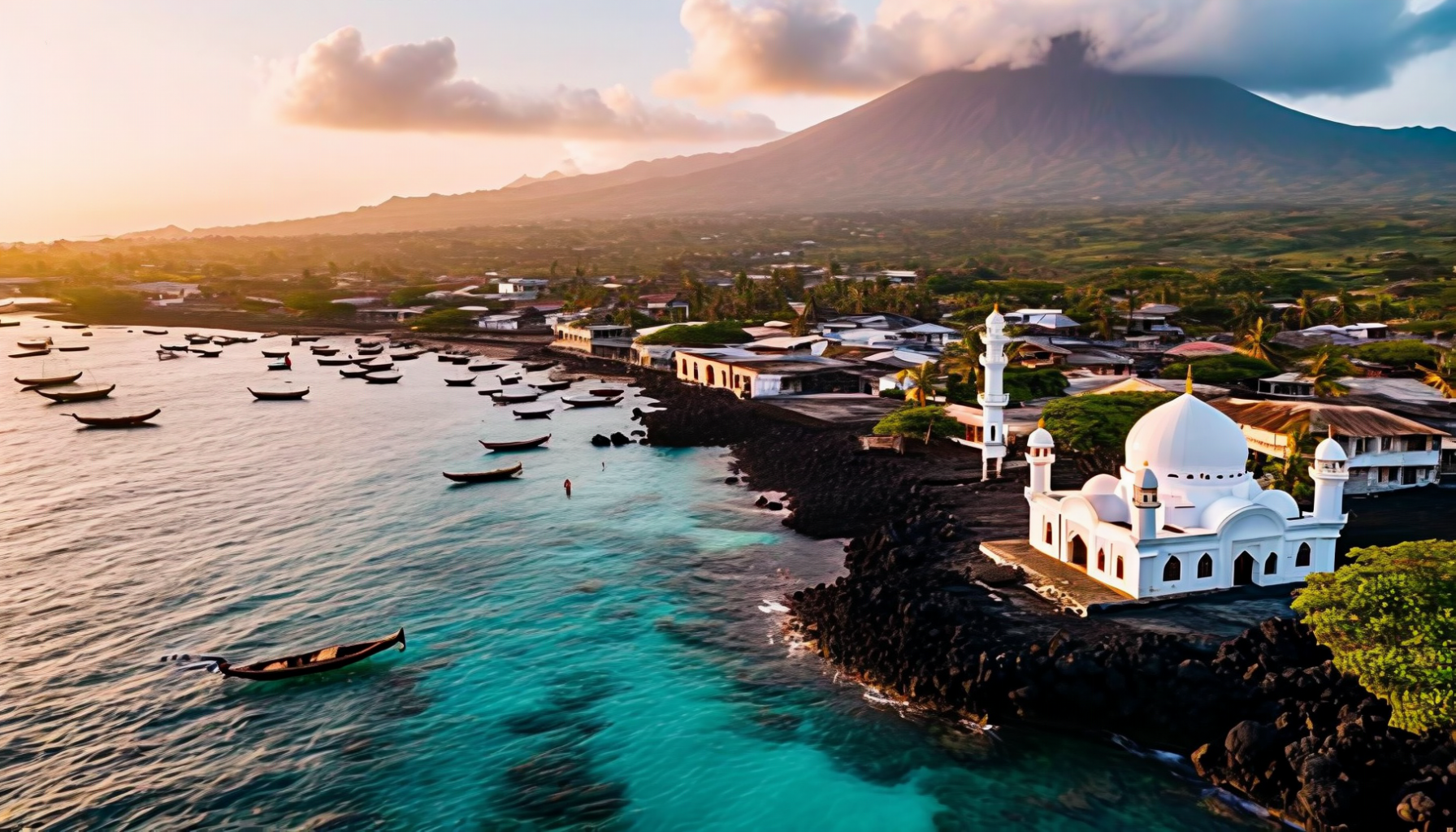
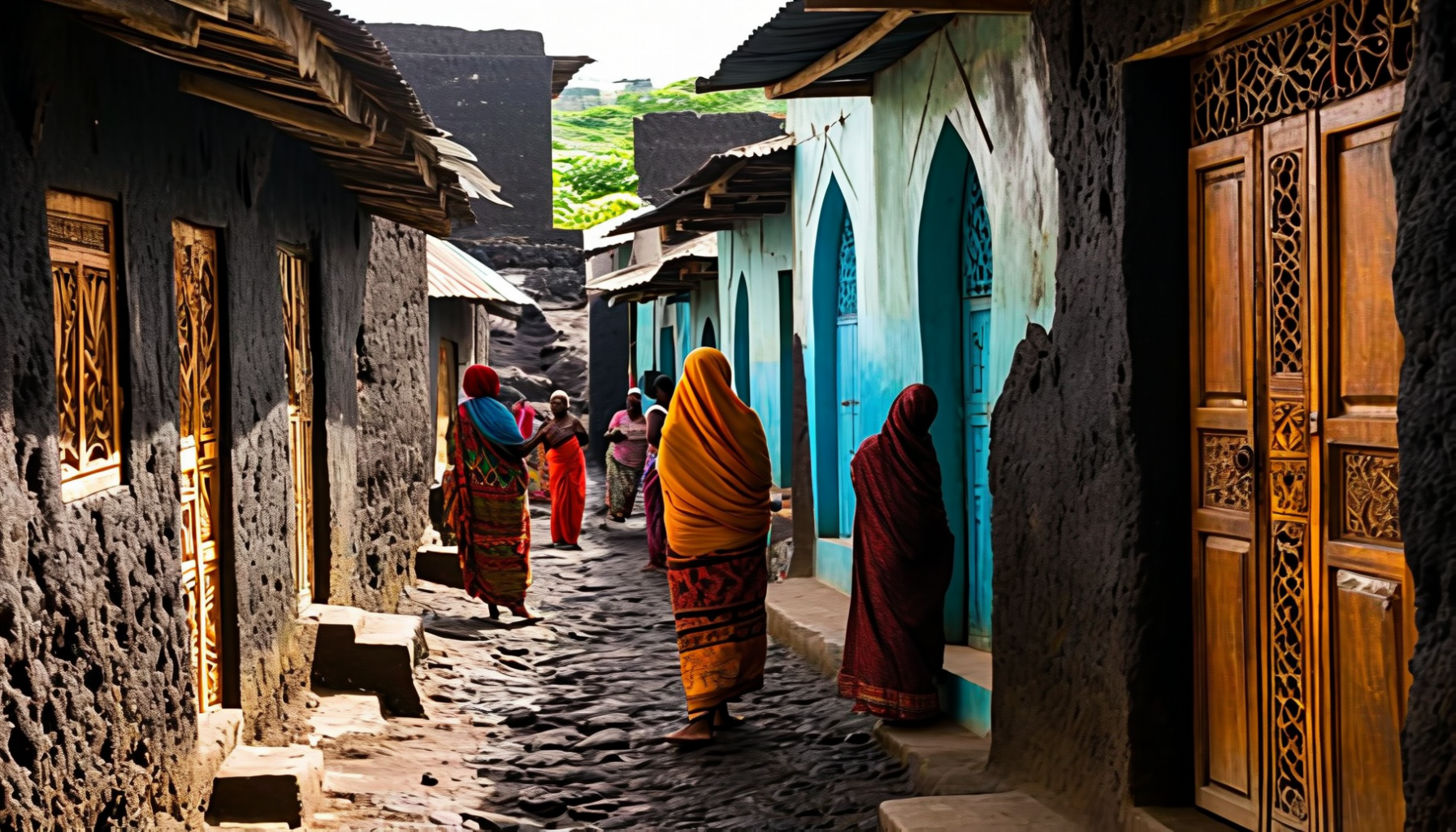
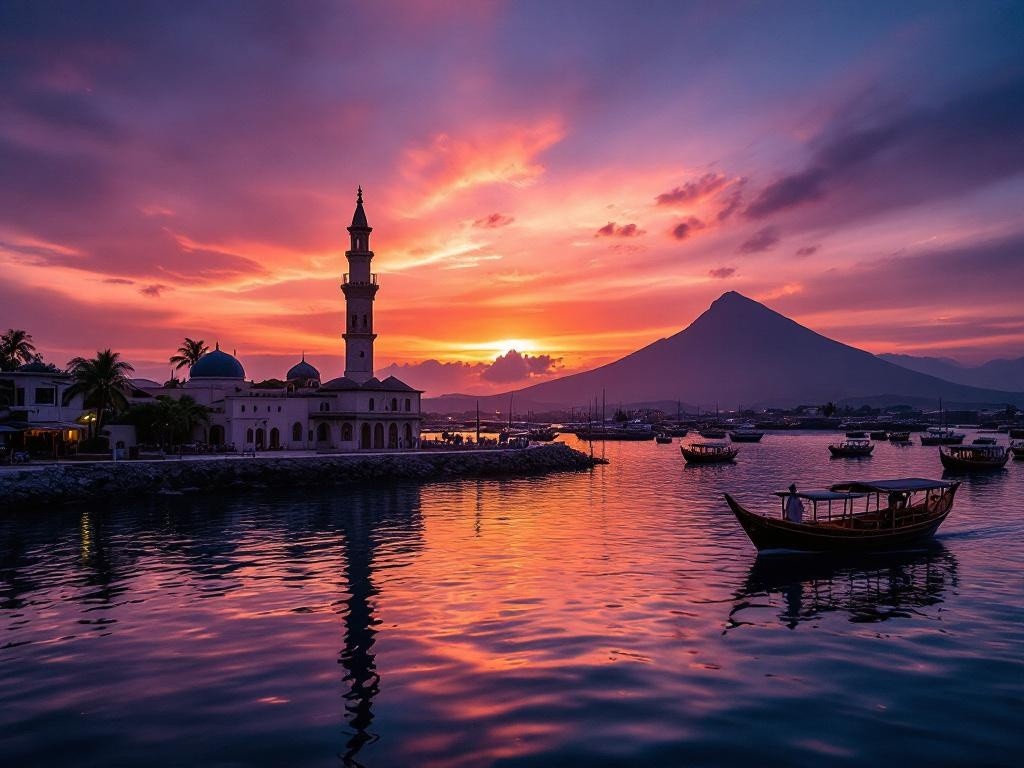
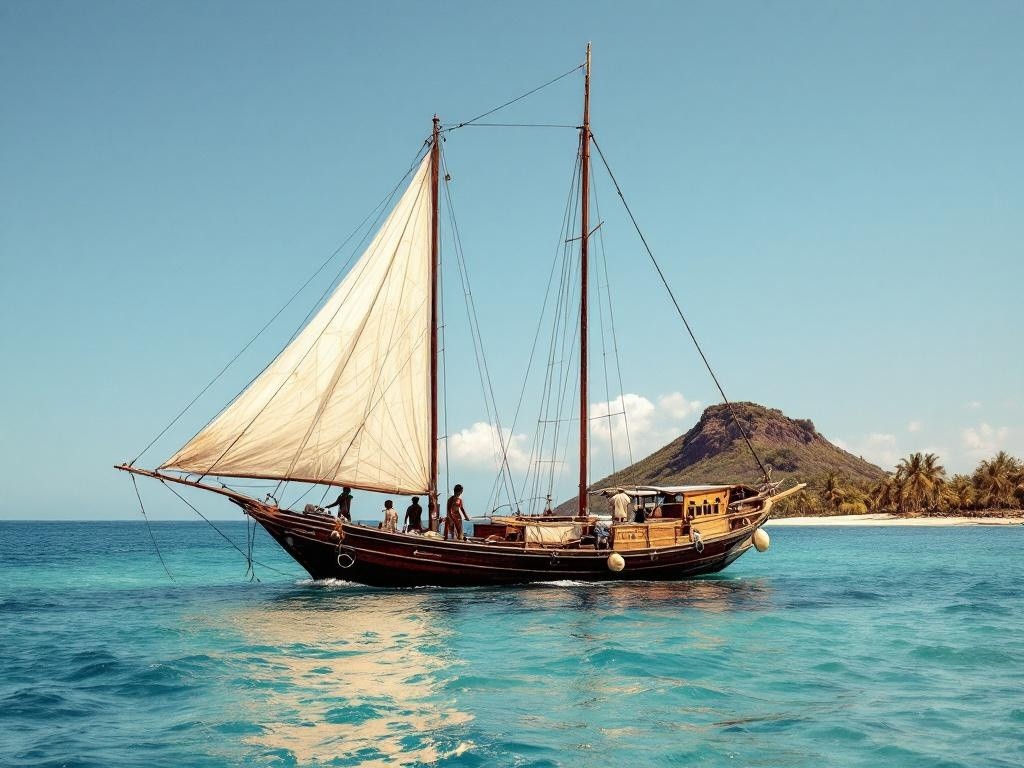
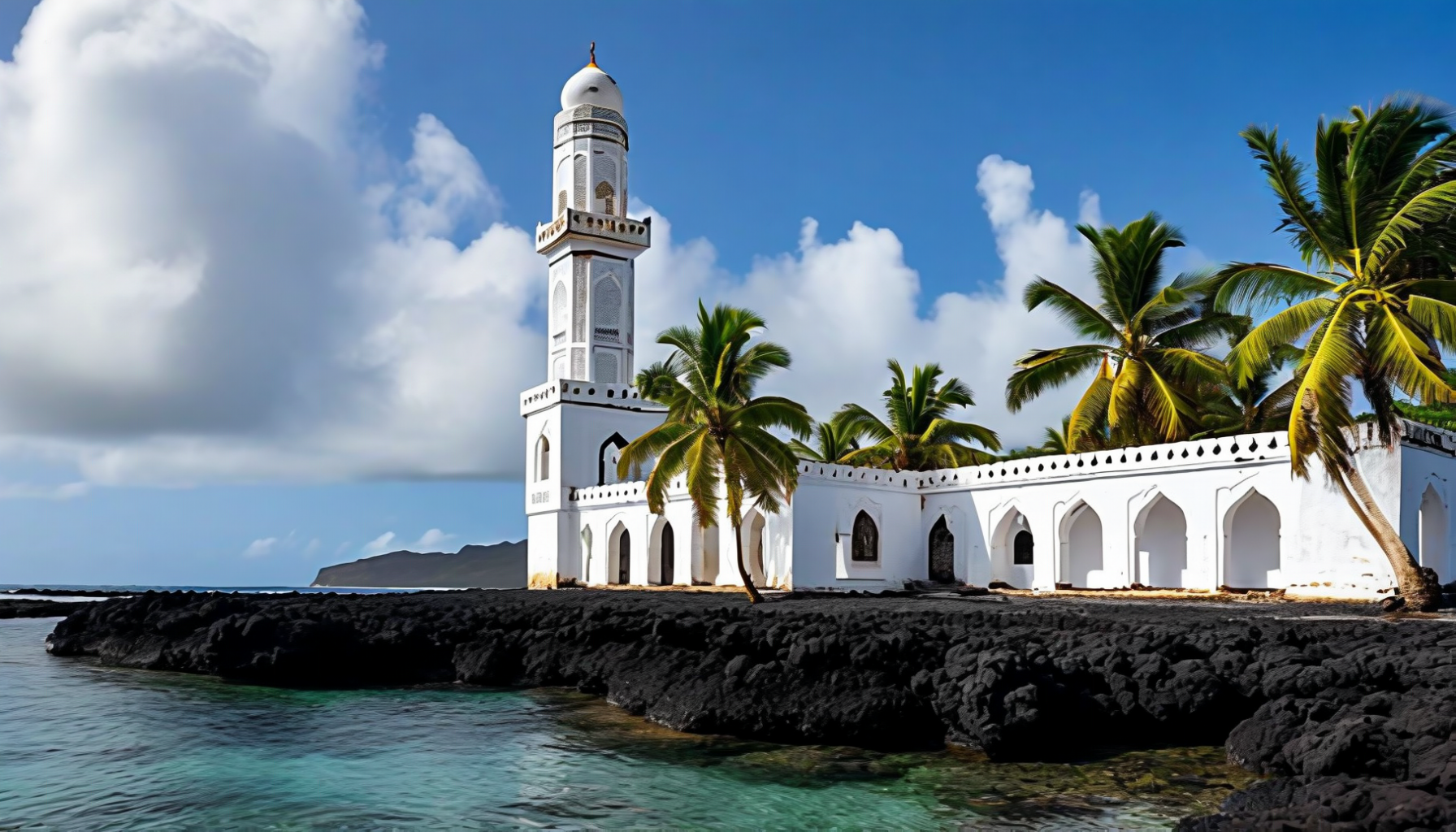
Moroni — the "place of fire" in Shikomori — is a low-rise capital of some 60,000 souls built from black lava stone on the western flank of Mount Karthala. The old medina is a tangle of narrow alleys climbing from the small port, where wooden dhows still unload rice from Thailand and cement from Dubai. At its heart stands the Ancienne Mosquée du Vendredi (Old Friday Mosque), built in 1427 — a whitewashed prayer hall with a square minaret that is the oldest surviving building in the country. Across the harbour, the white Badjanani Mosque glows at sunset over the waterfront where men gather to sip dzadza (milky coffee) and watch the dhows come in.
Don't miss the Volo Volo market, a riot of vanilla, cloves, cardamom and ylang-ylang oil; the Comoros National Museum with its coelacanth specimen and Shirazi ceramics; and the sunset view from the Itsandra Beach Hotel, where the lava cliffs drop straight into turquoise water.
🌋 Grande Comore (Ngazidja)
Beyond Moroni, the island of Grande Comore rewards the patient. The western coast road runs past Iconi — the old sultanate capital whose clifftop fort commemorates the women who threw themselves from the ramparts to avoid capture by Sakalava pirates — and on to the black-sand beaches of Chomoni on the east coast, where lava flows meet the Indian Ocean in a tangle of tide pools. At Lac Salé, near Mitsamiouli, a crater lake of emerald brackish water is said by locals to hide a witch in its depths. Mitsamiouli itself offers the country's best diving: the sheer volcanic wall of the "Maloudja" drops 40 m into clear blue water thick with groupers, barracuda and — if you are exceptionally lucky — the shy coelacanth.
🌿 Anjouan (Nzwani)
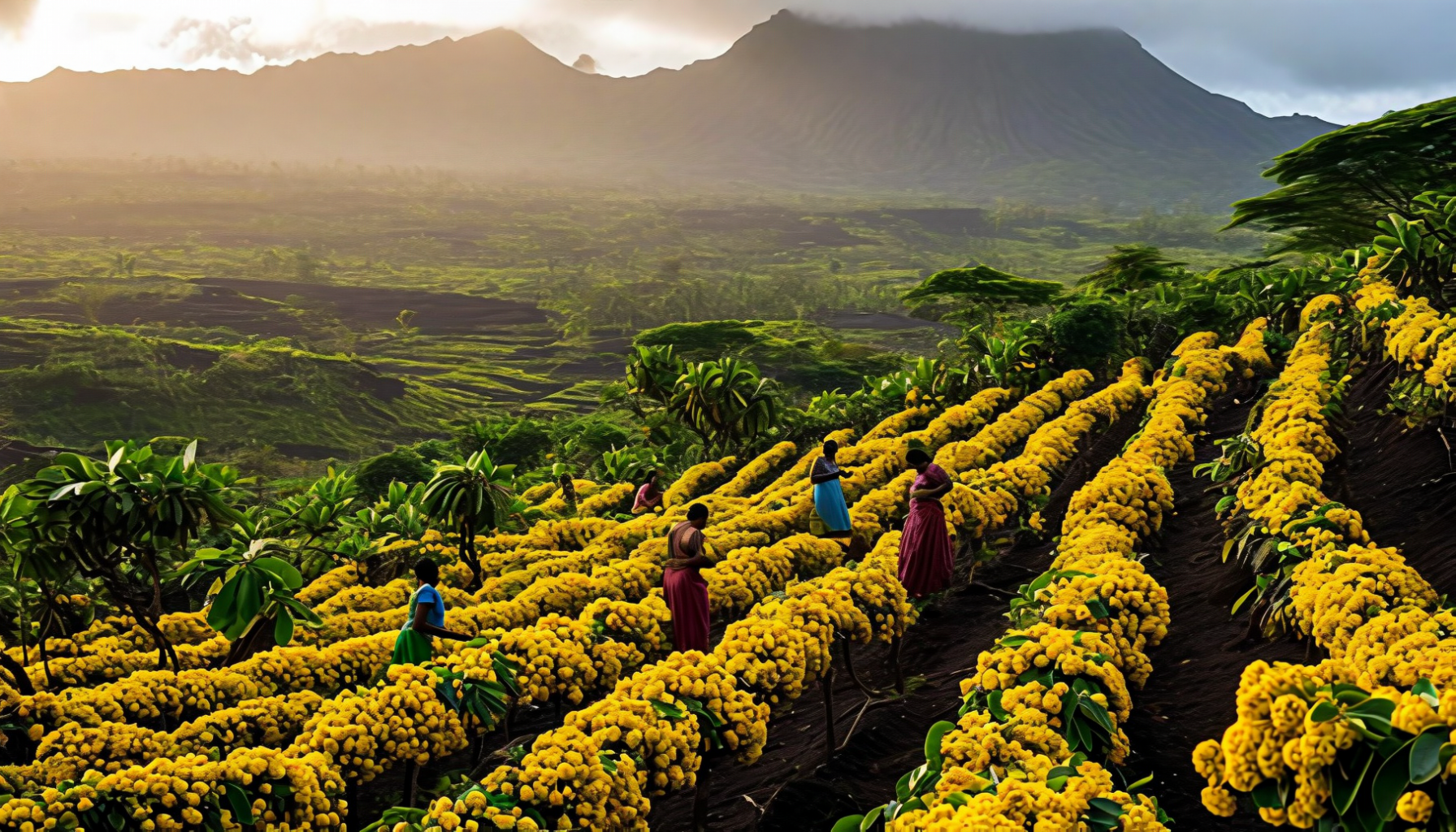
Anjouan, triangular and densely populated, is the greenest of the islands — a landscape of ylang-ylang terraces, clove plantations and sudden waterfalls. The capital Mutsamudu is the country's second city, an atmospheric old port hemmed in by lava cliffs, with a 19th-century citadel, a beautifully preserved old town of coral-rag houses and a lively dhow harbour. Inland, the Dziancoundré and Tatringa waterfalls tumble through forest where black-furred Livingstone's fruit bats — endemic to Anjouan and Mohéli, critically endangered, and with a wingspan of up to 1.4 m among the largest bats on Earth — hang from mango trees. The village of Bambao is the heart of the ylang-ylang distilleries; you can watch the tiny yellow flowers being steamed into the essential oil that scents half the world's luxury perfumes.
🐢 Mohéli (Mwali)
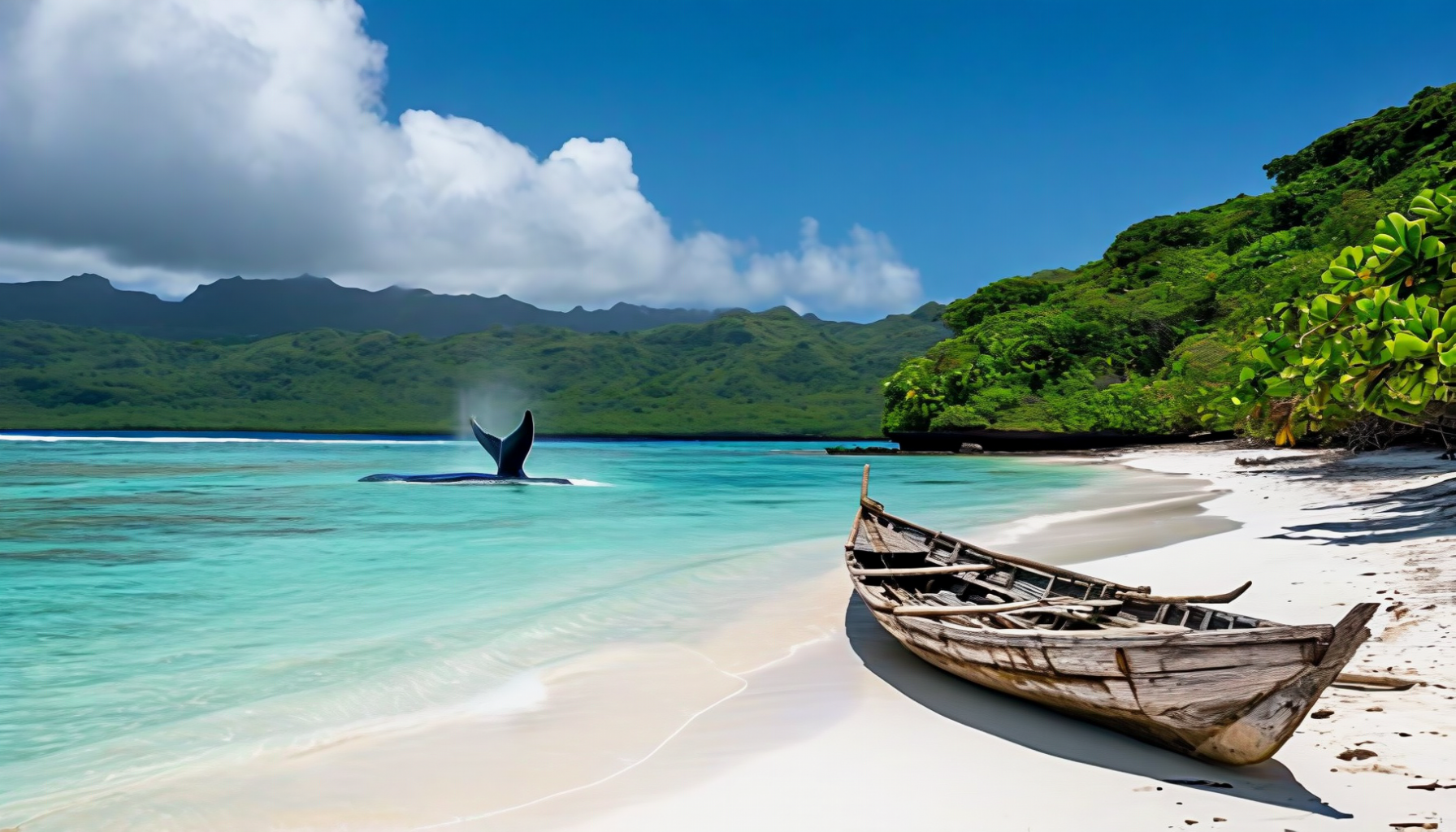
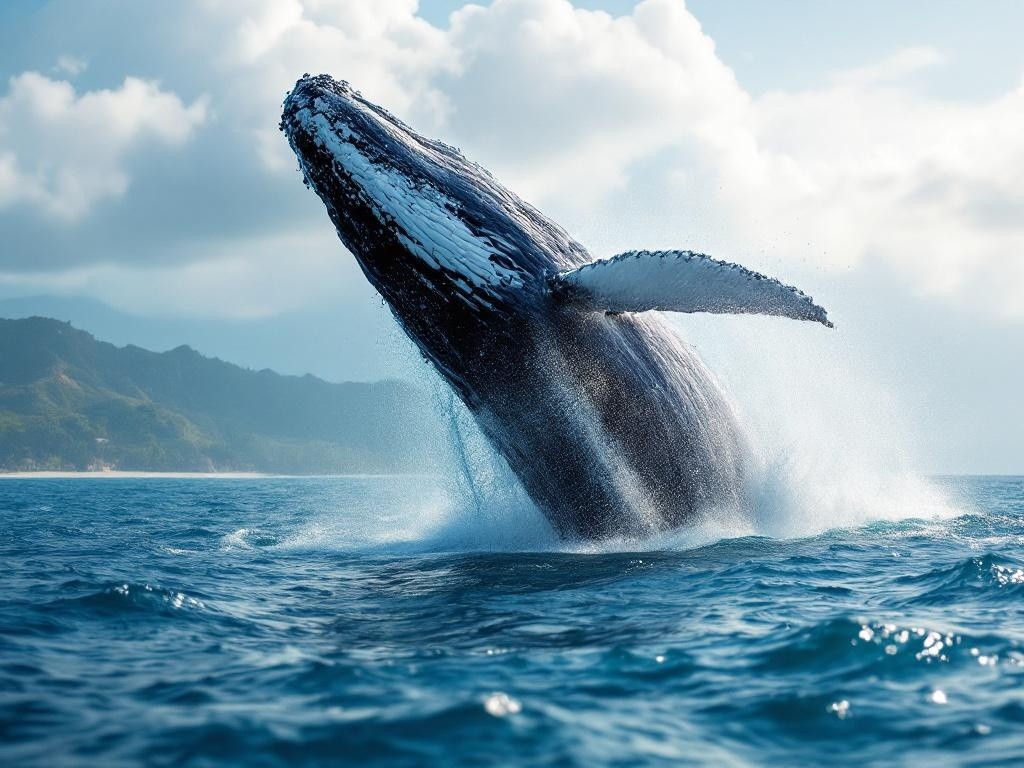
The smallest, quietest and most magical of the Comoros, Mohéli feels like the Indian Ocean as it must have been two centuries ago: no electricity past 10pm, no ATMs, no chain stores — only jungle-backed beaches, pods of humpback whales between July and October, and the extraordinary Mohéli Marine Park. At Itsamia, sea turtles come ashore to nest every night of the year, and a community-run ecolodge lets you watch them in silence by red torchlight. Inland, the dark crater lake of Dziani Boundouni, ringed by rainforest, is one of the eeriest places in Africa — a perfect volcanic cup brimming with jade-green water where the Livingstone's fruit bat and Mohéli scops owl survive nowhere else.
🔥 Mount Karthala
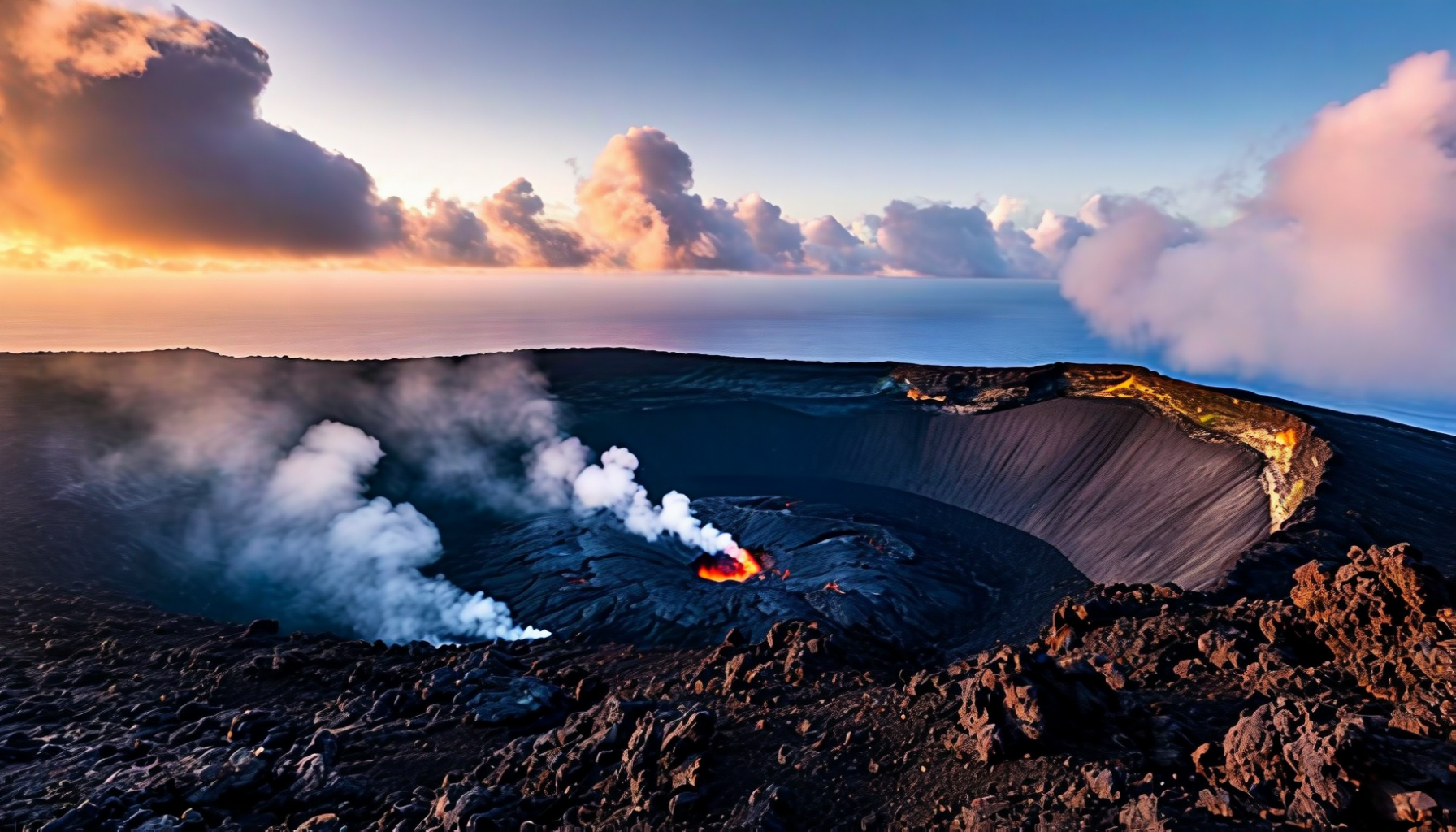
The brooding heart of Grande Comore, Mount Karthala (2,361 m) is one of the world's largest active shield volcanoes, with a caldera more than 3 km wide — one of the biggest on Earth. It has erupted more than twenty times since the 19th century, most recently in 2005, 2006 and 2007, dusting Moroni with ash and filling the air with sulphur. The classic ascent is a demanding two-day trek from Mvouni: up through dense montane rainforest, past tree ferns and wild orchids, to camp on the cold caldera rim in a howling wind. At dawn you descend into the caldera itself — a lunar landscape of black lava, fumaroles and the smaller active cone Chahalé — with the Indian Ocean spread 2,000 metres below. A local guide is mandatory; bring warm clothes, because the summit regularly drops below 10°C at night.
🍽️ Cuisine & Drinks
Comorian cooking is the Indian Ocean in miniature — vanilla, cloves, cardamom and coconut married by Swahili, Arab, Indian and French influence, built around the national dish of lobster flamed in vanilla-infused coconut cream. Alcohol is essentially absent from daily life in this Muslim nation, but that has produced a rich culture of its own: spiced milk-coffee, fresh coconut water, and inventive non-alcoholic "mocktails" built on baobab, tamarind and ylang-ylang.
🍹 Drinks & Mocktails
Dzadza coffee, trembo coconut water, and three island mocktail recipes.
Full guide →🌤️ Climate
The Comoros have a tropical maritime climate with two seasons. The hot and wet kashkazi (November–April) brings monsoon rains from the northwest, occasional cyclones and sticky temperatures around 28–32°C. The cool and dry kusi (May–October) is the traveler's season: clear skies, trade winds from the southeast, temperatures of 23–27°C and the flat calm seas that permit diving, whale watching and safe dhow crossings between islands. August to October is peak humpback-whale season in the channel between Mohéli and Mayotte.
✈️ Getting There
Prince Said Ibrahim International Airport (HAH) sits 20 km north of Moroni and is the only international gateway. Regular connections run from Nairobi (Kenya Airways), Dar es Salaam (Air Tanzania, Precision Air), Addis Ababa (Ethiopian Airlines), Saint-Denis de la Réunion (Air Austral), Dzaoudzi on Mayotte (Ewa Air) and, seasonally, Istanbul (Turkish Airlines, via the Seychelles) — there is no direct flight from the United States; Americans typically connect via Addis Ababa, Nairobi or Istanbul, or via Paris and Réunion. Flights are often delayed or cancelled — build at least one buffer day into your itinerary in each direction. Inter-island flights by AB Aviation and Int'Air Îles (plus Precision Air's Dar es Salaam–Anjouan service) connect Moroni, Ouani (Anjouan) and Bandar Es Salam (Mohéli) in 20–40 minutes, but safety records are poor — an AB Aviation Cessna Caravan crashed into the sea off Mohéli on 26 February 2022, killing all 14 on board, and an Int'Air Îles Embraer ditched off Moroni in 2012 (everyone survived). Experienced travelers prefer the overnight dhow or the occasional fast ferry, in calm season only.
📋 Practical Information
For US citizens: a 45-day tourist visa is issued on arrival at Moroni airport for €30 (payable in euros cash — not dollars). Bring a passport valid at least 6 months and a printed onward ticket. There is no US embassy or consulate in the Comoros; the nearest US diplomatic support is the Embassy in Antananarivo, Madagascar. Register your trip with the State Department's STEP program before departure, since consular assistance in an emergency will be slower and more limited than in most destinations.
Currency: the Comorian franc (KMF) is pegged to the euro at roughly 492 KMF = €1. Euros are widely accepted; American dollars are not, and American credit and debit cards essentially do not work anywhere — the Comoros are one of only a handful of countries worldwide, alongside Bhutan and North Korea, where Visa and Mastercard have no real presence. ATMs exist only in Moroni and Mutsamudu and are unreliable — bring euros in cash.
Language: French will get you everywhere administrative; a few words of Shikomori (bariza = hello, marahaba = thank you) earn huge smiles. English is rarely spoken outside a handful of hotels.
Health: malaria is present year-round; take prophylaxis. A yellow-fever certificate is required if arriving from an endemic country. Drink bottled water.
Safety: the Comoros are very safe from violent crime by regional standards but politically fragile — protests in Moroni after the disputed January 2024 election turned violent, and the president himself was stabbed at a funeral in September 2024. Petty theft, spontaneous demonstrations and very limited healthcare are the real risks; carry a first-aid kit and a plan for medical evacuation.
Electricity & connectivity: 220V, French-style plugs, frequent power cuts (bring a power bank). Comores Telecom and Telma sell cheap 4G SIMs at the airport.
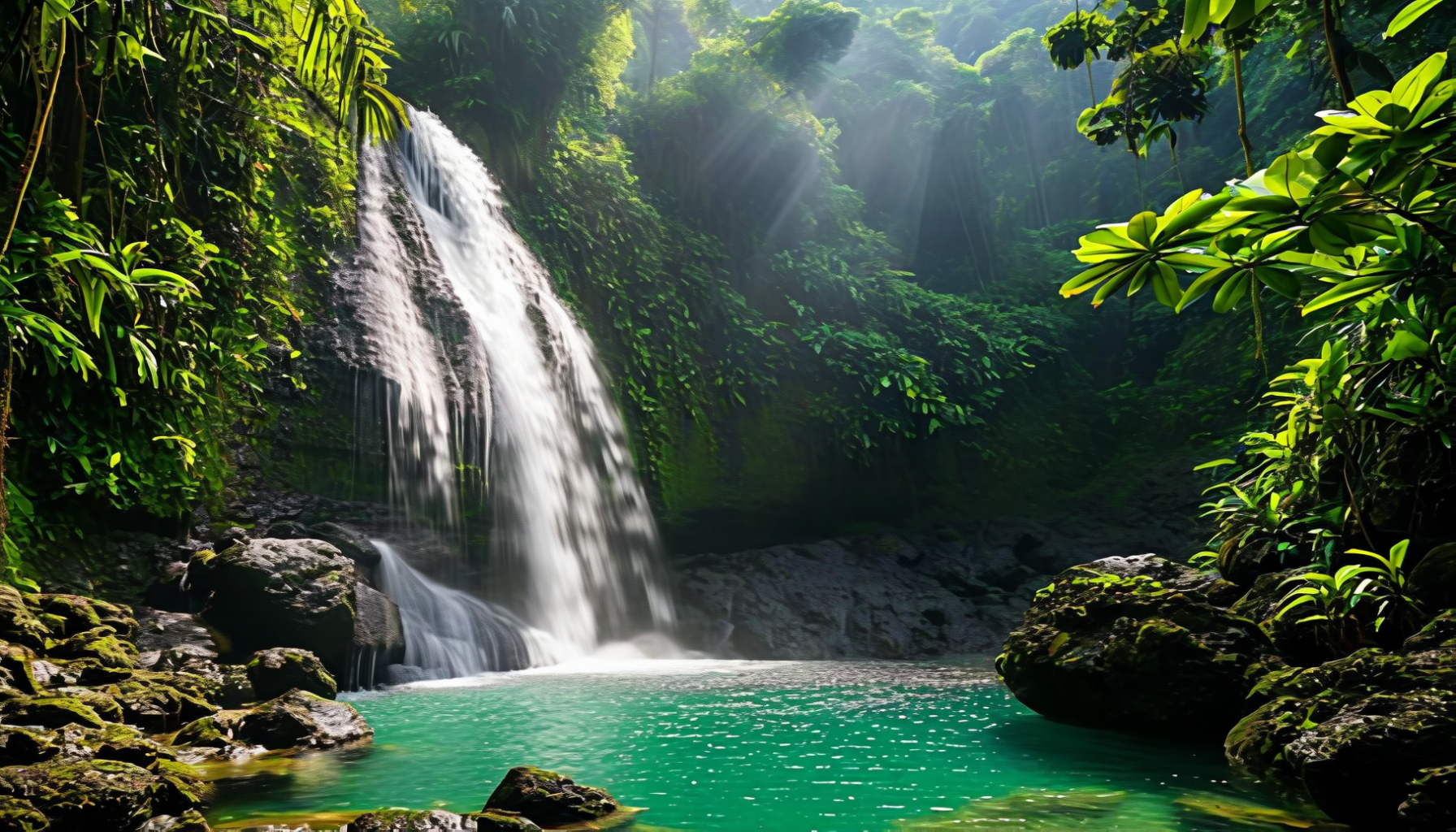
Anjouan's Waterfalls
The greenest of the three islands, thick with ylang-ylang and clove
💰 Cost of Living
The Comoros are not cheap by African standards — almost everything is imported. A simple local meal in a gargote runs 2,000–4,000 KMF (€4–8); a seafood dinner in a Moroni hotel 12,000–25,000 KMF (€25–50). Budget guesthouses cost €20–35 a night; mid-range hotels €60–120; the few upscale beach lodges on Mohéli or Itsandra start around €150. A 4x4 rental is €50–80 a day (essential on Anjouan). Inter-island flights cost €80–150 one-way; the overnight dhow between Moroni and Mutsamudu is around €15 if you can stomach it. Budget travelers should plan on €45–60 a day all-in; comfortable travelers €120–180.
🏨 Accommodation
There are no international chain hotels in the Comoros. The best addresses are the Retaj Moroni Hotel (Qatar-managed, the only true 4-star in the country), the Golden Tulip Moroni, the historic Itsandra Beach Hotel (colonial-era, volcanic beach), and on Anjouan the charming Al Amal Hotel in Mutsamudu. On Mohéli the unmissable experience is Laka Lodge at Nioumachoua — solar-powered bungalows on the beach with the marine park at the doorstep. In villages everywhere, local families will happily host visitors for €15–25 a night including meals; ask at the mosque.
🎉 Festivals & Events
Islamic holidays set the calendar: Eid al-Fitr and Eid al-Adha are the two biggest family feasts, and Ramadan transforms daily life for a month (restaurants close during daylight; evenings are magical). Independence Day (6 July) brings parades and flag ceremonies. The Grand Mariage season (July–September) fills the villages of Grande Comore with weeks-long celebrations, with drumming, singing and giant communal feasts that tourists are often warmly invited to watch — and sometimes join. The Mawlid (Prophet's birthday) is celebrated with recitations and night-long chanting at the big mosques. On Mohéli, July marks the start of humpback whale season, and Itsamia hosts informal turtle-nesting tours under the full moons of August and September. Looking further out, the archipelago is preparing to host the 2027 Indian Ocean Games, its highest-profile international event to date.
🎒 Packing Tips
Pack light, conservative clothing that covers shoulders and knees (this is a Muslim country); a light rain jacket even in the dry season; sturdy trail shoes for Karthala; a head torch for the frequent power cuts; a universal plug adapter (French type E); a power bank; reef-safe sunscreen; a snorkel and mask (rentals are rough); a small first-aid kit with anti-malarials and rehydration sachets; euros in small denominations; and a printed copy of your hotel booking, since airport wifi is usually down. Women should bring a lightweight scarf to drape over the head when visiting mosques.
🌐 Useful Resources
Official Comoros Tourism: tourisme.gouv.km · Mohéli Marine Park: parc-marin-moheli.org · AB Aviation inter-island flights: abaviation.com · For American travelers: the US State Department's Comoros page at travel.state.gov is the most reliable source given the absence of a local embassy · UK FCDO travel advice: gov.uk/foreign-travel-advice/comoros · French Foreign Ministry (best current information, in French): diplomatie.gouv.fr/comores.
📚 Recommended Reading
The Comoro Islands: Struggle Against Dependency in the Indian Ocean by Malyn Newitt (1984) — the classic history. Historical Dictionary of the Comoro Islands by Martin and Harriet Ottenheimer (Scarecrow Press) — the reference work. La République des Imberbes by Mohamed Toihiri (1985), the first Comorian novel, a satire of the Ali Soilih years. Bob Denard's own memoir Corsaire de la République for the grim mercenary chapter. For fiction, the Comorian-French novelist Soeuf Elbadawi and the poet Nassur Attoumani are essential reading.
🎬 Videos About Comoros
🔬 Fascinating Facts
🌺 Chanel No. 5's Secret
The Comoros produce the world's finest ylang-ylang essential oil — the signature top note in Chanel No. 5 — and perfume exports account for a significant slice of GDP.
🐟 A Living Fossil
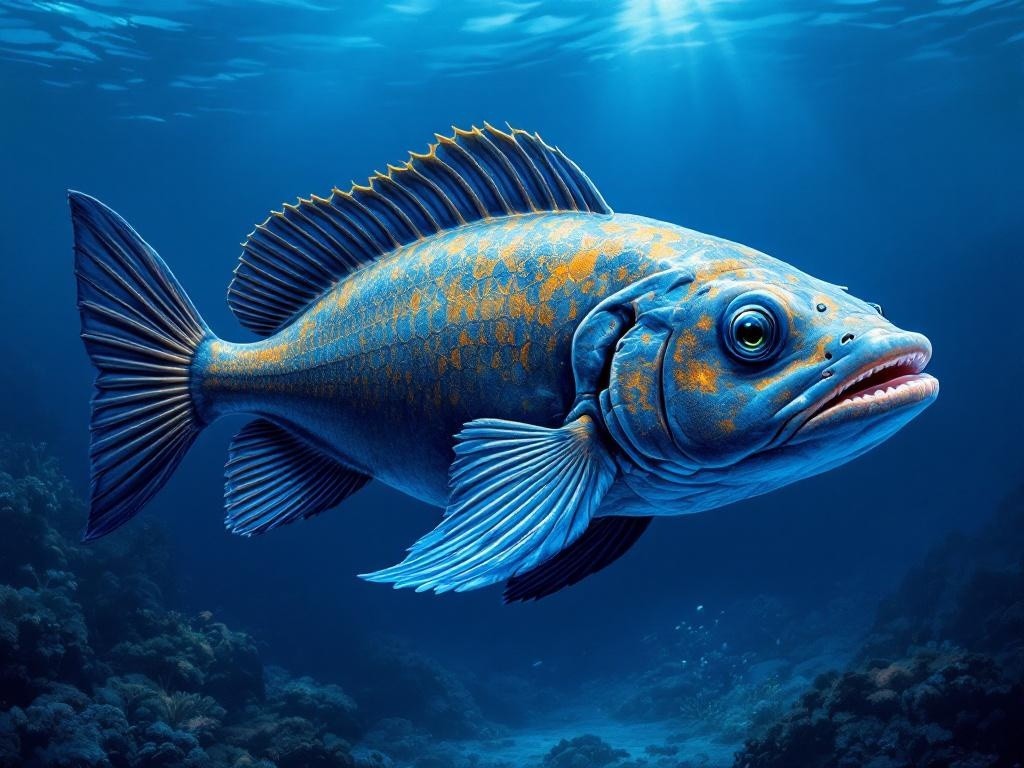
The coelacanth, thought extinct for 65 million years, was rediscovered alive off South Africa in 1938 — and found in real breeding numbers only around Grande Comore in 1952.
🌋 A Giant Caldera
Mount Karthala's caldera, over 3km wide, is one of the largest active volcanic craters on Earth.
🏴☠️ Four Coups, One Man
French mercenary Bob Denard seized power in the Comoros four separate times — the last, in 1995, at age 66.
⭐ Four Stars, Three Flags
The national flag carries four stars, one for each island of the historical archipelago — even though France still administers Mayotte, the fourth.
🏛️ A President in Busan
When the Medinas of the Historic Sultanates became the country's first World Heritage Site on 25 July 2026, Azali Assoumani sat in the Committee hall himself — the first sitting head of state ever to attend the inscription of his own country's first site.
💳 No Cards Accepted
The Comoros are one of only a handful of countries anywhere, alongside Bhutan and North Korea, with no real Visa or Mastercard presence at all.
⭐ Notable People
Said Mohamed Cheikh (1904–1970) — the country's first great politician and founder of the autonomous Comorian government. Ahmed Abdallah — declared independence in 1975 and was assassinated in 1989. Azali Assoumani — the current president and former army colonel, first installed by coup in 1999, out of office 2006–2016, and in power again since 2016; he survived a knife attack in September 2024. Ahmed Abdallah Sambi — president 2006–2011, the cleric-businessman now serving a life sentence for the passport-sale scandal. Nassur Attoumani — playwright and poet, the country's foremost living writer. Nawal (Nawal Mlanao) — internationally known singer and composer whose music blends Comorian taarab with Sufi trance. Chaker Alhadhur — the defender who pulled on the gloves against Cameroon at AFCON 2021 when Covid and injury left the Coelacanths without a single goalkeeper, and became a national folk hero in a 1–2 defeat. El Fardou Ben — the captain and striker who opened the scoring in the 3–2 win over Ghana at that tournament. And the French-Comorian comedian Soprano (Saïd M'Roumbaba), whose family hails from Grande Comore.
⚽ Sports
Football is the national obsession. The Comoros national team, nicknamed Les Cœlacanthes (the Coelacanths), stunned African football by qualifying for the 2021 Africa Cup of Nations — their first ever — and reached the Round of 16 against Cameroon after beating Ghana 3–2 in the group stage, one of the great upsets in AFCON history — then lost that last-16 tie 1–2 with defender Chaker Alhadhur in goal, both keepers ruled out by Covid and injury. The Coelacanths went one better in qualifying for AFCON 2025 in Morocco (played December 2025–January 2026): they topped their qualifying group unbeaten ahead of Tunisia, then in Group A lost 0–2 to the hosts, drew 0–0 with Zambia and 0–0 with Mali in Casablanca on 29 December 2025, finishing third and going out. In 2026 World Cup qualifying they won five of ten matches, including a home victory over Ghana, but did not qualify. Next up is the biggest sporting event the islands have ever staged: the 12th Indian Ocean Island Games, Moroni, from 24 August 2027, with 18 disciplines and a Chinese-built 50 m pool — regional inspectors have already warned that construction is behind schedule. Every village has a dusty pitch and a Saturday match. Traditional sports include mrenge (stick fighting) and dhow racing between Mohéli and Grande Comore. Scuba diving, whale-watching and game fishing are the main tourist sports.
📰 Media & Press Freedom
The Comorian media landscape is small and fragile. State broadcaster ORTC runs the main radio and television service; the leading private newspapers are Al-Watwan (government-owned, daily) and La Gazette des Comores. Reporters Without Borders ranks the Comoros 72nd of 180 in its 2026 World Press Freedom Index (score 60.23), up from 75th in 2025 — a middling position that reflects a 2021 Information Code, press cards issued for the first time in 2025, and a parliament that in 2025 struck out a clause that would have forced journalists to reveal sources, set against persistent self-censorship under heavy defamation penalties and the habit of hauling reporters to the gendarmerie for a "night at the brigade". In June 2026 La Gazette journalist Toufé Maecha was detained and charged with disturbing public order over a report on the health of jailed ex-president Sambi. French-language coverage from RFI and France 24 is widely followed.
📸 Photo Gallery
Been to Comoros? Share your photos! Send to photos@kaufmann.wtf to be featured.
✍️ Author's Note
I arrived in Moroni on a flight that was four hours late, in a downpour that turned the lava streets into steaming black mirrors. The airport ATM was broken. The hotel phone was broken. My SIM card would not register. For about an hour I stood under a fig tree wondering what I had done. Then an old man in a white kanzu walked over, asked me in careful French where I was going, hailed a cousin in a battered Peugeot, negotiated the fare down to a third of what I had been quoted, and waved us off with a hand on his heart.
That, I came to learn, is the Comoros. Nothing works the way it is supposed to, and somehow everything works anyway — through kindness, through cousins, through the slow patience that a thousand years of monsoon trade has built into these islands. I climbed Karthala and shivered on its rim watching dawn break over the Mozambique Channel. I drank dzadza at five in the morning outside the Badjanani Mosque while the muezzin's voice bounced off the black lava walls. I watched a humpback whale breach twice in the span of a breath off the beach at Nioumachoua, so close I felt the spray on my face, while Comorian children laughed at me for crying.
The Comoros will not sell themselves to you. They do not have the beaches of the Seychelles or the lodges of Zanzibar or the brochures of Mauritius. What they have is older and rarer — a living Swahili-Arab-African civilization at the edge of the map, where the air itself smells of ylang-ylang and cloves, where strangers are treated as honored guests, and where the last coelacanth still swims in the dark under the volcano. Go, and go soon.
—Radim Kaufmann, 2026
Support This Project 🌍
This World Travel Factbook is a labor of love – free to use for all travelers. If you find it helpful, consider supporting its continued development.
