🌍 Thailand at a Glance
A kingdom of many landscapes
Thailand stretches from the mountains of the north across the Chao Phraya plain and the Khorat Plateau to a long southern peninsula. Myanmar, Laos, Cambodia and Malaysia are its land neighbors; the Andaman Sea and the Gulf of Thailand shape different coasts and different journeys. Bangkok connects these regions, but no single city, beach or slogan can stand for the whole country.
The official English name is the Kingdom of Thailand; in Thai, ประเทศไทย is the everyday name. Thai is the official language and uses its own script. The country covers about 513,120 km². The National Statistical Office records 65,951,210 registered residents for 2024: a civil-registration figure, not an estimate of everybody living in Thailand.
Sources: NSO · Statistical Yearbook 2025, table 1.4 · Tourism Authority of Thailand
History, monarchy and the modern state
Sukhothai, Ayutthaya and the northern kingdom of Lanna left different artistic and political legacies. Ayutthaya was a trading capital with international communities before its destruction in 1767. Bangkok became the capital in 1782. Siam retained formal independence during European colonial expansion, but diplomatic pressure and territorial concessions make the familiar “never colonized” phrase an incomplete history.
The 1932 change of government ended absolute monarchy. Today's constitutional monarchy exists within a political history shaped by elections, military interventions and constitutional change. Temples, royal institutions, factories, universities and everyday neighborhood life all belong to the same modern country. Respect for the monarchy is also a legal matter; visitors should read current official advice rather than assume the rules match those at home.
Sources: UNESCO · Thailand country register · FCDO · Thailand safety and security
People and everyday culture
Theravada Buddhism is deeply visible, but Thai society also includes Muslim, Christian, Hindu and other communities. Lao-speaking communities in Isan, Khmer-speaking communities in the northeast, Malay-speaking communities in the south, northern highland peoples, Chinese Thai families and migrant workers contribute to a varied society. Regional identity is not a tourist costume. Ask before photographing people or entering ceremonies.
At temples, cover shoulders and knees where required and remove shoes when signs or hosts ask. Avoid pointing feet at sacred images; do not touch someone's head casually. A smile may express courtesy, discomfort or reassurance as well as happiness. Markets allow some negotiation, while posted prices in shops usually stand. Nightlife districts and sex tourism do not represent the whole country; treat workers and residents with the same respect and privacy as anyone else.
Sources: Tourism Authority of Thailand
Bangkok: layers beyond the traffic
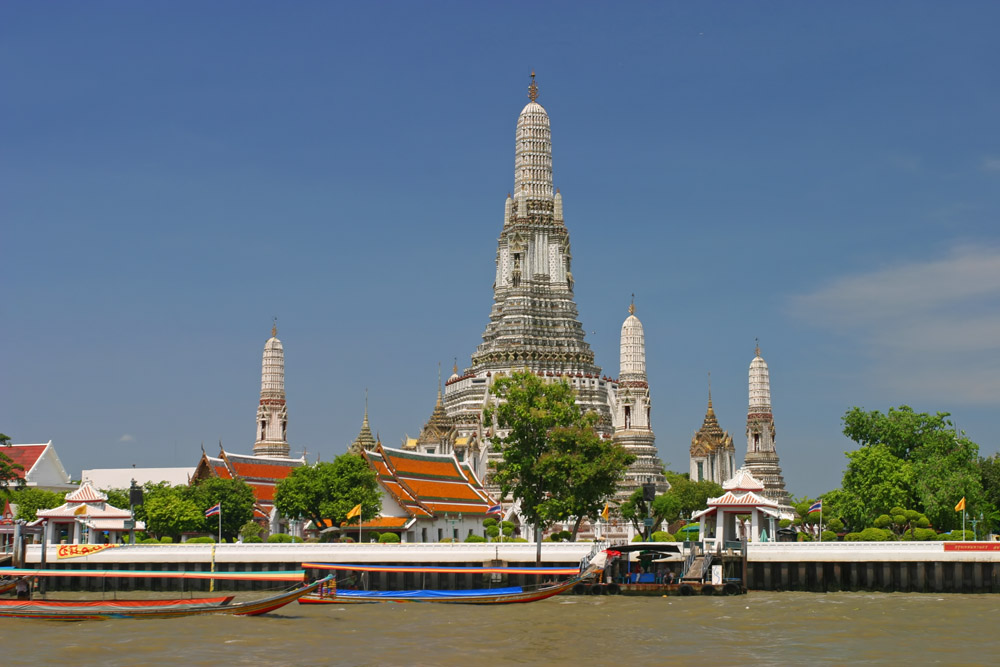
Heat, traffic and a dense streetscape can make a first day feel overwhelming. Build it around one neighborhood rather than crossing the city repeatedly. The Grand Palace and Wat Phra Kaew express royal and religious history; nearby Wat Pho is known for its reclining Buddha and massage tradition. Across the Chao Phraya, Wat Arun's prang defines a very different silhouette. These are active sacred places with entry and dress requirements.
Yaowarat offers a Chinatown streetscape of shops, shrines and evening food stalls. Chatuchak is a weekend market; Sukhumvit shows another Bangkok of offices, apartments, malls and restaurants along the elevated railway. River boats, BTS and MRT can make more sense than sitting in road traffic. Check the operator's current route and final service instead of planning around an old fare or timetable.
Sources: TAT · Bangkok
The north and Isan
Chiang Mai's old city brings together Wat Phra Singh, Wat Chedi Luang and Wat Chiang Man; Doi Suthep rises above the urban plain. Cooking classes, walking routes and the surrounding countryside extend a stay beyond a temple checklist. Pai offers a smaller mountain-town base, with hot springs and walking country; Chiang Rai is associated with Wat Rong Khun and the wider Golden Triangle region. Distances on winding mountain roads deserve generous time.
Isan, the northeastern plateau, has its own rhythm of rice fields, regional cities, Mekong river towns and Lao-linked language and food traditions. Ban Chiang and Phu Phrabat reveal histories quite unlike Bangkok's royal monuments. Khon Kaen, Udon Thani and Ubon Ratchathani are useful starting points for different parts of this large region. When choosing elephant experiences, examine the actual treatment of animals instead of accepting the word “sanctuary” as a guarantee.
Sources: Tourism Authority of Thailand · UNESCO · Thailand country register
The south, islands and protected nature
On the Andaman side, Phuket combines busy resort districts with an old town shaped by trade. Krabi and Ao Nang give access to limestone coastlines; Railay is reached by boat. Phi Phi, Lanta and Lipe have distinct settings and very different levels of access and development. Offshore Similan and Surin visits depend on national-park seasons and sea conditions.
In the Gulf, Samui has a substantial tourism infrastructure; Phangan includes communities and quiet coasts beyond its party reputation, and Tao is known for diving. A dive operator's training standards, insurance and conservation practices matter more than a claim to be the cheapest. Inland forests and marine parks are habitats, not guaranteed wildlife performances. Follow closures, do not feed wildlife, and give reefs and nesting areas space. The Muslim south has its own religious and cultural life; regional security restrictions must be checked separately from beach-resort advice.
Sources: Tourism Authority of Thailand · FCDO · regional risks
Entry requirements · checked 26 September 2026
For tourism, ordinary U.S. and Czech passport holders are included in the visa-exemption list allowing stays of up to 30 days from 15 September 2026. The former general “93 countries / 60 days” statement is obsolete. Check your nationality, passport category, purpose and permitted stay against the current consular rules; an entry stamp determines the authorized stay.
Non-Thai travelers generally submit the Thailand Digital Arrival Card within the three days before arrival, including the arrival date. TDAC is an arrival declaration, not a visa. Use the Immigration Bureau's official portal and check its exemptions and instructions before submitting. Longer stays, employment and other purposes require separate verification.
Sources: Department of Consular Affairs · effective 15 September 2026 · Royal Gazette · 31 August 2026, pp. 31–34 · Immigration Bureau · TDAC manual
Getting around, seasons and costs
Bangkok's BKK and DMK are separate airports: leave a generous transfer margin and check which one is on your ticket. Domestic flights, intercity buses and trains connect much of the country, but islands usually add a ferry or boat leg. Book through the actual carrier or a clearly identified agent. Do not assume that an advertised U.S.–Thailand itinerary is nonstop, or that old low-cost fares still apply.
November to February is often comfortable in much of northern and central Thailand, while March to May can be very hot. Rain patterns differ between the Gulf and Andaman coasts; a national “best season” is too simple. Mountain smoke and urban air pollution can disrupt outdoor plans. Check daily air quality, weather and park notices.
The currency is the baht (THB); Thailand uses UTC+7 and drives on the left. Build a budget in baht from current accommodation, transport and activity quotes, with room for insurance, bank fees and changes of plan. Island transfers and peak-season rooms can cost much more than the same category on the mainland. Keep a way to pay when a small business does not accept your card.
Sources: Tourism Authority of Thailand · FCDO · Thailand safety and security
Safety and a slower itinerary
Road collisions, especially involving motorcycles, are a major travel risk. Use appropriate licensed transport, helmets and insurance that covers the activity. At sea, obey warning flags and cancellations. Do not follow an unsolicited claim that a major attraction is closed into a shopping or gem-sales detour. Avoid demonstrations, protect drinks and valuables, and do not assume that familiar substances are legal: drug penalties can be severe and royal-defamation laws are strict.
As checked on 26 September 2026, FCDO advises against all but essential travel to Pattani, Yala, Narathiwat and four southern Songkhla districts: Chana, Thepa, Na Thawi and Saba Yoi, including the affected Hat Yai–Padang Besar rail route. Consult the linked advice for the full current scope and insurance implications.
Thailand rewards leaving room between destinations: a neighborhood market, a museum, an unhurried meal and a conversation can reveal more than another rushed transfer. Pair the capital with one region and one coast before adding a long checklist. The pages on food, heritage and business offer different ways to understand what lies beyond a resort itinerary.
Sources: FCDO · Thailand safety and security · FCDO · regional risks
Reviewed 26 September 2026. Check current entry and visitor rules before traveling.