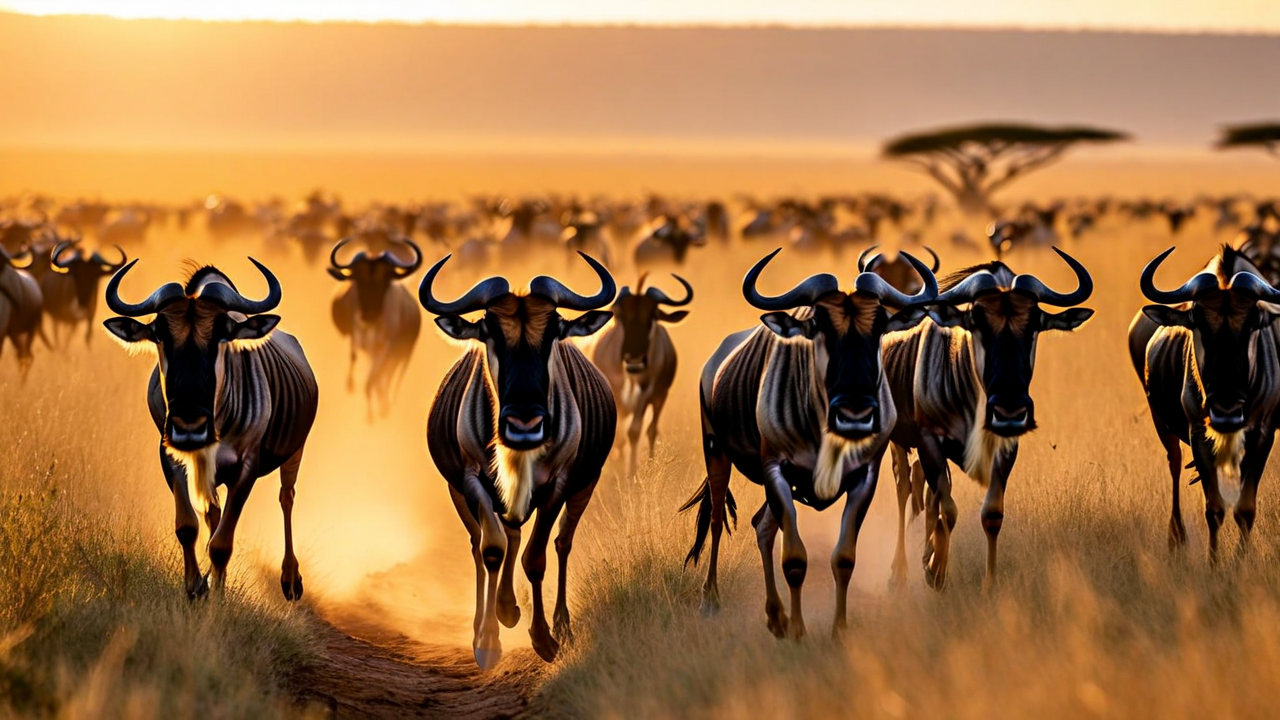
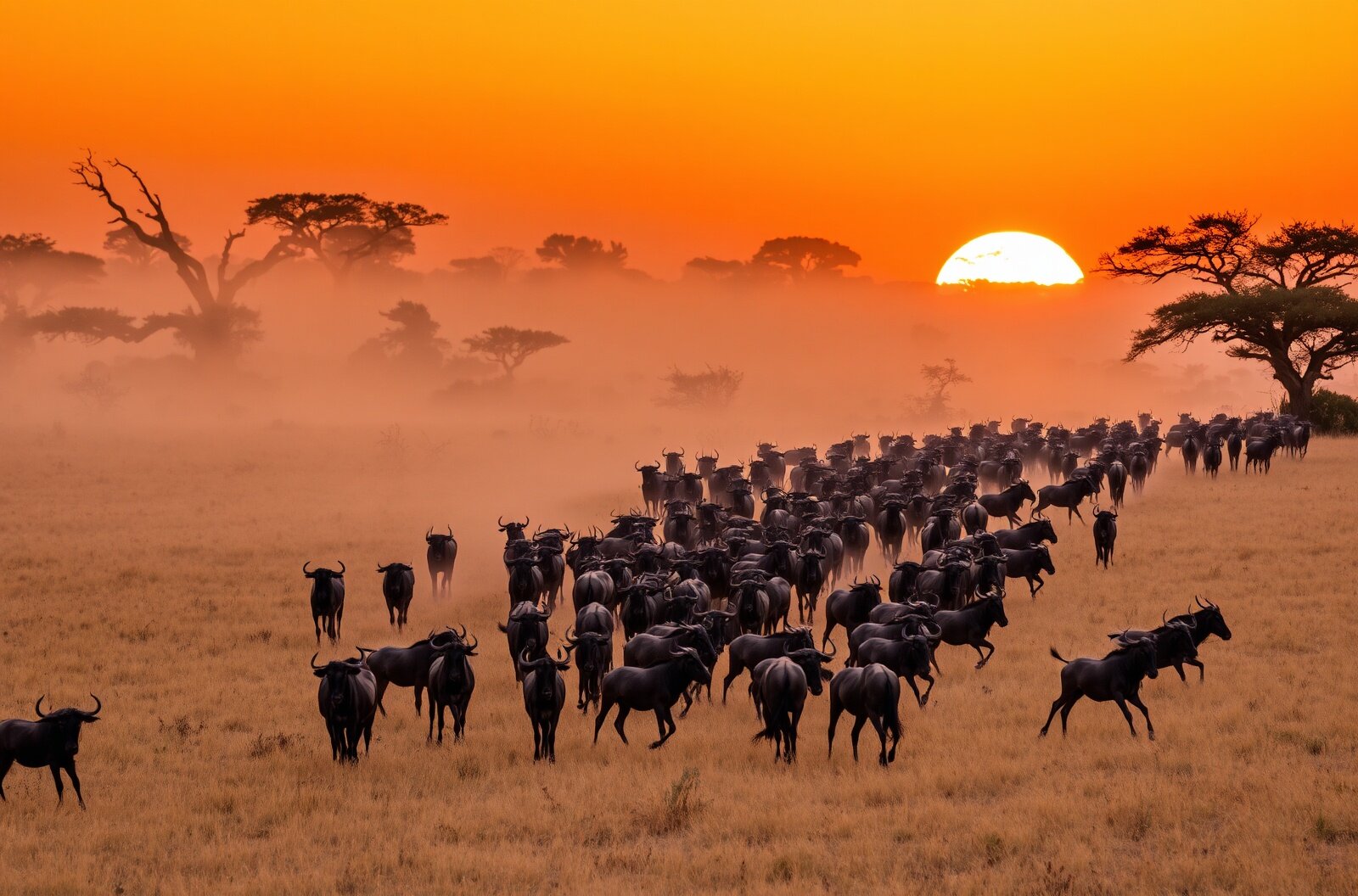
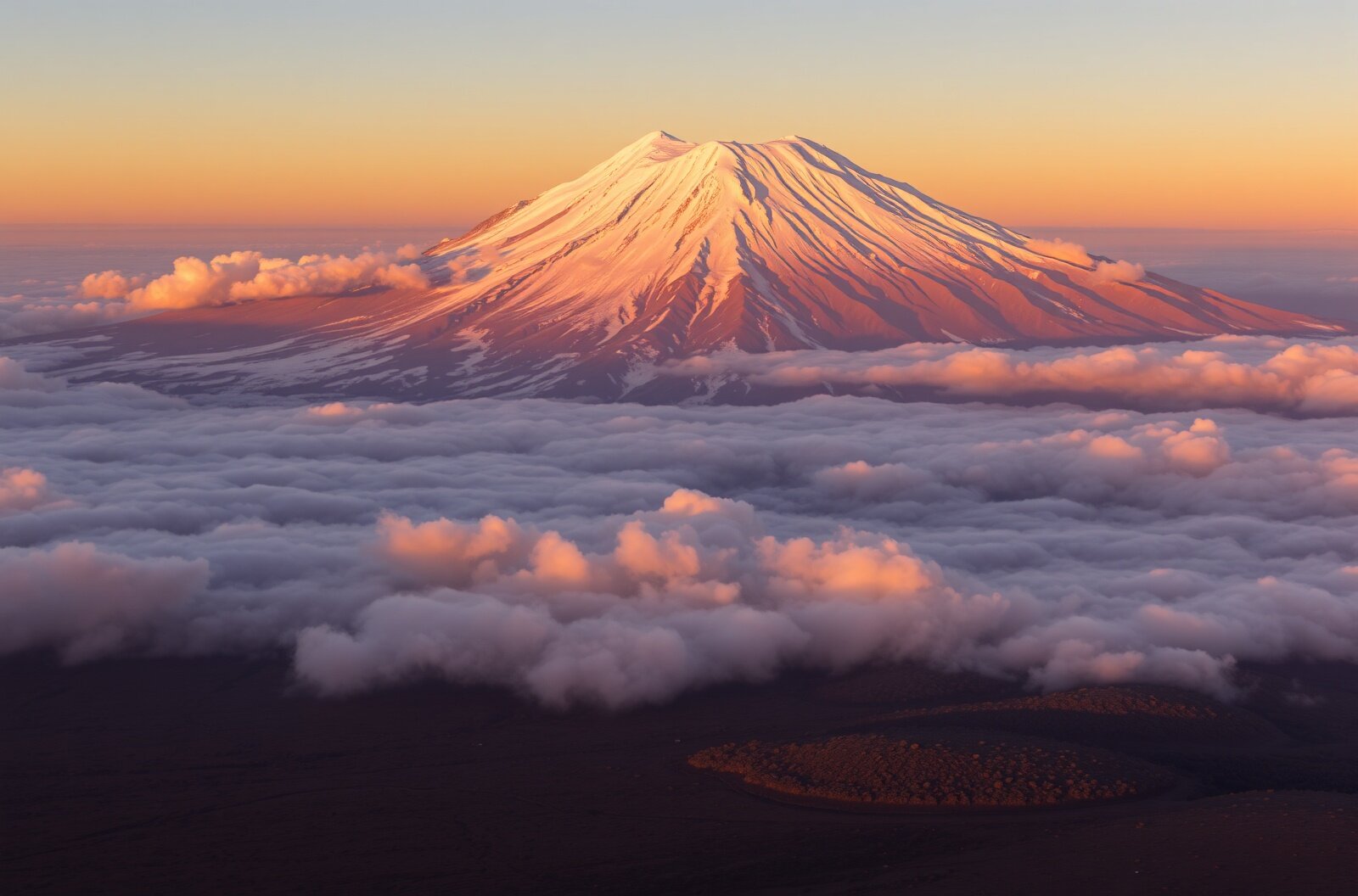
Mount Kilimanjaro (5,895m) is Africa's tallest peak and the world's highest free-standing mountain. Tanzania is also home to the Great Wildebeest Migration — over 1.5 million animals crossing the Serengeti annually.
⚡ Key Facts
🏛️
Dodoma
Capital
👥
65.5 million
Population
📐
945,087 km²
Area
💰
TZS (Shilling)
Currency
🗣️
Swahili, English
Language
🌡️
Tropical
Climate
⛰️
5,895m
Kilimanjaro
🌍
7 Sites
UNESCO
01
Overview
Tanzania is East Africa's crown jewel — a country of staggering natural superlatives where the world's greatest wildlife migration thunders across golden savannas, where Africa's tallest mountain rises from tropical plains to glacial summit, and where the spice-scented alleys of Stone Town whisper of centuries of Indian Ocean trade. Few countries on Earth pack so much natural spectacle into a single border.
From the vast Serengeti plains and the wildlife-packed Ngorongoro Crater to the palm-fringed beaches of Zanzibar and the wild chimpanzee forests of Mahale, Tanzania offers an extraordinary range of experiences. Dar es Salaam pulses with the energy of one of Africa's fastest-growing cities, while Maasai pastoralists still walk their cattle across landscapes little changed in millennia. Whether you come for the Big Five, the mountain, or the beach, Tanzania delivers a depth of experience that transforms first-time visitors into lifelong Africa devotees.
02
Name & Identity
Tanzania was born in 1964 from the union of two newly independent nations: Tanganyika (mainland) and Zanzibar (the islands). The portmanteau name combines "Tan" from Tanganyika, "Zan" from Zanzibar, and "ia" as a suffix. Tanganyika itself derives from the Swahili words "tanga" (sail) and "nyika" (wilderness) — "sail in the wilderness" — a poetic description of Lake Tanganyika's vast waters.
National identity is strongly shaped by Swahili language and culture — Tanzania is one of the few African nations where a single African language genuinely unites all ethnic groups. Julius Nyerere, the founding father known as "Mwalimu" (Teacher), deliberately promoted Swahili as a tool of national unity, and his philosophy of ujamaa (familyhood) continues to influence Tanzanian identity even decades after its economic policies were abandoned.
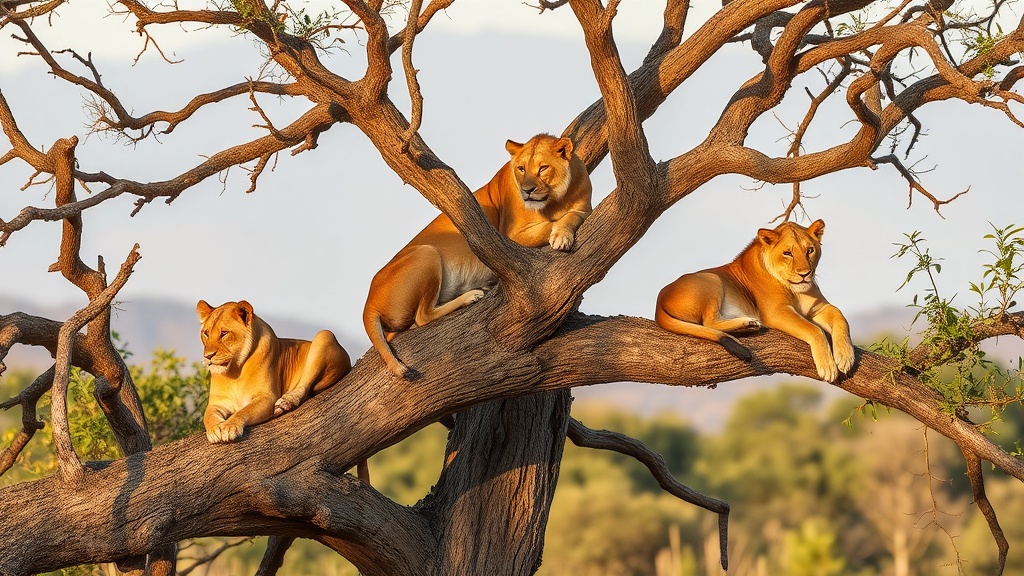
🦁 Lake Manyara's Tree-Climbing Lions
One of only two known populations of lions that regularly climb and sleep in trees
03
Geography & Landscape
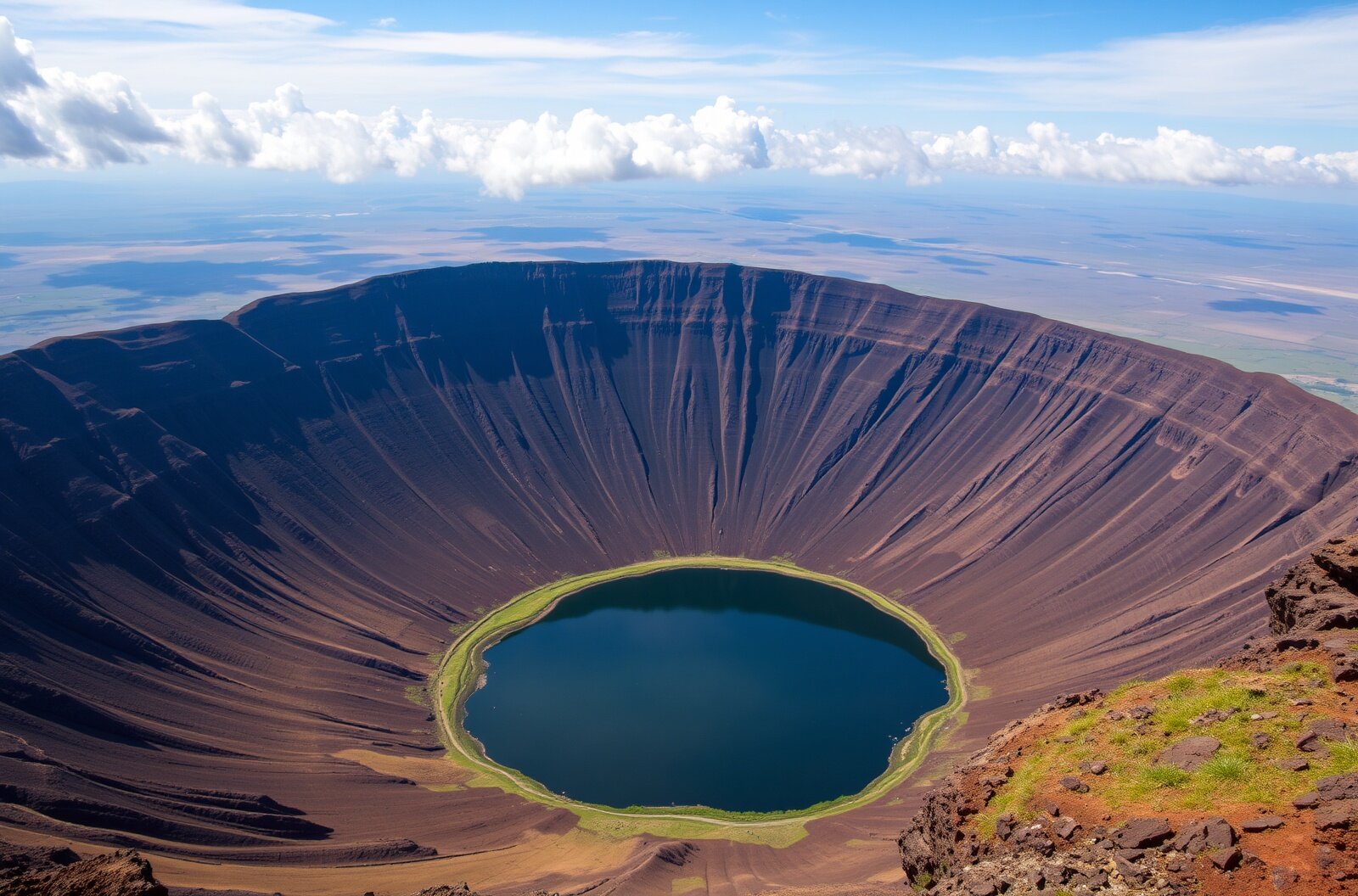
Tanzania's geography reads like a checklist of African superlatives. Mount Kilimanjaro (5,895m) dominates the northeastern skyline as Africa's highest point. The Serengeti-Mara ecosystem covers 30,000 km² of grasslands. The Ngorongoro Crater — the world's largest unbroken caldera — creates a natural amphitheatre teeming with 25,000 large animals. Lake Tanganyika, the world's second-deepest lake at 1,470m, forms the western border.
The Great Rift Valley carves through the country, creating Lakes Manyara, Eyasi, and Natron — the latter famous for its flamingo colonies and the eerie "petrified" bird carcasses created by its alkaline waters. The eastern coast stretches 1,424 km along the Indian Ocean, with Zanzibar, Pemba, and Mafia islands offering coral reefs and white sand. In the south, the Selous (Nyerere National Park) is Africa's largest game reserve, while the remote Katavi and Ruaha parks offer wilderness experiences far from the northern circuit crowds.
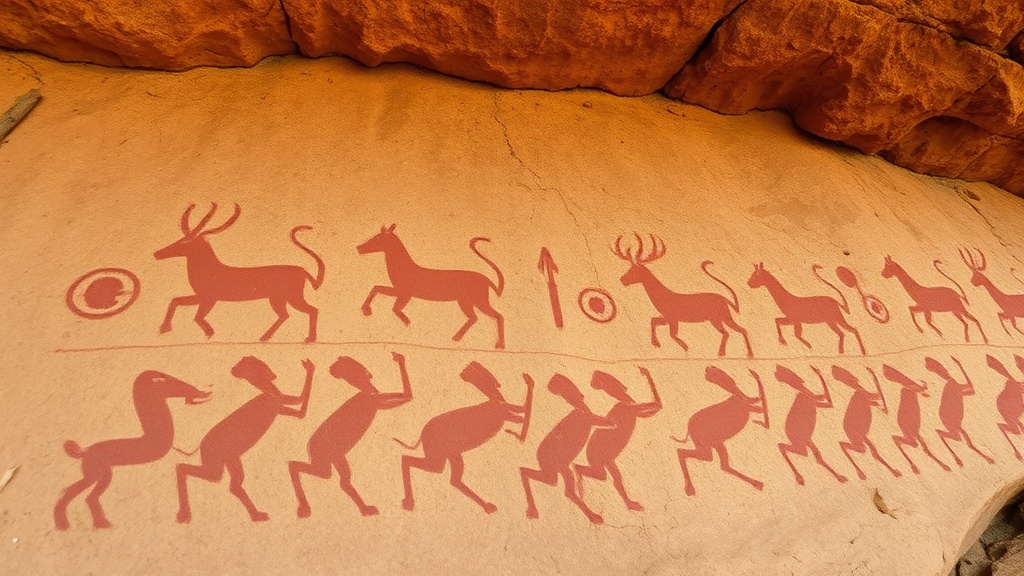
🎨 Kondoa Rock Art
UNESCO World Heritage paintings spanning 2,000+ years of human expression
04
History
Tanzania's Olduvai Gorge is often called the "Cradle of Mankind" — the Leakey family's discoveries here of 1.8-million-year-old Homo habilis remains and the Laetoli footprints (3.6 million years old) revolutionized understanding of human evolution. Coastal Tanzania was a major node in Indian Ocean trade networks for over 2,000 years, with Swahili city-states like Kilwa Kisiwani becoming among the wealthiest ports in the medieval world.
Portuguese arrival in 1498 disrupted existing trade networks, followed by Omani Arab control of Zanzibar (which became the world's largest clove producer and a notorious slave-trading hub). German East Africa (1885-1919) gave way to British mandate after World War I. Independence came peacefully in 1961 under Nyerere, followed by Zanzibar's bloody revolution in 1964 and the union that created modern Tanzania. The country has remained remarkably stable in a turbulent region, with peaceful democratic transitions becoming the norm.
05
People & Culture
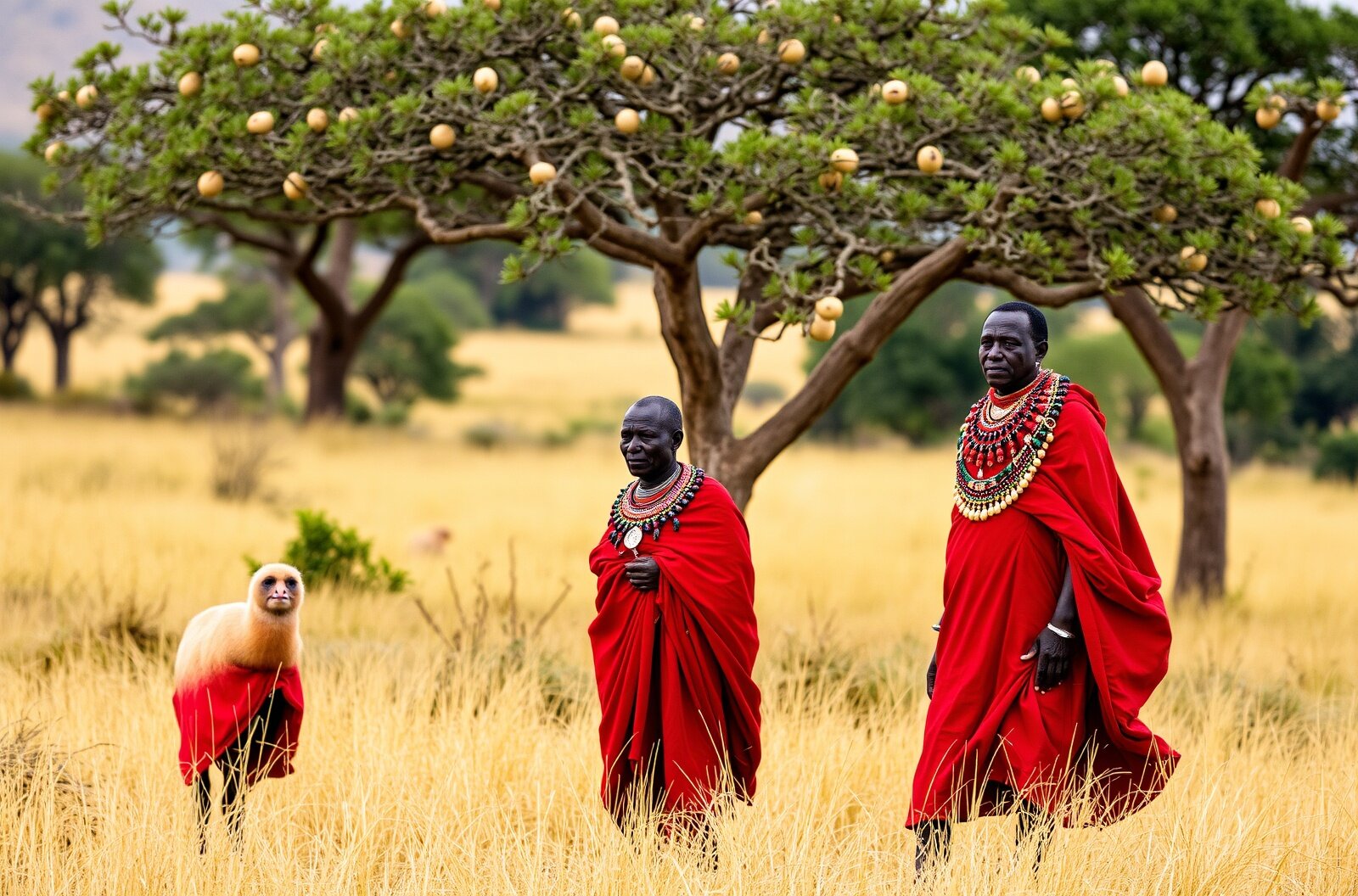
Tanzania's 65 million people comprise over 120 ethnic groups, yet the country is remarkably unified through the Swahili language. The Sukuma are the largest group, but the Maasai — with their distinctive red shukas, beaded jewelry, and semi-nomadic cattle-herding lifestyle — are the most internationally recognized. The Hadzabe of Lake Eyasi are one of the last true hunter-gatherer peoples in Africa, living much as humans did tens of thousands of years ago.
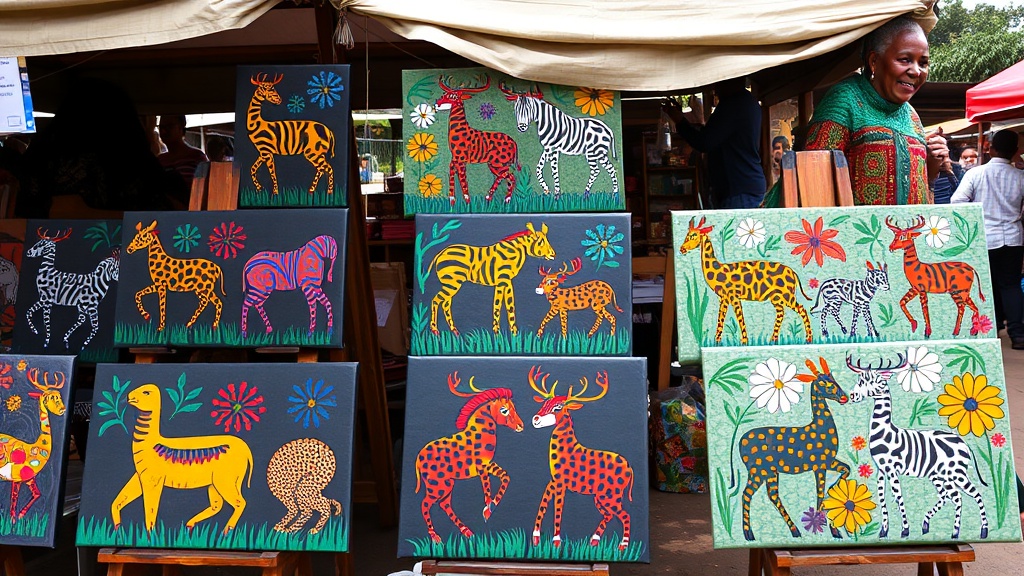
Swahili culture along the coast blends African, Arab, Persian, and Indian influences in its architecture, cuisine, and music. Taarab music — a hypnotic blend of Arabic melodies, African rhythms, and Indian instrumentation — fills the air in Zanzibar's Stone Town. Tingatinga painting, a vibrant folk art style using bicycle paint on masonite boards, has become Tanzania's most recognizable artistic export. The concept of "pole pole" (slowly, slowly) captures the unhurried Tanzanian approach to life that visitors quickly learn to embrace.
06
Serengeti & Safari
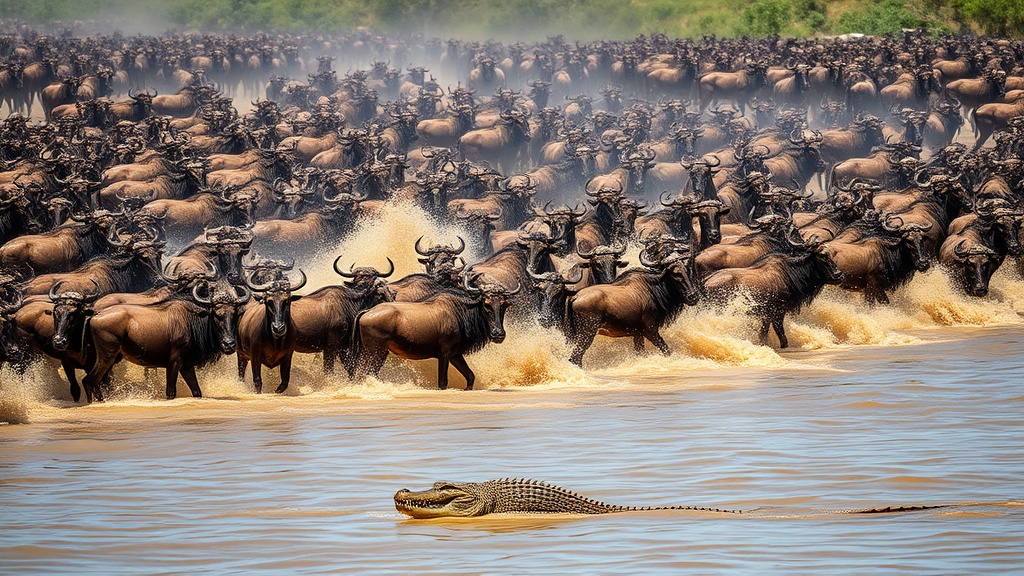
The Serengeti ecosystem hosts the Great Wildebeest Migration — arguably the greatest wildlife spectacle on Earth. Over 1.5 million wildebeest, accompanied by 200,000 zebras and 500,000 gazelles, follow an annual clockwise circuit driven by rainfall patterns. The dramatic Mara River crossings, where thousands of animals plunge into crocodile-infested waters, typically occur between July and October. Beyond the migration, the Serengeti supports the highest concentration of large predators in Africa.
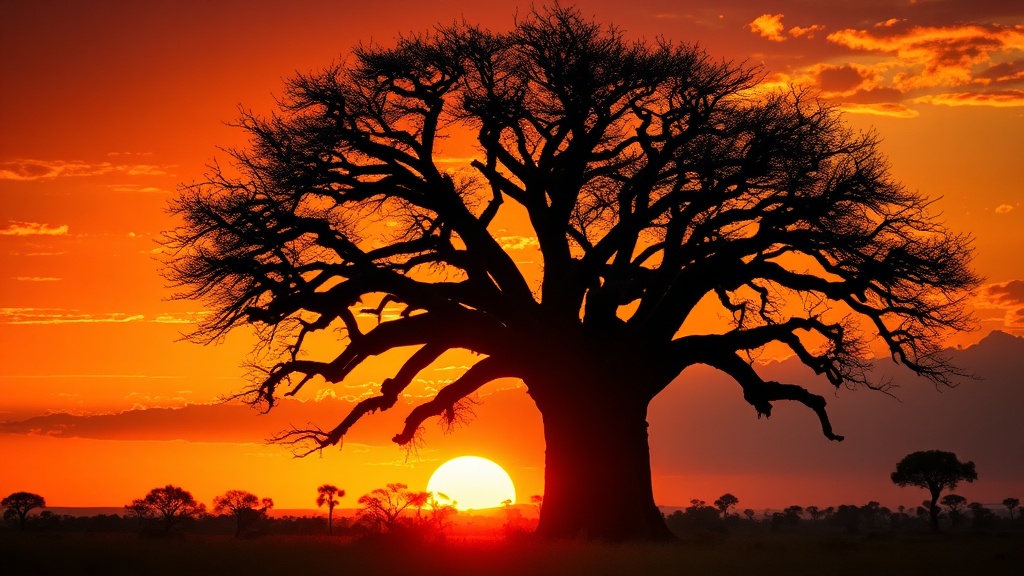
The Ngorongoro Crater offers a different safari experience — a self-contained ecosystem where the Big Five (lion, leopard, elephant, buffalo, rhino) all reside within the 260 km² caldera floor. Tarangire National Park is famous for its massive elephant herds and baobab-studded landscapes. For a more exclusive experience, the southern parks of Ruaha and Katavi offer wilderness encounters without the tourist vehicles that can crowd the northern circuit during peak season.
07
Mount Kilimanjaro
Kilimanjaro is the world's highest free-standing mountain and the tallest peak in Africa at 5,895 metres. What makes it extraordinary is accessibility — no technical climbing equipment is needed to reach the summit via any of seven established routes, making it the world's highest "walk-up" peak. The journey traverses five distinct ecological zones: cultivated farmland, rainforest, heath, alpine desert, and arctic summit glaciers.
The most popular routes are the Marangu ("Coca-Cola Route," 5 days, huts), Machame ("Whiskey Route," 6-7 days, camping), and Lemosho (7-8 days, the most scenic). Success rates vary from 65% to 85% depending on route and acclimatization time. The summit glaciers, immortalized by Hemingway, are retreating rapidly and may disappear within decades. The climb typically costs $2,000-5,000 including mandatory guides, porters, and park fees — Kilimanjaro employs over 20,000 local people annually.
08
Zanzibar
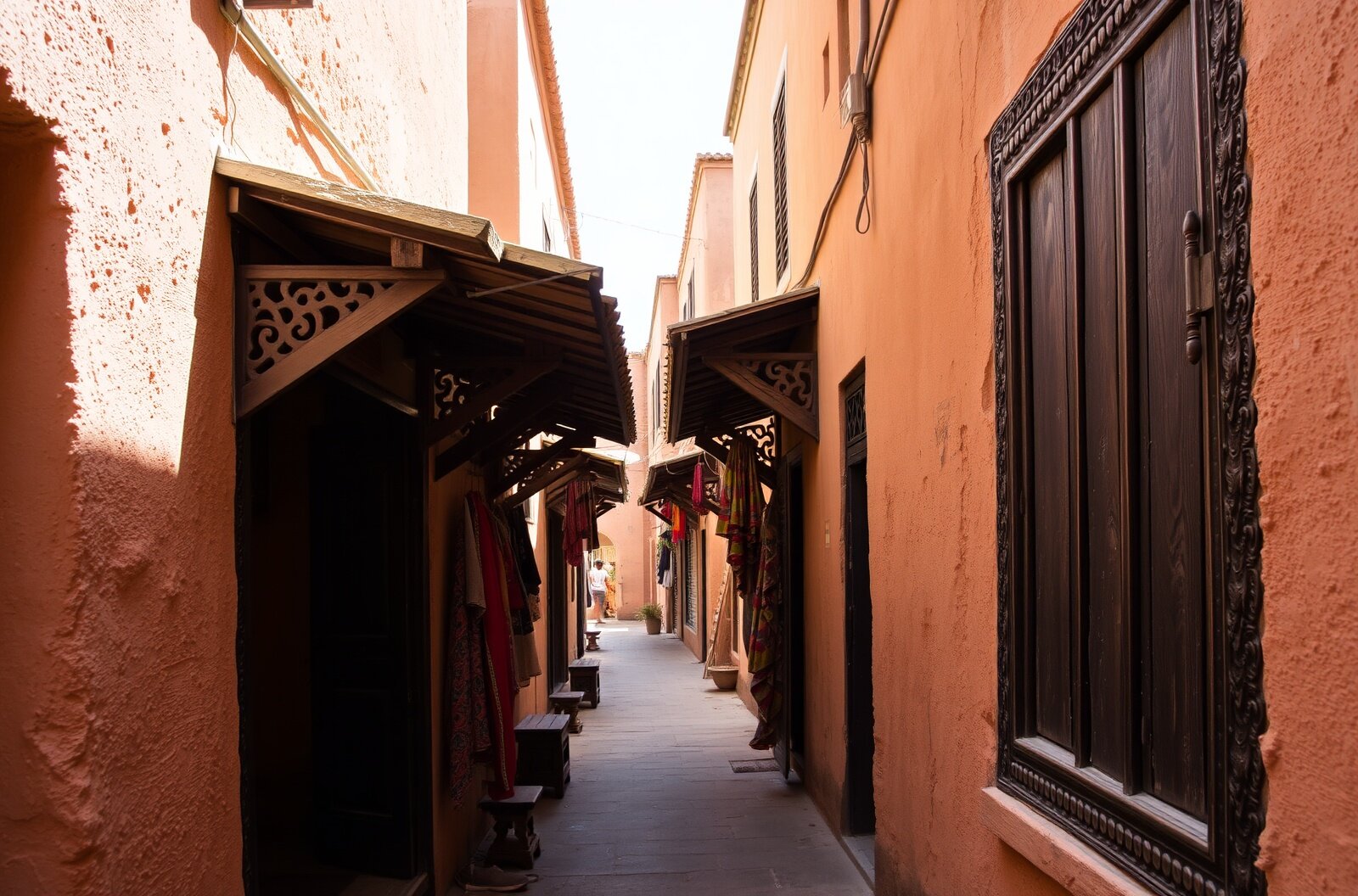
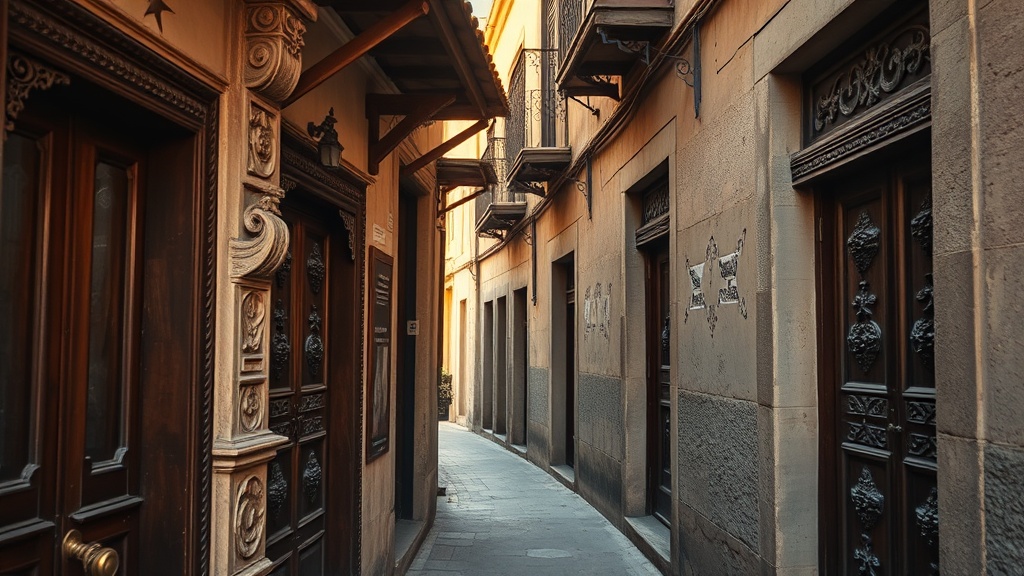
Zanzibar's Stone Town is a UNESCO World Heritage Site and one of the most atmospheric old towns in Africa. Narrow coral-stone alleys wind past carved wooden doors, crumbling Arab palaces, and the former slave market (now an Anglican cathedral). The House of Wonders, the Old Fort, and the Darajani Market offer glimpses into the island's layered history as a hub of the Indian Ocean spice trade.
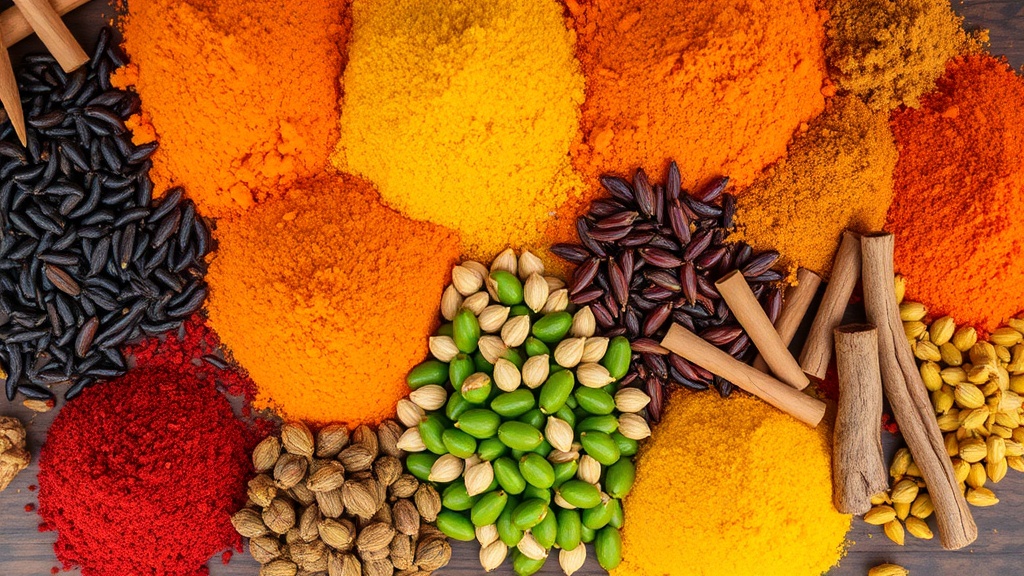
Beyond Stone Town, Zanzibar's beaches rank among the Indian Ocean's finest. Nungwi and Kendwa on the north coast offer turquoise waters and vibrant beach bars. Paje and Jambiani on the east coast are kitesurfing havens where low tide reveals kilometres of sandflats. A spice tour through the island's plantations — clove, nutmeg, cinnamon, vanilla — explains why Zanzibar earned its "Spice Islands" nickname. The Jozani Forest shelters the endemic red colobus monkey, found nowhere else on Earth.
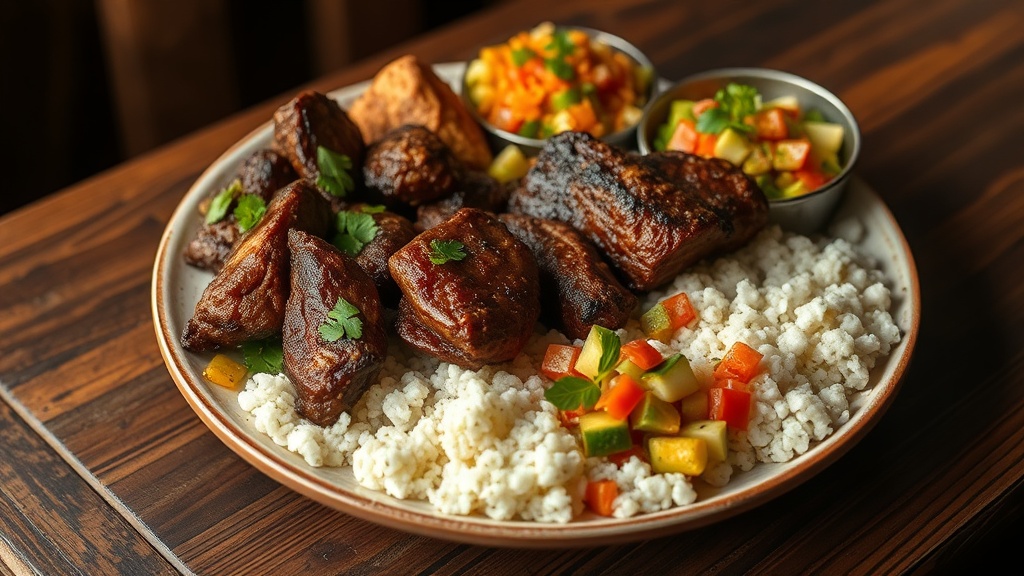
🍖 Nyama Choma & Ugali
Tanzania's beloved combination — grilled meat with maize flour staple, the foundation of East African cuisine
09
Cuisine
Tanzanian cuisine varies dramatically between the coast and interior. Ugali (stiff maize porridge) with nyama choma (grilled meat) or maharage (bean stew) is the mainland staple. Zanzibar's cuisine reflects its spice heritage: pilau rice fragrant with cardamom and cloves, biryani, and the iconic Zanzibar pizza — a street-food creation folded around fillings of meat, vegetables, egg, and sometimes Nutella.
Seafood lovers will find paradise along the coast: grilled octopus, lobster, and the freshest tuna, often prepared in coconut-based curries. Mishkaki (marinated meat skewers) are the ultimate street food, sold at evening food markets like Forodhani Gardens in Stone Town. Chipsi mayai (chips omelette) is beloved comfort food. Tanzania produces excellent coffee from the Kilimanjaro slopes and Mbeya highlands — try a traditional kahawa (spiced Arabic coffee) prepared in a brass pot at any Zanzibari coffee shop.
🍷
🍷 Wine, Spirits & Drinking Culture
Tanzania has a small but genuine wine industry, centred on the Dodoma region — the political capital, located in central Tanzania at an elevation of 1,100 metres with a dry, warm climate that approximates Mediterranean conditions. The Central Province Winery (Cetawico) produces the bulk of Tanzanian wine from Chenin Blanc, Makutupora Red, and Italian varieties planted by Catholic missionaries in the colonial era. Production is modest — roughly 90,000 litres annually — and quality is improving but remains basic by international standards.
Safari Lager, Kilimanjaro Beer, and Serengeti Lager (all brewed by Tanzania Breweries Limited, a subsidiary of AB InBev) dominate the commercial beer market. Traditional beverages are rich and varied: pombe (banana beer, the most widespread traditional drink), mbege (banana and millet beer from the Chagga people of Mount Kilimanjaro, with a sour, complex character), and konyagi (Tanzania's national spirit — a clean, vodka-like spirit distilled from sugarcane that is consumed across all social classes). Tanzanian coffee — particularly Peaberry beans from Kilimanjaro — is world-class, and the specialty coffee scene in Dar es Salaam and Arusha is growing rapidly.
✍️ Author's Note
Radim Kaufmann
At the foot of Mount Kilimanjaro — Africa's highest peak, its glaciers glowing pink in the last light — mbege, the Chagga banana beer, was served in a calabash with a ceremonial gravity that elevated a simple drink to something approaching ritual. Tanzania's wine from Dodoma is an honest if modest effort, but its traditional brews — particularly the sour, complex mbege — possess a character and cultural significance that no bottled wine can match. The Kilimanjaro Peaberry coffee, however, is genuinely world-class, and if the Dodoma vineyards receive the same attention that Tanzanian coffee has, the results could be remarkable.
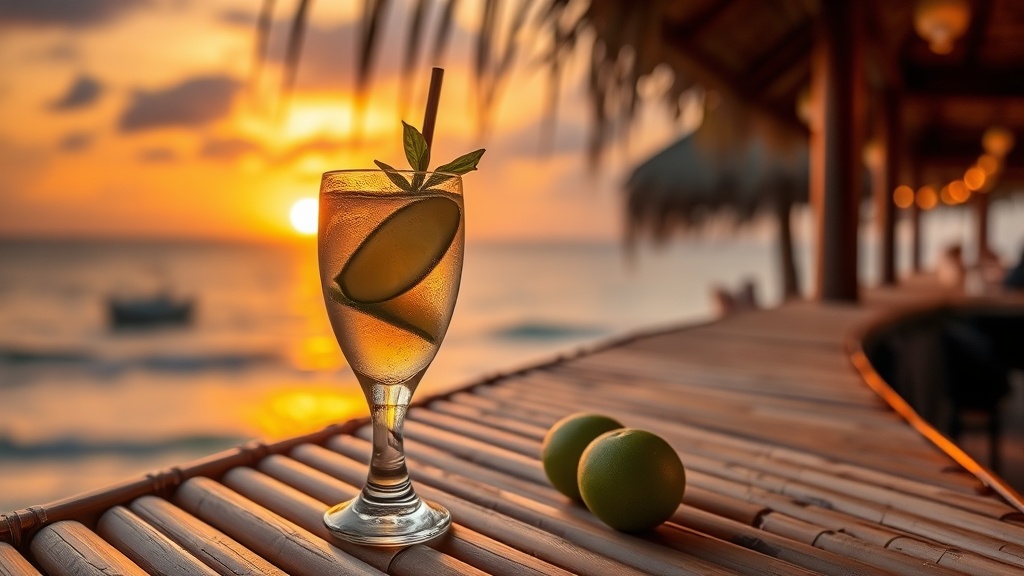
🍹 Dawa — Tanzania's Signature Cocktail
Vodka, lime, and honey served with a muddler stick — a Zanzibar sunset essential
🍹
🍹 Cocktails & Drinks
Tanzania's drink culture revolves around the legendary Dawa — Swahili for "medicine" — a deceptively simple cocktail of vodka, lime wedges, and honey muddled together in a heavy glass. Every beach bar in Zanzibar serves its own version, and drinking one while watching the Indian Ocean sunset is practically a rite of passage. The honey makes each sip dangerously smooth.
Beyond Dawa, Tanzania produces excellent local beers: Kilimanjaro Lager and Safari Lager are the national favorites, while Serengeti Premium offers a slightly more refined taste. Konyagi, Tanzania's iconic spirit, is a white rum-like drink made from sugarcane that locals mix with tonic or juice. For non-alcoholic options, fresh sugarcane juice, passion fruit juice, and tangawizi (ginger beer) are ubiquitous and refreshing in the tropical heat.
Palm wine (tembo) is the traditional drink of coastal communities — freshly tapped from coconut palms each morning, it starts sweet and becomes increasingly alcoholic as the day progresses. In Zanzibar's Stone Town, spice tea (chai ya tangawizi) with ginger, cardamom, and cloves is the social lubricant of choice, served in tiny cups at outdoor cafés where the aroma alone could revive the weary traveler.
Method: Fry onions until dark brown. Add meat and spices, cook until sealed. Add tomatoes, potatoes, coconut milk, and water. When boiling, add washed rice. Cover and steam on low heat 20 minutes until rice absorbs all liquid.
Method: Prepare the tangy yellow mango-based soup. Deep fry lentil bhajias. Assemble in a bowl: soup base, bhajias, sliced boiled egg, potato, cassava chips. Top with coconut chutney and tamarind. Squeeze lime generously.
10
Climate & Best Time to Visit
Tanzania has two rainy seasons: the "long rains" (March-May) and "short rains" (November-December). The dry season (June-October) is peak safari time — vegetation thins, animals concentrate around water sources, and the wildebeest migration crosses the Mara River. January-February is also excellent for the calving season in the southern Serengeti and for Kilimanjaro climbs. Zanzibar is best visited June-October or December-February.
11
Getting There
Julius Nyerere International Airport (DAR) in Dar es Salaam and Kilimanjaro International Airport (JRO) are the main entry points. Zanzibar (ZNZ) receives increasing direct international flights. Airlines serving Tanzania include Ethiopian Airlines, Kenya Airways, Turkish Airlines, Qatar Airways, Emirates, and KLM. Overland entry is possible from Kenya (Namanga border for Arusha, Holili for Kilimanjaro), as well as from Mozambique, Malawi, Zambia, and Rwanda. Budget $50-150/day for mid-range travel, $200-500+ for safari lodges.
💰
💰 Cost of Living
Tanzania operates on a dual-currency system — the Tanzanian Shilling (TZS) for local transactions and US Dollars for tourism. Safari costs dominate most travel budgets, but day-to-day expenses are very reasonable by Western standards.
Item
TZS
USD
🍛 Local meal (mama lishe)
3,000-8,000
$1-3
🍽️ Mid-range restaurant
25,000-50,000
$10-20
🛏️ Budget guesthouse
25,000-75,000
$10-30
🏨 Mid-range hotel
125,000-375,000
$50-150
🚕 Dalla-dalla (minibus)
500-1,000
$0.20-0.40
🦁 Safari day (budget)
375,000+
$150+
🏔️ Kilimanjaro climb (6 days)
—
$2,000-5,000
🍺 Beer (local bar)
2,500-5,000
$1-2
📱 SIM card + 5GB
15,000-25,000
$6-10
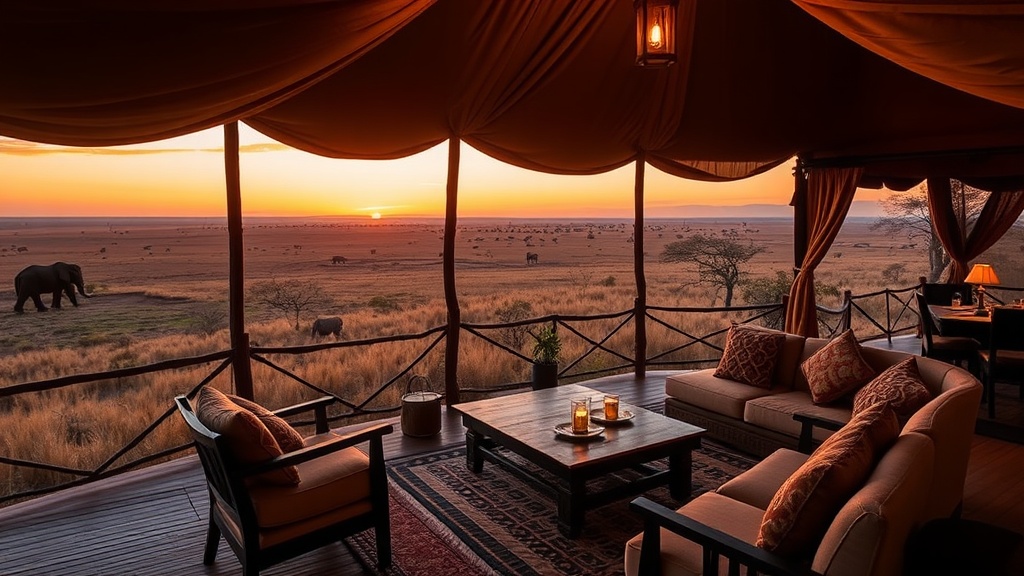
🏨 Safari Lodge Living
Tented luxury overlooking the Serengeti — where the wilderness meets world-class comfort
🏨
🏨 Accommodation
Tanzania's accommodation spans an extraordinary range — from $10 beachside guesthouses in Zanzibar to $3,000-per-night exclusive safari camps where elephants wander through your dining room. The northern safari circuit (Serengeti, Ngorongoro, Tarangire) commands premium prices, while coastal towns and lesser-known southern parks offer excellent value.
🦁 Safari Lodges
🏕️ Budget camping — $30-80/night
🏠 Mid-range tented camps — $150-400/night
✨ Luxury lodges — $500-3,000/night
📝 Most include full board & game drives
🏖️ Zanzibar & Coast
🛏️ Backpacker hostels — $10-25/night
🏠 Boutique guesthouses — $50-150/night
🌴 Beach resorts — $200-800/night
📝 Stone Town has best budget options
12
Practical Information
Most visitors need a visa — available as an e-visa ($50 for single entry) or on arrival at major airports. Yellow fever vaccination is required if arriving from an endemic country. The Tanzanian Shilling (TZS) is the currency, but US dollars are widely accepted for tourist services (bring post-2006 bills). Swahili and English are both official languages. Safari operators are typically booked through agencies in Arusha, the safari capital. Mobile coverage is good along main routes; Vodacom and Airtel offer affordable data packages.
13
UNESCO World Heritage Sites
Tanzania boasts seven UNESCO sites: Serengeti National Park (1981), Ngorongoro Conservation Area (1979, mixed), Kilimanjaro National Park (1987), Selous Game Reserve (1982, now endangered), Ruins of Kilwa Kisiwani and Songo Mnara (1981), Stone Town of Zanzibar (2000), and Kondoa Rock Art Sites (2006). The Olduvai Gorge is on the tentative list. This concentration of natural and cultural heritage sites reflects Tanzania's extraordinary importance to both human history and biodiversity conservation.
🎨 Tingatinga Art
Tanzania's vibrant folk art tradition — bold colors and whimsical wildlife on every canvas
🎭
🎭 Festivals & Events
Tanzania's festival calendar reflects its extraordinary cultural diversity — from ancient Maasai ceremonies to the internationally acclaimed Zanzibar International Film Festival.
🎬 ZIFF — Zanzibar Film Festival (July)
East Africa's largest cultural festival transforms Stone Town into an open-air cinema with films, music, and dhow races against the Indian Ocean backdrop.
🐃 Maasai Eunoto (varies)
The warrior graduation ceremony where young Maasai morani shave their long ochre-stained hair and transition to elder status. Deeply sacred and rarely witnessed by outsiders.
🎵 Sauti za Busara (February)
Zanzibar's premier music festival — "Sounds of Wisdom" brings together African artists from across the continent at the historic Old Fort amphitheatre.
🏃 Kilimanjaro Marathon (February)
Run a full or half marathon with Africa's tallest mountain as your backdrop. Flat course through Moshi town with 15,000+ participants.
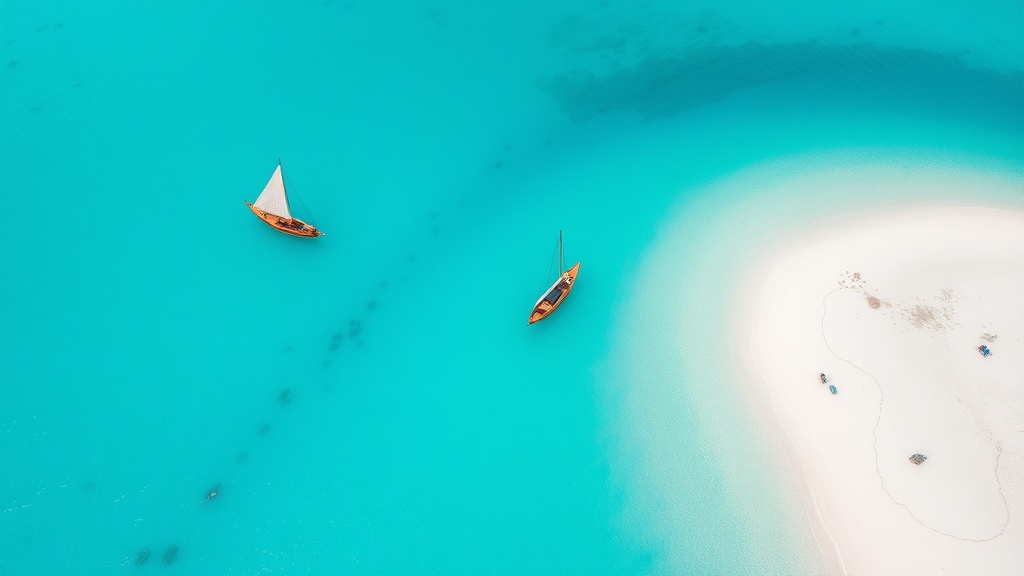
💎 Mafia Island
Tanzania's secret paradise — world-class diving, whale sharks, and zero crowds
💎
💎 Hidden Gems
Beyond the famous Serengeti-Ngorongoro-Zanzibar circuit lies another Tanzania — equally spectacular but blessedly uncrowded. These hidden gems reward travelers willing to venture off the beaten track.
🏝️ Mafia Island
Forget Zanzibar — Mafia Island offers East Africa's best diving, October-March whale shark encounters, and pristine beaches without the tourist infrastructure. The marine park protects over 400 fish species.
🏔️ Usambara Mountains
The "Galápagos of Africa" — these ancient Eastern Arc mountains harbor extraordinary biodiversity. Hike through cloud forests, stay in village guesthouses, and discover endemic species found nowhere else.
🦁 Katavi National Park
Tanzania's most remote major park — during dry season, thousands of hippos pack into shrinking rivers while crocodiles and lions circle. Raw, untouched African wilderness with almost no other visitors.
🎨 Kondoa Rock Art
UNESCO World Heritage rock paintings dating back 2,000+ years. Hundreds of sites scattered across remote central Tanzania, with haunting images of hunters, animals, and abstract symbols.
14
Fascinating Facts
Tanzania contains the world's largest volcanic caldera (Ngorongoro), Africa's highest mountain (Kilimanjaro), Africa's deepest lake (Tanganyika), and some of the oldest evidence of human evolution (Olduvai Gorge). Tanzanite, a gemstone found nowhere else on Earth, was discovered near Kilimanjaro in 1967. Lake Natron's alkaline waters turn dead animals into eerie calcified statues. The Serengeti's name comes from the Maasai word "Siringet" meaning "endless plains." Zanzibar was once the world's largest producer of cloves, and Freddie Mercury was born there in 1946.
👤
👤 Notable People
🏛️ Julius Nyerere (1922–1999)
Founding father and "Mwalimu" (Teacher). Led Tanzania to independence and unified 120+ ethnic groups through Swahili language promotion and ujamaa philosophy. One of Africa's most respected leaders.
🏃 Filbert Bayi (1953–)
Middle-distance runner who held the 1500m world record (1974–1979) and won Commonwealth Gold in the legendary "Miracle Mile." Tanzania's greatest athlete and inspiration for generations of East African runners.
📖 Abdulrazak Gurnah (1948–)
Zanzibar-born novelist who won the 2021 Nobel Prize in Literature. His works explore colonialism, displacement, and the refugee experience with deep compassion and unflinching honesty.
🎵 Freddie Mercury (1946–1991)
Born Farrokh Bulsara in Stone Town, Zanzibar. Before becoming the legendary Queen frontman, he spent his first years in the narrow alleys that now house the "Mercury House" museum.
15
Gallery
The Great Migration — 1.5 million wildebeest cross the SerengetiKilimanjaro — Africa's roof at 5,895mStone Town — UNESCO World Heritage labyrinthNgorongoro Crater — the world's largest unbroken calderaMaasai warrior — guardians of Tanzania's iconic landscapesStone Town — centuries of carved doors and Swahili heritageAncient baobab — Tarangire's thousand-year sentinelsMara River crossing — nature's most dramatic spectacleZanzibar spice farms — the Spice Island's aromatic heritage
16
Sports & Activities
Safari game drives are the headline activity, but Tanzania offers far more. Climbing Kilimanjaro is a bucket-list adventure (5-8 days). Zanzibar's east coast is world-class for kitesurfing. Snorkeling and diving around Mafia Island Marine Park reveals pristine coral reefs and whale sharks (October-March). Walking safaris in the Selous and cultural visits to Maasai and Hadzabe communities offer deeper engagement. The annual Kilimanjaro Marathon attracts runners from around the world.
🎒 Safari Essentials
The complete packing list for an unforgettable Tanzanian adventure
🎒
🎒 Packing Tips
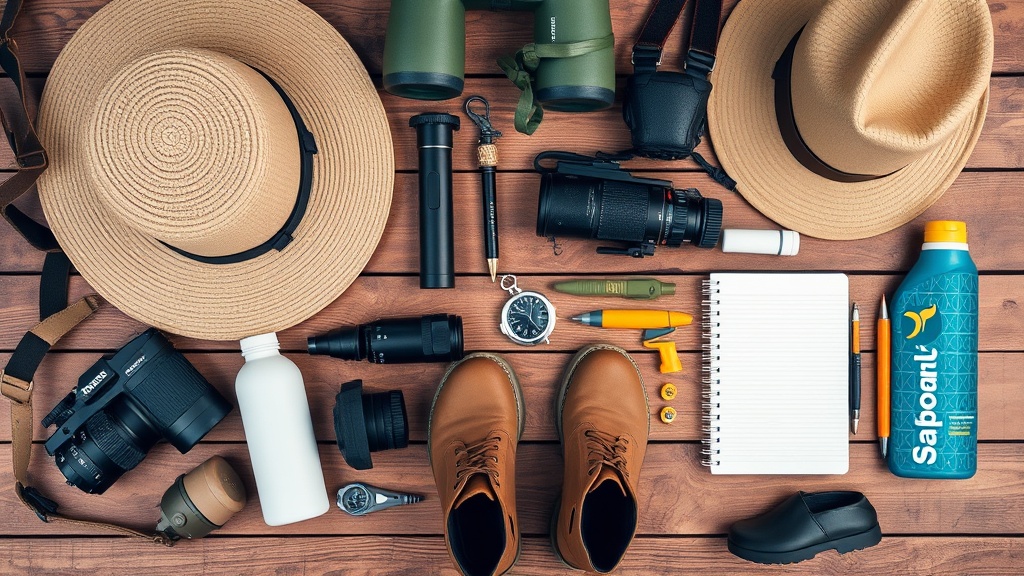
Tanzania's diverse environments — from equatorial coast to alpine summit — mean packing smart is essential. Safari vehicles limit luggage to soft-sided bags (no hard suitcases), and Kilimanjaro climbers need everything from tropical to arctic gear.
🦁 Safari Essentials
Neutral-colored clothing (khaki, olive, tan)
Binoculars (10x42 ideal)
Camera with zoom lens (200mm+)
Wide-brimmed hat and sunglasses
Insect repellent (DEET 30%+)
Soft-sided duffel bag (15kg limit)
🏖️ Zanzibar & Coast
Lightweight long sleeves (cultural respect)
Reef-safe sunscreen SPF 50
Water shoes for rocky beaches
Snorkeling mask (better than rental)
Light rain jacket (April-May)
Headscarf for mosque visits
📰
📰 Media & News
Stay informed about Tanzania through these sources:
The Citizen — Tanzania's leading English-language daily newspaper
Daily News — Government-owned but covers national events comprehensively
Mwananchi — Most popular Swahili-language newspaper
BBC Swahili — Independent news coverage in Swahili
Tanzania National Parks (TANAPA) — Official park updates and conservation news
🎬
🎬 Recommended Videos
🎥 Great Migration: Mara River Crossing
BBC Earth's breathtaking footage of the world's greatest wildlife spectacle.
🏔️ Kilimanjaro: To the Roof of Africa
National Geographic documentary following climbers through all five ecological zones.
🏝️ Zanzibar: Island of Spices
Rick Stein's culinary journey through Stone Town's food markets and spice farms.
📚
📚 Recommended Reading
📖 "Paradise" — Abdulrazak Gurnah
Nobel Prize-winning author's tale of a boy's journey through East Africa in the early 20th century. Essential reading for understanding Tanzanian identity.
📖 "The Snows of Kilimanjaro" — Ernest Hemingway
The short story that made Kilimanjaro a literary icon. Hemingway's meditation on mortality set against Africa's greatest mountain.
📖 "Memoirs of an Arabian Princess" — Emily Ruete
Born Princess Salme of Zanzibar in 1844, she eloped with a German merchant. Her autobiography offers an extraordinary inside view of the Zanzibar sultanate.
📋
📋 Latest Updates
February 2026: Page upgraded to full Kaufmann World Travel Factbook standard with comprehensive sections on costs, accommodation, festivals, hidden gems, notable people, and practical travel information.
January 2026: Tanzania Electronic Visa (e-Visa) system now available for most nationalities at immigration.go.tz — processing time 5-10 business days.
✍️
✍️ Author's Note
"Tanzania is the country that turns every visitor into a storyteller. Standing on the rim of Ngorongoro Crater as a thousand flamingos rise from the soda lake below, watching a cheetah teach her cubs to hunt on the Serengeti plains, diving into the warm Indian Ocean off a Zanzibar dhow — these are moments that change you.
What sets Tanzania apart isn't just its extraordinary wildlife or landscapes — it's the people. The warmth of a 'karibu' (welcome) from a Maasai elder, the pride of a Kilimanjaro porter who carries your pack while singing, the laughter of children in Stone Town's winding alleys — Tanzania's greatest treasure walks on two legs.
Whether you're summiting Kilimanjaro, tracking the Great Migration, or simply sipping a dawa cocktail as the sun drops into the Indian Ocean, Tanzania delivers experiences that no other destination on Earth can match. Pole pole — take it slowly — and let this magnificent country reveal itself at its own pace."