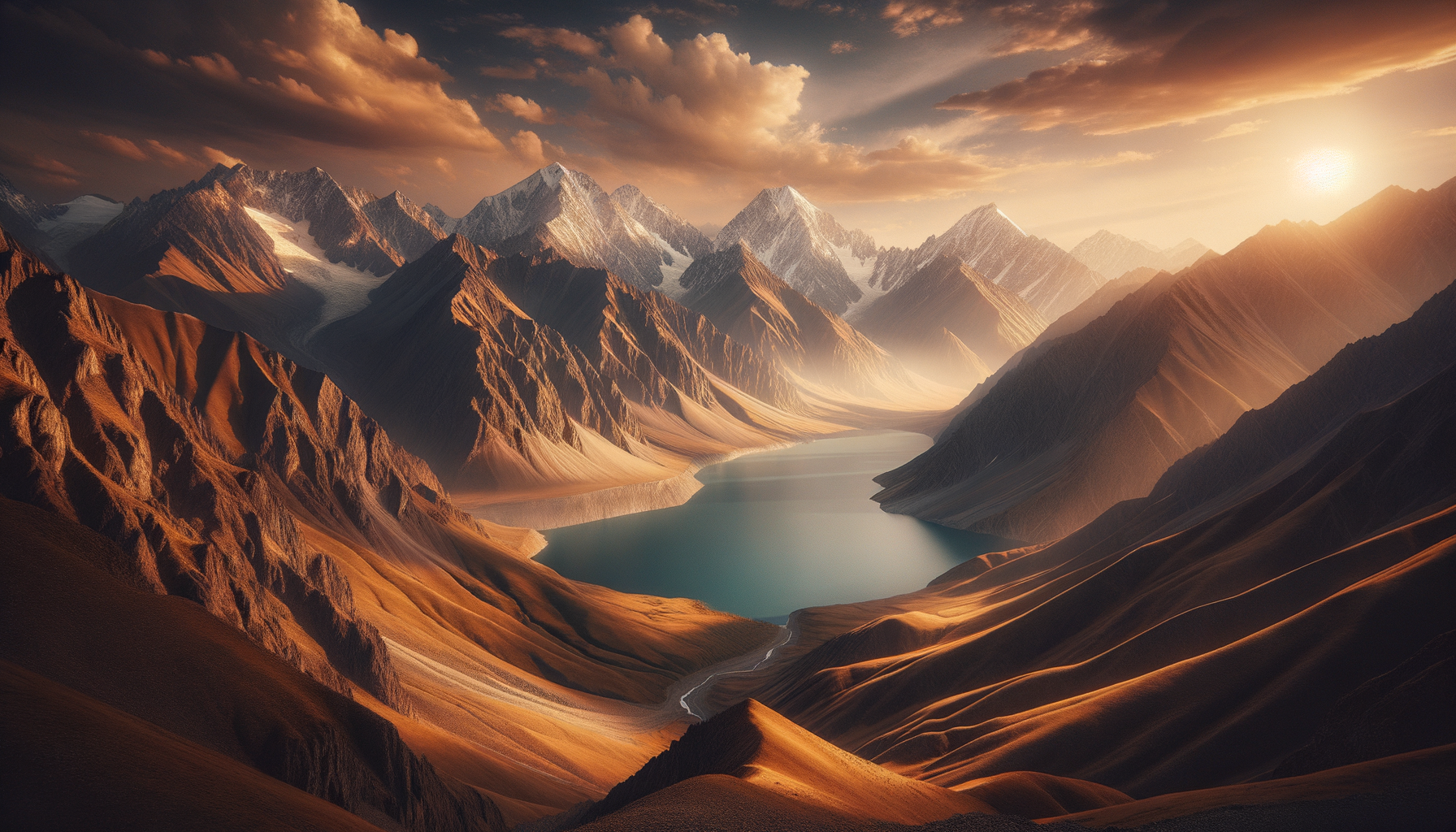
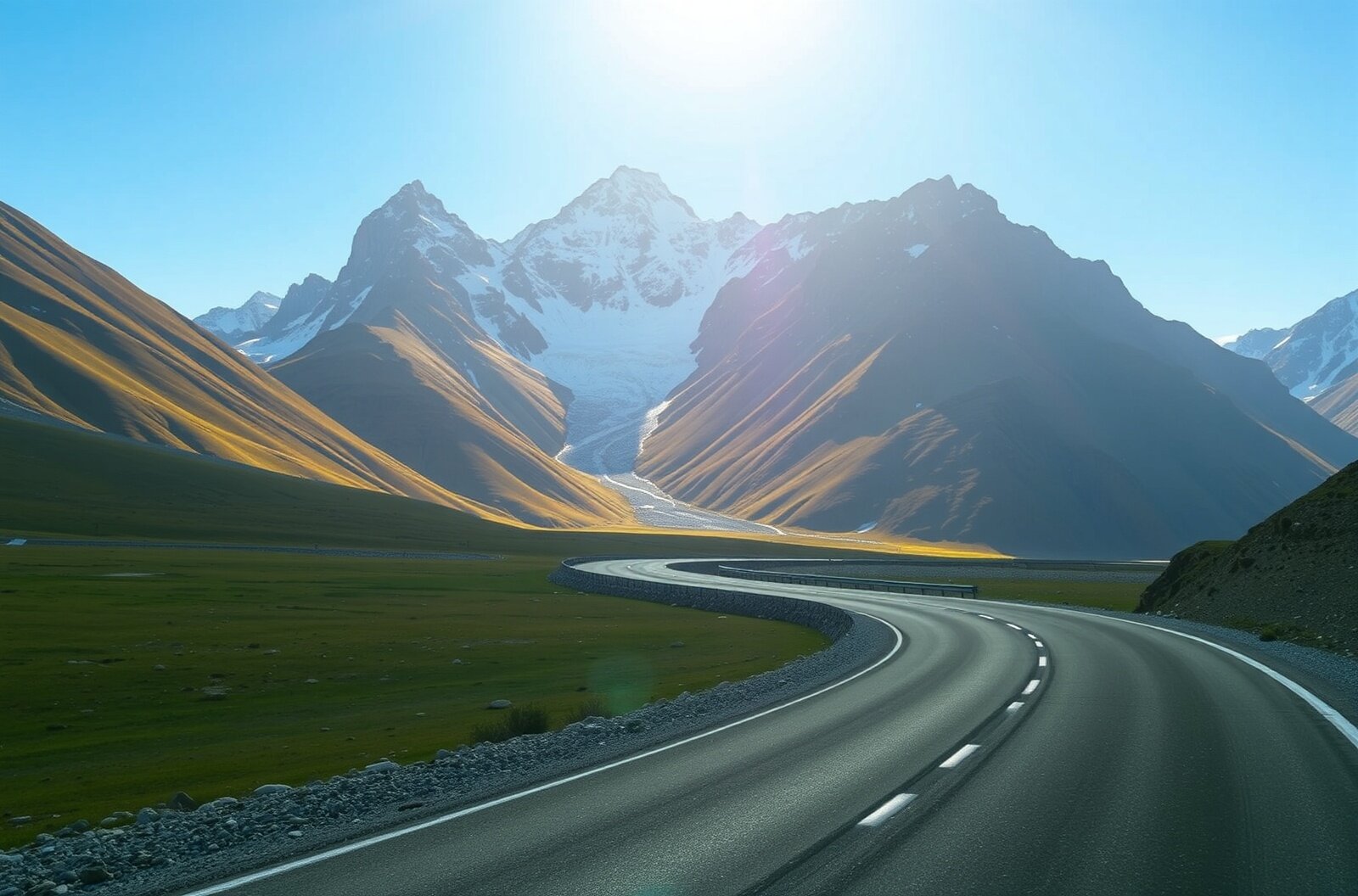
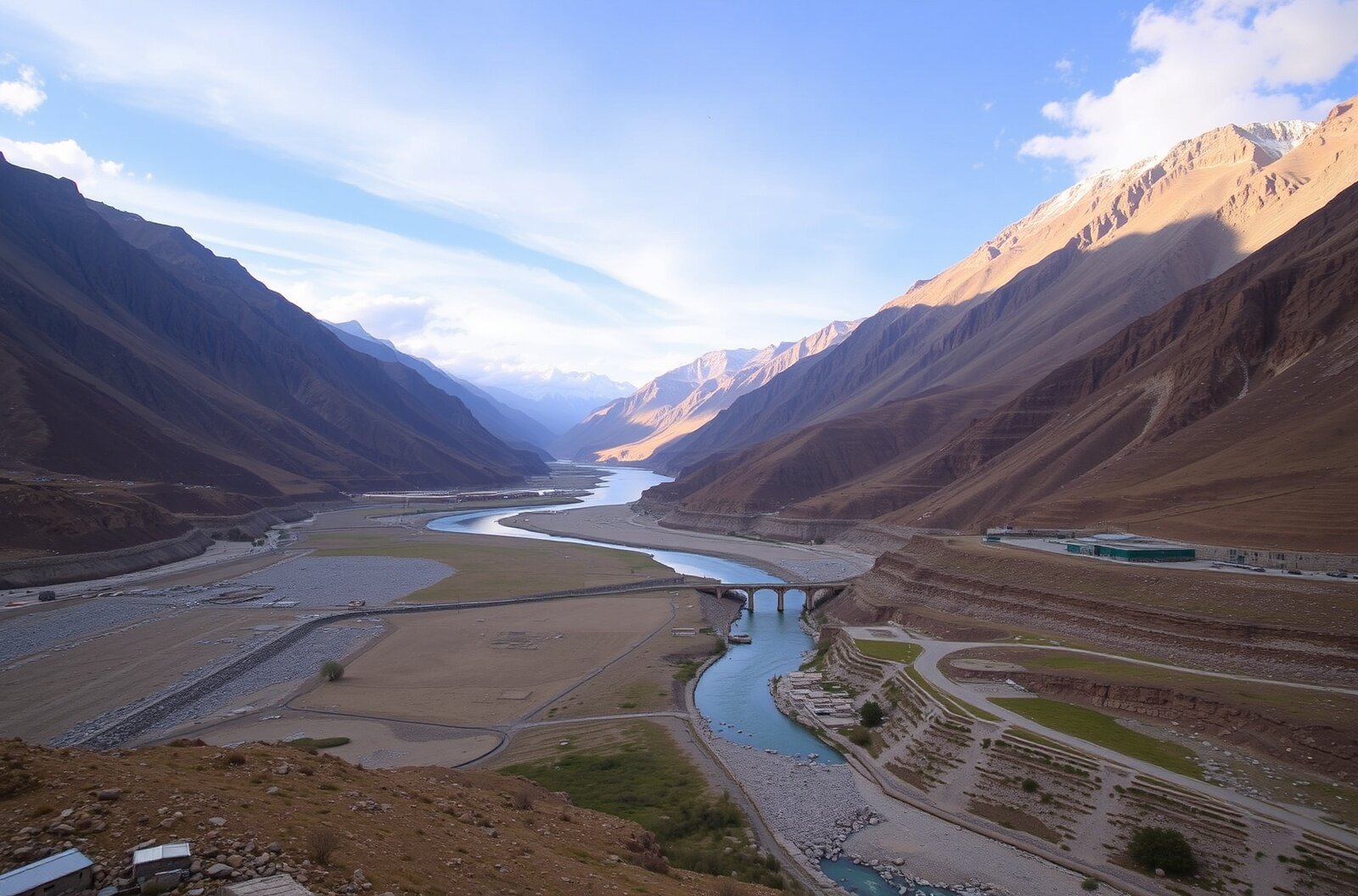
Tajikistan is over 93% mountainous, making it one of the most mountainous countries on Earth. The Pamir Highway (M41) is one of the world's highest international roads, reaching 4,655m at Ak-Baital Pass.
⚡ Key Facts
🏛️
Dushanbe
Capital
👥
10.1 million
Population
📐
143,100 km²
Area
💰
Somoni (TJS)
Currency
🗣️
Tajik (Persian)
Language
🏔️
Continental
Climate
⛰️
7,495m
Highest Point
🌍
2 Sites
UNESCO
01
Overview
Tajikistan is Central Asia's most dramatic secret — a land where 93% of the terrain is mountainous, where ancient Silk Road caravanserais crumble beneath the shadow of 7,000-metre peaks, and where the Pamir Highway cuts through landscapes so vast and otherworldly that travelers speak of it in the same reverential tones reserved for Tibet and Patagonia. This is the rooftop of the world, where the Pamir, Tian Shan, and Hindu Kush ranges converge in a spectacular collision of geology and culture.
Despite being Central Asia's smallest and poorest nation, Tajikistan offers an authenticity and warmth that wealthier neighbors have traded for oil-fueled modernization. In the capital Dushanbe, Soviet-era boulevards give way to bazaars fragrant with cumin and fresh naan bread. In the Fann Mountains, turquoise lakes sit in glacial cirques accessible only by foot. Along the Wakhan Corridor, villagers in the shadow of the Afghan border practice ancient Ismaili traditions and welcome travelers with green tea and hospitality that feels genuinely unconditional.
02
Name & Identity
The name "Tajik" likely derives from the Middle Persian "tāzīk," a term originally used for Arabs but later applied to Persian-speaking populations of Central Asia. Today's Tajiks are the direct cultural descendants of the great Persian-speaking civilizations that flourished across Central Asia for millennia — the Samanid Empire, which ruled from Bukhara in the 9th-10th centuries, represents the golden age of Tajik national identity.
Modern Tajikistan emerged from the Soviet partition of Central Asia in 1929, when Stalin deliberately drew borders that separated Tajik-speaking populations from the great cultural centers of Samarkand and Bukhara (assigned to Uzbekistan). This amputation of cultural heartland remains a sensitive topic. The Tajik identity is inseparable from Persian literary heritage — Rudaki, Firdausi, and Hafiz are claimed as national poets, and Tajik is essentially a dialect of Farsi written in Cyrillic script, making Tajikistan the only Persian-speaking country to use that alphabet.
03
Geography & Landscape
Tajikistan's geography is defined by extreme verticality. The Pamir Plateau — known as "Bam-i-Dunya" (Roof of the World) — occupies the entire eastern half of the country at elevations averaging 3,000-4,000 metres. Ismoil Somoni Peak, at 7,495 metres, is the highest point in the former Soviet Union. The Fedchenko Glacier, stretching 77 kilometres, is the longest glacier outside the polar regions.
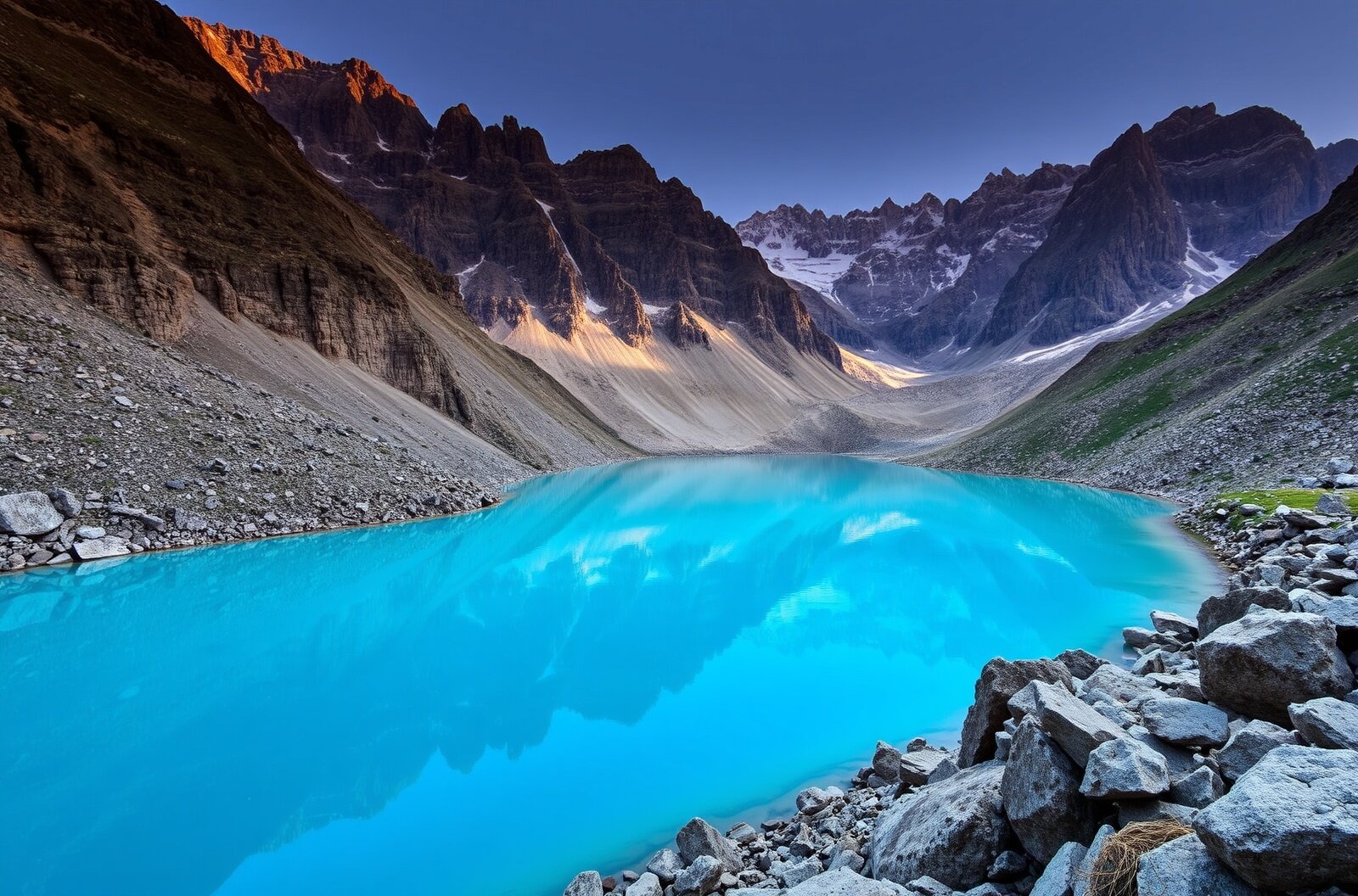
The western lowlands around the Fergana and Vakhsh valleys are the agricultural heartland, where cotton fields and orchards thrive in irrigated zones. The Fann Mountains in the northwest offer perhaps the most spectacular trekking scenery in Central Asia, with over 30 lakes of impossibly vivid turquoise, emerald, and sapphire colors nestled between 5,000-metre peaks. The Vakhsh and Panj rivers, which merge to form the Amu Darya, carve dramatic gorges through the mountains and form much of the Afghan border.
04
History
Tajikistan's territory has been a crossroads of civilizations for over 4,000 years. The ancient Sogdians were the great merchants of the Silk Road, their caravans connecting China to Rome. Alexander the Great marched through in 329 BC, founding Alexandria Eschate (modern Khujand) as his furthest outpost. The Samanid dynasty (819-999 AD) established the first Persian-speaking state in Central Asia, with Bukhara as its capital, creating a golden age of science, poetry, and architecture.
Mongol invasions devastated the region in the 13th century, followed by Timurid rule and eventually absorption into the Emirate of Bukhara. Russian conquest came in the 1860s-80s, and Soviet power was established after bitter fighting in the 1920s. Independence in 1991 was immediately followed by a devastating civil war (1992-1997) that killed 50,000-100,000 people and displaced over a million. Recovery has been slow but steady, with the country increasingly positioning itself as an adventure tourism destination.
05
People & Culture
Tajikistan's 10 million people are predominantly ethnic Tajiks (84%), with Uzbek (14%) and smaller Kyrgyz, Russian, and Pamiri minorities. The Pamiri peoples of the eastern mountains — including Shughni, Wakhi, and Ishkashimi groups — speak their own Eastern Iranian languages and practice Ismaili Islam under the spiritual leadership of the Aga Khan, whose development foundation has transformed infrastructure in the remote Gorno-Badakhshan region.
Hospitality is the defining cultural value. Visitors to any Tajik home will be offered green tea, fresh naan bread, and dried fruits — refusing is considered impolite. The dastarkhan (tablecloth spread on the floor) is both a dining surface and a social institution. Music and poetry hold sacred status; the rubab and doira drum accompany traditional songs, while Navruz (Persian New Year, March 21) is the most important celebration, featuring sumalak (a ritual wheat pudding stirred through the night by singing women).
06
Dushanbe
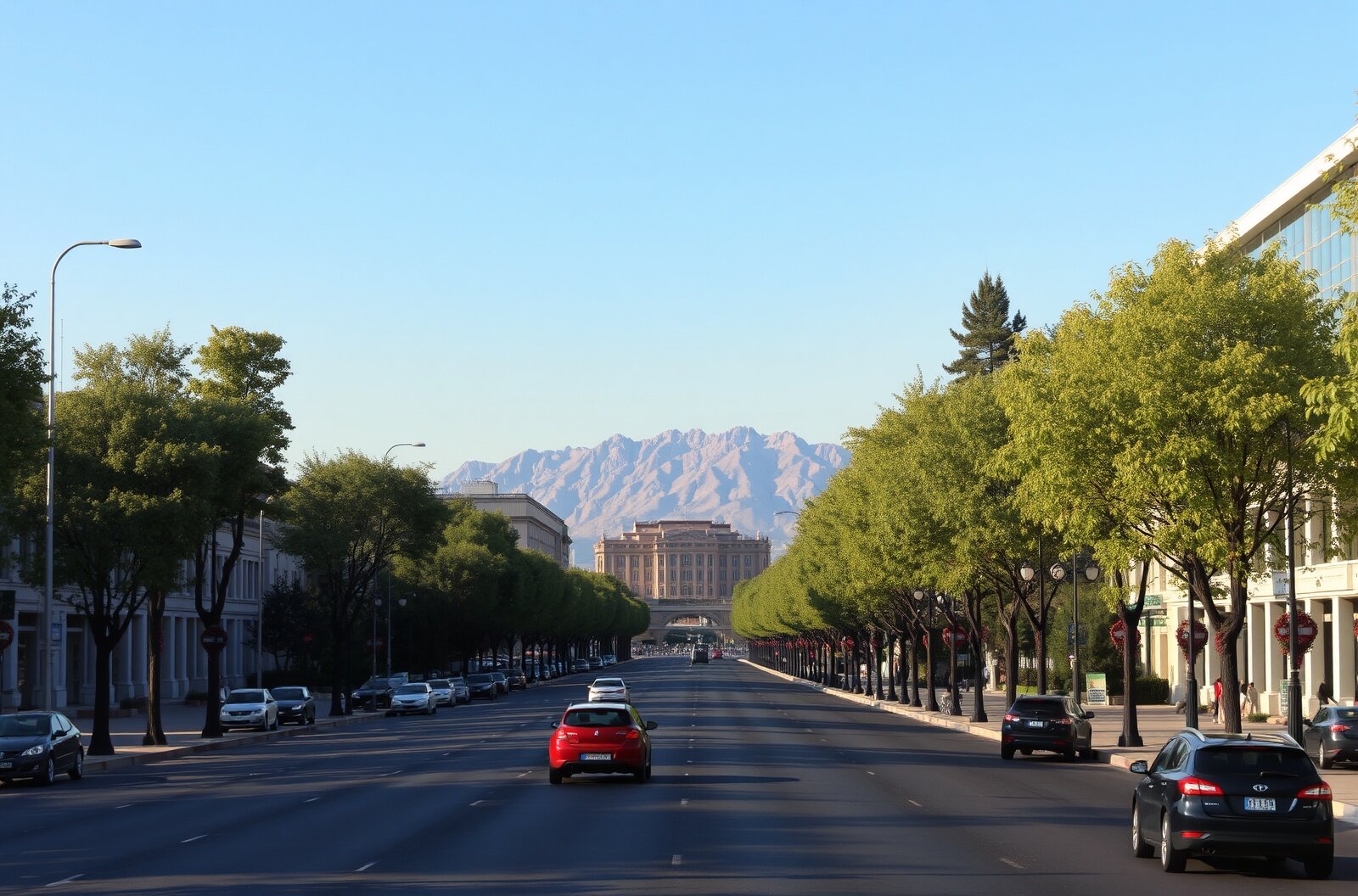
The capital Dushanbe — meaning "Monday" in Tajik, named for the weekly market that once defined the village — has transformed from a sleepy Soviet outpost into a growing city of nearly one million. Rudaki Avenue, the tree-lined central boulevard, connects the monumental Palace of Nations to the vibrant Green Bazaar, where vendors sell mountains of dried apricots, pomegranates, and locally grown almonds.
The National Museum houses remarkable Buddhist artifacts from the ancient site of Ajina-Tepa, including a 13-metre reclining Buddha that rivals anything in Southeast Asia. The newly built Navruz Palace is an astonishing complex of teahouses and banquet halls decorated in neo-Persian style. For a taste of everyday life, the Mehrgon Market sprawls across acres of produce, spices, and household goods, offering the best people-watching in Central Asia. The ornate Haji Yakoub Mosque and the towering flagpole in Flag Park (once the world's tallest at 165 metres) bookend the city's old and new ambitions.
07
The Pamir Highway
The M41 — the Pamir Highway — is arguably the greatest road trip on Earth. Stretching from Dushanbe to Osh (Kyrgyzstan) via the Gorno-Badakhshan Autonomous Region, this 1,200-kilometre route climbs to 4,655 metres at the Ak-Baital Pass, the highest point on the former Soviet highway network. Originally built by the Soviets for military access, the road traverses landscapes that shift from lush Vakhsh Valley orchards to stark high-altitude desert reminiscent of the Tibetan Plateau.
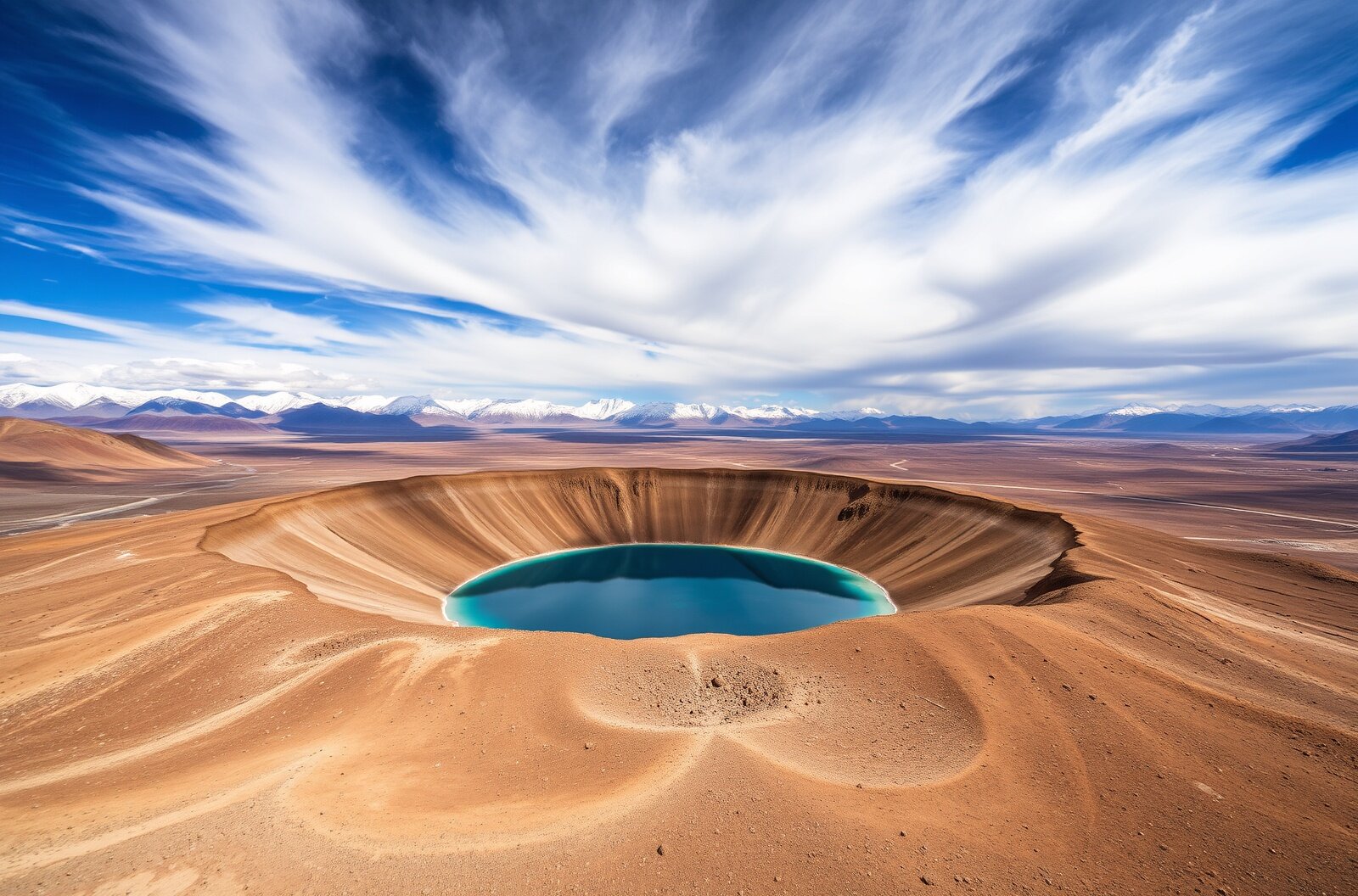
Key stops include Khorog (the regional capital and gateway to the Wakhan), Ishkashim (where weekend cross-border markets with Afghanistan still operate), the hot springs at Garm Chashma, and Murghab — a dusty frontier town where Kyrgyz yurt camps dot the surrounding plateaus. Lake Karakul, a meteorite impact crater at 3,914 metres, offers haunting beauty beneath the peaks of Muztagh Ata across the Chinese border. The entire journey typically takes 3-5 days and is best attempted between June and September.
08
Fann Mountains
The Fann Mountains are Tajikistan's trekking crown jewel — a compact range of peaks reaching 5,489 metres (Chimtarga) with over 30 alpine lakes of extraordinary color. The classic "Seven Lakes" (Haft Kul) trek near Penjikent takes hikers through a chain of lakes that progress from emerald to deep cobalt, each at a different elevation in a spectacular valley. Iskanderkul, the range's largest lake, was legendarily named for Alexander the Great and shimmers turquoise beneath dramatic cliff walls.
Multi-day treks connecting Iskanderkul to the Kulikalon Lakes cross passes above 4,000 metres with views of glaciated peaks that rival the Himalayas for raw beauty, yet see a fraction of the visitors. The ancient Sogdian city of Penjikent, at the range's western edge, contains remarkable 5th-8th century murals depicting Silk Road life — often called the "Pompeii of Central Asia" for its extraordinary state of preservation.
09
Cuisine
Tajik cuisine reflects both Persian refinement and Central Asian heartiness. Plov (rice pilaf with lamb, carrots, and chickpeas) is the undisputed king of the table, with regional variations cooked in enormous cast-iron cauldrons for celebrations. Qurutob — the national dish — combines dried cheese balls (qurut) dissolved in water with layers of flatbread, onions, and herbs, creating a tangy, satisfying meal that costs almost nothing.
Mantu (steamed dumplings filled with lamb and onion), shashlik (grilled meat skewers), and laghman (hand-pulled noodle soup) round out the staples. Tajikistan's dried fruits are legendary — apricots, mulberries, almonds, and walnuts from the mountain valleys are exported across Central Asia. Green tea is the universal drink, consumed in vast quantities from delicate piala cups, while fresh fruit compotes and dugh (a salty yogurt drink) provide refreshment in summer.
🍷
🍷 Wine, Spirits & Drinking Culture
Tajikistan has an ancient grape-growing tradition — the fertile valleys of the western Pamirs and the Fergana region supported viticulture for millennia, and Tajik table grapes are among Central Asia's finest. During the Soviet era, Tajikistan produced significant quantities of wine, particularly sweet and fortified styles. However, the civil war (1992–1997), economic collapse, and growing Islamic conservatism have reduced the industry to near-extinction. Some small-scale production continues in the Tursunzoda and Hissor districts.
Tajik drinking culture is shaped by its position between the Islamic world and the Soviet legacy. Vodka remains widely consumed (a Soviet inheritance), but tea — green tea in the Pamir Mountains, black tea in the lowlands — is the true national beverage. Chaikhana (teahouses) are the centre of Tajik social life, where men gather on raised platforms (tapchan) to drink tea, eat plov, and discuss the day. Shir chai (milk tea with salt and butter, a Central Asian staple) sustains life in the high Pamirs. Locally produced tutovka (mulberry vodka) is the distinctive Tajik spirit.
✍️ Author's Note
Radim Kaufmann
On the Pamir Highway — the world's second-highest international road, threading through the mountains of eastern Tajikistan at altitudes above 4,000 metres — shir chai (butter tea, salt, milk) was not a luxury but a necessity: at altitude, in cold, the fat and salt restore what the thin air takes away. Tajikistan's tea culture is among the world's most beautiful — the chaikhana, with its carpets and cushions, the samovar steaming, the afternoon light falling through carved wooden screens — is a space of profound hospitality. This is a country where tea is life.
10
Climate & Best Time to Visit
Tajikistan's climate varies dramatically with altitude. The lowland valleys around Dushanbe experience hot summers (35-40°C) and mild winters (0-5°C). The Pamir Plateau endures extreme continental conditions — summer highs of 15-20°C and winter lows plunging to -45°C, with strong winds year-round. The Fann Mountains enjoy warm summers at lower elevations but snow persists above 3,500 metres until July.
The best window for travel is June through September, when the Pamir Highway is reliably open and mountain passes are snow-free. July and August offer the warmest temperatures for trekking but can be hot in the valleys. September brings golden autumn colors and comfortable temperatures. The Pamir Highway can close as early as October due to snow, and the window for high-altitude trekking narrows significantly after mid-September.
11
Getting There
Dushanbe International Airport (DYU) receives flights from Istanbul (Turkish Airlines), Dubai (flydubai/Somon Air), Moscow, and several Central Asian capitals. Somon Air is the national carrier. Overland entry is possible from Uzbekistan (via Penjikent-Samarkand or the Oybek border), Kyrgyzstan (via the Pamir Highway at Kyzyl-Art pass or the Irkeshtam border), and China (the Kulma/Karasu pass, though often restricted). The Afghan border crossings at Ishkashim and Tem are occasionally open.
Internal transport relies on shared taxis and marshrutkas (minibuses) between major towns. The road from Dushanbe to Khorog takes 12-15 hours over dramatic mountain passes. Domestic flights to Khorog exist but are unreliable. For the Pamir Highway, most travelers arrange 4WD vehicles with drivers through guesthouses or travel agencies in Dushanbe or Khorog — expect to pay $50-80/day for a shared vehicle.
12
Practical Information
Most nationalities can obtain an e-visa online for $50 (valid 45 days). A separate GBAO permit ($20) is required for the Gorno-Badakhshan region and the Pamir Highway — apply simultaneously with your e-visa. The Tajik Somoni (TJS) is the currency; US dollars are easily exchanged in Dushanbe but carry cash for rural areas as ATMs are scarce outside the capital. Budget travelers can manage on $25-40/day using homestays and shared transport; comfortable travel with arranged vehicles runs $60-100/day.
Russian is widely spoken alongside Tajik, and basic Russian phrases are extremely helpful. English is limited outside tourist-oriented guesthouses. Mobile coverage exists along main roads but vanishes in remote Pamir valleys — purchase a local Tcell or Megafon SIM in Dushanbe. Safety is generally good; petty crime is rare and violent crime against tourists virtually unknown. Altitude sickness is a real concern on the Pamir Plateau — acclimatize gradually and carry Diamox if planning to spend time above 3,500 metres.
13
UNESCO World Heritage Sites
Sarazm (2010) — One of Central Asia's oldest proto-urban settlements, dating to 3500-2000 BC. Located near Penjikent, this archaeological site reveals a sophisticated society engaged in metallurgy and long-distance trade with Mesopotamia and the Indus Valley. The covered excavation pits display remarkably preserved structures.
Tajik National Park (Mountains of the Pamirs) (2013) — Covering over 2.6 million hectares, this vast protected area encompasses the highest mountains in Central Asia, including Ismoil Somoni Peak (7,495m) and the 77km-long Fedchenko Glacier. The park preserves unique high-altitude ecosystems and provides habitat for Marco Polo sheep, snow leopards, and the rare Pamir argali.
14
Fascinating Facts
Tajikistan is 93% mountainous — the highest proportion of any country on Earth. The Fedchenko Glacier (77 km) is the longest glacier outside the polar regions. Ismoil Somoni Peak at 7,495m was the highest point in the entire Soviet Union. The Nurek Dam (300m) was the world's tallest dam for decades, and the under-construction Rogun Dam will surpass it at 335m. Tajikistan shares a 1,357 km border with Afghanistan, much of it along the remote Wakhan Corridor where locals can shout greetings across the narrow Panj River. The country has more than 900 rivers and 1,300 lakes, despite being landlocked. Alexander the Great founded his furthest city, Alexandria Eschate, at modern-day Khujand in 329 BC.
15
Gallery
The Pamir Highway — one of the world's greatest road tripsLake Iskanderkul — Alexander's Lake in the Fann MountainsRudaki Avenue — Dushanbe's tree-lined main boulevardThe Wakhan Corridor — Afghanistan visible across the Panj RiverLake Karakul — a meteorite crater lake at 3,914m
16
Sports & Activities
Tajikistan is an adventure traveler's paradise. Trekking in the Fann Mountains offers world-class multi-day routes past turquoise lakes and over 4,000m passes. The Pamir Highway road trip is a bucket-list drive. Mountaineering expeditions target Ismoil Somoni Peak and other 7,000m summits. River rafting on the Vakhsh River delivers Class III-V rapids through spectacular gorges. Buzkashi — the fierce Central Asian horseback game involving a headless goat carcass — can be witnessed at festivals, particularly during Navruz celebrations in March.
17
Author's Note
There are places that humble you with their scale, and Tajikistan is one of them. Driving the Pamir Highway, the mountains don't just surround you — they dwarf everything you thought you knew about landscape. At Ak-Baital Pass, the air thins and the sky deepens to an almost violet blue. In a Pamiri homestay, an elderly woman pours green tea and places dried mulberries before you with quiet dignity, and you understand that hospitality here isn't performance — it's a way of being that has survived empires, civil war, and isolation. Tajikistan will never be an easy destination, but that's precisely the point. What you earn through discomfort, you keep as something genuine.