

🇲🇽 Mexico at a Glance
🌍 Overview — Bigger, Older and Calmer Than You Think
Mexico is the eleventh most populous country on earth, the fifteenth largest by area, the second-largest economy in Latin America, and the holder of 36 UNESCO World Heritage sites — more than any other country in the Americas and more than Japan, India or Russia. It is also, in the imagination of most Europeans, a place assembled out of border-town news reports.
The gap between those two Mexicos is the single most useful thing to understand before you go. Roughly 45 million international visitors arrive each year, the great majority have an entirely uneventful time, and the parts of the country that generate the headlines are mostly not the parts anyone visits.

The shape of it
1,964,375 km² — twenty-five times the Czech Republic — running 3,000 km from the US border to Guatemala, with the Pacific on one side, the Gulf of Mexico and the Caribbean on the other, and a high central plateau between two mountain ranges. It contains desert, cloud forest, alpine volcano, mangrove and coral reef.
The people
About 133 million, roughly two thirds urban, concentrated in the centre. Mexico City's metropolitan area holds over 21 million. The population is young by European standards but ageing fast, and the birth rate has fallen below replacement.
The languages
Spanish, spoken by essentially everyone — Mexico is the largest Spanish-speaking country in the world — plus 68 recognised indigenous languages in some 364 variants, all of them legally national languages. Náhuatl, Yucatec Maya, Mixtec and Zapotec have the most speakers.
The federation
A federal republic of 31 states plus Mexico City, each with its own government, laws and police — which is why generalising about "Mexico" is usually a mistake. Yucatán and Guerrero differ more from each other than Portugal does from Poland.
2026 in one line
Claudia Sheinbaum, president since October 2024, reported in her second annual address on 1 September 2026 that homicides had fallen 51% since she took office; the USMCA joint review opened in July 2026 under a US administration openly hostile to it; and in June and July Mexico co-hosted the World Cup, with the opening match at the Estadio Azteca.
Why it is worth the journey
Because there is nowhere else where you can stand on a pyramid older than the Colosseum in the morning, eat one of the world's great cuisines at a plastic table at lunchtime, and be in a colonial city of carved stone by evening — for a fraction of what the equivalent would cost in Europe.
🏷️ México, Mēxihco, and the X
The name
From Mēxihco, the Náhuatl name of the Mexica heartland in the Valley of Mexico — the Mexica being the people usually called the Aztecs. Etymologies are contested; the common readings involve metztli (moon) and xictli (navel), giving something like "in the navel of the moon", referring to the lake the city stood in.
Why the X sounds like an H
Because sixteenth-century Spanish wrote a sh-like sound with x, and that sound later shifted to the modern Spanish j. Mexico kept the old spelling and changed the pronunciation: MEH-hee-ko. Spain spent centuries writing Méjico; Mexico did not, and the x is now a point of national identity.
The official name
Estados Unidos Mexicanos — the United Mexican States — a deliberate echo of the northern neighbour, adopted in 1824. It appears on the currency and in the constitution and nowhere in ordinary speech.
Aztec or Mexica
"Aztec" is a nineteenth-century European coinage from Aztlan, the legendary homeland. The people called themselves Mexica, and modern Mexican scholarship increasingly uses that. Both terms are in circulation; Mexica is the more accurate.
Mestizaje
The founding national idea of the twentieth century: that Mexico is a fusion of indigenous and Spanish, symbolised by the Virgin of Guadalupe and taught in every school. It has been powerfully unifying and it has also been used to paper over the position of the roughly 23 million people who identify as indigenous, whose situation is markedly worse on every measure.
What the flag says
Green, white and red, with an eagle on a cactus devouring a serpent — the sign the Mexica were told to look for when choosing where to found Tenochtitlan. A modern nation-state carrying a fourteenth-century founding myth on its flag is not a common arrangement.
🗺️ Two Mountain Ranges and Everything Between
Mexico is best understood as a high plateau squeezed between two mountain chains, tilted so that it climbs from the US border towards the volcanic belt across the middle, then falls away to the tropics in the south.

The two Sierras
The Sierra Madre Occidental down the west and the Sierra Madre Oriental down the east, with the Altiplano between them. The western range holds the Barrancas del Cobre, a canyon system that in total volume dwarfs the Grand Canyon and receives a tiny fraction of the visitors.
The volcanic belt
The Eje Neovolcánico runs east-west across the middle of the country and holds nearly everything high: Pico de Orizaba (5,636 m, the highest point and the third highest in North America), Popocatépetl (5,426 m, persistently active and monitored daily), and Iztaccíhuatl. Mexico City sits in a basin at 2,240 m, ringed by them.
The Yucatán
Geologically a different country: a flat limestone shelf with no surface rivers at all, drained entirely through underground systems that surface as cenotes — sinkholes that were the peninsula's only water supply and the Maya's sacred sites. The Chicxulub crater, from the asteroid impact that ended the Cretaceous, lies under its northern coast.
The two Bajas
The Baja California peninsula runs 1,250 km south from the US border, separated from the mainland by the Sea of Cortez — which Jacques Cousteau called the world's aquarium and which holds an extraordinary marine biodiversity, including the grey whales that calve in its lagoons.
Megadiverse
Mexico is one of the world's 17 megadiverse countries, with somewhere around 10–12% of all known species, the most reptile species of any country, and more than 200 endemic mammals. It also holds more than half the world's cactus species and is the origin point of maize, beans, squash, chilli, tomato, avocado, vanilla and cacao.
The earthquakes
Mexico sits on the Cocos and North American plates and shakes hard and often. 19 September is a date with a peculiar weight: major earthquakes struck Mexico City on that day in 1985 and again in 2017. The city runs a public alarm system and an annual national drill; if the siren sounds, follow the people around you.
🌦️ Altitude Beats Latitude
The single most useful climate fact about Mexico is that height matters more than how far south you are. Mexico City is in the tropics and needs a jacket at night; Veracruz is at the same latitude and is a steam bath. Mexicans think in terms of tierra caliente, tierra templada and tierra fría, and so should you.
The dry season
November to April. Sunny, stable, cooler nights, and the season everything is organised around. It is the high season for a reason and it is when to come if you can choose.
The wet season
May to October. In most of the country this does not mean all-day rain — it means a hot bright morning and a heavy afternoon downpour that clears. The countryside turns green, prices drop and crowds thin. It is a much better time to travel than its reputation suggests.
The hurricane months
June to November, peaking August to October, on both coasts. The Caribbean and Pacific resorts are well drilled and hotels have protocols, but a storm can close an airport for days. If you travel in that window, buy insurance that covers weather disruption and keep the itinerary loose.
The highland cities
Mexico City, Puebla, Oaxaca, San Miguel, Guanajuato: spring-like all year, 20–26 °C by day and 5–12 °C at night, with almost no heating in the buildings. Bring layers — visitors consistently underpack for highland evenings.
The coasts
Hot and humid year-round. The Caribbean side runs 28–33 °C with high humidity; the Pacific similar. Sea temperature never really drops. May is the hottest month before the rains break.
The altitude itself
Mexico City at 2,240 m is high enough to matter: shortness of breath, poor sleep and a lower alcohol tolerance for the first day or two are normal. Take it slowly on arrival, drink water, and do not schedule the hardest thing first.
🗿 Three Thousand Years of Cities
Mesoamerica is one of a small handful of places on earth where civilisation was invented from scratch rather than borrowed — writing, the calendar, monumental architecture, mathematics including a positional zero, and urban planning all developed here independently.

The Olmecs
From about 1500 BCE on the Gulf coast: the earliest complex society in Mesoamerica, and the source of much that followed — the ballgame, the calendar, the jaguar iconography and the colossal basalt heads, several of them over three metres high, carved without metal tools and moved dozens of kilometres.
Teotihuacán
A vast planned city north of modern Mexico City, at its peak 100–550 CE, laid out on a grid around the Avenue of the Dead, with apartment compounds housing a multi-ethnic population. It collapsed and burned in the sixth century. The Mexica found the ruins abandoned centuries later and named them — Teotihuacán, "the place where the gods were made".
The Maya
Not one city but dozens of competing kingdoms across the Yucatán, Chiapas and Guatemala — Palenque, Calakmul, Uxmal, Chichén Itzá. They developed the only fully deciphered writing system of the pre-Columbian Americas, astronomy of remarkable precision, and the Long Count calendar. The southern lowland cities collapsed around 900 CE for reasons still argued over. The Maya did not disappear: some six million people speak Mayan languages today.
Zapotecs and Mixtecs
Monte Albán, levelled off a mountaintop above the Oaxaca valley from around 500 BCE, with one of the earliest writing systems in the Americas; then the Mixtec codices, which preserve dynastic histories going back centuries and are among the few pre-conquest books to survive.
The Mexica
Latecomers. They arrived in the Valley of Mexico in the thirteenth century, founded Tenochtitlan on an island in 1325, and within two hundred years ran an empire of some five to six million people. The city they built — with causeways, aqueducts, floating chinampa gardens and a population larger than any city in Spain — astonished the Spaniards who saw it.
What was here in 1519
Estimates of Mexico's population at contact range from 15 to 25 million. Within a century, disease and conquest had reduced it by something like 90%. It is one of the largest demographic catastrophes in recorded history and it is the fact underneath everything that follows.
📜 Conquest, Independence, Revolution
1519–1521
Hernán Cortés landed with some 500 men and took Tenochtitlan in two years — not by military superiority alone but by allying with the Tlaxcalans and other peoples who hated Mexica rule, and with smallpox doing more killing than any army. The city fell on 13 August 1521 and Mexico City was built directly on top of it.
New Spain
Three centuries of colonial rule, silver, and a rigid caste system. The silver of Zacatecas and Guanajuato financed the Spanish empire and built the colonial cities that are now the country's UNESCO sites. The Manila galleon ran from Acapulco to the Philippines for 250 years, making Mexico the hinge of the first genuinely global trade route.
Independence, 1810–1821
Began with the Grito de Dolores, the priest Miguel Hidalgo's call to arms on 16 September 1810 — still the national day, re-enacted every year by the president from the palace balcony. Eleven years of war followed, ending in an independence that solved far less than it promised.
The disastrous nineteenth century
Roughly fifty governments in fifty years; the loss of half the national territory to the United States in 1848; a French invasion and the brief imported emperor Maximilian, shot in 1867; and then the thirty-year dictatorship of Porfirio Díaz — modernising, foreign-financed, and brutally unequal.
The Revolution, 1910–1920
The defining event of modern Mexico: a decade of civil war involving Madero, Zapata, Villa, Carranza and Obregón, in which perhaps a million people died. It produced the 1917 constitution, land reform, and the muralists — Rivera, Orozco, Siqueiros — who painted the country's new story on its public walls.
The PRI and after
One party, the PRI, governed for 71 unbroken years — what Vargas Llosa called "the perfect dictatorship". Its landmarks include the nationalisation of oil in 1938 and the Tlatelolco massacre of students in 1968, ten days before the Olympics. It finally lost power in 2000. Since 2018 the dominant force has been MORENA, of López Obrador and now Sheinbaum.
🏛️ Sheinbaum, and the Second Year
Claudia Sheinbaum took office on 1 October 2024 as Mexico's first woman president and first president of Jewish descent, an energy engineer with a doctorate and a share of a Nobel Peace Prize as part of the IPCC. She won by the largest margin in modern Mexican history and has remained among the most popular leaders in Latin America.
The system
A federal presidential republic. The president serves a single six-year term — the sexenio — with no re-election, ever, a rule that dates from the Revolution and is close to sacred. A bicameral Congress, 32 federal entities, and a judiciary that since 2025 is elected by popular vote, a reform that remains fiercely contested.
The second informe
On 1 September 2026 Sheinbaum delivered her second annual report to Congress, claiming a 51% fall in homicides since taking office, the modernisation of seven ports and eleven international airports, and continued expansion of the social programmes inherited from her predecessor.
The dual-citizenship proposal
In September 2026 she proposed a constitutional change barring dual nationals from running for president or state governor, framing it as protection against foreign influence. Critics read it as aimed at specific opponents; supporters read it as a sovereignty measure in a year of intense US pressure.
Relations with Washington
Difficult and central. In September 2026 Sheinbaum publicly accused the Trump administration of trying to "create divisions" inside her security cabinet, describing it as a long-standing US tactic against governments that assert sovereignty. Tariffs, migration and counter-narcotics are all being negotiated at once, and none of them separately.
The opposition
Weak and fragmented. The PAN and the PRI — the two parties that between them ran Mexico for a century — are both diminished, and MORENA holds the presidency, most governorships and large congressional majorities. The practical checks on the government are the courts, the press and the street, in roughly that order of contestedness.
What this means for a visitor
Essentially nothing directly. Mexican politics is loud, public and largely peaceful; demonstrations and highway blockades are common and are worth routing around rather than worrying about. Check local news for road blockades before a long drive, particularly in Oaxaca, Chiapas and Michoacán.
🛡️ The Security Question, Answered Properly
This is the reason most people hesitate, so it deserves a straight answer rather than either reassurance or alarm. Mexico has a serious organised-crime problem and it is geographically concentrated. The two statements that follow are both true: Mexico records among the highest absolute numbers of homicides in the world, and tens of millions of foreign visitors a year have entirely uneventful trips.
The trend, 2026
Homicides have fallen sharply. The government reported a 51% reduction since October 2024 in its September 2026 report, and independent reporting has confirmed a substantial decline, attributed to a strategy of targeting cartel operators and to intensified cooperation with the United States. From a very high base, but the direction is real.
Where the risk is
Concentrated in specific states and specific parts of them. As of mid-2026 six states carried the US State Department's highest Level 4 "Do Not Travel" rating — Colima, Guerrero, Michoacán, Sinaloa, Tamaulipas and Zacatecas — with Baja California, Chihuahua, Guanajuato and Jalisco at Level 3. The national baseline is Level 2.
Where it is not
Yucatán and Campeche are consistently rated the safest states in Mexico and have homicide rates comparable to much of Europe. Mexico City's tourist districts, Oaxaca city, Puebla, Querétaro, Mérida, San Miguel de Allende and the Riviera Maya resorts see enormous visitor volumes with very low rates of violence against tourists.
What actually happens to visitors
Petty theft, taxi and ATM scams, drink spiking, and beach vendors selling unregulated water sports. Those are the realistic risks and they are the same ones you would prepare for in Barcelona or Naples. Cartel violence is overwhelmingly directed at other criminals and at local officials, not at foreigners.
The rules that matter
Do not drive intercity at night. Use Uber/DiDi or hotel taxis, never a hailed street cab in Mexico City. Use ATMs inside banks in daylight. Do not buy drugs — this is where tourists get hurt. Do not display valuables. Keep to the toll roads (cuotas) rather than the free ones. And check the specific state, not the country.
Reading the advisories
US state-level advisories are the most granular source and are worth reading, but note that they rate states, and a Level 3 state may contain a completely calm colonial city. The Czech MZV publishes its own guidance and it is more conservative in tone; read both, and register with DROZD.
💵 The USMCA Year
Mexico is a manufacturing economy welded to the United States. Around 80% of its exports go north, and in recent years Mexico has become the largest single trading partner of the United States, ahead of both Canada and China. That is the source of its prosperity and of essentially all its economic risk.
The numbers
Roughly a 1.8 trillion dollar economy, second in Latin America behind Brazil, and by some measures the twelfth to fifteenth largest in the world. Manufacturing — cars, electronics, aerospace, appliances — dominates the north and the Bajío. Remittances from Mexicans abroad run above 60 billion dollars a year and are a larger inflow than foreign direct investment.
The 2026 review
The USMCA joint review opened in July 2026. The US administration has publicly called the agreement "irrelevant" and signalled it intends a renegotiation rather than a review, seeking concessions on trade disputes while linking the talks to migration, drug trafficking and continental defence. This is the dominant fact in Mexican economic life.
Tariffs
A baseline US import tariff regime introduced in 2025 put sustained pressure on the peso and on investment decisions, even where Mexican goods were exempted. Uncertainty alone is expensive: factories postpone, and the currency carries the risk premium.
Nearshoring
The counter-trend. Companies relocating supply chains out of China have poured investment into northern and central Mexico, and Mexican exports to the US and the bilateral surplus have hit records. Whether that survives the review is the question the whole economy is waiting on.
Tourism
One of the world's top ten destinations by arrivals. Foreign visitors spent about 18.78 billion dollars in the first half of 2026 — a record for any first half — though growth was only 0.5% year on year, so the record was real and the momentum behind it thin.
Inequality
The persistent failure. Mexico has world-class manufacturing, one of the world's richest men, and roughly a third of the population in poverty, concentrated in the south — Chiapas, Guerrero and Oaxaca — and among indigenous communities. The gap between Nuevo León and Chiapas is the gap between two different countries.
⚽ The World Cup Summer
Between 11 June and 19 July 2026, Mexico co-hosted the FIFA World Cup with the United States and Canada — its third World Cup, after 1970 and 1986, making it the first country ever to host three. The opening match was played at the Estadio Azteca in Mexico City.
The three cities
Mexico City (Estadio Azteca, five matches including the opener), Guadalajara and Monterrey. Mexico's share of the tournament was smaller than in 1970 or 1986 — the bulk of matches were in the United States — but the opening match at the Azteca was the symbolic centre of it.
What it delivered
7.8 million travellers across the three host cities between 8 June and 19 July, of whom 3.3 million stayed overnight, generating more than 42 billion pesos — around 2.46 billion dollars — in tourism revenue.
What it did not deliver
A step change in national tourism. Foreign spending in the first half of 2026 set a record but grew only 0.5% on the year, and analysts have pointed out that much World Cup traffic displaced ordinary visitors rather than adding to them. The infrastructure and the attention are the durable gains; the visitor numbers largely are not.
The Azteca
Renovated for the tournament, and the only stadium in the world to have hosted three World Cups and two finals — 1970 and 1986, including Maradona's two goals against England in the same match. It is a pilgrimage site for football people and worth seeing on a non-match day.
What it left behind
Modernised airports — Sheinbaum's September 2026 report named eleven — better urban transport in the three cities, and a large jump in international search interest in Guadalajara and Monterrey, neither of which was previously on many itineraries. Both deserve to be.
Going now
Prices in the three host cities have largely normalised since July, the new infrastructure is in place, and the crowds have gone. Autumn 2026 is, on the face of it, an unusually good moment to visit them.
🏙️ Mexico City
One of the great cities of the world, and consistently underestimated. Over 21 million people in the metropolitan area, at 2,240 m in a ring of volcanoes, built on the drained bed of a lake — which is why it sinks, unevenly, and why the cathedral leans.
The Centro Histórico
A UNESCO site: the Zócalo, the Metropolitan Cathedral, the National Palace with Rivera's murals of Mexican history on the staircase, and the Templo Mayor — the excavated Mexica great temple, found by accident by electricity workers in 1978, directly beside the cathedral built from its stones.
The museums
The Museo Nacional de Antropología is one of the two or three best museums on earth and on its own justifies the flight: the Aztec Sun Stone, the Olmec heads, the Maya rooms, the Teotihuacán reconstructions. Allow a full day and do not attempt it and anything else. Then the Casa Azul (Frida Kahlo, book weeks ahead), the Museo Soumaya, the Museo Tamayo and the Diego Rivera mural museum.
Where to stay
Roma and Condesa — leafy, early-twentieth-century, full of cafés and restaurants, and where most visitors are happiest; Juárez and Cuauhtémoc for a more central base; Coyoacán for the old village atmosphere and Frida; Polanco for expensive. The Centro is fascinating by day and quiet at night.
Eating
Arguably the best eating city in the Americas at every price point: world-ranked restaurants (Pujol, Quintonil, Rosetta) and, more importantly, the street. The taquerías, the markets — Mercado de San Juan, Mercado Medellín, La Merced — and the fondas doing a three-course comida corrida for a few euros.
Getting around
The Metro is enormous, extremely cheap and busy; there are women-only carriages at peak times. Uber and DiDi are cheap, ubiquitous and the right default — do not hail taxis on the street. Cycling on weekends when Reforma closes to cars is genuinely lovely.
Beyond the centre
Xochimilco and the surviving chinampa canals; Chapultepec, one of the largest city parks in the world, with the castle and most of the museums; Ciudad Universitaria, a UNESCO-listed modernist campus with a Siqueiros mural on the library; and Teotihuacán, an hour out.
⛪ The Colonial Heartland
The silver cities of the Bajío and the central highlands are Mexico's second great asset after the ruins: a run of small, walkable, exceptionally handsome towns built on mining money between 1550 and 1800, most of them UNESCO-listed, all within a few hours of each other.
Guanajuato
A silver city crammed into a narrow ravine, with a tangle of coloured houses climbing the slopes, tunnels for roads under the town, the Teatro Juárez, and the Callejón del Beso. It is a university town and it is alive at night. The Cervantino arts festival in October is one of Latin America's biggest.
San Miguel de Allende
The most beautiful and the most foreign-inhabited: a UNESCO-listed town of pink stone and jacaranda with a very large American and Canadian resident population. That has made it polished and expensive; it has not stopped it being lovely. The Parroquia, a nineteenth-century neo-Gothic fantasy by a self-taught local mason, is the image of the town.
Puebla
Two hours from Mexico City: baroque churches faced in Talavera tile, the astonishing gilded Capilla del Rosario, and the single best food city in Mexico after the capital — mole poblano, chiles en nogada in season, cemitas. Nearby Cholula has the largest pyramid by volume in the world, with a church on top of it.
Querétaro and Zacatecas
Querétaro, prosperous and underrated, with a superb centre and a great aqueduct; Zacatecas, further north, pink stone at 2,400 m with a cathedral facade of extraordinary density and a cable car over the city.
Morelia and Pátzcuaro
In Michoacán: Morelia, a UNESCO city of uniform pink cantera stone; Pátzcuaro, a lake town that is the heart of Purépecha country and the most famous place in Mexico for Day of the Dead. Note Michoacán's security rating and stick to the main towns and daylight driving.
Taxco and Guadalajara
Taxco, a silver town of white houses on a vertiginous hillside (in Guerrero — check current advice). Guadalajara, the second city, home of mariachi, tequila and Orozco's murals, and a World Cup host city in 2026 with the transport upgrades that came with it.
🌶️ Oaxaca and the South
The poorest part of Mexico and, by a wide margin, the most culturally intact. Sixteen indigenous peoples in Oaxaca alone, the strongest craft traditions in the country, the best food many people will eat anywhere, and the archaeology of the Zapotec and the Maya.

Oaxaca city
A UNESCO centre of green cantera stone, with the Santo Domingo church and its gilded interior and attached museum, a superb market culture, and more good food per street than anywhere else in Mexico. It is also the mezcal capital and the base for everything else in the valley.
Monte Albán and the valley
Monte Albán, the Zapotec capital, on a mountaintop levelled by hand above the city, occupied from about 500 BCE. Then Mitla with its geometric stone mosaics, the Tule tree (the stoutest trunk of any tree on earth), Hierve el Agua's petrified waterfalls, and the craft villages — Teotitlán for rugs, San Bartolo Coyotepec for black pottery, Arrazola for alebrijes.
The Oaxacan coast
Puerto Escondido for surf and a young crowd, Mazunte and Zipolite for the low-key beach and turtle conservation, Huatulco for the planned resort version. The road down from the city is long and winding; there is a new highway and there are flights.
Chiapas
San Cristóbal de las Casas, a highland colonial town at 2,200 m surrounded by Tzotzil and Tzeltal Maya villages; Palenque; the Sumidero Canyon; and the Lacandón jungle. It is also where the Zapatista uprising began on 1 January 1994 and where autonomous communities still function.
Veracruz and the Gulf
Often skipped and shouldn't be: the Olmec heartland, El Tajín with its Pyramid of the Niches, the port city of Veracruz with its danzón and its coffee, and the highest mountain in the country behind it.
A caution
Guerrero is Level 4 and Chiapas has had periods of unrest and road blockades. Oaxaca state is largely calm but sees frequent teachers' and community bloqueos that close highways for hours. Build slack into any overland plan in the south.
🏝️ The Yucatán and the Caribbean
The part of Mexico most foreigners see, and the part with the widest gap between the package version and what is actually there. Yucatán state is statistically the safest in Mexico, the archaeology is world class, and the coast is both extraordinary and, in places, ruined.

Mérida
The capital of Yucatán and one of the most liveable cities in Mexico: colonial, safe, hot, with a strong Maya presence, superb regional food (cochinita pibil, sopa de lima, papadzules) and grand decaying mansions on the Paseo de Montejo built on henequen money. The best base for the whole peninsula.
The ruins
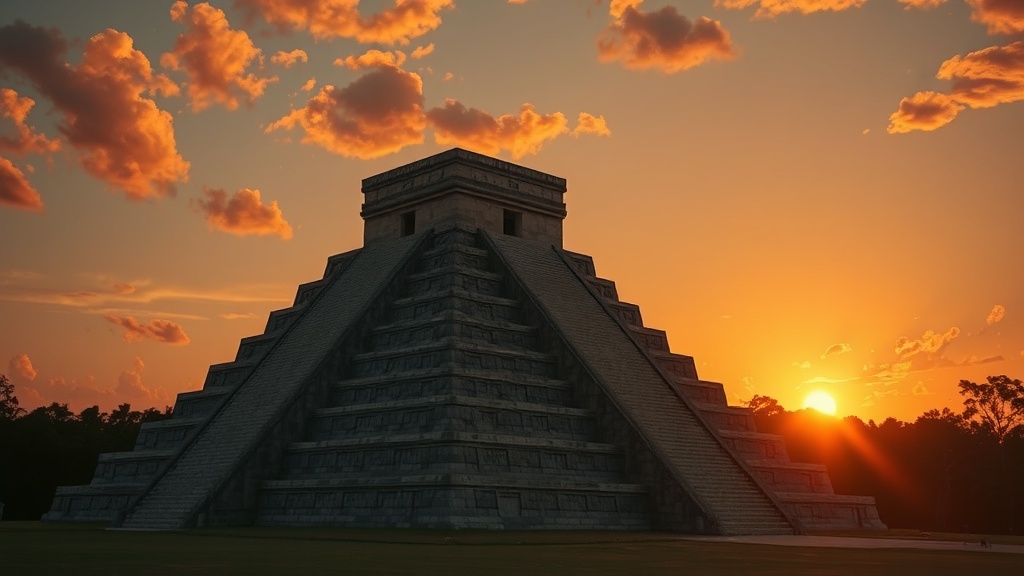
Chichén Itzá, the famous one — go at opening or don't bother. Uxmal and the Puuc route, quieter and to many eyes finer. Ek Balam, still climbable. Calakmul, deep in the jungle of Campeche, enormous and almost empty, with monkeys and jaguar tracks. Tulum, small but on a cliff above the Caribbean.
The cenotes
Thousands of them, from tourist-processed to entirely wild. Ik Kil and Dos Ojos are the famous ones and are busy; the ones on back roads around Homún and Cuzamá are the ones to look for. Cave diving here is world class and requires proper certification — people die every year who lacked it.
The Riviera Maya
Cancún's hotel zone, Playa del Carmen, Tulum's beach strip: enormous, well run, and in the case of Tulum a cautionary tale about what a decade of unregulated development does to a place people loved. Isla Holbox, Cozumel and Isla Mujeres are the calmer alternatives.
Sargassum
The seaweed that has been washing onto the Caribbean coast since 2015, worst roughly April to August, sometimes in quantities that make swimming unpleasant and smell strongly as it rots. Hotels rake it; some beaches escape it. If beach quality is the point of your trip, come in the dry season and check recent reports.
The Tren Maya
The 1,500 km railway around the peninsula, opened in stages from late 2023, linking Cancún, Mérida, Palenque, Campeche and the ruins. It has been heavily criticised on environmental grounds — cenote systems, jungle clearance — and it does make the peninsula much easier to travel without a car. Both of those are true.
🌊 The Pacific and Baja
Baja California Sur
The best of the two Bajas for a visitor: La Paz for whale sharks and the islands of the Sea of Cortez, Loreto, and the desert-meets-sea landscape of Bahía de Concepción. Los Cabos at the tip is expensive and Americanised and has good diving.
The grey whales
January to March in the lagoons of the Pacific side — Ojo de Liebre, San Ignacio, Magdalena Bay — where grey whales calve and where mothers routinely bring calves to boats to be touched. It is one of the most extraordinary wildlife encounters available anywhere and it is not expensive.
Valle de Guadalupe
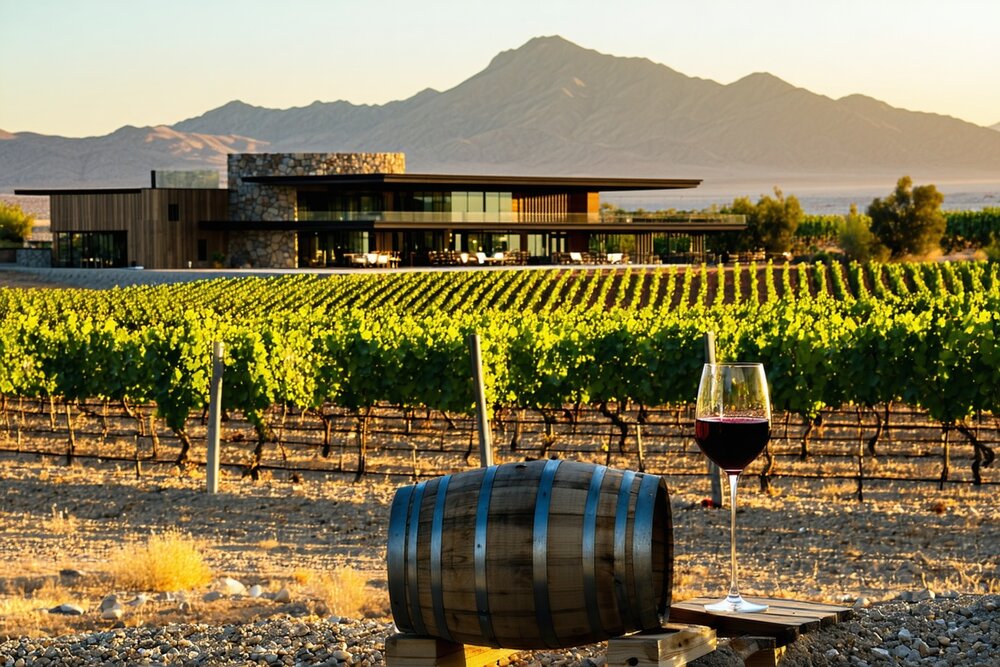
Mexico's wine country, inland from Ensenada in Baja California: around 150 wineries producing something like 70% of Mexican wine, in a dry mountain valley with a striking modern architecture scene and some of the best restaurants in the country. It is a serious wine region that almost nobody in Europe has heard of.
Puerto Vallarta and the Riviera Nayarit
The most attractive of the big Pacific resorts, with a real town behind the hotels, a long-established gay scene, and the Sierra Madre coming down to the sea. Sayulita and San Pancho north of it for surf towns; Yelapa for no road at all.
Oaxaca and Guerrero coasts
Covered above; Acapulco, once the glamorous one, was devastated by Hurricane Otis in October 2023 and has both a rebuilding effort and a Level 4 state advisory. Approach with current information.
The Copper Canyon railway
El Chepe, from Chihuahua to Los Mochis through the Barrancas del Cobre: one of the world's great train journeys, 650 km, 37 bridges, 86 tunnels, through the homeland of the Rarámuri. Chihuahua and Sinaloa both carry serious advisories; the train itself is the standard way to do it and the risk is in the surrounding region, not on board.
🏭 The North
The half of Mexico that visitors almost never see: richer, drier, more industrial, more American in habit, and with both the country's best manufacturing economy and its worst security problems, often in adjacent states.
Monterrey
The industrial capital and the wealthiest city in Mexico, wedged against the Cerro de la Silla in a ring of dramatic mountains. A World Cup host city in 2026. Excellent museums (MARCO), a serious food culture built on grilled meat, and the Parque Nacional Cumbres and Huasteca Canyon for climbing and canyons on the doorstep.
Guadalajara
Technically the west rather than the north, but the same story: Mexico's second city, host of the 2026 World Cup matches, home of mariachi and of Tequila town an hour away, with Orozco's murals in the Hospicio Cabañas — a UNESCO site — and a large tech sector.
The border cities
Tijuana, Ciudad Juárez, Nuevo Laredo, Matamoros: industrial, hard-working, and carrying the worst of the security ratings. Tijuana has a genuinely interesting food and craft-beer scene and is a short walk from San Diego; the others are not places to go without a reason.
The deserts
The Chihuahuan and Sonoran deserts, with extraordinary cactus and endemic flora, the Cuatro Ciénegas wetlands in Coahuila — pools of stromatolites studied as analogues for early life on earth — and vast empty landscapes very few outsiders cross.
Real de Catorce
A silver ghost town in San Luis Potosí at 2,750 m, reached through a 2.3 km mine tunnel, half-ruined and half-revived, and the edge of Wirikuta — the Wixárika (Huichol) sacred landscape whose pilgrimage route was inscribed by UNESCO in 2025 as Mexico's thirty-sixth World Heritage site.
Practical caution
The north is where the state-by-state advisories bite hardest. Fly rather than drive between northern cities, never drive at night, use toll roads, and treat Sinaloa, Tamaulipas and Zacatecas as requiring a specific reason and specific local advice.
🏛️ How to Actually See the Ruins
There are around 200 archaeological sites open to the public and some 50,000 registered. Most visitors see two or three, usually the busiest. A little planning gets you far better ones with far fewer people.
The unmissable four
Teotihuacán (an hour from Mexico City; go at 09:00 opening), Chichén Itzá (go at opening or skip), Palenque (the finest carving in the Maya world, in jungle), Monte Albán (a mountaintop above Oaxaca). Between them they cover 2,000 years and four civilisations.
The better-value alternatives
Uxmal instead of, or as well as, Chichén Itzá — arguably more beautiful and a fraction as busy. Calakmul in the Campeche jungle: enormous, remote, with monkeys and an unbroken forest horizon from the top. Ek Balam, where you can still climb. Yaxchilán, reached only by boat up the Usumacinta.
The rules
You may no longer climb El Castillo at Chichén Itzá, the Pyramid of the Sun at Teotihuacán, or most major structures — this changed in stages and catches people out. Sites open around 08:00–09:00 and close at 17:00. There is a small extra fee for using a tripod or professional camera.
Guides
Worth it at the big sites and near-essential at Teotihuacán and Chichén Itzá, where the layout means nothing without explanation. Official guides wear INAH accreditation; agree the price and the language before starting. At quiet sites you can happily do without.
Timing and heat
Yucatán sites are brutally hot by 11:00 with no shade. Arrive at opening, carry more water than you think, wear a hat, and be finished by noon. Highland sites — Teotihuacán, Monte Albán — are gentler but at altitude and burn you faster than you expect.
The museums first
The Museo Nacional de Antropología in Mexico City before anything else if you can: it makes every subsequent site legible. The site museums at Palenque, Monte Albán and Templo Mayor are all excellent and usually skipped.
💀 Day of the Dead, Murals and Lucha Libre

Día de Muertos
1–2 November, on UNESCO's intangible heritage list, and profoundly misunderstood abroad. It is not Mexican Halloween and it is not morbid: it is a family occasion in which the dead are welcomed home with their favourite food, marigolds and photographs. The great public versions are in Oaxaca, Pátzcuaro and Mixquic. The Mexico City parade is a recent invention, created after a James Bond film opened with a fictional one in 2015.
The muralists
After the Revolution the state put Diego Rivera, José Clemente Orozco and David Alfaro Siqueiros to work painting national history on public walls, on the theory that a largely illiterate country should be able to read its story. The results are in the National Palace, Bellas Artes, the Hospicio Cabañas in Guadalajara and the university in Mexico City, and they are free or nearly so.
Frida Kahlo
Now the most reproduced artist on earth, which has slightly buried the work. The Casa Azul in Coyoacán, where she was born and died, sells out weeks ahead and must be booked online. The Museo Dolores Olmedo holdings and the Museo de Arte Moderno also hold major works.
Lucha libre
Masked wrestling, taken seriously as popular theatre, with a century of tradition, hereditary characters, and the rule that losing your mask is a catastrophe. The Arena México on Friday nights is the temple. It is loud, funny, family-friendly and cheap, and it is one of the best evenings available in Mexico City.
Music
Mariachi, from Jalisco and on the UNESCO list; son jarocho from Veracruz; banda and norteño in the north; corridos, the narrative ballad form, whose modern narcocorrido variant is banned from some state airwaves and is enormously popular. Plaza Garibaldi in Mexico City for mariachi for hire.
Crafts
Among the richest craft traditions anywhere: Oaxacan alebrijes and black pottery, Michoacán copper and lacquer, Talavera from Puebla, huipiles and weaving across the south, Huichol beadwork. Buy from the maker or a cooperative rather than an airport shop; the price difference is small and the money goes to a different place.
🌽 One of the World's Great Cuisines
Mexican cooking was inscribed on UNESCO's intangible cultural heritage list in 2010 — the first cuisine ever so listed — and what is served under the name abroad has close to nothing to do with it. There are no burritos in most of Mexico, cheddar is not involved, and the chilli is for flavour far more often than for heat.

The foundation
Maize, treated with lime in a process called nixtamalización that has been used for three thousand years and that makes its nutrients available — one of the most important pieces of food technology ever developed. Then beans, squash, tomato, avocado and something like 64 varieties of chilli, most of them mild.
Tacos, properly
Small corn tortillas, two to a serving, with onion, coriander, lime and salsa on top and nothing else. Al pastor from the spit, carnitas (slow-cooked pork, Michoacán), carne asada, barbacoa (pit-cooked lamb, weekends only), cochinita pibil (Yucatán, achiote and sour orange), de guisado (stews). Eaten standing, at night, from a stall.
The regional dishes
Mole — Oaxaca claims seven, Puebla claims the poblano, and a proper one has twenty to thirty ingredients and takes days. Chiles en nogada, the patriotic dish, only in season around September. Pozole, hominy soup, red or white or green. Tamales, steamed in maize husk or banana leaf, eaten at breakfast. Cochinita pibil, sopa de lima, tlayudas, chilaquiles.
The insects and the strange
Chapulines (grasshoppers with chilli and lime, Oaxaca), escamoles (ant larvae, sometimes called Mexican caviar), huitlacoche (a maize fungus with a deep smoky flavour, and delicious), gusanos de maguey. All are pre-Columbian, all are seasonal, and all are worth trying once.
How to eat well
Follow the queues. A busy stall turns over its ingredients fast and is safer than an empty restaurant. Eat comida, the main meal, in the mid-afternoon as Mexicans do. Order the comida corrida in a fonda — soup, main, drink, for a few euros. And eat in markets: Mercado 20 de Noviembre in Oaxaca, San Juan in Mexico City.
The heat question
The chilli in the dish is usually mild. The salsa on the table is not. Ask ¿pica? — does it bite — and believe the answer. Habanero salsa in Yucatán is genuinely fierce. Add it drop by drop; nobody will think less of you.
👨🍳 Two Recipes You Can Actually Make
One street classic and one Sunday project. Both need dried chillies, which are sold in any Latin American shop and online, and neither needs a spit.
Tacos al Pastor — the Oven Version
Serves 4-6 · 20 min prep · 4 h marinating · 40 min cooking · Mexico City's night food
Ingredients: 1 kg pork shoulder, sliced thin (about 5 mm); 4 dried guajillo chillies; 2 dried ancho chillies; 1 tbsp achiote (annatto) paste; 3 cloves garlic; ½ white onion; 100 ml pineapple juice; 2 tbsp white vinegar; 1 tsp dried oregano; ½ tsp cumin; 2 cloves; salt. To serve: small corn tortillas, finely chopped white onion, chopped coriander, fresh pineapple in small dice, limes, salsa.
Method: Stem and seed the dried chillies, toast them in a dry pan for 20 seconds a side until they smell fragrant — no longer, or they turn bitter — then soak in hot water for 20 minutes. Blend with the achiote, garlic, onion, pineapple juice, vinegar, oregano, cumin, cloves and salt into a smooth marinade. Turn the sliced pork through it and refrigerate at least four hours, ideally overnight. To cook without a spit: stack the slices tightly in a loaf tin, press down hard, and roast at 200 °C for about 40 minutes until the top is charred. Rest, then slice down through the stack — this gives you the layered edges that a vertical spit produces. Fry the slices briefly in a hot pan to crisp them.
💡 Warm the tortillas on a dry pan, never in a microwave. Two tortillas per taco, meat, then onion and coriander, then a little diced pineapple, then salsa and lime. Do not add cheese, lettuce, sour cream or a wheat tortilla; none of them belongs anywhere near this.
Sopa de Lima — Yucatecan Lime and Chicken Soup
Serves 4 · 15 min prep · 40 min cooking · the best soup in Mexico
Ingredients: 4 chicken thighs on the bone; 1.5 l chicken stock or water; 1 white onion, halved; 4 cloves garlic; 1 green pepper; 2 tomatoes; 1 tsp dried oregano (Mexican if possible); ½ tsp allspice; 1 bay leaf; the juice of 3-4 limes — the Yucatán uses lima agria, and a mix of lime with a little grapefruit or bitter orange juice comes closer than lime alone; 4 corn tortillas cut in strips; oil for frying; salt; coriander and a habanero to serve.
Method: Simmer the chicken in the stock with half the onion, two garlic cloves, the bay leaf and a little salt for 25 minutes, then lift out, shred the meat and keep the broth. Finely chop the rest of the onion, the garlic, the pepper and the tomatoes and fry gently in oil until soft, about 8 minutes. Add the oregano and allspice, cook one minute, then pour in the strained broth and simmer 10 minutes. Return the shredded chicken. Take the pot off the heat before adding the lime juice — boiling it turns it bitter. Taste and adjust: it should be assertively sour. Fry the tortilla strips in hot oil until crisp and drain them.
💡 Serve the soup with a generous handful of tortilla strips on top, coriander, and a slice of lime. Put a habanero salsa on the table and let people ruin themselves at their own pace. It is the single best argument for going to Mérida.
🥃 Mezcal, Tequila and a Wine Region Nobody Expects

Tequila
Made only from blue agave (Agave tequilana), only in a defined region centred on Jalisco. Look for "100% de agave" on the label — anything else is a mixto cut with up to 49% other sugars and is what causes the reputation. Blanco unaged, reposado two to twelve months, añejo longer. Drink it neat and slowly; the shot-salt-lime ritual is for bad tequila.
Mezcal
The older, broader category: any of some thirty agave species, roasted in earth pits, which is where the smoke comes from. Mostly from Oaxaca, mostly artisanal, and vastly more varied than tequila. Espadín is the common one; tobalá, tepeztate and madrecuishe are wild agaves that take a decade or more to mature and taste like nothing else.
The other agave drinks
Pulque, the fermented sap, mildly alcoholic, viscous, pre-Columbian and an acquired taste — the pulquerías of Mexico City are having a revival. Raicilla and bacanora, regional agave spirits from Jalisco and Sonora that until recently were effectively illegal.
Wine
Genuinely good and almost unknown abroad. Valle de Guadalupe in Baja California produces around 70% of Mexican wine from some 150 wineries — Nebbiolo, Tempranillo, Cabernet, and increasingly interesting blends — in a dry mountain valley with a food scene to match. Mexico has in fact the oldest winery in the Americas, Casa Madero in Coahuila, founded in 1597.
Beer and the rest
A large industrial brewing industry (Corona, Modelo, Pacífico, Victoria) and a good craft scene in Tijuana, Mexico City and Guadalajara. A michelada — beer with lime, salt and chilli sauce — is better than it sounds. Then aguas frescas (hibiscus, tamarind, horchata), café de olla with cinnamon and piloncillo, and hot chocolate, which was invented here.
Drinking sensibly
Alcohol is cheap and measures are generous. Two specific cautions: never leave a drink unattended in resort areas, where spiking has been a documented problem, and be careful with untaxed spirits in cheap bars. Stick to sealed bottles and busy places and there is no issue.
🏆 Thirty-Six World Heritage Sites
More than any other country in the Americas, and more than Japan, India or Russia: 36 sites, of which 28 are cultural, 6 natural and 2 mixed. Most visitors see three or four. Here is how they group.
The pre-Hispanic cities
Teotihuacán, Chichén Itzá, Palenque, Monte Albán (with historic Oaxaca), Uxmal, El Tajín, Xochicalco, Paquimé, Calakmul (a mixed site, for the jungle as well as the city) and the Cave of Yagul and Caballito Blanco, which holds the earliest evidence of plant domestication in the Americas.
The colonial cities
Mexico City's historic centre and Xochimilco, Puebla, Oaxaca, Guanajuato, Morelia, Zacatecas, Querétaro, Campeche, Tlacotalpan, San Miguel de Allende and the Camino Real de Tierra Adentro, the 2,600 km silver road north.
The natural sites
Sian Ka'an (Caribbean wetlands and reef), the El Vizcaíno whale sanctuary in Baja, the Monarch Butterfly Biosphere Reserve, the islands of the Gulf of California, El Pinacate desert, and the Revillagigedo Archipelago, a remote Pacific marine reserve sometimes called the Mexican Galápagos.
The odd ones
The agave landscape of Tequila — a working farmed landscape inscribed for its distilleries and terraces. Luis Barragán's house in Mexico City, a single modernist dwelling. The Ciudad Universitaria campus. The Franciscan missions of the Sierra Gorda. And the aqueduct of Padre Tembleque, a sixteenth-century water channel.
The newest
The Wixárika Route through Sacred Sites to Wirikuta, inscribed in 2025: a 500 km pilgrimage route across five states, walked for centuries by the Wixárika (Huichol) people to the peyote desert of San Luis Potosí. It is a living religious practice, not a monument, and its inscription has been used by the community in a long fight against mining concessions.
Intangible heritage too
Mexico also has one of the world's longest lists of intangible heritage: traditional Mexican cuisine (the first cuisine ever inscribed), Día de Muertos, mariachi, the Voladores de Papantla, charrería, and Michoacán's pirekua song.
🦋 Whales, Butterflies and the Second Reef

The monarchs
Every autumn, monarch butterflies from Canada and the eastern United States fly up to 4,500 km to a handful of mountaintops in Michoacán and the State of Mexico — a journey no individual butterfly completes in both directions, so the route is inherited rather than learned. The reserves at El Rosario and Sierra Chincua are open roughly November to March.
The grey whales
January to March in the Baja lagoons, where the entire eastern Pacific population comes to calve. In San Ignacio and Ojo de Liebre mothers routinely bring their calves alongside small boats to be touched, a behaviour found essentially nowhere else. It is regulated, local-run and remarkable.
The Sea of Cortez
Whale sharks off La Paz (October to April), sea lions at Los Islotes, blue whales, orcas and mobula ray aggregations. Cousteau's "aquarium of the world" is under real pressure from overfishing, and the vaquita — the world's smallest porpoise, endemic to the northern Gulf — is down to a handful of individuals and is almost certainly the next mammal extinction.
The reef
The Mesoamerican Barrier Reef runs from Isla Contoy down past Cozumel toward Honduras and is the second-largest reef system on earth. Cozumel's walls are world-class diving. The reef has suffered badly from bleaching, stony coral tissue loss disease and coastal development, and several parks now cap visitor numbers.
The forests and the deserts
Cloud forest in Chiapas and Veracruz, the Lacandón rainforest, the Sian Ka'an wetlands, and desert of extraordinary botanical richness in the north — Cuatro Ciénegas, with endemic species found in single pools, and the cactus forests of the Tehuacán-Cuicatlán valley.
The pressures
Deforestation for avocado in Michoacán — directly conflicting with the monarch reserves — water extraction in the Yucatán, unregulated coastal building, and illegal wildlife trade. Mexico's conservation science is strong; enforcement is chronically underfunded and locally dangerous.
📅 When to Go
The short answer
November to April for the dry season, with late October to early December and March as the sweet spots — dry, not yet peak-priced, and either side of the northern-hemisphere holiday rush.
Day of the Dead
Late October to 2 November, and the single best cultural reason to time a trip. Oaxaca and Pátzcuaro book out months ahead and prices rise sharply; smaller towns in the same regions are just as good and half empty. Go respectfully — cemetery vigils are family occasions, not photo opportunities.
Christmas and Semana Santa
Mid-December to early January and Holy Week are when Mexicans travel domestically. Beaches and colonial towns fill, prices peak and transport books out. Semana Santa in particular is worth avoiding unless you specifically want the processions, which in Taxco and San Miguel are extraordinary.
The wet season
May to October. Much better than its reputation: hot bright mornings, an afternoon storm, green landscapes, thin crowds and lower prices. The exceptions are hurricane risk on both coasts and the sargassum season in the Caribbean.
Wildlife timing
Monarchs November–March. Grey whales January–March. Whale sharks off Isla Mujeres and La Paz roughly June–September and October–April respectively. Turtle nesting on both coasts July–November. Almost none of these overlap with each other.
Regional notes
The Yucatán is at its most pleasant December–February and punishing in May. Mexico City is agreeable all year but hazy and polluted in the dry spring months. Baja is best October–April; summer inland is dangerous heat. Chiapas highlands are cold and wet from June.
✈️ Getting There and Getting Around
Flying in
Mexico City (MEX) is the main hub, with the newer Felipe Ángeles (NLU) north of the city taking some traffic — check which one your ticket says, they are 50 km apart. Cancún (CUN) takes the most international leisure traffic. Also Guadalajara, Monterrey, Mérida, Tijuana and Los Cabos.
From Europe
Direct from Madrid, Paris, Amsterdam, Frankfurt, London, Lisbon and Rome to Mexico City or Cancún, typically 11–12 hours. Nothing direct from Central Europe. Aeroméxico, Iberia, Air France, KLM, Lufthansa, British Airways and TUI all fly it.
Domestic flights
The right answer for long distances. Volaris and Viva Aerobus are low-cost and often absurdly cheap if booked ahead, with strict and enforced baggage rules; Aeroméxico is the full-service option. Mexico is very large — Mexico City to Cancún is two and a half hours flying and 24 hours driving.
The buses
Mexico's long-distance buses are excellent and a genuine reason not to fly: first-class operators (ADO in the south and east, ETN and Primera Plus in the centre and west) run reclining seats, air conditioning and films on modern coaches at reasonable prices. Take first class rather than second, and take daytime services where you can.
Trains
Almost no passenger rail, with three exceptions: El Chepe through the Copper Canyon, the Tren Maya around the Yucatán, and the Tequila Express tourist train from Guadalajara. Everything else moves by road.
Driving
Feasible and rewarding in the Yucatán, Baja and the Bajío; less so elsewhere. Use the toll roads (cuotas) — they cost real money and are far safer and faster than the free libres. Take the extra insurance; Mexican law requires local third-party cover and foreign policies do not satisfy it. And the rule that matters most: do not drive between cities after dark.
🧭 Practical Matters
Entry
Czech and EU citizens do not need a visa for tourist stays of up to 180 days. Paper immigration forms have largely gone — you get a stamp with a number of days written on it, and you should check what the officer wrote, because it is increasingly often far fewer than 180. Some travellers report being asked for onward tickets and accommodation; have both to hand.
Money
The peso (MXN). Cards are widely accepted in cities and resorts; markets, small towns, taxis and street food are cash. Use ATMs inside banks in daylight; avoid free-standing ones in tourist strips. Always decline the machine's offer to convert to your own currency — the rate is dreadful. Tipping is expected: 10–15% in restaurants.
Water and food
Do not drink the tap water. Bottled and filtered water is universal and hotels supply it. Ice in established places is made from purified water and is fine. Street food is safe if the stall is busy and the food is cooked in front of you; the actual risk is unrefrigerated salsas and salads in quiet places.
Health
No vaccinations are required. Hepatitis A and typhoid are commonly advised; dengue is present and rising in the tropical lowlands, so use repellent day and night. Altitude in Mexico City and the highlands is real. Private hospitals are good and expensive — take insurance with proper medical cover and, if you plan to dive or climb, make sure it covers that.
Connectivity
Good 4G/5G in cities and along main roads, patchy in the mountains and jungle. Local SIMs and eSIMs (Telcel has the best coverage) are cheap and easy. EU roaming does not apply.
Language and manners
English is limited outside resorts — much more so than visitors expect. Basic Spanish transforms the trip. Mexicans are formal and courteous: greet before asking, use usted with strangers, do not be brusque. Bargaining is normal in craft markets and not in shops. And ask before photographing people, particularly in indigenous communities, where it can be genuinely unwelcome.
💶 What It Costs
Mexico is excellent value for a European, with the caveat that the Caribbean resort strip is priced in dollars and is not cheap at all. The spread between the two Mexicos is enormous: the same day can cost 30 euros or 300.
Sleeping
Hostel dorm €10–18. A decent mid-range hotel or boutique guesthouse in Oaxaca, Mérida or Puebla €40–75. Mexico City's Roma and Condesa €60–120. A Riviera Maya all-inclusive or a Tulum beach hotel, anywhere from €150 to genuinely absurd.
Eating
Street tacos €0.60–1.20 each. A comida corrida — soup, main, drink — €4–7. A good sit-down restaurant meal €12–25. Mexico City's world-ranked restaurants €80–150 with wine, which is a fraction of the European equivalent.
Getting about
A first-class ADO bus Mexico City to Oaxaca, six hours, around €30. A domestic flight booked ahead €40–90. Uber across Mexico City €3–8. Metro tickets €0.25. Car hire from €25–40 a day plus the compulsory insurance, which roughly doubles the advertised price.
Sights
Archaeological sites €4–30 — Chichén Itzá is by far the most expensive because the state adds its own levy; most sites are under €5. The Anthropology Museum about €5. A guided day trip €35–70. Diving a two-tank day €90–130.
A realistic daily budget
€35–50 a day backpacking on buses, hostels and street food. €80–120 a day comfortably: mid-range hotels, restaurants, occasional flights, entry fees. €250+ on the Caribbean coast doing it properly. Flights from Europe are the largest single line in any of these.
In Czech terms
A return flight from Prague via a European hub typically 18,000–28,000 Kč booked ahead. On the ground, 2,000–2,800 Kč a day covers a comfortable trip outside the Caribbean strip. Three weeks in central and southern Mexico, flights included, is achievable for around 60,000–75,000 Kč per person.
🇨🇿 Notes for Czech Visitors
Getting there
No direct flight from Prague. The usual routings are via Madrid (Iberia), Paris (Air France), Amsterdam (KLM) or Frankfurt (Lufthansa) to Mexico City or Cancún, about 15–18 hours door to door with one connection. Return fares booked a few months ahead typically run 18,000–28,000 Kč.
Documents
Czech citizens need no visa for tourism up to 180 days — but check the number of days the officer writes into your stamp, because shorter grants have become common. Passport valid for the stay. Have a return ticket and a first night's booking ready to show.
MZV ČR and DROZD
The Czech foreign ministry advises increased caution for Mexico and publishes state-by-state notes; read them alongside the more granular US advisories. Register your trip in DROZD — for a country this size, with this much regional variation, it is genuinely worth doing. The Czech embassy is in Mexico City and also covers Belize, Guatemala, Honduras, El Salvador and Nicaragua.
Money and health
Peso, cards widely accepted, cash essential outside cities. The EHIC does not apply — this is not Europe. Take commercial travel insurance with proper medical cover and repatriation; private hospital bills in Mexico are American-sized. Altitude in Mexico City catches people out on day one.
Language
Spanish, and English much less widely spoken than Czech travellers expect. Even a hundred words changes the trip completely, and Mexican Spanish is clear, slow by Spanish standards and forgiving of learners. Locals are notably patient and encouraging with people trying.
Why it works well from Prague
Because the ground costs are low enough that the long flight amortises quickly. A three-week trip covering Mexico City, Oaxaca and the Yucatán is achievable for around 60,000–75,000 Kč including flights — comparable to two weeks in Norway, for a country with 36 UNESCO sites and one of the world's great cuisines.
🤯 Things That Are Genuinely Strange About Mexico
The city is sinking, fast
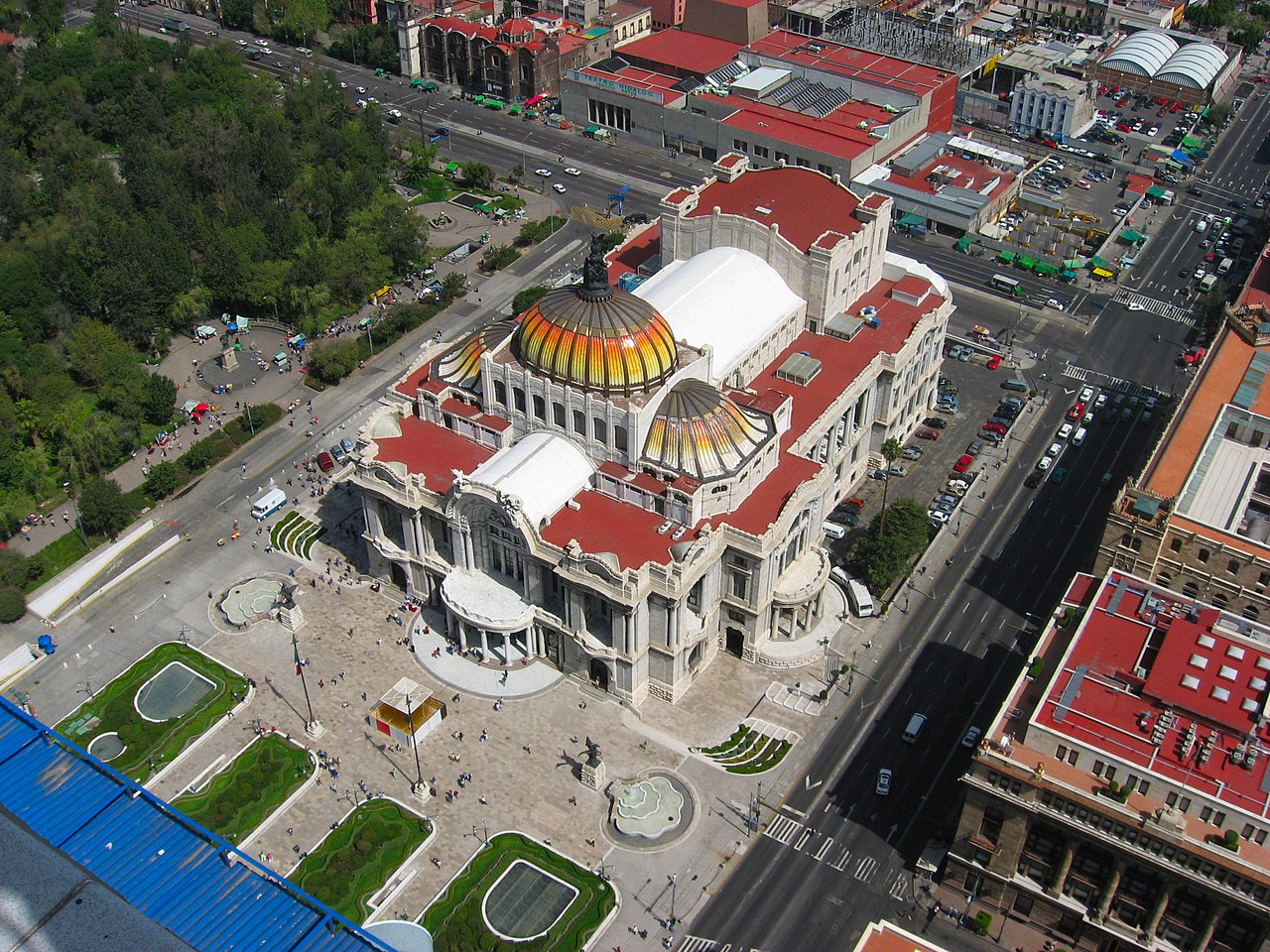
Mexico City was built on a drained lakebed and is subsiding as the aquifer beneath it is pumped out — parts of it by up to 40 cm a year. The Metropolitan Cathedral has visibly tilted, the Palacio de Bellas Artes has dropped several metres since 1934, and its ground floor is now effectively a basement.
Half the country was lost in one treaty
In 1848, after the Mexican–American War, Mexico ceded roughly half its national territory — what became California, Nevada, Utah, most of Arizona and New Mexico, and parts of Colorado and Wyoming. The border you see today is younger than most European ones.
Zero, invented independently
The Maya developed a positional numeral system with a symbol for zero centuries before the concept reached Europe from India via the Arab world. They also tracked the synodic period of Venus to within a couple of hours a century.
A pyramid bigger than Giza
The Great Pyramid of Cholula in Puebla has the largest volume of any pyramid on earth — about twice that of Giza's Great Pyramid — and looks like a hill, because it is overgrown and has a Spanish church built on top of it. The Spaniards did not know it was there.
The colour of the world
Cochineal, a scale insect farmed on nopal cactus in Oaxaca, was for three centuries Mexico's second most valuable export after silver. It dyed the red coats of the British army and the robes of cardinals, and Spain kept its biological origin secret for two hundred years.
It gave the world dinner
Maize, tomato, chilli, cacao, vanilla, avocado, turkey, common beans, squash and pumpkin all come from Mexico. Remove them and Italian food loses tomatoes, Indian food loses chillies, Belgian chocolate ceases to exist and the Irish potato famine happens to a different crop.
🔮 What Happens Next
The trade question
Everything economic turns on the USMCA review that opened in July 2026 with a US administration calling the agreement irrelevant. Mexico's manufacturing boom, the peso, and a decade of nearshoring investment all rest on continued preferential access to the American market. There is no plan B of comparable size.
Security
The 51% fall in homicides reported in September 2026 is the most encouraging security number in twenty years, achieved by targeting cartel leadership and by intense US cooperation. Whether it holds is the question: previous Mexican governments have produced short-lived improvements by decapitating organisations that then fragmented into something worse.
Water
Mexico City's aquifer is being drawn down faster than it recharges, the north is in long-run drought, and the Yucatán's underground water system is under pressure from tourism and agriculture. Water, not crime, may be the constraint that defines the next twenty years.
The judiciary
The 2025 shift to electing judges by popular vote is the most radical institutional change in decades and remains unresolved in its effects. Supporters call it democratisation of a captured judiciary; critics warn it removes the last effective check on a dominant party and exposes courts to organised crime. Both arguments will be tested in this sexenio.
Tourism
Around 45 million international arrivals a year and record spending, but with growth close to flat in 2026 and heavy concentration on the Caribbean coast. The obvious upside is the interior — Oaxaca, Puebla, the Bajío, Chiapas — which is where the country is most interesting and least visited.
The realistic outlook
Mexico in 2036 will be richer, older, more urban, still fused to the American economy, and still governed by the tension between an extraordinary cultural inheritance and institutions that struggle to protect it. It is not a country in crisis, whatever the headlines suggest — it is a large, complicated middle-income democracy with an unusually difficult neighbour.
🧳 Should You Actually Go?

Go if
You want world-class archaeology at a fraction of Egypt's or Peru's prices and crowds. You care about food — this is one of the four or five great cuisines and the best of it costs nothing. You want colonial cities, or diving, or whales, or a genuinely living indigenous culture rather than a museum of one.
Don't go if
You want a country you can improvise across without any Spanish. You are unwilling to read state-level travel advice and plan around it. Or you want an unbroken beach holiday and nothing else — the Caribbean is superb but Mexico is a poor use of a long-haul flight if that is all you do.
The two-week version
Four days Mexico City (Anthropology Museum, Centro, Teotihuacán, Coyoacán), four days Oaxaca (city, Monte Albán, the valley villages, mezcal), a day in Puebla, then five days in the Yucatán — Mérida, Uxmal, a quiet cenote, and Chichén Itzá at opening. Buses and one internal flight.
The mistake most people make
Flying into Cancún, staying inside a resort, taking one coach trip to Chichén Itzá at midday, and concluding they have seen Mexico. It is a very long way to come to see the least interesting 2% of the country.
Travelling decently here
Buy crafts from makers and cooperatives. Learn some Spanish. Do not photograph people, and especially not cemetery vigils at Day of the Dead, without asking. Do not buy anything made from turtle, coral, or jaguar. And do not buy drugs — the direct consequences fall on people who live there.
The verdict
One of the half-dozen most rewarding countries in the world to travel in, and one of the most consistently misrepresented. The archaeology, the food, the cities and the wildlife would each on their own justify the trip. Go with a plan, some Spanish and a look at the state-level advice, and Mexico is straightforward, cheap and extraordinary.
📸 Gallery — Two Local Files, Eleven Photographs Added
The bucket holds exactly two images for a country of two million square kilometres: 01-hero.jpg and valle-guadalupe.jpg. Around a hundred candidate filenames were tested by HTTPS probing and nothing else exists — the sixth consecutive country in this remaster run to produce a two-image set. For a country with 36 World Heritage sites, that is not a workable basis for a page, so eleven photographs from Wikimedia Commons have been added, every one of them opened and checked before captioning and every URL verified to return HTTP 200.
The eleven added photographs
Zócalo and cathedral, Palacio de Bellas Artes from above, Teotihuacán from the Pyramid of the Moon, the real El Castillo, Palenque from the Temple of the Cross, Cenote Ik Kil, a domestic Day of the Dead ofrenda, tacos al pastor at a night stall, the oyamel forest of the monarch reserve, the Barrancas del Cobre, and the agave fields at Tequila. All are on Wikimedia Commons, all were opened and inspected here, and all are captioned by what is actually in the frame.
Why they were added
Because the Abkhazia page — the model for this bilingual series — already uses six Commons photographs alongside its local hero, so this is the established practice on this site rather than a departure from it. And because two stock images cannot carry Teotihuacán, Palenque, Monte Albán, the Zócalo, the monarch migration and the grey whales between them.
Honest about the added images too
Three of the eleven have caveats and are captioned accordingly. The agave field was shot through a vehicle window — the reflections and the overhead cable are visible. The monarch forest shows the oyamel firs clearly and the butterflies only as dark masses on the branches; it is a picture of the habitat rather than of the spectacle. And the cenote is deliberately the unflattering one: life jackets, a queue and several hundred visitors, because that is what Ik Kil is actually like.
The two-image pattern, sixth country running
Martinique, Mauritania, Mauritius, Mayotte, Melilla and now Mexico have each yielded exactly two country files, with the same 01-hero.jpg plus one other. Six consecutive countries — including one of the largest and most-photographed countries on earth — is conclusive: this is a defect in how the image set was built, not a property of these six places. It needs investigating directly.
No fabricated links here
Unlike the four countries before Melilla, the old Mexico page carried no Wikimedia hotlinks at all and therefore none of the fabricated or misdirected URLs found there. It used its two local files and an OpenStreetMap embed. That is worth recording as a negative result.
CORRECTION, added 2026-09-07
The S3 connection came back later the same day and this list was incomplete. The bucket holds six files for Mexico, not two: alongside 01-hero.jpg and valle-guadalupe.jpg there are mexico-wine-regions-map.jpg, wine-culture.jpg and two named wine bottles. The probing method could not guess those names. The "two-image pattern" claimed here and on four other pages was largely an artefact of the probing, not a property of the bucket — Melilla in fact has 13 files, Mali 23 and Malta 17. The eleven Commons photographs used on this page remain the right call for a country of this size, but the diagnosis attached to them was wrong and is corrected here rather than quietly deleted.
How this list was made
By systematic HTTPS probing of the bucket, because the AWS connection has now been unavailable for eleven consecutive countries. Every numbered slot and every plausible bare name was tested; only two files exist. Treat the local list as a minimum — a proper bucket listing is owed for the entire run from Luxembourg onward.
Support This Project 🌍
This World Travel Factbook is a labor of love – free to use for all travelers. If you find it helpful, consider supporting its continued development.