01
⚡ Key Facts
🏛️
Bucharest
Capital
👥
19.0 million
Population
📐
238,397 km²
Area
💰
RON
Currency
🗣️
Romanian
Language
🌡️
Continental
Climate
02
📖 Quick Facts
| **Capital** | Bucharest |
|---|---|
| Population | 19.1 million |
| Area | 238,397 km² |
| Currency | Romanian Leu (RON) |
| Language | Romanian |
| Time Zone | EET (UTC+2) |
| Driving Side | Right |
| Calling Code | +40 |
| Tourist arrivals 2024 | 14.26 million |
| Schengen | Full member January 2025 |
03
🌏 Overview
Romania occupies a crescent of land curving around the Carpathian Mountains, a country where medieval towns survived the twentieth century's devastation, where rural life continues patterns unchanged for generations, and where Transylvania's legendary atmosphere proves less about vampires than about genuine Gothic authenticity. Dracula tourism provides the hook, but Romania delivers substance far beyond Bram Stoker's fiction: fortified Saxon churches, painted Bucovina monasteries, Danube Delta wilderness, and a fascinating tension between Communist-era remnants and accelerating European integration.
Record Tourism 2024
14.26 million arrivals in tourist accommodations (+4.5% vs 2023, +7.7% vs 2019)—a new record.
30.2 million overnight stays recorded.
Regional leaders: - Bucharest: 2 million arrivals, 3.95 million overnight stays - Constanța: 1.75 million arrivals, 5.56 million overnight stays - Brașov: 1.5 million arrivals, 2.82 million overnight stays
2025 Momentum
H1 2025: 5.48 million arrivals (+0.8% vs H1 2024), 10.65 million overnight stays (+3.1%).
Foreign tourists growing: 2.34 million overnight stays (+5.2%), average stay 2.1 days.
Top source markets: Germany (104,800), Italy (103,000), UK (72,700).
Schengen Integration
Romania joined the Schengen Area January 1, 2025 for full land border integration (air and sea borders opened 2024). This makes travel significantly easier for European visitors—no more border controls.
Tourism GDP: ~5% of national GDP (2024).
04
📖 ️ Bucharest: The Complicated Capital
Bucharest confounds expectations with contradictions embodied in stone. Belle Époque architecture earning its "Little Paris" nickname survives alongside Communist-era apartment blocks and, dominating everything, Nicolae Ceaușescu's Palace of Parliament—the world's second-largest administrative building after the Pentagon.
Must-See
Palace of Parliament: Tours reveal 1,100 rooms of excessive marble, crystal chandeliers, and woodwork. €10 entry.
Old Town (Lipscani): Regenerated district with restaurants, bars, and nightlife—one of Europe's most vibrant party scenes.
Village Museum: Traditional structures from across Romania in open-air setting.
Romanian Athenaeum: Neoclassical concert hall hosting the George Enescu Festival.
Cișmigiu Gardens: Green respite in the city center.
Herăstrău Park: Contains the Palace of the Spring, Ceaușescu's lavish private residence.
Bucharest Stats 2024
- 2 million arrivals (leading all regions) - 3.95 million overnight stays - Gateway rather than destination for most visitors
05
📖 Transylvania: Beyond the Legend
Transylvania's name evokes Gothic horror, but the reality substitutes genuine medieval atmosphere for fictional vampires. Saxon settlers built fortified churches and walled towns that survived remarkably intact.
Brașov
Transylvania's tourism capital surrounded by mountains including Mount Tâmpa (accessible by cable car).
Highlights: - Black Church: Gothic Transylvania's largest, with medieval Anatolian carpets - Council Square and Saxon architectural legacy - Rope Street: Europe's narrowest - Poartă Schei: Historical boundary between German and Romanian quarters
2024: 1.5 million arrivals, 2.82 million overnight stays.
Sighișoara
UNESCO World Heritage Site—most complete medieval citadel in Romania. Clock tower, cobblestone streets, Vlad the Impaler's birth house (now a restaurant).
Sibiu
European Capital of Culture 2007. Large Square and Small Square connected through passages revealing architectural layers. ASTRA open-air museum nearby documents traditional Romanian life.
The Dracula Connection
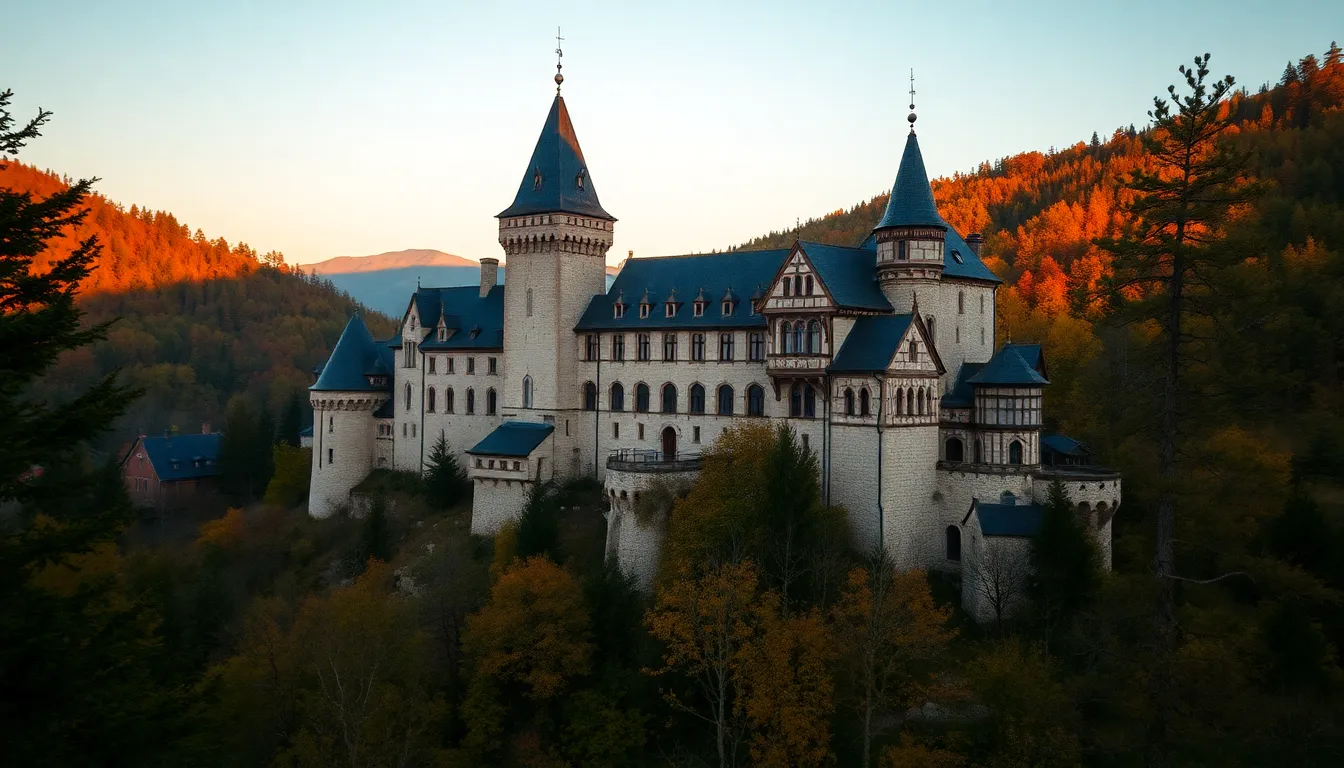
Bran Castle ("Dracula's Castle"): Dramatic hillside position but Vlad the Impaler never actually lived here. €12 admission includes medieval museum.
For authentic Vlad history: - Poenari Castle: His actual fortress—1,480 steps to reach the ruins - Curtea Domnească (Bucharest): Where Vlad actually lived - Snagov Monastery: Alleged burial site
06
📖 Painted Monasteries & Maramureș
Bucovina's Painted Monasteries (UNESCO)
Voroneț, Humor, Moldovița display 15th-16th century frescoes covering exterior walls—biblical narratives surviving centuries in vivid colors.
Maramureș
Traditional village life preserved: wooden architecture, hand-carved gates, agricultural practices unchanged for generations.
Merry Cemetery of Săpânța: Colorful tombstones with witty epitaphs and painted scenes depicting the deceased's lives.
Wooden churches: Distinctive tall spires (another UNESCO designation).
07
📖 Danube Delta
Europe's best-preserved delta (UNESCO Biosphere Reserve)—where the Danube meets the Black Sea. Over 300 bird species including pelicans. Accessible only by boat from Tulcea.
08
📖 ️ Legendary Roads
Transfăgărășan Highway: Top Gear declared it "the best road in the world." Switchbacks across Făgăraș Mountains, Bâlea Lake at summit. Open late June-October.
Transalpina: Alternative high-altitude route with fewer tourists.
09
🍽️ ️ Romanian Cuisine
Traditional dishes: - Mămăligă: Polenta-like cornmeal accompanying stews - Sarmale: Cabbage rolls with spiced meat and rice - Ciorbă: Sour soups (fermented wheat bran or lemon) - Mititei/Mici: Grilled seasoned minced meat rolls - Țuică: Plum brandy, often homemade
Restaurant meals: 30-60 RON ($7-14) for substantial mains.
Wines: Dealu Mare region offers quality exceeding reputation.
Sarmale
Stuffed Cabbage Rolls
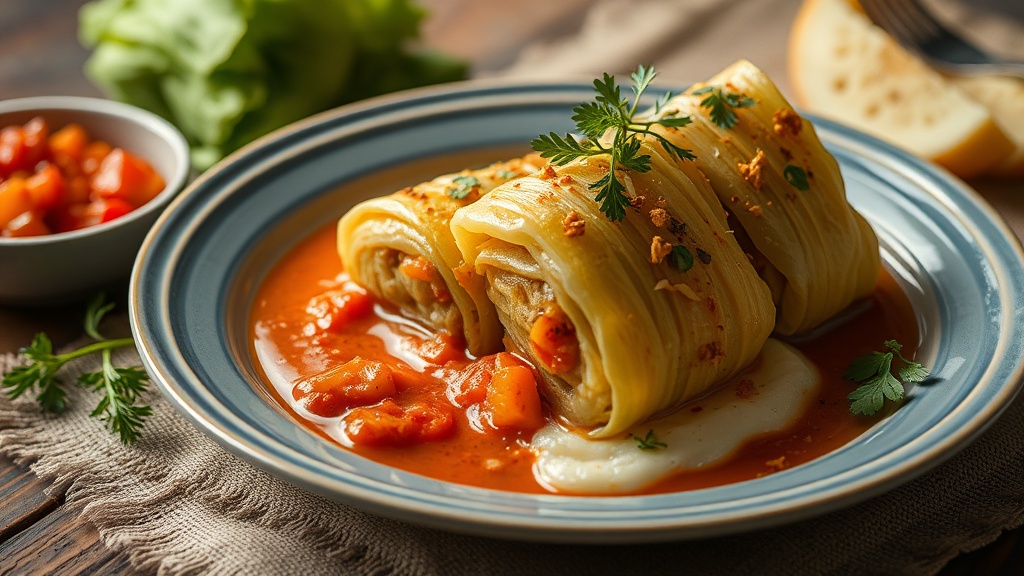
Cabbage rolls stuffed with pork and rice—Romanian celebration essential.
Ingredients: 1 head pickled cabbage, 500g pork mince, 120ml rice, 1 onion, Tomato paste, smoked bacon, Sauerkraut juice, Sour cream.
Preparation: Mix pork with rice, onion, seasonings. Roll in cabbage leaves. Layer with sauerkraut and bacon. Then add tomato and cabbage juice. Simmer 3-4 hours or bake. Finally, serve with sour cream and mămăligă.
💡 Even better reheated next day—make plenty.
Mămăligă
Romanian Polenta
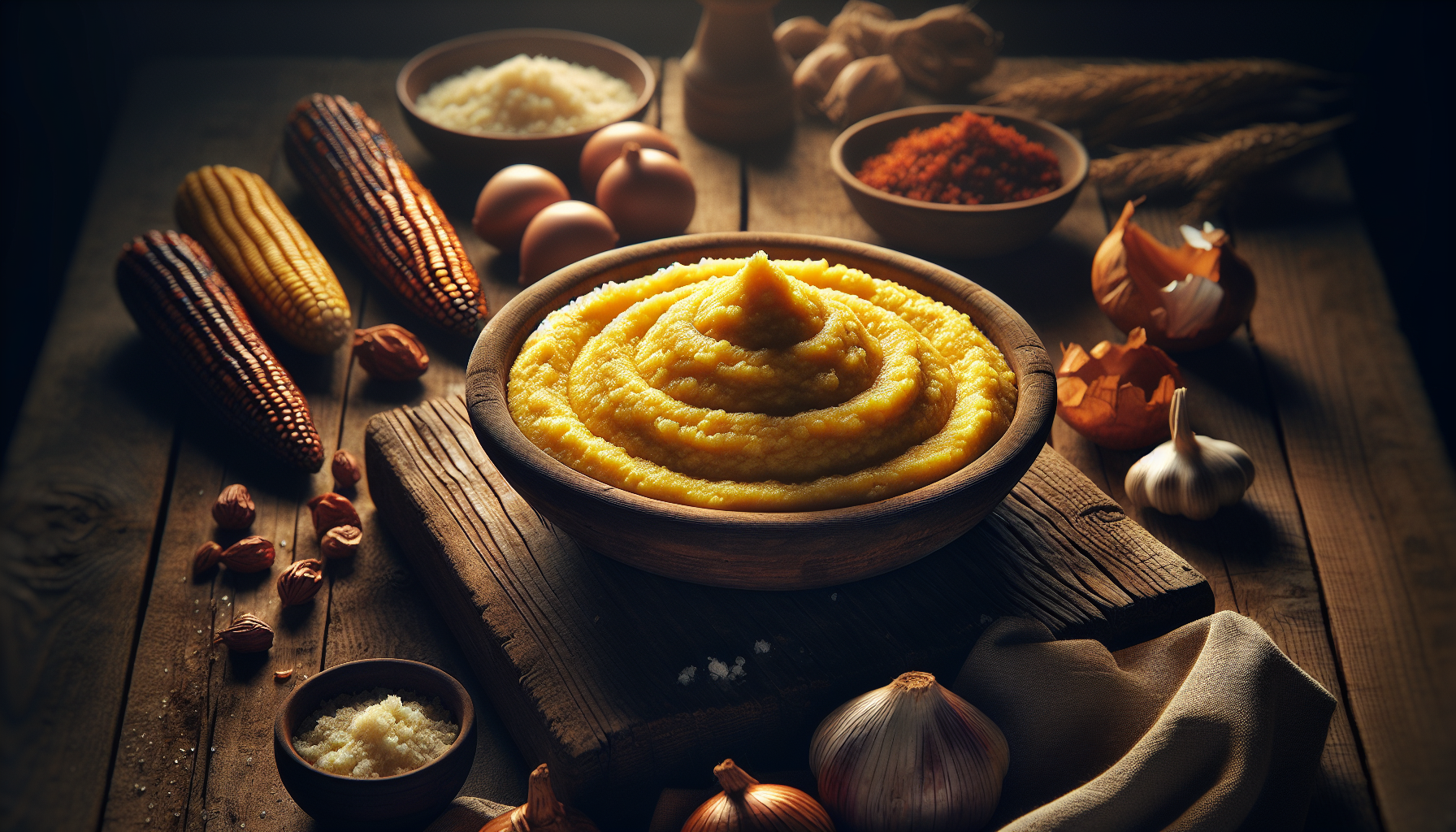
Firm cornmeal porridge—the Romanian staple eaten with everything.
Ingredients: 240ml coarse cornmeal, 720ml water, 5ml salt, Butter or sour cream.
Preparation: Boil salted water. Pour in cornmeal slowly, stirring. Stire constantly to prevent lumps. Then cook until very thick and pulls from pot. Turn onto board. To finish, slice with thread, serve with butter/sour cream.
💡 Traditional mămăligă is sliced with thread, never a knife.
Ciorbă de Burtă
Tripe Soup
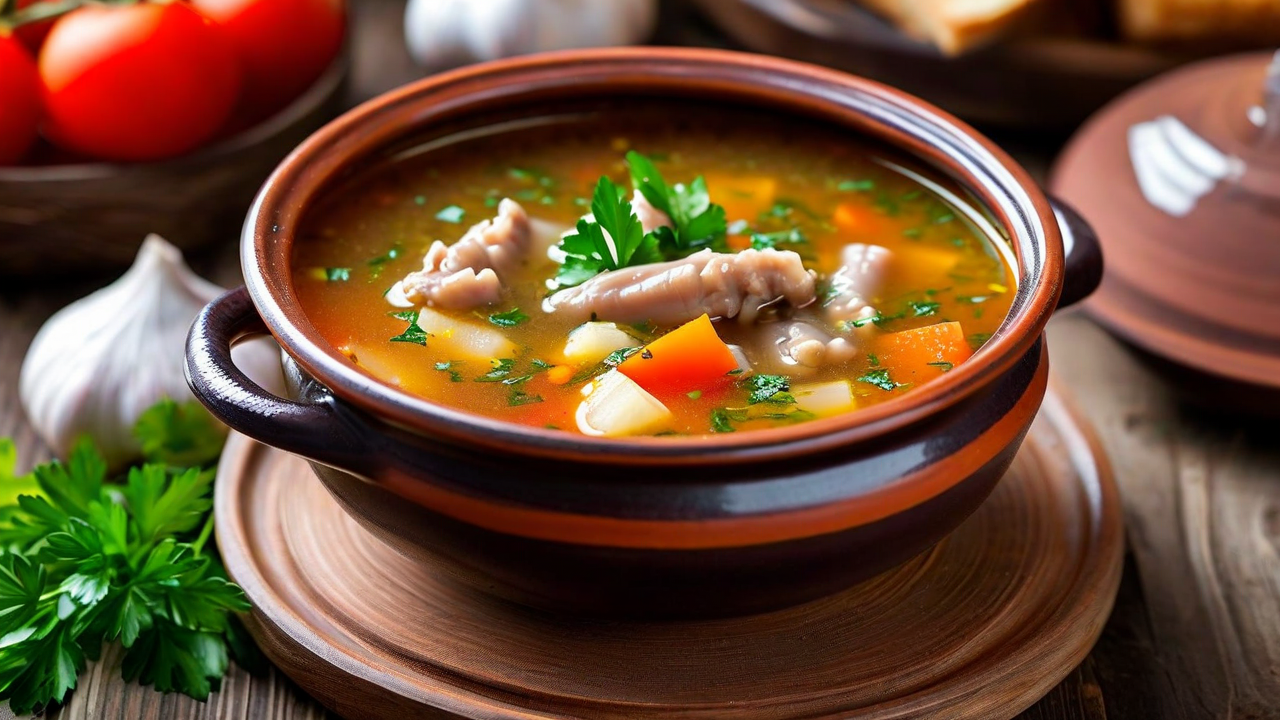
Sour tripe soup with garlic and vinegar—beloved Romanian cure-all.
Ingredients: 500g beef tripe, cleaned, Sour cream, Egg yolks, Vinegar, Garlic, Hot peppers.
Preparation: Boil tripe until tender (2-3 hours). After that, cut into strips. Make sour cream and egg liaison. Then add to soup off heat. Season with vinegar and garlic. Serve with hot peppers.
💡 The sourness from vinegar is essential—adjust to taste.
10
📖 Festivals
Haferland Week (August): Celebrating Saxon culture—traditional food, crafts, music, village tours.
George Enescu Festival: Classical music at Romanian Athenaeum.
Via Transilvanica: Long-distance hiking/cycling trail connecting Transylvanian attractions.
11
📖 ️ Getting There & Around
Airports
Henri Coandă International (Bucharest): Main gateway. Avram Iancu (Cluj-Napoca): Transylvanian access. 16 international airports total.
Transport
Rail: Bucharest-Brașov 2.5-3 hours. Varying speeds/reliability.
Bus: FlixBus and local operators. Bucharest-Brașov ~€10, Bucharest-Cluj ~€20.
Car rental: Freedom for mountain roads; road conditions vary dramatically. Must be 21+.
Ride-sharing: Bolt, Uber in cities.
12
📖 Costs
Currency: Romanian Leu (RON), ~4.6 per USD.
Romania ranks among Europe's most affordable destinations.
| Budget Level | Daily Cost |
|---|---|
| Budget | $40-50 |
| Mid-range | $70-100 |
| Comfortable | $100-150 |
| Item | Cost |
|---|---|
| Hostel | 50-100 RON |
| Mid-range hotel | 200-400 RON |
| Restaurant meal | 30-60 RON |
| Bran Castle | €12 |
13
📖 ️ Best Time to Visit
| Season | Conditions |
|---|---|
| Jun-Aug | Warmest, mountain roads open, peak crowds |
| Sep | Pleasant, autumn colors developing |
| Apr-May | Fewer tourists, blooming landscapes |
| Winter | Christmas markets, skiing, atmospheric snow |
14
📖 Entry Requirements
US Citizens: Visa-free 90 days within 180-day period.
Requirements: Passport valid 3+ months beyond departure.
Schengen: Romania joined January 2025—no border controls for EU/Schengen travelers.
ETIAS (expected 2026): Will require pre-travel authorization for visa-exempt travelers.
15
📊 Tourism Statistics 2024-2025
| Metric | Data |
|---|---|
| Arrivals 2024 | 14.26 million (record) |
| Growth vs 2023 | +4.5% |
| Growth vs 2019 | +7.7% |
| Overnight stays 2024 | 30.2 million |
| H1 2025 arrivals | 5.48 million (+0.8%) |
| Domestic share | 83.3% |
| Foreign share | 16.7% |
| Top region (arrivals) | Bucharest (2M) |
| Top region (stays) | Constanța (5.56M) |
| Tourism GDP | ~5% |
| Top source | Germany |
| Average stay | 2.1 days |
16
📖 Rural Romania
Pensiuni (guesthouses): Authentic immersion in village life—home-cooked meals, garden produce, genuine hospitality.
Saxon villages: Fortified churches, some still holding medieval valuables.
Maramureș: Traditional dress, music, agricultural practices.
Requirements: Flexibility—unpaved roads, limited English, approximate schedules.
17
✨ Essential Tips
1. Rent a car for mountain roads and rural exploration 2. Start early for popular attractions like Bran Castle 3. Book pensiuni in advance for authentic village stays 4. Learn basic Romanian—appreciated outside tourist zones 5. Carry cash in rural areas (ATMs limited) 6. Defensive driving required—road conditions vary 7. Check Transfăgărășan status—seasonal closures 8. December markets in Bucharest, Sibiu, Brașov
18
✍️ ️ Final Reflection
Romania's 2024 record of 14.26 million arrivals and full Schengen integration in 2025 signal the country's emergence as a major European destination. Yet it retains what mass tourism has erased elsewhere: medieval citadels without admission turnstiles, village life continuing traditional rhythms, and encounters with culture unpackaged for consumption.
The vampire legend provides marketing, but Romania's actual offerings—architectural heritage, natural beauty, hospitable people, and remarkable affordability—constitute the real treasure. This is Europe as it once was: medieval towns without velvet ropes, villages where traditions continue by necessity rather than performance, and landscapes where the drama of mountains and delta exceeds manicured parks.
Transylvania delivers genuine Gothic atmosphere that other destinations can only imitate. The painted monasteries, the Danube Delta's wilderness, the legendary mountain roads—all reward travelers willing to explore beyond familiar Western Europe.
19
📋 Quick Reference
| Category | Information |
|---|---|
| Best Time | May-September |
| Visa (US) | Not required (90 days) |
| Currency | Leu (RON) |
| Language | Romanian |
| Power | 230V, Type C/F |
| Emergency | 112 |
| Main Airport | Bucharest (OTP) |
| Schengen | Full member 2025 |
20
📊 Tourism Statistics (2024-2025)
| Metric | Value |
|---|---|
| 2024 Arrivals | 14.26 million (RECORD) |
| Growth vs 2023 | +4.5% |
| Overnight Stays | 30.2 million |
| Bucharest | 2M arrivals |
| H1 2025 | 5.48M (+0.8%) |
| Schengen | Full member Jan 2025 |
Key Trends: RECORD—14.26M arrivals 2024 (+4.5%), 30.2M overnights. H1 2025: 5.48M (+0.8%), 10.65M overnights (+3.1%). Full Schengen member January 2025. Bucharest 2M, Constanța 1.75M, Brașov 1.5M. Transylvania Gothic atmosphere, Bran Castle. Bucovina painted monasteries (UNESCO). Danube Delta wildlife. Uses leu (not euro). 9 UNESCO sites. Visa-free 90 days.
Last updated: December 2025
21
🏛️ UNESCO World Heritage Sites
Romania has 4 UNESCO World Heritage Sites:
🏛️ Painted Churches of Moldavia
15th-16th century frescoed monasteries, UNESCO since 1993
🏛️ Historic Centre of Sighișoara
Medieval fortified citadel, UNESCO since 1999
🏛️ Dacian Fortresses of Orăștie Mountains
Ancient Roman conquest site, UNESCO since 1999
🏛️ Villages with Fortified Churches in Transylvania
Saxon defensive churches, UNESCO since 1993
22
📸 Photo Gallery
🍷
🍷 Wine, Spirits & Drinking Culture
Romania is one of Europe's oldest and most significant wine producers — archaeological evidence confirms winemaking in the region for over 6,000 years, and the ancient Dacians (the pre-Roman inhabitants) were described by Greek historians as passionate vine cultivators. With approximately 180,000 hectares under vine, Romania ranks among Europe's top six wine producers and possesses a wealth of indigenous grape varieties that give its wines a distinctive character found nowhere else.
🍇 Indigenous Varieties
The Fetească family — Fetească Neagră ("black maiden," a dark, complex red), Fetească Albă ("white maiden," a delicate, floral white), and Fetească Regală ("royal maiden," a natural cross producing aromatic whites) — are Romania's most important indigenous grapes. Tămâioasă Românească (Romanian frankincense, a Muscat-family grape producing intensely aromatic dessert wines), Grasă de Cotnari (the grape of the legendary Cotnari dessert wine), and Băbească Neagră (a light, fruity red) add further local character.
🗺️ Regions
Dealu Mare ("The Great Hill") — the south-facing slopes of the Sub-Carpathians, northeast of Bucharest — is Romania's most prestigious red wine region, producing powerful Fetească Neagră, Cabernet Sauvignon, and Merlot from calcareous soils. Cotnari (Moldova region, northeast) is one of Europe's oldest dessert wine appellations, producing botrytized wines from Grasă de Cotnari that rival (in history if not always in current quality) Tokaji and Sauternes. Murfatlar (Black Sea coast, warm Mediterranean microclimate), Drăgășani (Olt Valley, home to Negru de Drăgășani), and Miniș-Măderat (western Romania, Arad, historic Kadarka production) round out the major DOC regions. New-generation producers — SERVE (Dealu Mare pioneer), Cramele Recaș (Banat, the largest quality-focused producer), Crama Bauer, Budureasca, Davino, and Domeniile Sâmburești — have transformed Romanian wine from Soviet-era industrial production to genuine quality. Romania also produces țuică (plum brandy) and pălincă (double-distilled fruit brandy), both fundamental to Romanian rural life and hospitality.
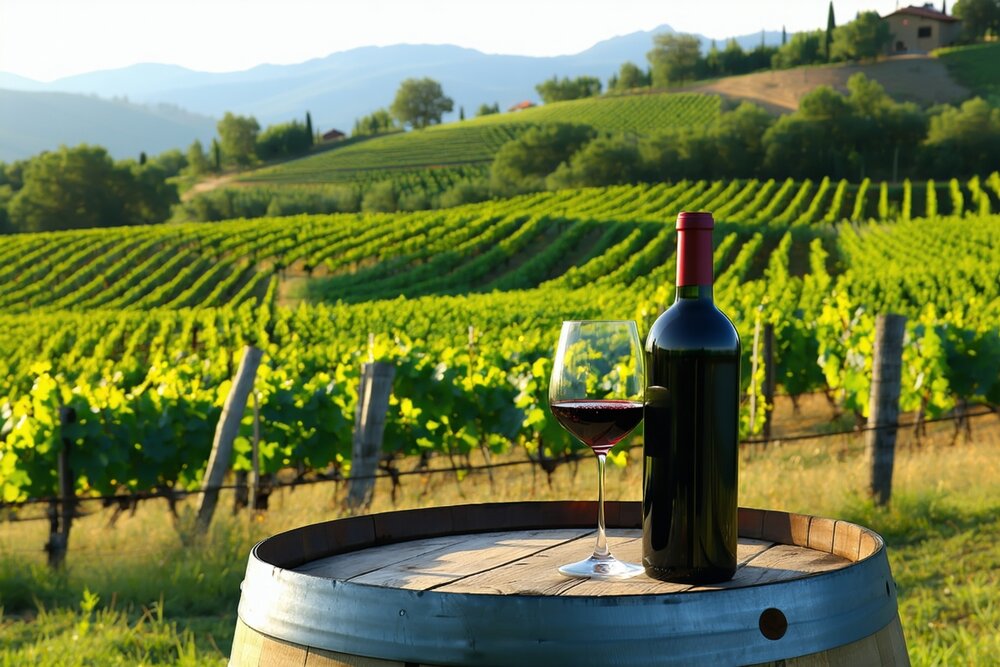
🏆 Kaufmann Wine Score (KWS)
100-point scoring: 🟡 Aroma (0-25) · 🔴 Taste (0-30) · 🟣 Finish (0-20) · 🔵 Value (0-25)
| Wine | 🟡 | 🔴 | 🟣 | 🔵 | KWS |
|---|---|---|---|---|---|
| SERVE Terra Romana Fetească Neagră (Dealu Mare) | 21 | 25 | 16 | 24 | 86 |
| Davino Flamboyant (Dealu Mare blend) | 20 | 24 | 15 | 24 | 83 |
| Cramele Recaș Sole Fetească Regală | 19 | 23 | 14 | 24 | 80 |
✍️ Author's Note Radim Kaufmann
In a village in Dealu Mare — with the Carpathian foothills rising behind, and a farmer pouring home-made țuică from a demijohn with the insistence that I drink "just one more" — I tasted a Fetească Neagră that stopped me in my tracks. Dark, complex, with plum, chocolate, and a wild herbal note that could only be Transylvanian — this was a grape and a place that deserved global recognition. Romania's wine story is one of recovery: from 6,000 years of continuous viticulture, through the devastation of communist-era industrial wine, to a new generation making wines that honour both the ancient varieties and the extraordinary terroir. The transformation is extraordinary, and the prices remain impossibly generous.
23
🗺️ Map
Support This Project 🌍
This World Travel Factbook is a labor of love – free to use for all travelers.
