Serbia sits at the crossroads of Central and Southeastern Europe, where the Pannonian Plain meets the Balkan Mountains and the Danube flows through one of Europe's most storied capitals. This landlocked nation of 6.6 million has been shaped by empires — Roman, Byzantine, Ottoman, Habsburg, and Yugoslav — leaving layers of cultural complexity visible in its architecture, cuisine, and character.
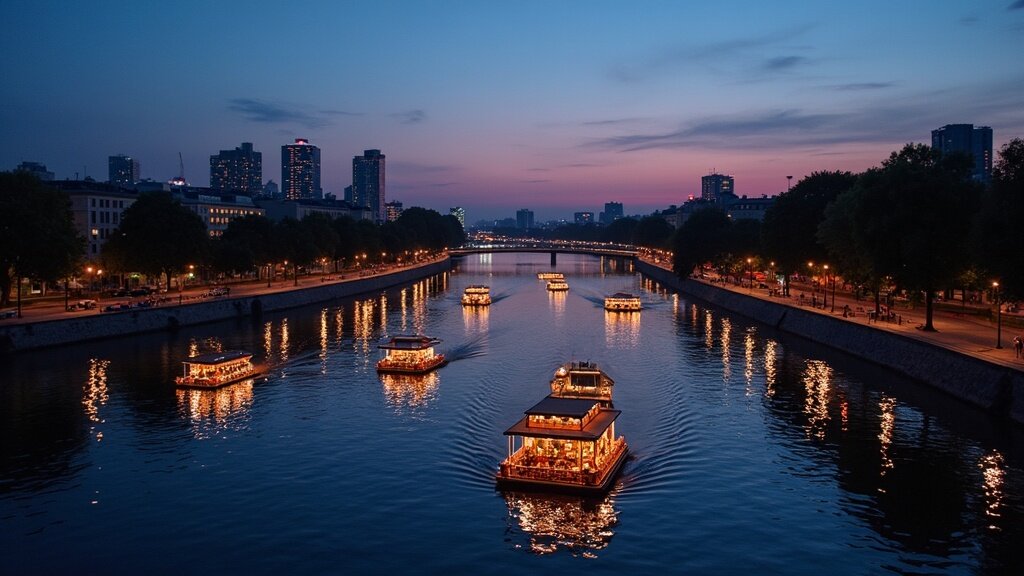
Belgrade, the "White City," is one of Europe's most underrated capitals — a city of brutal concrete towers and elegant Habsburg mansions, riverside bars (splavovi) floating on the Danube, and a fortress that has witnessed 115 destructions and reconstructions over two millennia. Novi Sad, the "Athens of Serbia," hosts the legendary Exit Festival each July. Beyond the cities, Serbia offers Ottoman-era spa towns, medieval monasteries with Byzantine frescoes, dramatic gorges like the Đerdap on the Danube, and mountain landscapes perfect for hiking and skiing.
Serbia's greatest asset may be its people — famously warm, generous to a fault, and possessed of a dark humor forged by a turbulent history. Meals last hours, rakija flows freely, and strangers become friends over a shared ćevapi.
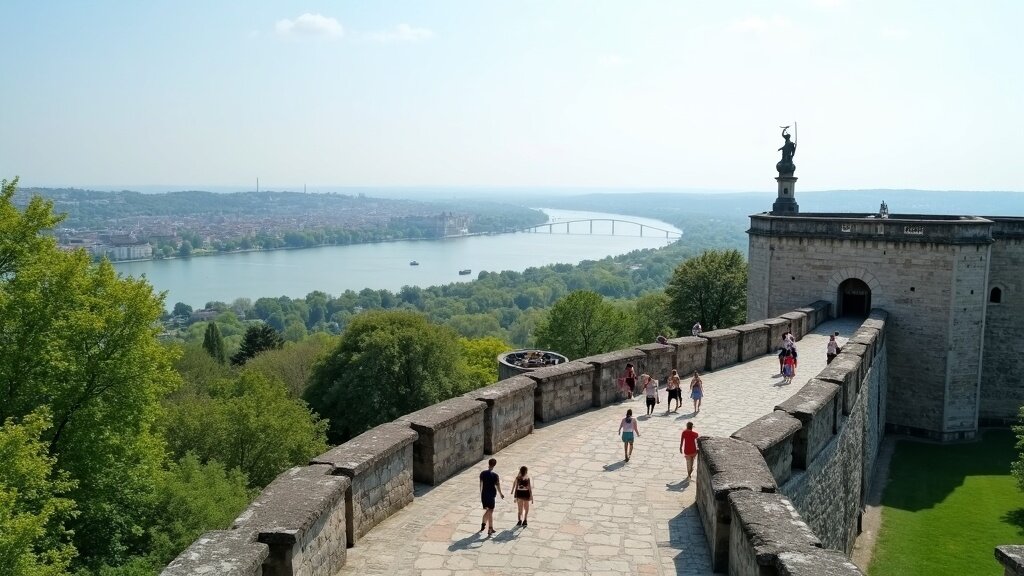
Kalemegdan Fortress — Belgrade's ancient citadel overlooking the confluence of the Sava and Danube rivers
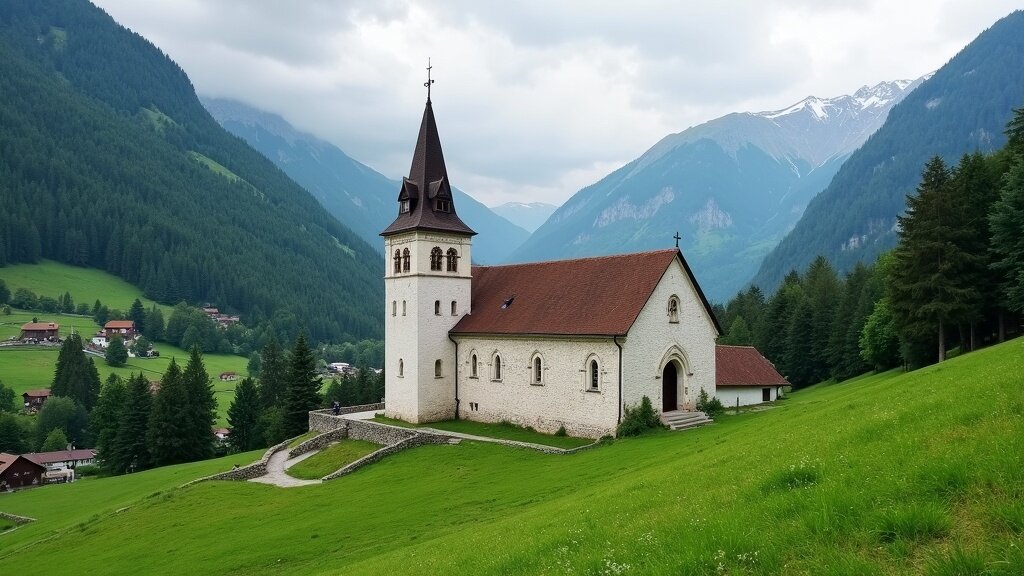
Serbia's history reads like a condensed version of European civilization. The Vinča culture near Belgrade (5500-4500 BC) produced some of Europe's earliest proto-writing. The Roman Empire's greatest emperor, Constantine the Great, was born in Niš. The medieval Serbian Kingdom under Stefan Dušan (1346) briefly rivaled Byzantium, building the stunning monastery-churches of Studenica, Sopoćani, and Dečani that remain among the finest examples of Byzantine art anywhere.
The Battle of Kosovo in 1389 — Serbia's defining national myth — led to five centuries of Ottoman rule. The 19th-century Serbian uprisings launched the nation's gradual liberation. The 20th century brought both World Wars (Serbia suffered catastrophic losses in each), the creation and dissolution of Yugoslavia, NATO bombing in 1999, and the painful separation of Kosovo. Modern Serbia is a EU candidate country working to reconcile its complex past while building a democratic future.
Belgrade is raw, energetic, and endlessly surprising. Kalemegdan Fortress, sitting at the strategic confluence of the Sava and Danube, offers panoramic views and houses a military museum tracing the site's 2,000-year martial history. Skadarlija, the bohemian quarter, channels Montmartre with its cobblestoned lane of restaurants and live music. The Temple of Saint Sava — one of the world's largest Orthodox churches — dominates the skyline with its massive dome.
But Belgrade's real magic happens after dark. The city's nightlife is legendary in Europe — riverside splavovi (floating clubs) pulse with music until dawn, while the Savamala district has transformed from industrial wasteland to creative hub. Belgrade is also becoming a digital nomad hotspot, with excellent coffee culture, fast internet, very affordable costs, and an energy that keeps people coming back.
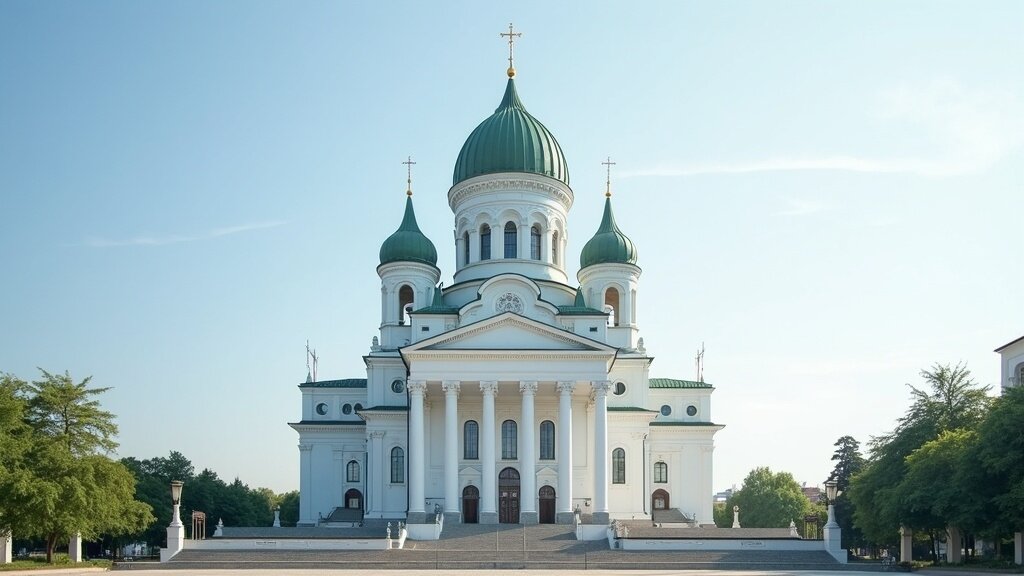
The Temple of Saint Sava — one of the largest Orthodox churches in the world, with a stunning gold mosaic interior
Novi Sad, Serbia's second city and 2022 European Capital of Culture, sits on the Danube beneath the imposing Petrovaradin Fortress — the "Gibraltar of the Danube." The fortress hosts the Exit Festival each July, one of Europe's top music festivals drawing 200,000+ visitors. The old town features Habsburg architecture, excellent museums, and a relaxed café culture that contrasts with Belgrade's intensity.
The Vojvodina province surrounding Novi Sad is Serbia's breadbasket — a flat, fertile plain that was part of the Habsburg Empire and retains a multi-ethnic character with Serbian, Hungarian, Slovak, Romanian, and Croatian communities. Subotica near the Hungarian border features stunning Art Nouveau architecture. The Fruška Gora hills south of Novi Sad harbor 16 medieval monasteries and excellent vineyards producing increasingly respected wines.
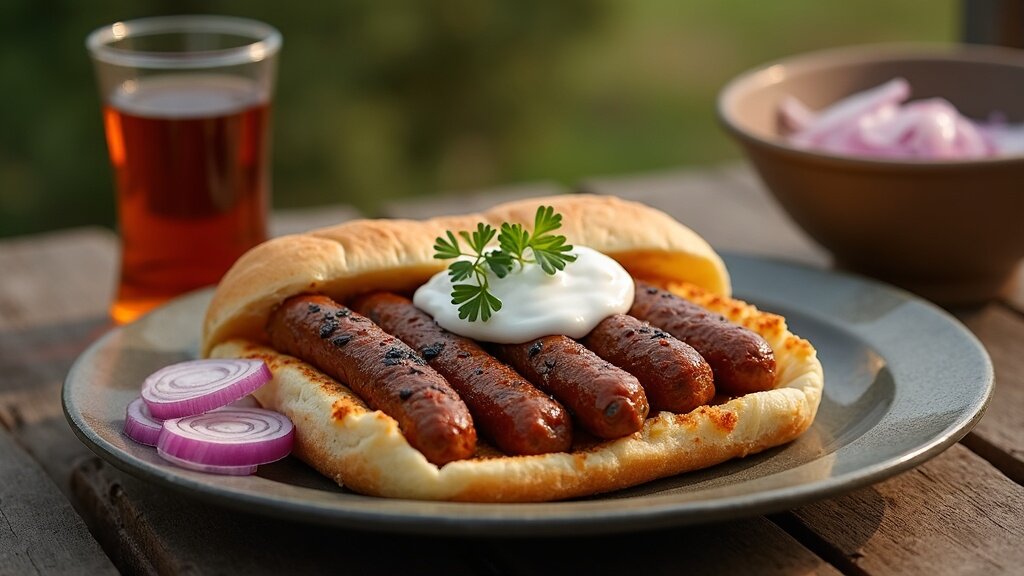
Serbian cuisine is hearty, meat-centric, and deeply social. Ćevapi — grilled minced meat sausages served in somun bread with kajmak (clotted cream) and raw onions — is the national obsession. Pljeskavica (Serbian hamburger), ražnjići (meat skewers), and muckalica (meat stew with peppers) dominate menus. Ajvar — a smoky roasted red pepper and eggplant spread — is made in every household each autumn in a ritual called "ajvar season."
Rakija — fruit brandy, usually plum (šljivovica) — is the national drink, produced commercially and in countless home distilleries. It accompanies every meal, celebration, and meeting. Serbian breakfasts feature burek (flaky pastry with cheese or meat), gibanica (cheese pie), and strong Turkish-style coffee. The Vojvodina region adds Hungarian influences with goulash and strudel.
Serbia punches far above its weight culturally. Belgrade's nightlife rivals Berlin's — the city regularly appears in "best nightlife in Europe" rankings. The trumpet festival in Guča each August draws 600,000 visitors for four days of brass band competitions, roast pig, and rakija — it's one of Europe's wildest parties. Exit Festival at Petrovaradin Fortress is consistently voted among the world's best music festivals.
Serbian cinema, literature, and music have global recognition. Emir Kusturica's films captured the madness of Balkan life for international audiences. Serbian folk music evolved into turbo-folk — a divisive but energetic genre mixing traditional melodies with electronic beats. The country has also produced world-class athletes: Novak Djokovic in tennis, Nikola Jokić in basketball, and a consistently strong national water polo team.
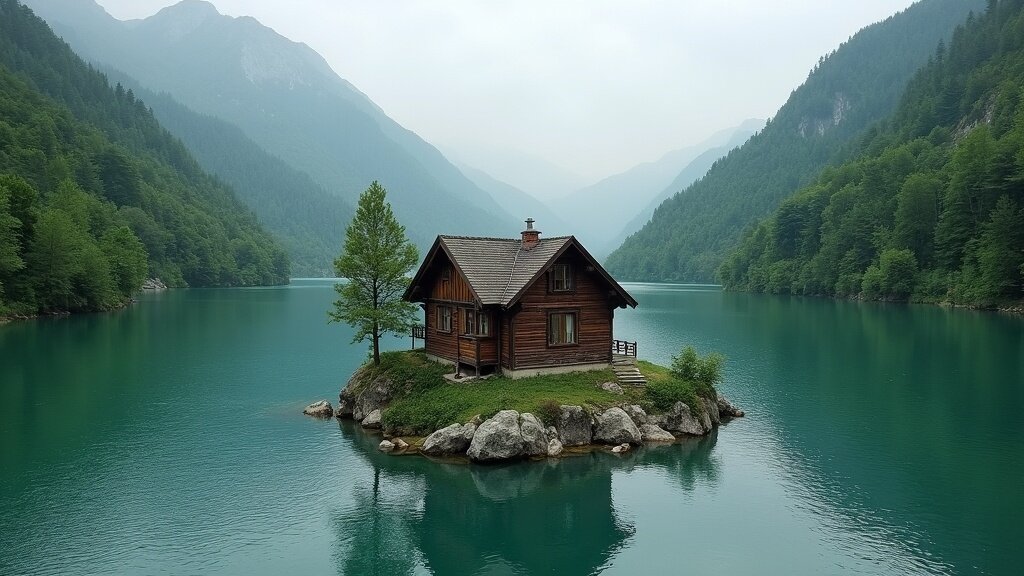
Serbia's nature is surprisingly diverse. Tara National Park in western Serbia offers pristine forests, the dramatic Drina River canyon, and the famous "lonely house on the Drina" — a tiny cabin perched on a rock in the river. Đerdap National Park along the Danube features Europe's largest river gorge, the Iron Gates, where the Danube narrows between 300-meter cliffs. Kopaonik and Zlatibor are popular ski resorts in winter and hiking destinations in summer.
The Uvac River canyon, with its dramatic meanders and griffon vulture colonies, offers some of the Balkans' most spectacular scenery. Devil's Town (Đavolja Varoš) features eerie natural stone pillars formed by erosion. Serbia's spa tradition — inherited from the Romans and Ottomans — makes towns like Vrnjačka Banja and Sokobanja popular wellness destinations.
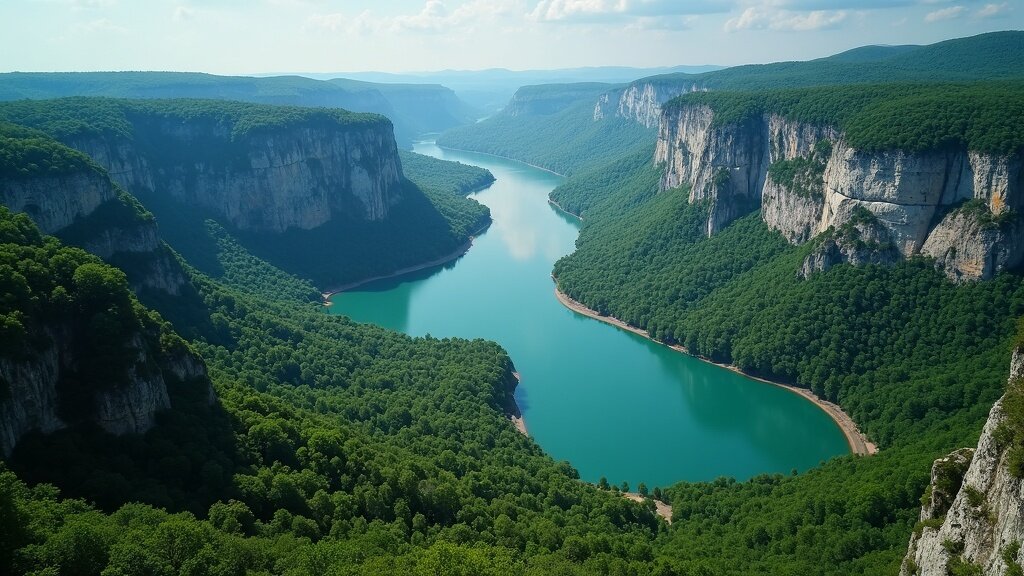
The spectacular meanders of the Uvac River — one of Serbia's most dramatic natural landscapes
Visa: US, EU, UK, Canadian, and Australian citizens can stay visa-free for 90 days.
Getting there: Belgrade Nikola Tesla Airport (BEG) has connections across Europe and Middle East. Air Serbia is the national carrier.
Currency: Serbian Dinar (RSD). ~117 RSD = €1. Cards accepted in cities; carry cash in rural areas.
Budget: One of Europe's best value destinations. Budget €30-50/day, mid-range €70-120, luxury €150+. A ćevapi meal costs €3-5, a beer €1.50-3.
Getting around: Buses connect all major cities efficiently. Trains are slow but scenic. Car rental recommended for monasteries and nature.
Safety: Very safe for tourists. Exercise normal precautions in Belgrade at night. Avoid discussing Kosovo politics unless invited to.
- 🏰 Belgrade has been destroyed and rebuilt over 115 times — more than any European city
- ⚡ Nikola Tesla, inventor of AC electricity, was born in Smiljan (then part of the Serbian military frontier)
- 🎺 The Guča Trumpet Festival attracts 600,000 visitors — to a village of 2,000 people
- 🍷 Serbia has been making wine for over 2,000 years — the Romans planted vineyards along the Danube
- 🎾 Novak Djokovic, born in Belgrade, holds the record for most Grand Slam singles titles
- 🏛️ The Vinča culture near Belgrade (5500 BC) produced Europe's earliest proto-writing symbols
"Serbia gets under your skin in ways you don't expect. You come for a weekend in Belgrade and suddenly it's Thursday. The city has an energy — raw, honest, slightly chaotic — that makes polished European capitals feel sterile by comparison. And then someone's grandmother invites you in for šljivovica and suddenly you're crying laughing at stories you can barely understand, eating the best food of your life at a kitchen table."
— Radim Kaufmann, 2026
Support This Project 🌍
This World Travel Factbook is a labor of love – free to use for all travelers. If you find it helpful, consider supporting its continued development.
📬 Stay Updated