Freetown's Atlantic history, peninsula beaches, and surviving Upper Guinean forest.
Radim Kaufmann · Updated September 17, 2026
Capital
Freetown
Languages
English; Krio widely spoken
Currency
Leone (SLE)
Area
About 72,000 km²
Climate
Tropical wet and dry
Region
West Africa
01
Overview
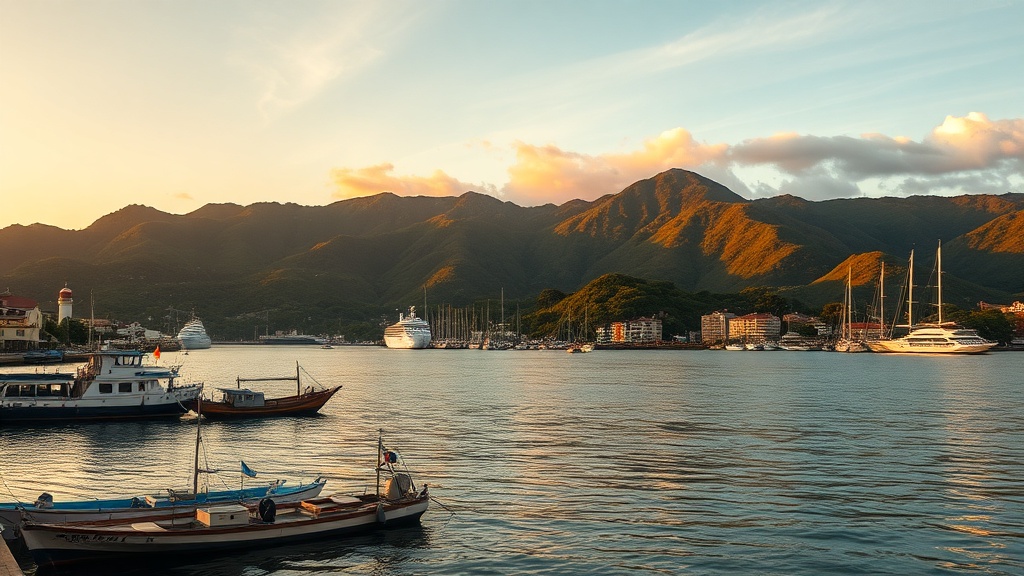
Sierra Leone's coast is often the first image a traveler encounters, but the country deserves a wider frame. Freetown's hills and harbor hold a complex Atlantic history; the peninsula combines settlements, beaches, and forest; farther inland, conservation areas reveal remnants of a once much more extensive rainforest. Traveling well here involves realistic transfer times and locally informed arrangements, rather than treating distance alone as a measure of accessibility.
02
History
Freetown developed through successive settlements of formerly enslaved and liberated people, with different groups contributing to the emergence of Krio society. British colonial rule and the later protectorate shaped a division between the coastal colony and the interior. Independence came in 1961. The civil war of 1991–2002 left deep scars, but neither that conflict nor the later Ebola epidemic should define the whole country. Museums, archives, and local guides can connect national history with particular streets and communities.
03
Places & landscapes
Explore Freetown with attention to its historic buildings, markets, and relationship with the estuary. The peninsula's beaches vary in facilities and exposure to the sea; a scenic shore is not automatically a safe swimming beach. Bunce Island is a major place of remembrance connected to the Atlantic slave trade. Tiwai Island and Gola's forest landscapes offer a different perspective on biodiversity, with access best arranged through the responsible conservation organizations and local hosts.
04
People & culture
English is the official language and Krio is widely used as a shared language, alongside languages including Mende and Temne. Food, music, faith, and family life vary across communities. At historical sites connected to enslavement, allow guides to explain local knowledge without expecting a single uncomplicated story. Ask before photographing people. Community-based visits are strongest when arrangements make clear who is hosting, what is included, and how payment reaches local participants.
05
Planning your visit
Allow time for the airport transfer: Lungi is across the estuary from central Freetown, so an arrival is not simply a short city taxi ride. Confirm your chosen transfer with a reliable provider and leave a buffer before the return flight. Rain can affect smaller roads and excursions. For forest visits, confirm accommodation, guides, and transport in advance. The currency code is SLE; when discussing prices, clarify whether a speaker is using current or older denominations.
06
🍜
Cuisine
Sierra Leone, the "Lion Mountain," possesses a cuisine as rich and layered as its history. The Krio people of Freetown—descendants of freed slaves from Britain, America, and the Caribbean—brought cooking traditions from across the Atlantic, blending them with indigenous Temne and Mende foodways. The result is unique: cassava leaves cooked with palm oil and fish, groundnut soups thickened with egusi seeds, and the beloved plasas (leafy green stews) that define home cooking. Rice is sacred here—Sierra Leone has its own indigenous varieties, and "chop" (food) without rice isn't considered a real meal. The coastline provides bountiful seafood, while the interior forests yield wild foods that continue to shape the national palate.
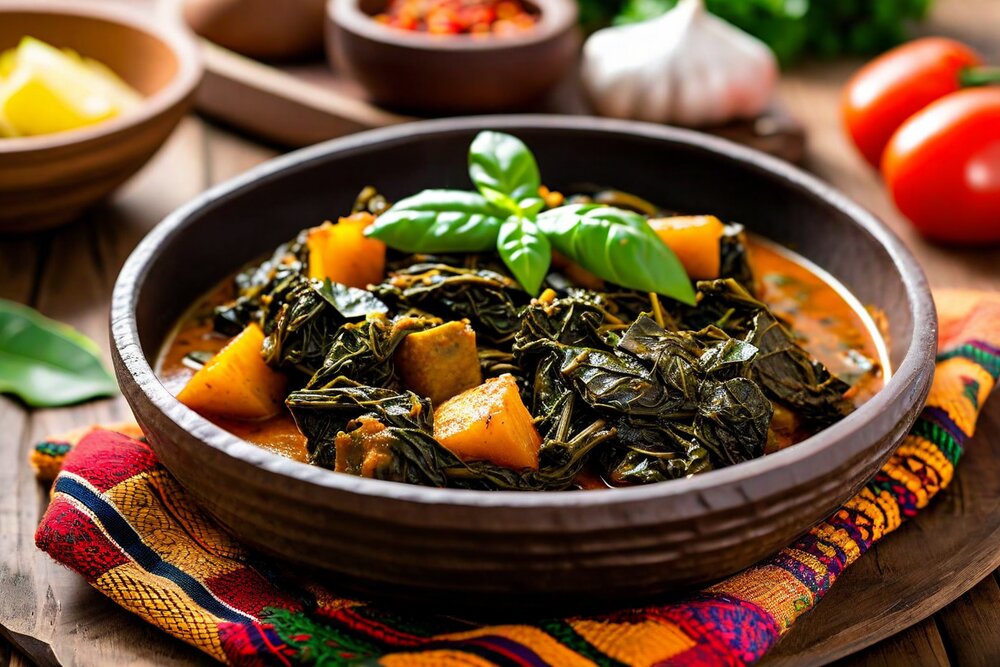
Plasas
The quintessential Sierra Leonean dish, plasas is a rich stew of leafy greens—usually cassava leaves or potato leaves—cooked with palm oil, dried fish, and meat. The leaves simmer for hours until silky, creating a deeply savory sauce that's poured over rice. Every family has their secret recipe.
This dish is presented here as a culinary introduction. For a home version, use a tested recipe suited to the greens available to you.
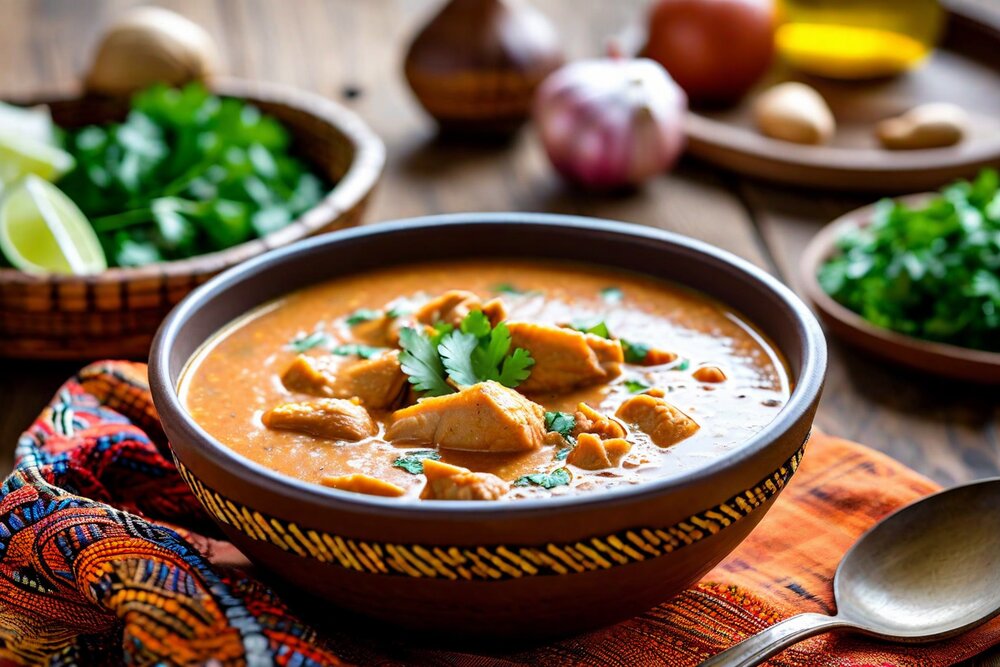
Groundnut Soup
A beloved comfort food across Sierra Leone, this rich peanut soup is made with chicken or fish swimming in a creamy, spiced groundnut sauce. The soup is hearty enough to be a main course, traditionally served with fufu or rice. It's the dish Sierra Leoneans abroad miss most.
Ingredients: 400g chicken pieces or whole fish, 150g natural peanut butter, 2 medium tomatoes (blended), 1 large onion (chopped), 30ml vegetable oil, 500ml chicken stock or water, 1 tablespoon tomato paste, 1 Scotch bonnet pepper (whole), 2 Maggi cubes, Okra, cut into rounds (optional), Salt to taste.
Preparation: Season chicken with salt and one crumbled Maggi cube. Let marinate for 30 minutes. Heat oil in a pot and brown the chicken on all sides. Remove and set aside. Sauté onion in the same oil until soft. Add tomato paste and blended tomatoes, cooking until reduced. Whisk peanut butter with stock until smooth. Add to the pot along with remaining Maggi cube and Scotch bonnet. Return chicken to the pot. Simmer for 40-50 minutes until chicken is tender and sauce has thickened. Add okra in the last 10 minutes if using—it adds thickness and a slight tang. Adjust seasoning. The soup should be creamy and rich, with oil glistening on top. Serve with rice or fufu.
💡 The soup thickens as it cools—add hot water to adjust consistency when reheating.
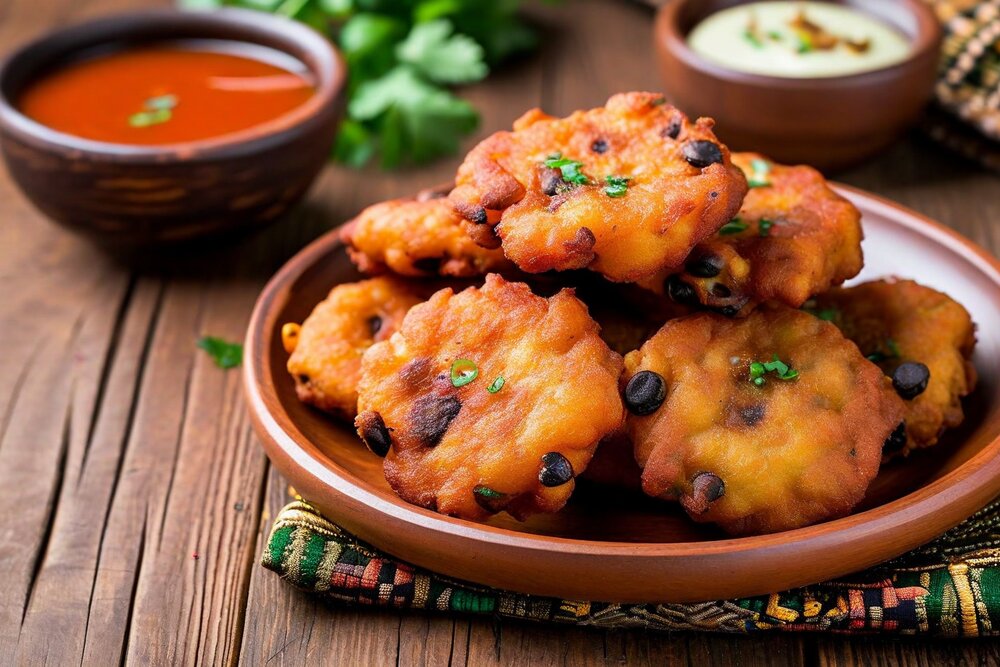
Binch Akara
These crispy black-eyed pea fritters are Sierra Leone's favorite street food, sold by vendors in markets and on street corners throughout the country. Light, fluffy inside and golden-crisp outside, they're eaten for breakfast, as snacks, or alongside main dishes.
Ingredients: 200g dried black-eyed peas, 1 small onion (roughly chopped), 1 Scotch bonnet pepper (seeded for less heat), 5ml salt, Water as needed, Vegetable oil for deep frying.
Preparation: Soak black-eyed peas overnight, or for at least 8 hours. Drain and rub vigorously between your hands to remove the skins. Rinse—the skins will float away. Blend the skinned peas with onion, Scotch bonnet, salt, and just enough water to make a thick, smooth paste. The batter should be airy and hold its shape. Use a wooden spoon or whisk, beat the batter vigorously for 5 minutes to incorporate air—this is essential for fluffy akara. Heat oil to 175°C in a deep pot. Test with a small drop of batter—it should sizzle and float immediately. Use two spoons, drop rounded tablespoons of batter into the hot oil. Don't overcrowd the pot. Fry for 4-5 minutes, turning once, until deep golden brown all over. The akara should puff up and become very light. Drain on paper towels and serve immediately while hot and crispy.
💡 Removing the skins is crucial—it's tedious but makes the difference between good akara and great akara. The fritters should be impossibly light.
07
Drinks & local traditions
Poyo, a palm wine, belongs to a wider regional tradition in which freshness and fermentation change the drink quickly. Its social setting can be as significant as its flavor. Sierra Leone's meals and hospitality also offer many nonalcoholic options. Treat descriptions of particular products or producers as something to verify locally rather than evidence of dependable availability.