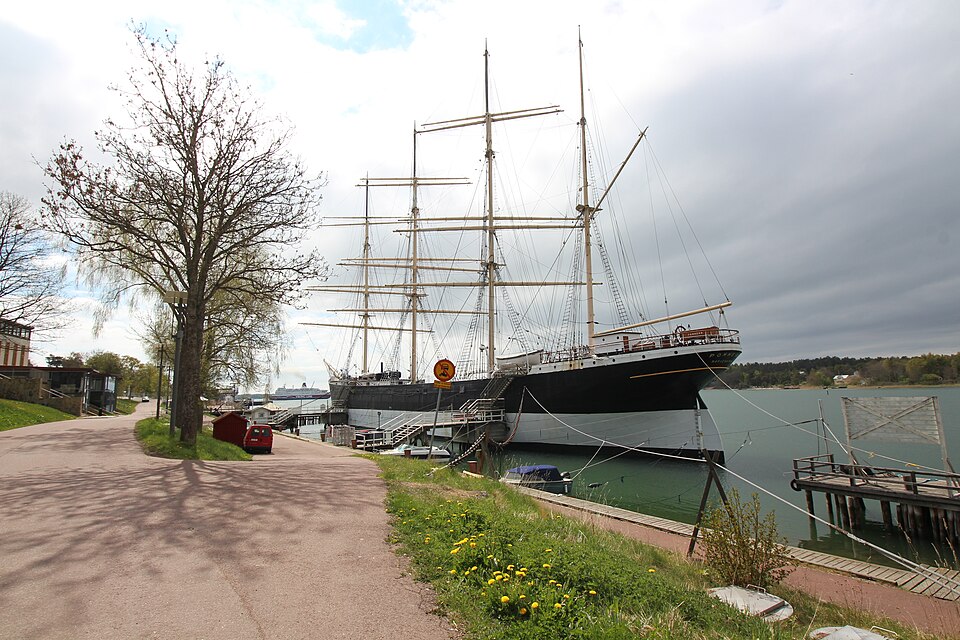
There is a moment, standing on the wooden deck of the museum ship Pommern in Mariehamn's western harbor, when the evening light transforms the Baltic Sea into molten gold and you understand why the Ålanders have always been sailors. This autonomous archipelago of 6,500 islands—scattered like granite breadcrumbs between Sweden and Finland—has shaped generations of mariners whose tall ships once carried grain from Australia to Europe. Today, the steel-hulled four-masted barque Pommern—one of the very few windjammers anywhere preserved unaltered, in original condition—rocks gently at her moorings, a monument to an era when Åland commanded one of the largest merchant fleets on Earth.
Åland occupies a unique position in European geography and politics. Though part of Finland, the islands are Swedish-speaking, demilitarized since the Crimean War, and enjoy their own flag, stamps, and considerable autonomy. The 1921 League of Nations decision that settled the islands' status is still studied in international law as a model for resolving ethnic and territorial disputes. For travelers, this means experiencing a place that feels distinctly Nordic yet somehow outside the usual categories—neither quite Finnish nor Swedish, but proudly, stubbornly Ålandish.
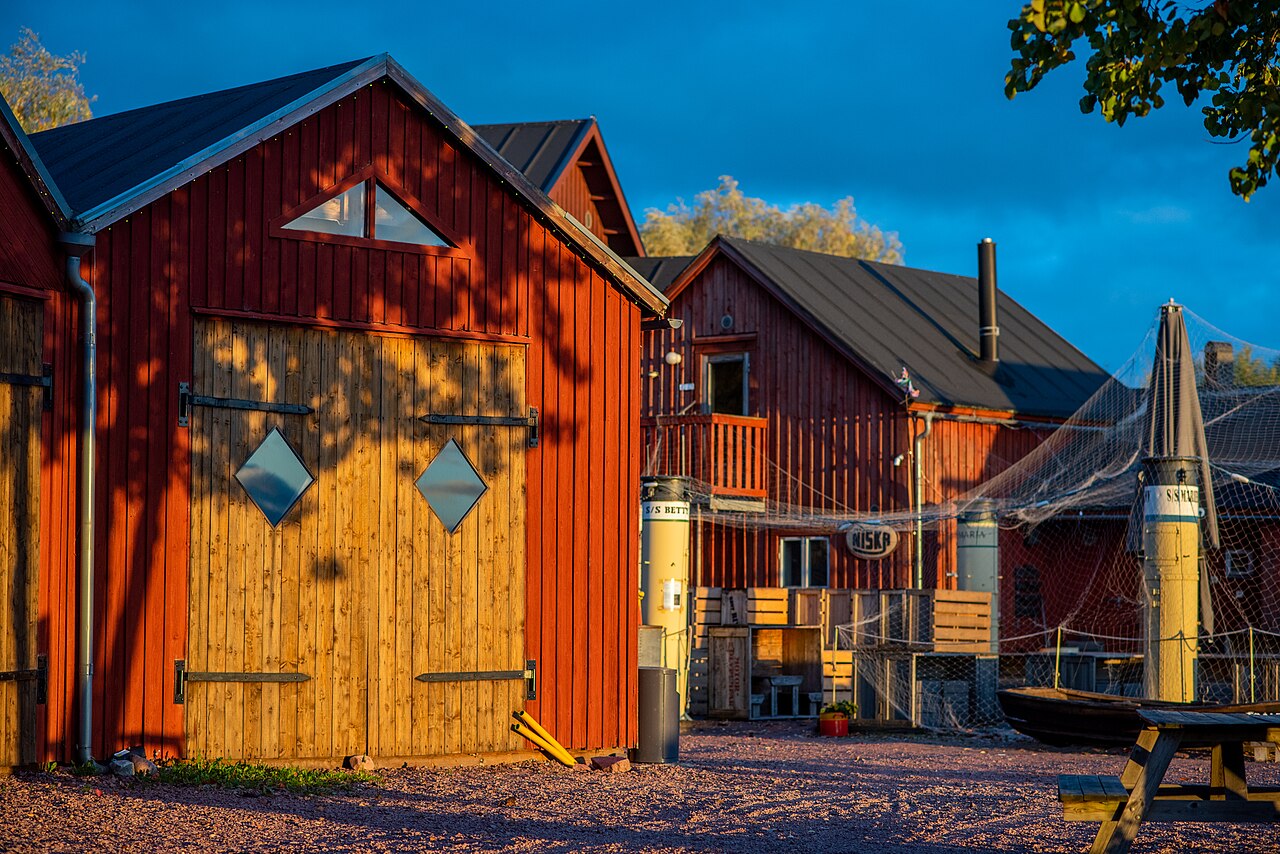
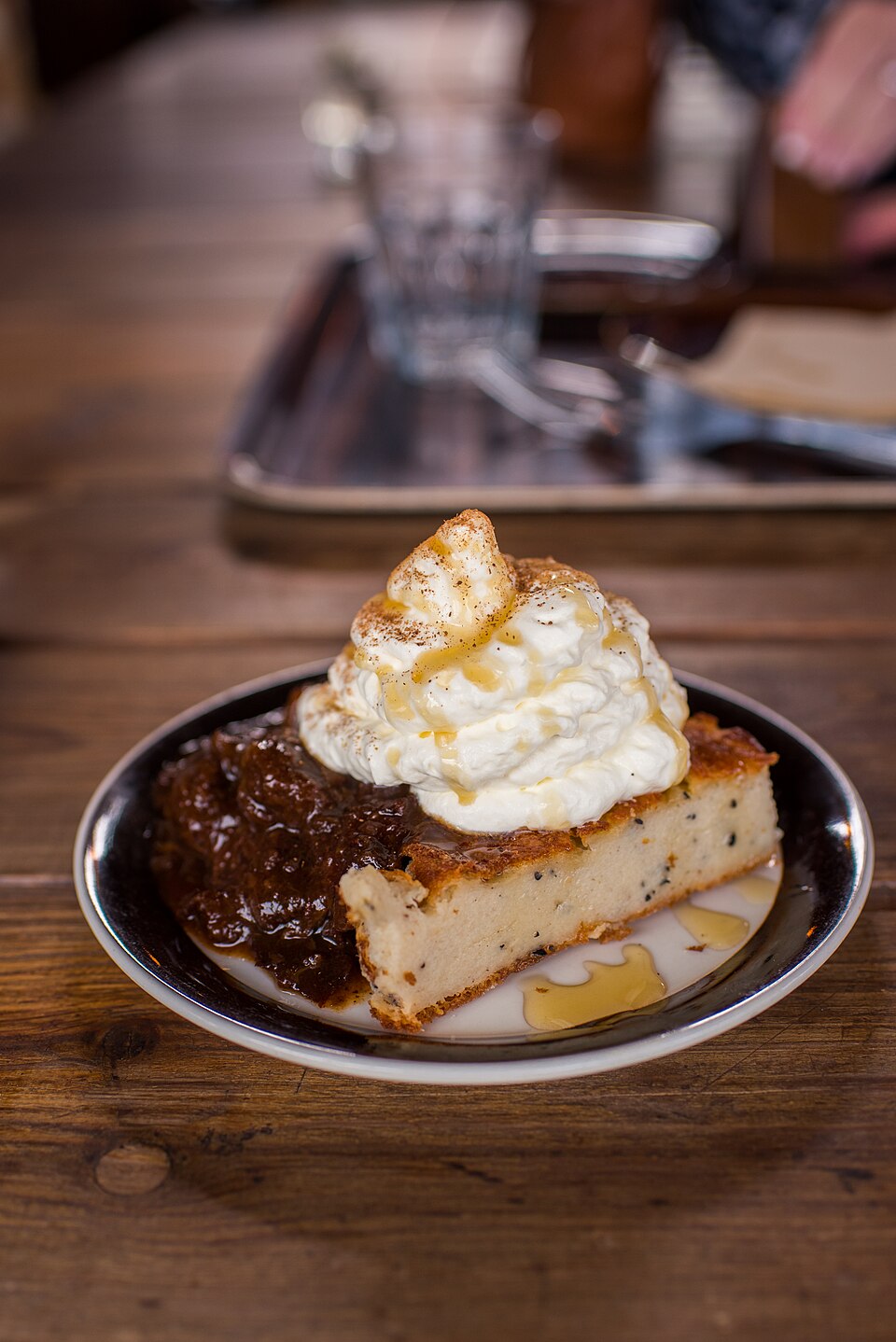
Beyond the maritime heritage, Åland offers medieval castles rising from pine forests, cycling paths winding through agricultural landscapes dotted with red wooden barns, and ferry routes connecting islands where you might be the only visitor. Midsummer here is celebrated with a fervor that surpasses Christmas, and the long summer daylight illuminates ancient stone churches and modern cafés serving the famous Ålandspannkaka—a cardamom-spiced semolina pancake that locals insist must be eaten with prune jam and whipped cream. This is slow travel at its finest, where the ferry schedule becomes a meditation and the horizon stretches endlessly toward Scandinavia.
Åland archipelago · Susanne Nilsson · Wikimedia Commons · CC BY-SA 2.0 · Photograph resized for responsive delivery.
02
Name & Identity
Åland is the Swedish name of the archipelago; its Finnish name is Ahvenanmaa. Swedish is its official language. The letter Å is a separate letter in the Swedish alphabet, following Z. Place names are therefore best copied with their original spelling when looking up ferry terminals, accommodation, and maps.
The Åland flag—a blue field bearing a yellow Nordic cross, with a narrower red cross laid inside the yellow—was officially adopted in 1954 and reflects both Swedish heritage (the yellow and blue) and the islands' own identity (the red). Ålanders fly their flag with fierce pride, especially on Autonomy Day (June 9th), which marks the 1922 implementation of the Autonomy Act. The islands also issue their own postage stamps—highly prized by collectors—and maintain their own internet domain (.ax).
Identity here is built on the sea. The Åland Maritime Museum in Mariehamn chronicles how these small islands produced captains and shipowners whose vessels circled the globe. The tradition continues: young Ålanders still attend maritime academies, and the ferry companies operating between Stockholm, Helsinki, and Turku are major employers. To be Ålandish is to understand tides and winds, to respect the Baltic's moods, and to carry within you a navigator's sense of home as something found not just on land but in the space between ports.
Illustration of the Åland flag · Kaufmann WTF
03
Geography & Regions
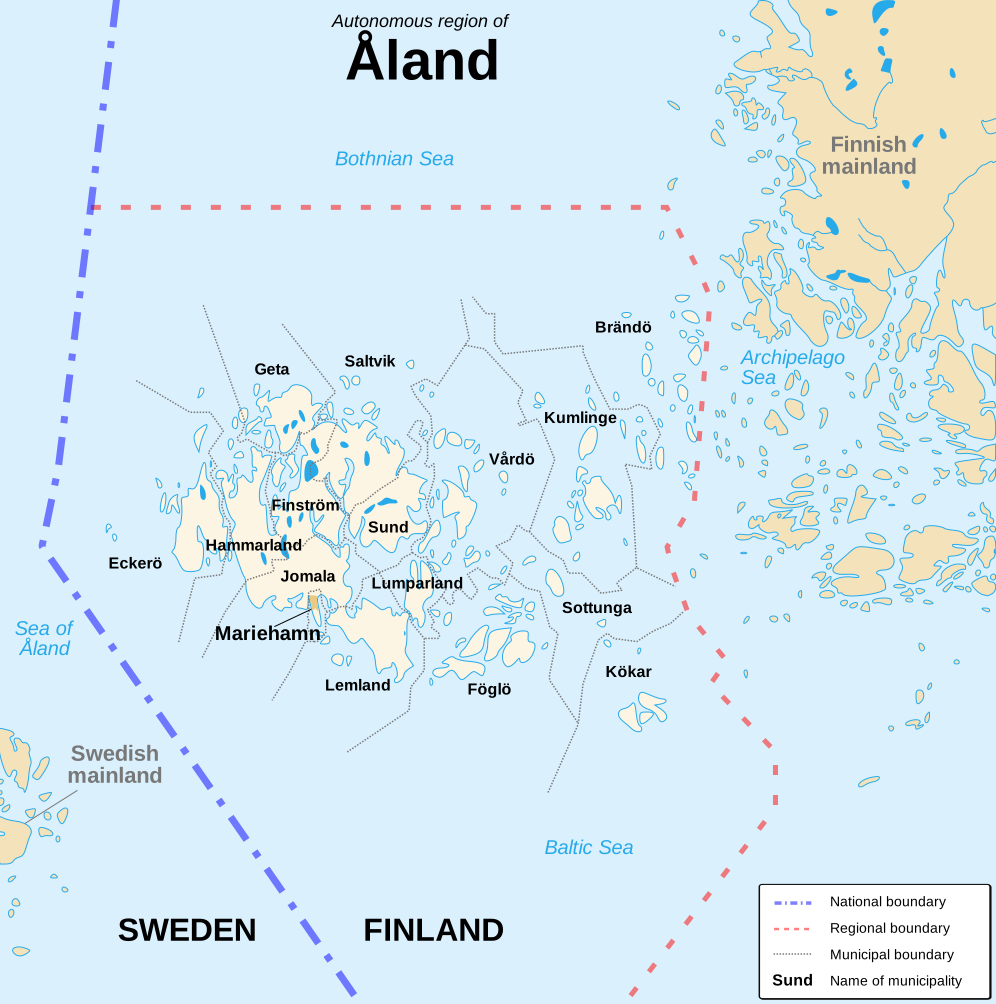
The Åland archipelago comprises approximately 6,500 islands and skerries, of which only about 60-80 are permanently inhabited. The main island, Fasta Åland, contains most of the population and the capital Mariehamn, connected by bridges and ferries to surrounding islands. Granite bedrock scraped smooth by Ice Age glaciers gives the landscape its distinctive character—red and gray stone emerging from pine forests, creating natural harbors and swimming spots throughout the archipelago.
The islands rise only modestly above sea level, with the highest point reaching just 129 meters at Orrdalsklint on Saltvik. This gentle topography makes Åland ideal for cycling, and hundreds of kilometers of signposted routes wind through the countryside, headlined by the 65-km historic Postal Road from Eckerö to Vårdö. The eastern archipelago—particularly Kökar, Kumlinge, and Brändö—offers the most dramatic seascapes, where communities of a few hundred people maintain traditions of fishing, farming, and summer tourism.
Land continues to rise here at a rate of about 5 millimeters per year, a geological rebound still occurring thousands of years after the glaciers retreated. This means Åland is slowly growing, with new skerries emerging from the sea and bays gradually becoming meadows. The interaction of land and water defines everything—from the placement of medieval churches on promontories visible to approaching sailors, to modern ferry routes threading between islands, to the summer cottages perched on granite outcrops where families have gathered for generations.
The archipelago landscape · Susanne Nilsson · Wikimedia Commons · CC BY-SA 2.0 · Photograph resized for responsive delivery.
Åland’s prehistoric settlements, Viking-era graves, and medieval stone churches reflect successive chapters of life on the Baltic Sea. Local museums and archaeological sites help connect these traces with the communities that lived here.
After centuries under Sweden, Åland passed to Russia with Finland in 1809. British and French forces destroyed Bomarsund in 1854; demilitarization followed in 1856. After Finland became independent in 1917, a movement on Åland sought reunion with Sweden. The dispute was subsequently taken to the League of Nations.
The League of Nations resolved the dispute in 1921, awarding sovereignty to Finland but guaranteeing Åland extensive autonomy, Swedish as the sole official language, and continued demilitarization. This settlement—crafted to protect a linguistic minority while respecting state sovereignty—became a model for international conflict resolution. The 1951 Autonomy Act expanded self-governance further, and today Åland controls its own education, healthcare, policing, and cultural affairs, with representation in the Finnish parliament but its own flag flying over a parliament that legislates in Swedish alone.
Åland marked the centenary of its self-government in 2022. A proposal to revise the Autonomy Act was published for consultation in May 2026. Proposed legislation and intended commencement dates must be distinguished from rules already in force; consult the Government of Åland for the current legislative position.
ÅSUB records 30,836 residents on Åland at the end of 2025, including 11,957 in Mariehamn. Swedish is the official language, but the population includes people with many different first languages and backgrounds.
Maritime culture pervades everything. The Åland Maritime Museum and the Pommern museum ship celebrate the era when island families owned entire fleets. Sailing remains popular, and the annual Åland Maritime Days in July features traditional boat races and sea-themed festivities. Music also matters—the islands host several summer festivals, and accordion traditions brought by sailors from around the world have created a distinctive folk music scene.
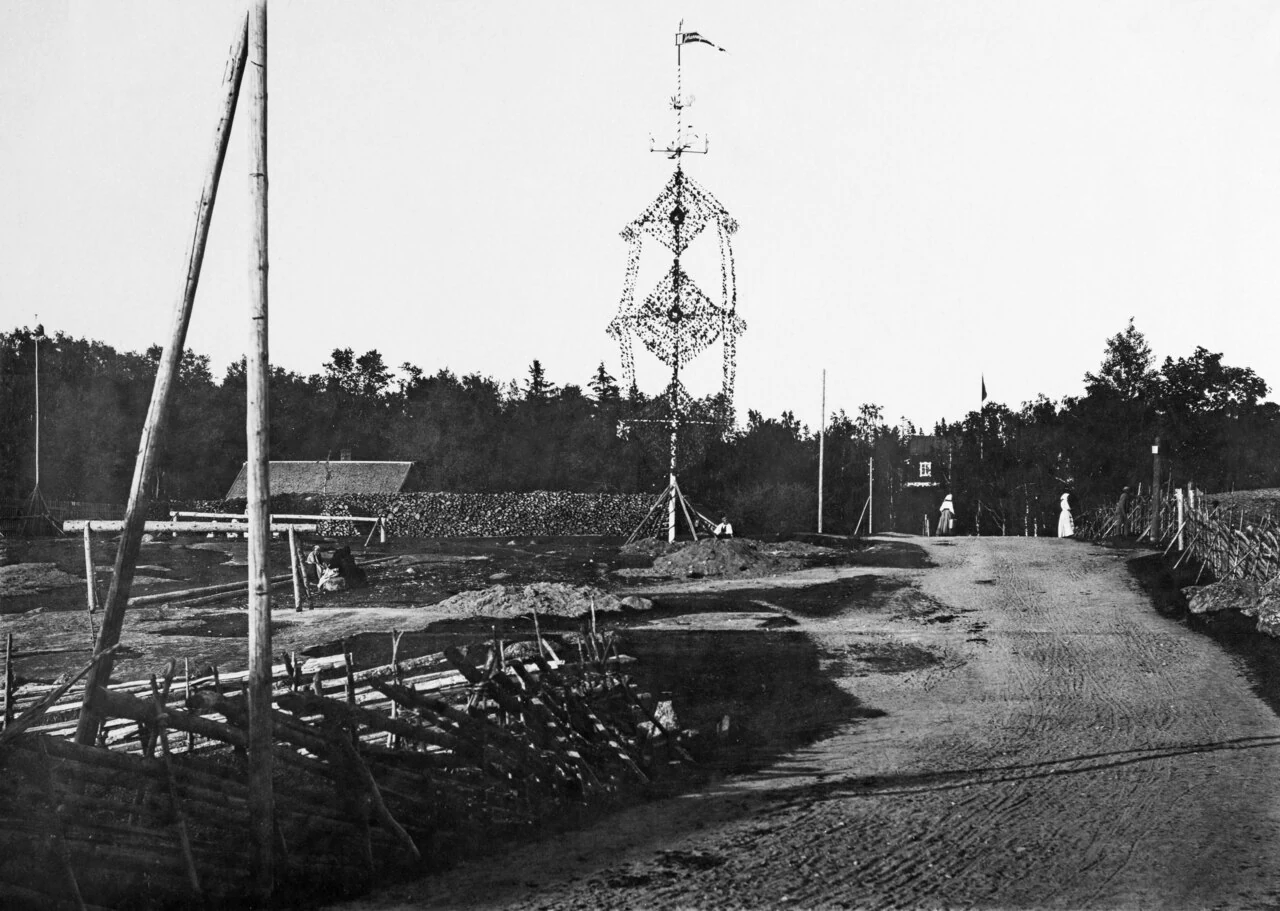
Midsummer is an important celebration, with decorated midsummer poles and community gatherings. Traditions and public programs differ between villages; check the local schedule if you hope to join a pole-raising ceremony.
Torggatan in Mariehamn · Håkan Skogsjö · Wikimedia Commons · CC BY-SA 4.0 · Photograph resized for responsive delivery.
07
Mariehamn — The Maritime Heart of Åland
Mariehamn, founded in 1861 and named after Empress Maria Alexandrovna, is a compact town with a strong maritime identity. Large passenger ferries call at the Western Harbour, Västerhamn, where Pommern and the Maritime Museum are also located. The eastern shore has marinas and the Sjökvarteret maritime quarter. Check the port on your ticket: some Åland calls use Långnäs instead of Mariehamn.
Torggatan is the central shopping street, with cafés and shops within a short walk of the town square. The Cultural History Museum of Åland and Åland Islands Art Museum share a building nearby. Esplanaden crosses the town between its shores, while neighboring Södragatan preserves wooden houses associated with architect Hilda Hongell. These streets make an easy walking route between the harbor and the center.
The Western Harbor promenade remains Mariehamn's soul. Here, beside the moored Pommern, locals and visitors stroll past former warehouses converted to restaurants and galleries. Summer evenings bring out café tables and the smell of grilled fish. The four-masted barque herself—built in Glasgow in 1903, one of the legendary "Flying P-Liners"—can be explored from hold to rigging, her original fixtures intact as they were when she completed her last grain run from Australia in 1939. Standing on her deck, watching the sunset over the Baltic, you understand why Ålanders call themselves islanders and sailors before anything else.
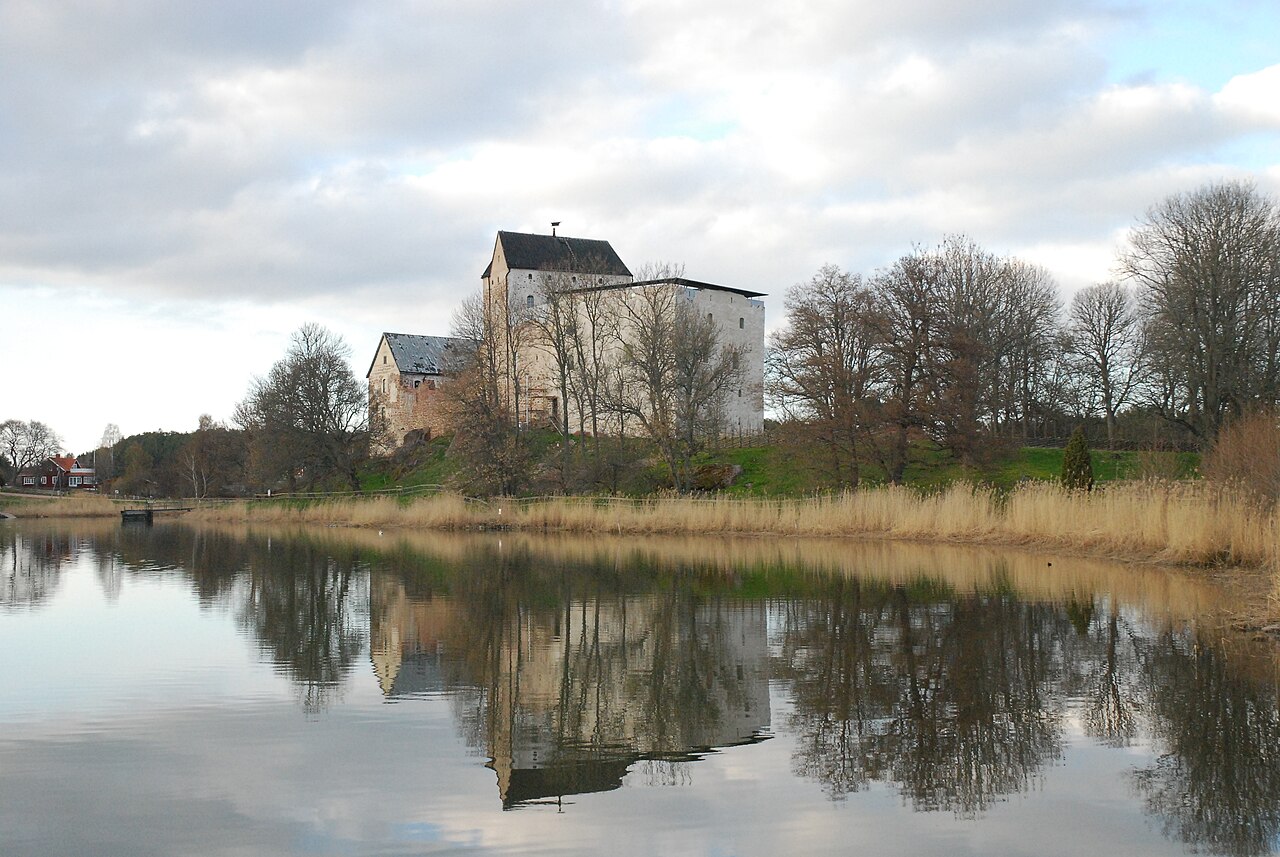
Kastelholm Castle rises from a small island in Kastelholmsfjärden bay, about 25 kilometers northeast of Mariehamn. First documented in 1388, the fortress served Swedish kings as an administrative center and occasional residence. Gustav Vasa visited in 1556, and in the autumn of 1571 his deposed son King Erik XIV was held prisoner here with his wife Karin Månsdotter, on the orders of his brother and successor Johan III. The castle witnessed sieges, royal visits, and the slow transformations of power from medieval monarchy through Russian rule to Finnish autonomy.
Today, partially restored, Kastelholm houses a museum exploring Åland's medieval and early modern history. The thick stone walls, towers, and courtyards evoke centuries of strategic importance—this was the key to controlling traffic between the Baltic powers. Surrounding the castle, the Jan Karlsgården Open-Air Museum displays traditional buildings from across Åland, offering insight into rural life from the 18th century onward.
The Kastelholm area has become a center for culinary tourism. Smakbyn ("Flavor Village"), created by chef Michael Björklund, includes restaurants, a distillery, and artisan producers showcasing local ingredients. The juxtaposition of medieval fortress and modern Nordic cuisine captures something essential about Åland—a place where history is not preserved under glass but integrated into contemporary life, where castles stand amid apple orchards and ancient stone meets craft beer.
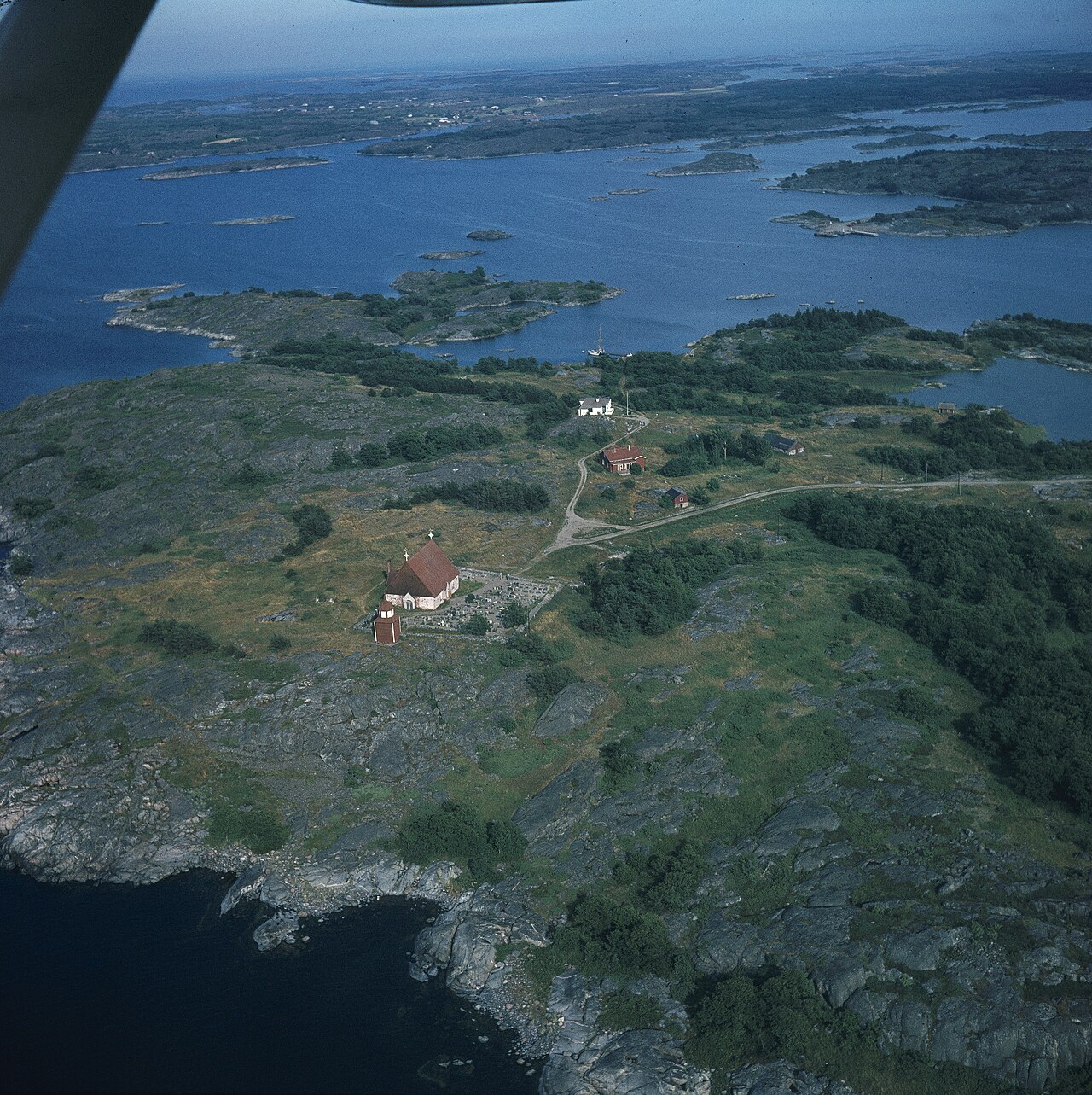
Kökar lies in the southeastern archipelago. Its Hamnö church, monastic remains, and rocky shores reward a slower visit. Kumlinge is another island municipality with a medieval church. Ferry schedules determine how comfortably these places can be combined.
The northern municipalities—Saltvik, Sund, Geta—offer castle ruins, nature reserves, and cycling routes through agricultural landscapes. Bomarsund, where the Russian fortress was destroyed in 1854, preserves evocative ruins amid birch forests—a reminder of the great power conflicts that shaped these small islands. The southern archipelago includes Föglö and Sottunga, accessible by interisland ferries that make exploration an adventure in itself.
Cycling lets you explore the islands at a gentle pace. Combine road sections with archipelago ferries, checking the current fare, bicycle rules, reservation requirements, and last departure on every route. Distances on a map can be deceptive when a crossing runs only a few times a day.
The Baltic Sea shapes Åland’s climate. Summer brings long days suitable for cycling and sailing, but wind and rain can change the feel of a day quickly. Pack layers and check the local forecast before heading onto exposed water. Sunshine varies by year and weather station; a claim that Åland is the sunniest place in all the Nordic countries is not a reliable basis for planning.
Summer (June-August) is the peak season, when long days stretch to near-continuous light around midsummer, ferries run frequently, and all attractions operate fully. This is cycling and sailing season, when the archipelago reveals its full beauty. May and September offer quieter conditions with fewer tourists, though some island services may be limited. Winter brings a different atmosphere—frozen harbors, fewer ferry connections, but also the possibility of skiing and ice skating when conditions permit.
The Midsummer weekend (late June) represents Åland's most festive period, when accommodation books months in advance and the islands fill with visitors celebrating alongside locals. Late August brings the Åland harvest season and food festivals. For those seeking the archipelago at its most authentic, early June or late August combines good weather with fewer crowds, allowing unhurried exploration of islands that many summer visitors miss entirely.
Landscape at Soltuna, Geta — historical photograph · Harri Blomberg ( Västgöten ) · Wikimedia Commons · CC BY-SA 3.0 · Photograph resized for responsive delivery.
13
Getting There
Ferries connect Åland with Sweden and mainland Finland. Compare Viking Line, Tallink Silja, and Eckerö Linjen for your route. Check the arrival port carefully: Mariehamn, Långnäs, and Eckerö require different onward transfers. Ships and onboard services vary.
Mariehamn has air connections with Stockholm Arlanda, Helsinki, and Turku. Visit Åland gives approximate flight times of 30 minutes from Stockholm or Turku and one hour from Helsinki. Check the operating airline, timetable, baggage allowance, and airport transfer for your travel date.
For travel within the archipelago, consult Ålandstrafiken’s current timetable, fares, and reservation rules. Plan the return crossing before setting out, especially with a vehicle or bicycle and outside the summer season.
Berghamn ferry harbor, Eckerö · Erik Wannee · Wikimedia Commons · CC BY-SA 3.0 · Photograph resized for responsive delivery.
14
Practical Information
Currency & Payments: The euro (€) is used throughout Åland. Credit and debit cards are widely accepted, including contactless payments. ATMs are available in Mariehamn and larger villages. Note that Åland maintains a special EU status allowing duty-free sales on ferries between Sweden/Finland and Åland—this is why the ferry routes remain commercially viable and frequent.
Language: Swedish is the official language. English is commonly used in tourism, while knowledge of Finnish varies. Menus and visitor information may be multilingual; do not assume every service is available in your preferred language.
Connectivity: Mobile coverage is excellent throughout the main islands and good on most inhabited outer islands. Wi-Fi is standard in hotels, cafés, and many public spaces. The islands use Finnish telecommunications networks and Finnish phone country code (+358), with Åland-specific area codes. Emergency services: 112 (EU-wide).
Accommodation ranges from hotels and guesthouses to cottages and designated campsites. Book early for midsummer and the main summer season. Access to land is more restricted on Åland than visitors familiar with mainland Nordic rules may expect: follow local signs, obtain the necessary permission for camping, and respect reserve-specific restrictions.
Entry requirements for U.S. travelers: Åland is part of Finland and the Schengen area. Check passport validity, the 90-days-in-any-180-days limit and current entry procedures before departure. For EES and ETIAS, use the official EU travel portal; implementation dates and requirements can change. The U.S. Embassy in Helsinki is the relevant American diplomatic mission.
Budget amounts below are planning estimates retained from the earlier guide, not verified quotations for 2026. Obtain current prices for your dates.
Åland sits firmly in the Nordic price range — comfortable but not cheap. The duty-free status on the Stockholm–Mariehamn–Helsinki ferries offers one significant saving, and smart travelers stock up on wine, beer, and spirits aboard. Once on the islands, expect Finnish-level prices with Swedish service standards.
Budget traveler (€80–120/day): Hostel or budget guesthouse bed (€35–60), supermarket lunches, one restaurant dinner, bicycle rental (€15/day), interisland ferries (free on foot; small fee with a bike). Self-catering in a rented cottage significantly reduces daily costs. Camping is an option on designated sites for €15–25/night.
Mid-range (€150–250/day): Boutique hotel or quality guesthouse (€90–160/night), two sit-down meals, cycle hire, museum entries (€5–12 each), and a boat trip to the outer archipelago (€25–50). Budget €5–8 for coffee and pastry at a Mariehamn café.
Ferry costs: Viking Line Stockholm–Mariehamn (from €30 one-way foot passenger, cabin from €80). Tallink Silja operates similar routes. Eckerö Linjen Grisslehamn–Eckerö (from €20). Ålandstrafiken's inter-island ferries are free for foot passengers — one of the most generous public transport benefits in Europe — while bicycles, motorbikes and cars pay a modest fare.
Key prices 2025: Supermarket beer €2–3, restaurant main course €18–32, cappuccino €4–5, museum entry (Kastelholm) €10, bicycle rental per day €15–20, Smakbyn tasting menu €95–130 per person.
Planning categories; obtain current quotations. · Kaufmann WTF
16
Accommodation
Mariehamn offers hotels and guesthouses; other islands add cottages and smaller accommodations. Reserve ahead for summer and check ferry access before choosing a remote stay. Pommern is a museum ship, not a hotel recommendation.
Hotel Pommern: A hotel in central Mariehamn with a restaurant and wine bar. Check the hotel’s own booking page for current room categories, availability, and rates.
Hotel Arkipelag: A Mariehamn hotel near the eastern waterfront. Confirm the facilities included in your chosen booking and any seasonal opening hours directly with the hotel.
Eckerö Hotell & Restaurang — Located in the western village of Eckerö near the ferry terminal, this family-run property offers a genuine archipelago atmosphere, local cuisine, and access to some of Åland's best cycling routes.
Summer cottages (stugbyar): The most authentic way to experience Åland. Hundreds of cottages are available for weekly or nightly rental across the islands — red wooden cabins with saunas, private jetties, and rowing boats. Book through Visit Åland (visitaland.com) or directly. Prices from €80–250/night depending on size and season.
Archipelago resorts: Several outer islands have small eco-resorts or converted farm accommodations accessible only by ferry. Kökar's guesthouse serves as a base for exploring the eastern archipelago. Kumlinge and Brändö have simple but characterful options for the genuine island-hopper.
Hotel Arkipelag in Mariehamn · Johan Jönsson ( Julle ) · Wikimedia Commons · CC BY-SA 4.0 · Photograph resized for responsive delivery.
17
Festivals & Events
Summer brings music and local celebrations, while autumn highlights the harvest. Check the organizer’s program for dates, tickets, and locations before booking travel around an event.
Midsummer: Look for local midsummer-pole ceremonies and village celebrations in June. Programs vary; book accommodation early for this popular travel period.
Rockoff: This music festival takes place in central Mariehamn. Consult the official Rockoff program for the next edition’s artists, dates, and tickets.
Kastelholm: The castle and nearby museums provide a setting for seasonal cultural activities. Check the museum calendar; a particular medieval market or demonstration should not be assumed to recur every summer.
Skördefesten: The 2026 harvest festival runs September 18–20. Farms, food producers, and restaurants participate across Åland. Use the organizer’s map and opening hours to plan the stops.
Åland midsummer pole in 1917 — archival photograph · Photographer unknown; JOKA Press Photo Archive / Otava, Finnish Heritage Agency · Wikimedia Commons · CC BY 4.0 · Photograph resized for responsive delivery.
18
UNESCO & World Heritage
Åland has no UNESCO site of its own, but Kastelholm Castle, the Bomarsund ruins, and a Helsinki-bound ferry past Suomenlinna add up to a genuine Baltic heritage circuit. Plan the heritage circuit →
Beyond Mariehamn and the famous ferry routes, Åland reveals layers of quieter beauty that most visitors never reach. The outer islands reward those willing to consult the ferry timetable and pack a lunch.
Kökar: This southeastern island municipality rewards a slower visit. At Hamnö, the church and remains of a Franciscan friary connect the seascape with the islands’ religious history. Check the ferry route and its duration from your actual departure port rather than relying on a single quoted crossing time.
Orrdalsklint: At just 129 meters, Åland's highest point sounds modest — but the views across the archipelago, when the sea stretches in every direction with islands scattered to the horizon, are genuinely dramatic. Accessible by bicycle from Saltvik, with a marked trail to the summit through pine forest.
Lumparn: This broad bay in central Åland occupies an ancient impact structure. Explore its shores by road or on a suitable guided outing; exposed water requires attention to weather and boating conditions.
Jan Karlsgården Open-Air Museum: Near Kastelholm, historic buildings moved from different parts of Åland illustrate a late-nineteenth-century farm. The museum was established in the 1930s; the buildings do not stand on their original sites.
Eckerö and the old postal route: The Post and Customs House recalls the historic connection with Sweden. Combine it with a local walk or bicycle ride and allow time to reach the ferry terminal. Eckerö is on the western side of the main archipelago, not Finland’s westernmost point.
Lemland Church: One of the archipelago’s medieval stone churches. Check visitor hours and respect services and private ceremonies when planning to see the interior.
Hermas farmstead on Enklinge · Anna Rydin · Wikimedia Commons · CC BY-SA 3.0 · Photograph resized for responsive delivery.
20
Packing Tips
Åland's maritime climate means conditions can change rapidly even in summer. The islands reward active exploration — cycling, hiking, boat trips — so practical, layered clothing serves better than resort wear.
Layers are essential: A warm fleece or light down jacket is useful even in July, especially on evening boat trips or open-water ferry crossings. Wind can be sharp on the outer skerries regardless of air temperature. Pack a waterproof outer layer — Nordic rain showers are brief but frequent.
Cycling gear: If you plan to cycle (and you should), bring padded shorts, a helmet, and cycling gloves. Bicycle rental shops in Mariehamn supply bikes but not specialist gear. A small backpack or handlebar bag is useful for carrying lunch and a change of clothes to the outer islands.
Sun protection: Bring sunscreen, sunglasses, and a hat for exposed shorelines and time on the water. Long daylight hours do not guarantee clear skies, so include rain protection as well.
Mosquito repellent: Forested areas and the shores of inland lakes harbor mosquitoes in June and July. A good DEET-based repellent is worth packing for camping or evening outdoor dining in wooded locations. The mosquito season is short but intense during peak summer.
Cash and cards: Cards are accepted virtually everywhere, but carry €50–100 in cash for small stalls, markets, and the odd outer island café. Euro coins are useful for harbor facilities and automatic ferry ticket machines on some routes.
Ferry essentials: If taking an overnight ferry (Stockholm–Mariehamn), bring earplugs — the party atmosphere on Viking Line and Tallink Silja can be lively. A reusable water bottle fills easily from Åland's excellent tap water. Bring a small dry bag for boat trips to the outer archipelago.
Visit Åland (visitaland.com) — The official tourism portal with accommodation booking, event calendar, cycling routes, and ferry connections. English-language content is comprehensive and regularly updated.
Ålandstrafiken (alandstrafiken.ax) — All inter-island ferry timetables, bus routes, and seasonal schedules. Check current ferry schedules, fares and reservation rules before planning travel between the islands.
Government of Åland (regeringen.ax) — Official site of Åland's autonomous government. Useful for understanding the political and legal status of the islands, visa requirements, and official statistics.
Ålands Maritime Museum (sjofart.ax) — Online resources and visitor information for the Maritime Museum and the museum ship Pommern. One of the finest maritime collections in Northern Europe.
Stallhagen Brewery (stallhagen.com) — Information on Åland's most distinctive brewery, including the remarkable story of the historic Baltic Sea shipwreck beer recipe. Brewery tours available in summer.
Emergency services: 112 (EU-wide emergency number). Åland uses Finnish telecommunications infrastructure. Swedish is the language of emergency services. The main hospital is Ålands Central Sjukhus in Mariehamn (+358 18 5355).
Tove Jansson — The Summer Book (1972): Though set on a fictional Finnish archipelago island, this luminous novel captures the Åland experience with uncanny precision — an elderly grandmother and her granddaughter spending summer on a small island, the sea always present, time moving at the rhythm of tides. Jansson herself had a summer cottage on the outer archipelago. Essential reading before any island visit.
Eric Newby — The Last Grain Race (1956): Newby signed on as crew aboard the four-masted barque Moshulu in 1938 — the same era when Gustaf Erikson's Mariehamn-based fleet was completing the last great commercial sailing voyages. A vivid account of life under sail on a grain ship, the world that produced the Pommern.
Alan Villiers — The War with Cape Horn (1971): Documents the final years of commercial sail and the Cape Horn grain routes that sustained Åland's ship-owning families. Gustaf Erikson's vessels feature prominently. Context for understanding why Mariehamn was the world's last great sailing ship port.
Sally Salminen — Katrina (1936): Written by a Vårdö-born housemaid working in New York, this novel about an Ostrobothnian bride who follows a boastful sailor home to a poor Åland skerry became an international bestseller, translated into some twenty languages and reissued in English in 2019. Still the great Åland novel.
Ulla-Lena Lundberg — Ice (Is, 2012): Winner of the Finlandia Prize, this novel by the Kökar-born author follows a young priest and his family to a remote outer-archipelago parish just after the war. Nobody has written the light, silence and danger of the Åland skerries better.
Mariehamn city library · Lennart Kjellman · Wikimedia Commons · CC BY-SA 3.0 · Photograph resized for responsive delivery.
23
Videos About Åland Islands
The links below open YouTube searches for travel videos about Åland. They are search results, not individually reviewed or endorsed films.
Gustaf Erikson (1872–1947): The last great sailing ship owner in the world. Born in Lemland, Åland, Erikson began as a ship's boy at age nine and built a fleet of square-riggers that continued the Cape Horn grain trade long after every other operator had switched to steam. His Mariehamn-based company kept commercial sail alive until 1947 — the Pommern is the physical legacy of his determination. Erikson is the central figure in Åland's golden maritime age.
Julius Sundblom (1865–1945): The architect of Åland's autonomy. As editor of Ålandstidningen and the leading voice for self-determination, Sundblom navigated the post-WWI political process that secured Åland's demilitarization and Swedish-language protection under Finnish sovereignty in 1921. Without his political skill, the Åland solution — which became a model for minority rights in international law — might never have been achieved.
Michael Björklund (born 1972): The chef who put Åland on the culinary map. A winner of multiple Nordic culinary championships, Björklund created Smakbyn ("Flavor Village") at Kastelholm — restaurant, brewery, and artisan food hub — and has been instrumental in developing the New Nordic cuisine scene in the archipelago. He has represented both Åland and Finland in international competitions.
Tove Jansson (1914–2001): The Helsinki-born creator of the Moomins drew on Finland’s coastal island landscapes. Her work offers a literary companion to an archipelago journey, but her best-known island home was not on Åland.
Daniel Sjölund (born 1983): A footballer from Finström who played for Finland and for clubs including Djurgården and IFK Norrköping. His career connects Åland with the wider Nordic football scene.
Sally Salminen (1906–1976): Vårdö-born novelist whose debut Katrina (1936), written while she worked as a maid in New York, became a worldwide bestseller and remains the defining Åland novel.
Ulla-Lena Lundberg (born 1947): Kökar-born author of Ice (Finlandia Prize 2012) and a long shelf of archipelago fiction and travel writing; the leading literary voice of the outer islands today.
Statue of Julius Sundblom · Erik Wannee · Wikimedia Commons · CC BY-SA 4.0 · Photograph resized for responsive delivery.
25
Sports
Sport in Åland reflects the islands' dual identity — competing under Finnish federation rules while embracing Swedish sporting culture, with maritime and outdoor pursuits defining the archipelago lifestyle.
IFK Mariehamn: The islands' most successful sports institution. Founded in 1919, IFK Mariehamn has played in Finland's top-flight Veikkausliiga every season since 2005, winning the Finnish Cup in 2015 and the Finnish Championship in 2016 — the first club from outside mainland Finland ever to win the national title. The achievement resonated across the islands as a statement of Åland's distinct identity. Home matches are played at Wiklöf Holding Arena in Mariehamn.
Cycling: Choose a route that fits your fitness and ferry connections. The sea wind and waiting time for crossings can matter more than the distance. Check bicycle fares, reservations, and rental availability in advance.
Sailing: Given the maritime heritage, sailing is deeply embedded in Åland culture. Mariehamn's several yacht clubs offer mooring for visiting sailors, and the sheltered inner archipelago provides ideal conditions for beginners while the outer waters challenge experienced crews.
Floorball (salibandy): Hugely popular in Finland and equally so in Åland, floorball is the dominant winter indoor sport. Several Åland clubs compete in Finnish regional leagues. The sport's fast pace suits the archipelago's youth sporting culture.
Running and outdoor sports: Summer road races and trail runs draw Nordic runners. Nordic walking, kayaking the archipelago, ice fishing in winter, and cross-country skiing when conditions permit complete the outdoor sports calendar. Åland's national sports federation operates independently within the Finnish system, reflecting the islands' political autonomy.
AC Oulu versus IFK Mariehamn in Oulu, 2025 · Estormiz · Wikimedia Commons · CC0 · Photograph resized for responsive delivery.
26
Media & Press Freedom
Åland operates within Finland's media environment — consistently ranked among the world's freest press systems by Reporters Without Borders. The islands' media landscape is small but healthy, reflecting the Swedish-language community's determination to maintain cultural and informational independence from mainland Finnish-language media.
Ålandstidningen: The islands' main daily newspaper, published in Swedish since 1891. Covers local news, politics, culture, and sports with particular attention to Åland's autonomous political status. Digital edition available at alandstidningen.ax. Historically the newspaper of the autonomy movement.
Nya Åland: A competing Swedish-language daily providing alternative political coverage and broader cultural journalism. Founded in 1981, Nya Åland has been an important voice for accountability journalism within the small island community.
Ålands Radio och TV: Åland's own public broadcaster, owned by the Åland government, founded on 1 May 1996 when it took over from Yle's Åland newsroom. It produces daily local radio in Swedish, runs TV Åland, and relays Yle and Swedish SVT channels; digital output lives at alandsradio.ax. Finnish and Swedish television are both widely available.
Digital media: Several online news outlets and community platforms serve Åland's 30,000-person Swedish-speaking population. Social media communities — particularly Facebook groups for cycling, sailing, and local events — are active and serve as practical resources for visitors. The islands' small population means that word-of-mouth remains the most effective local news network.
Demilitarized status: Åland’s demilitarization dates to the settlement after the Crimean War in 1856. Its treaty framework and the rules concerning military service are specific legal arrangements; avoid treating them as a simple exemption applying to every resident.
Own Stamps Since 1984: Åland issues its own postage stamps, which are valid only on mail posted in Åland but prized by collectors worldwide. The first Åland stamps depicted the flag and local nature; subsequent issues have featured maritime heritage, wildlife, and cultural themes.
Long summer evenings: Åland’s northerly position gives visitors many hours of daylight around midsummer. Use that time for an evening walk, but check museum and restaurant hours separately; daylight does not mean every attraction is open.
Rising Land: Post-glacial rebound continues lifting Åland at about 5mm per year. The islands are literally growing, with new skerries emerging from the sea and harbors gradually becoming too shallow—a slow transformation visible across centuries of navigational charts.
Pommern's Last Voyage: The museum ship Pommern made her final grain run from Australia in 1939, was laid up in Mariehamn when war broke out and never sailed commercially again. The very last grain race came a decade later, in 1949, when Gustaf Erikson's Pamir and Passat rounded Cape Horn — but Pommern, never re-engined or modernized, is the one preserved in original condition.
Viking-age coin jewelry from the Åland islands · Sailko · Wikimedia Commons · CC BY 3.0 · Photograph resized for responsive delivery.
28
Stone Age Åland
Åland’s first known inhabitants arrived by sea thousands of years ago, when the archipelago was far smaller than today. Archaeological sites connect the islands to the Comb Ceramic and later Pitted Ware cultures, while continuing land uplift has steadily changed shorelines and settlement patterns.
Archaeological excavation at Glamilders, Saltvik — archival photograph · Swedish National Heritage Board · Wikimedia Commons · No known copyright restrictions · Photograph resized for responsive delivery.
29
Åland under the Swedish Crown
For centuries Åland sat on the maritime route between Sweden and Finland. Medieval stone churches, farm settlements and Kastelholm Castle reflect the period when the islands formed part of the Swedish realm and Baltic traffic shaped local life.
Kastelholm in a nineteenth-century drawing by Johan Knutson · Johan Knutson · Wikimedia Commons · Public domain · Photograph resized for responsive delivery.
30
The Russian Era and Bomarsund
Sweden ceded Finland and Åland to Russia in 1809. The Russian Empire began the great Bomarsund fortress, which British and French forces captured and destroyed during the Crimean War in 1854. The settlement that followed established Åland’s enduring demilitarized status.
Bomarsund and Skarpans in a nineteenth-century drawing by Johan Knutson · Johan Knutson · Wikimedia Commons · Public domain · Photograph resized for responsive delivery.
31
Autonomy and the League of Nations
After Finland became independent, a strong movement on Åland sought reunion with Sweden. The dispute went to the League of Nations, which in 1921 confirmed Finnish sovereignty while strengthening guarantees for Åland’s autonomy, Swedish language and local culture.
Åland’s demilitarized status dates to the settlement after the Crimean War and was reinforced internationally. The arrangement is a defining part of the islands’ modern political identity and one reason Åland is frequently discussed in studies of autonomy and minority protection.
Computer reconstruction of the former Bomarsund fortress — not a current building · Henrik Juslin, Graham Robins, Sebastian Sodergardh · Wikimedia Commons · CC BY-SA 3.0 · Photograph resized for responsive delivery.
33
The Åland Parliament
Åland’s parliament, the Lagting, has 30 members and legislates in areas assigned to the autonomous territory, including education, culture, health, internal transport, policing and several communications matters. Finnish law continues to govern fields outside Åland’s autonomous competence.
The Åland Parliament building · Pjt56 · Wikimedia Commons · CC BY-SA 3.0 · Photograph resized for responsive delivery.
34
Tall Ships and Maritime History
Åland’s modern identity is inseparable from merchant shipping. Island shipowners operated ocean-going sailing vessels long after steam had transformed much of world shipping, and Mariehamn’s maritime museum and the preserved four-masted barque Pommern make that era unusually tangible.
Shipowner Gustaf Erikson — historical portrait · Unknown author · Wikimedia Commons · Public domain · Photograph resized for responsive delivery.
35
Bomarsund Fortress
The ruins of Bomarsund spread across a broad landscape east of the main island. What survives is not a picturesque medieval castle but the remains of an ambitious nineteenth-century Russian military complex destroyed during the Crimean War.
Surviving fortress masonry at Bomarsund · Tomisti (Wikimedia Commons uploader and photographer) · Wikimedia Commons · CC BY-SA 3.0 · Photograph resized for responsive delivery.
36
Eckerö and the Postal Route
Western Eckerö faces Sweden across the Åland Sea. Its monumental former post and customs house recalls the historic postal route between Sweden and Finland, while the surrounding coast gives a strong sense of Åland’s role as a stepping stone across the Baltic.
Eckerö post and customs house · Vhnk · Wikimedia Commons · CC BY-SA 4.0 · Photograph resized for responsive delivery.
37
Kökar and the Outer Archipelago
Kökar lies far out in the southeastern archipelago, where open water, bare rock and small settlements replace the more agricultural landscapes of the main island. Ferries make it accessible, but schedules and weather still determine the rhythm of a visit.
Kökar church and the outer archipelago · Anna Rydin · Wikimedia Commons · CC BY-SA 3.0 · Photograph resized for responsive delivery.
38
The Great Postal Road
For centuries mail, officials and travellers crossed Åland as part of the route between Stockholm and the eastern half of the Swedish realm. Sections of the old postal road survive as a cultural landscape linking villages, ferry passages and historic buildings.
The historic post and customs house at Eckerö · Valentin Hintikka · Wikimedia Commons · CC BY-SA 4.0 · Photograph resized for responsive delivery.
39
Cycling Åland
Gentle terrain, short distances and a network of roads make cycling one of the most natural ways to explore Åland. The experience works best when ferry times are treated as part of the itinerary rather than an inconvenience.
Example route; check conditions and transport schedules. · Kaufmann WTF
40
Nature Reserves and Land Uplift
Post-glacial rebound is still lifting Åland from the Baltic Sea. New shoreline gradually emerges, bays become wetlands and the relationship between forest, meadow, granite and shallow water keeps changing.
Northern Åland landscape at Geta — historical photograph · Harri Blomberg ( Västgöten ) · Wikimedia Commons · CC BY-SA 3.0 · Photograph resized for responsive delivery.
41
Summer Cottages, Sauna and the Sea
The summer cottage is central to island life: a simple house near the shore, time outdoors, swimming and sauna. For visitors, this quieter domestic landscape often explains Åland better than a checklist of monuments.
Summer shoreline and cottages in Åland · Вячеслав Ребров · Wikimedia Commons · CC BY 3.0 · Photograph resized for responsive delivery.
42
Inter-island Ferries
Ferries are public transport, lifeline and travel experience at once. Routes connect the main island with communities such as Föglö, Kumlinge, Kökar and Brändö, but planning requires attention to seasonal timetables, reservations and vehicle rules.
Åland’s museums range from maritime collections and cultural history in Mariehamn to open-air farms and small local museums. Together they document seafaring, fishing, agriculture, hunting and everyday archipelago life.
Åland Museum in Mariehamn · Erik Wannee · Wikimedia Commons · CC BY-SA 4.0 · Photograph resized for responsive delivery.
44
Photo Gallery
Share your Åland Islands photos! Send to radimkaufmann@gmail.com to be featured.
I first encountered Åland not by design but by accident—a ferry delay that stranded me in Mariehamn for an unexpected day. What seemed an inconvenience became a revelation. Wandering the Western Harbor as evening light gilded the Pommern's rigging, I understood that some places resist being passed through. The islands demand pause, the tempo of ferry schedules, the patience of cyclists waiting for boats.
What stays with me is the particular quality of belonging here—how islanders speak of "the mainland" meaning both Finland and Sweden, how the autonomy won a century ago remains vigorously defended, how the sea isn't a boundary but a highway connecting rather than separating. The Ålanders I met—museum guides, ferry workers, café owners—all carried this double consciousness: provincial in the best sense, their roots reaching deep into specific harbors and farms, yet inheritors of a maritime tradition that had touched every continent.
Standing in Kastelholm's medieval courtyard, I thought about how Åland has weathered great power struggles by remaining small, strategic, and stubbornly itself. The demilitarization forced upon it became a gift; the linguistic minority protection became a source of pride. There's wisdom here for a world of contested borders and contested identities—not that every conflict can be resolved by League of Nations commissions, but that sometimes the spaces between nations, the archipelagos and edges, develop the most interesting answers to questions the mainlands haven't thought to ask.
—Radim Kaufmann, 2026
Editorial diagram · chapter overview · Kaufmann WTFBack to top ↑
Share Your Photo
Have an Åland photograph you own? Email it with its location and the name you want credited.







.jpg)
.jpg)


..jpg)


_(2).jpg)


b..jpg)
.jpg)


