
🌍 Bolivia at a Glance
🌏 Overview
Bolivia is South America's most geographically dramatic and culturally indigenous nation—a landlocked country spanning Andean peaks above 6,000 meters, the world's largest salt flat, and Amazonian rainforest. From the breathtaking altitude of La Paz to the surreal landscapes of the Salar de Uyuni, Bolivia offers raw, unfiltered adventure.
The 2024 census recorded 38.7% of Bolivians self-identifying as indigenous or Afro-Bolivian, down from 62% in 2012 — a contested drop that reflects urbanisation and changed question wording rather than vanished culture. Bolivia maintains living pre-Columbian traditions more visibly than any other South American country. Cholita women in bowler hats and layered skirts command respect in markets and boardrooms alike, and Aymara and Quechua languages echo through streets and parliament.
🏷️ Name & Identity
Bolivia takes its name from Simón Bolívar, the Venezuelan-born liberator who helped free much of South America from Spanish rule. The country declared independence in 1825, naming itself in his honor—though Bolívar himself was skeptical the new nation could survive.
Modern Bolivia officially calls itself the Plurinational State of Bolivia, reflecting its 36 recognized indigenous nations. This name, adopted in the 2009 constitution under President Evo Morales, acknowledges the cultural diversity that defines the country—from Quechua highlanders to Guaraní lowlanders.
🗺️ Geography & Regions
Bolivia spans 1.1 million square kilometers across some of Earth's most extreme landscapes. The Altiplano—a vast high plateau at 3,500–4,000 meters between the Western and Eastern Cordilleras—contains Lake Titicaca (shared with Peru), the Salar de Uyuni, and the administrative capital La Paz in a dramatic canyon at 3,640 meters.
Eastern Bolivia drops from Andean heights into tropical lowlands: the Yungas cloud forests, the vast Chaco scrublands, and Amazonian rainforest covering the northern third of the country. Potosí, at 4,090 meters, was once the richest city in the world thanks to its silver mountain, Cerro Rico.
🗺️ Map
La Paz, Sucre, Santa Cruz, Cochabamba, Potosí, Oruro and Tarija; the Uyuni salt flat and the Eduardo Avaroa lagoons; Titicaca and Tiwanaku; Madidi, Sajama, Toro Toro and Noel Kempff; the seven World Heritage sites, the five Tentative-List sites, the four main land borders and the Chapare no-go zone are marked. Scroll-zoom is off — use the +/− buttons.
📜 History
The Tiwanaku civilization flourished near Lake Titicaca from roughly 500 to 1000 CE, building monumental temples whose ruins still stand. The Inca Empire absorbed the region in the 15th century before Spanish conquest in the 1530s brought devastating exploitation of indigenous labor in the silver mines of Potosí.
Independence came in 1825, but Bolivia's history since has been turbulent—losing its Pacific coastline to Chile in the War of the Pacific (1879–1884), the devastating Chaco War with Paraguay, and more military coups than any other Latin American nation.
In 2006, Evo Morales became Bolivia's first indigenous president, reshaping national identity and politics. His Movement for Socialism nationalized resources and empowered indigenous communities, though his extended tenure also sparked controversy and political crisis. The MAS era ended at the ballot box: Rodrigo Paz won the October 2025 runoff and took office on 8 November 2025, inheriting the worst economic crisis in four decades (see Government & Politics below).
👥 People & Culture
Bolivia's 11.3 million people (11,312,620 at the March 2024 census) represent extraordinary cultural diversity. Quechua and Aymara communities maintain ancient traditions in the highlands, while 34 other indigenous groups inhabit the lowlands. Spanish colonial heritage adds another layer, creating a society where Catholic saints share altar space with Pachamama (Mother Earth).
The cholita—the indigenous Aymara woman in bowler hat, pollera skirt, and aguayo shawl—has become a symbol of Bolivian identity and indigenous empowerment. Once stigmatized, cholitas now wrestle professionally, climb mountains, and run businesses with fierce pride.
Music ranges from haunting charango and panpipe melodies in the highlands to cumbia and carnival rhythms in the lowlands. The Oruro Carnival is one of South America's greatest cultural spectacles.
🏛️ Sucre / La Paz
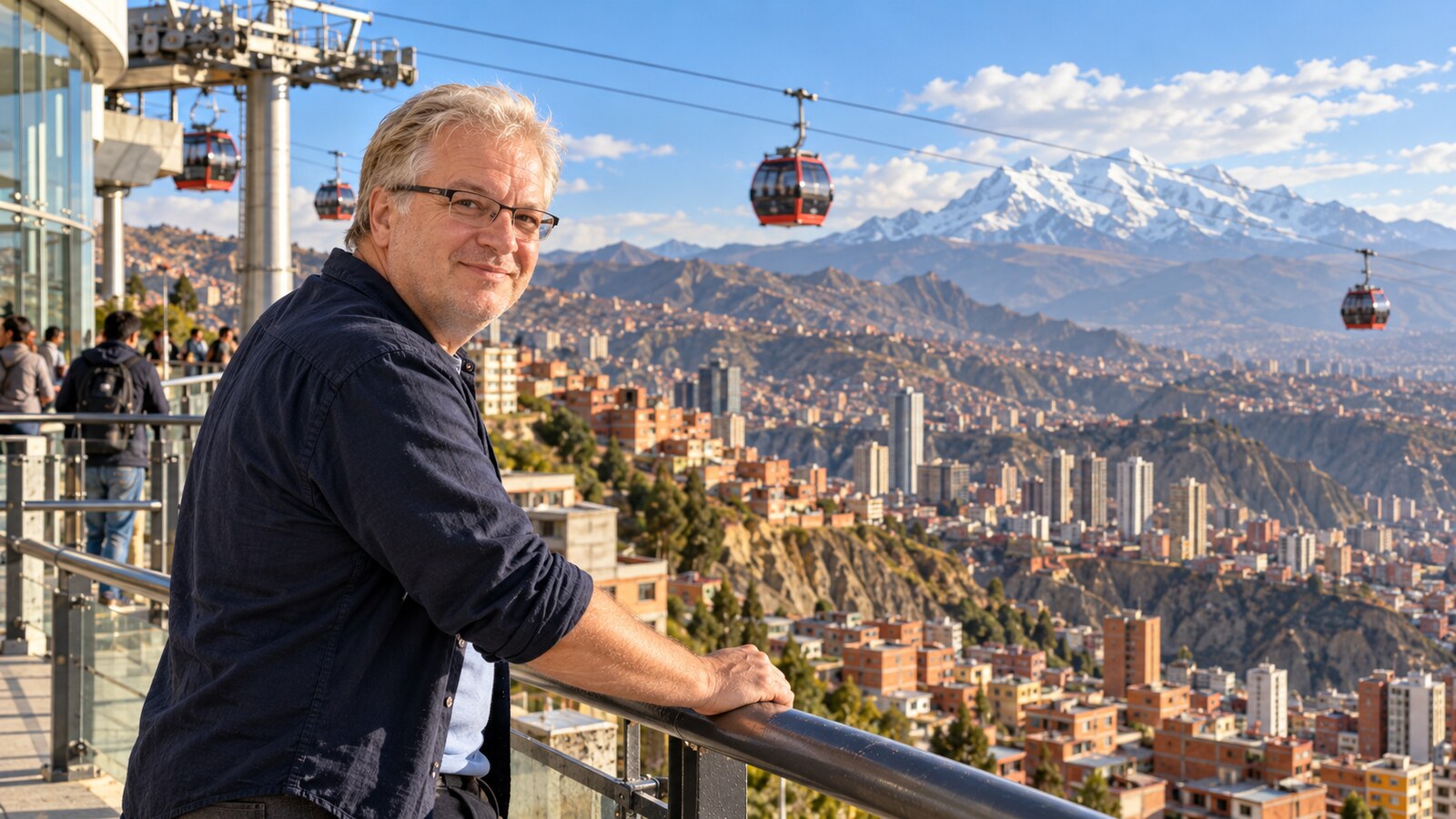
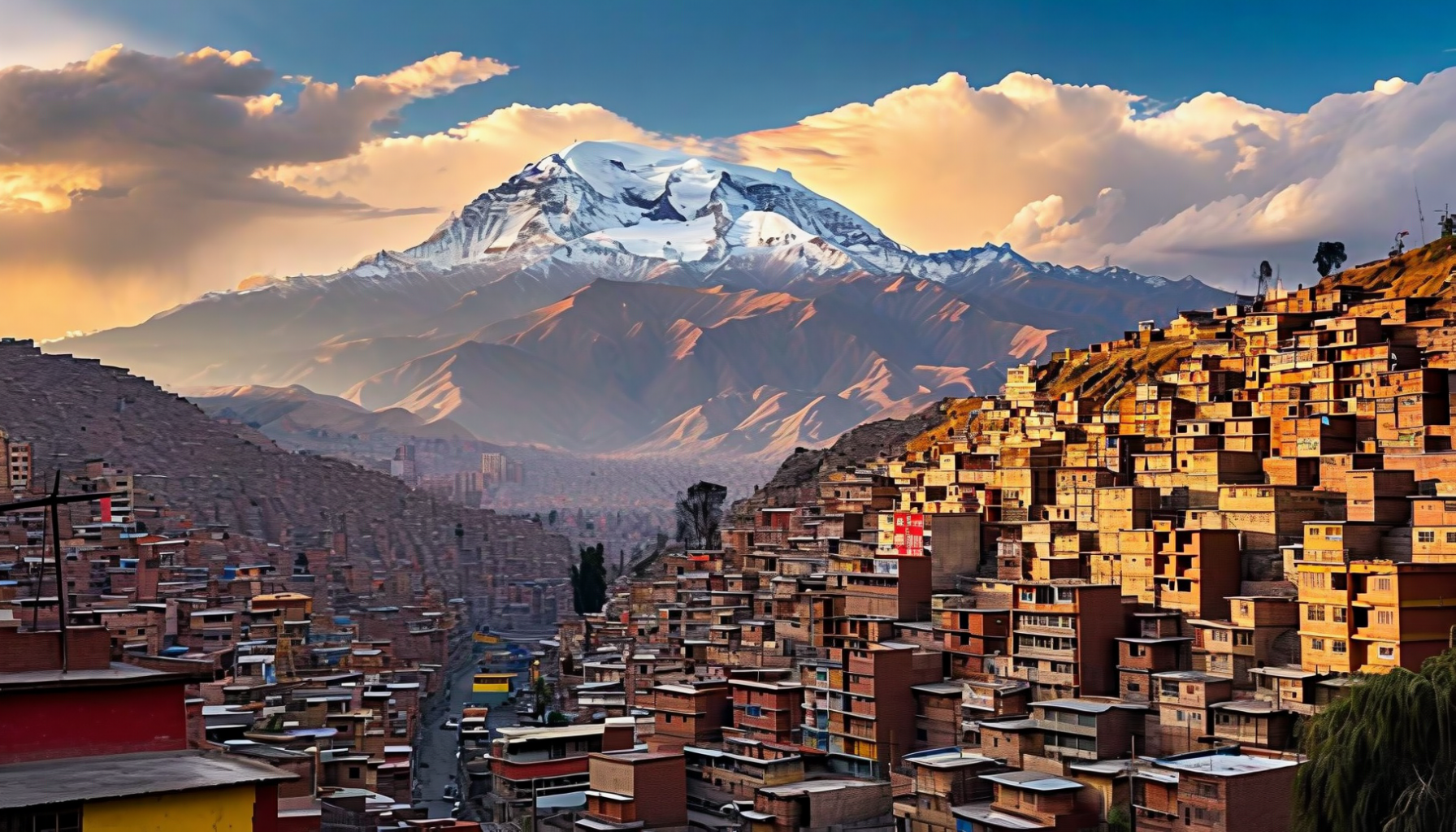
Bolivia has two capitals: Sucre (constitutional capital and seat of the judiciary) and La Paz (seat of government). La Paz, at 3,640 meters in a dramatic canyon, is the world's highest de facto capital. The Mi Teleférico cable car system connects its steep neighborhoods, offering spectacular views of Illimani (6,438 m), the glaciated massif that towers over the city.
Sucre, the "White City," preserves elegant colonial architecture and a gentler pace. Its historic center is a UNESCO World Heritage Site. Meanwhile, the sprawling El Alto—perched on the rim above La Paz at 4,150 meters—has grown into Bolivia's second-largest city, a powerhouse of indigenous commerce and culture.
🧂 Salar de Uyuni & the Southwest Circuit
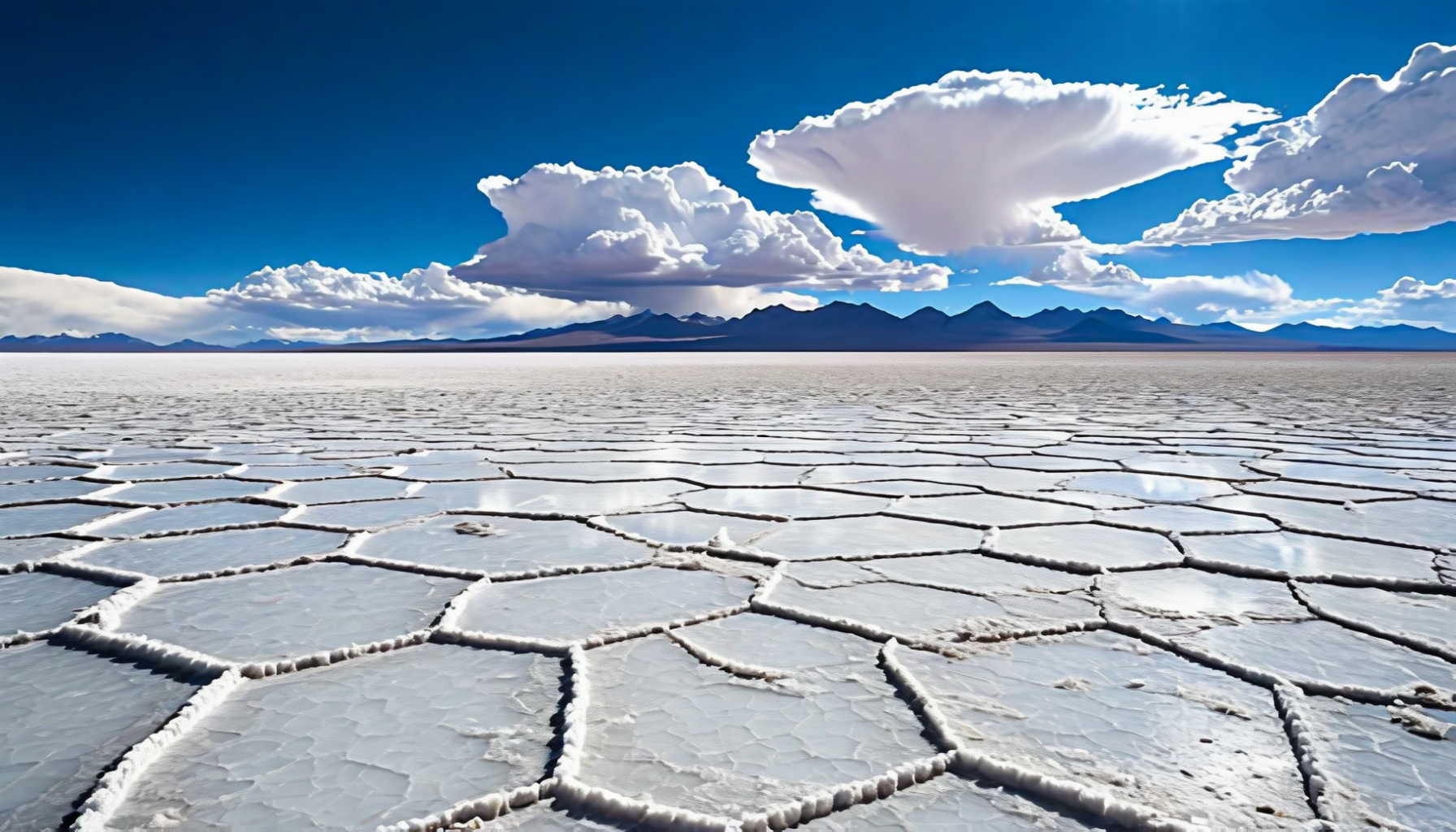
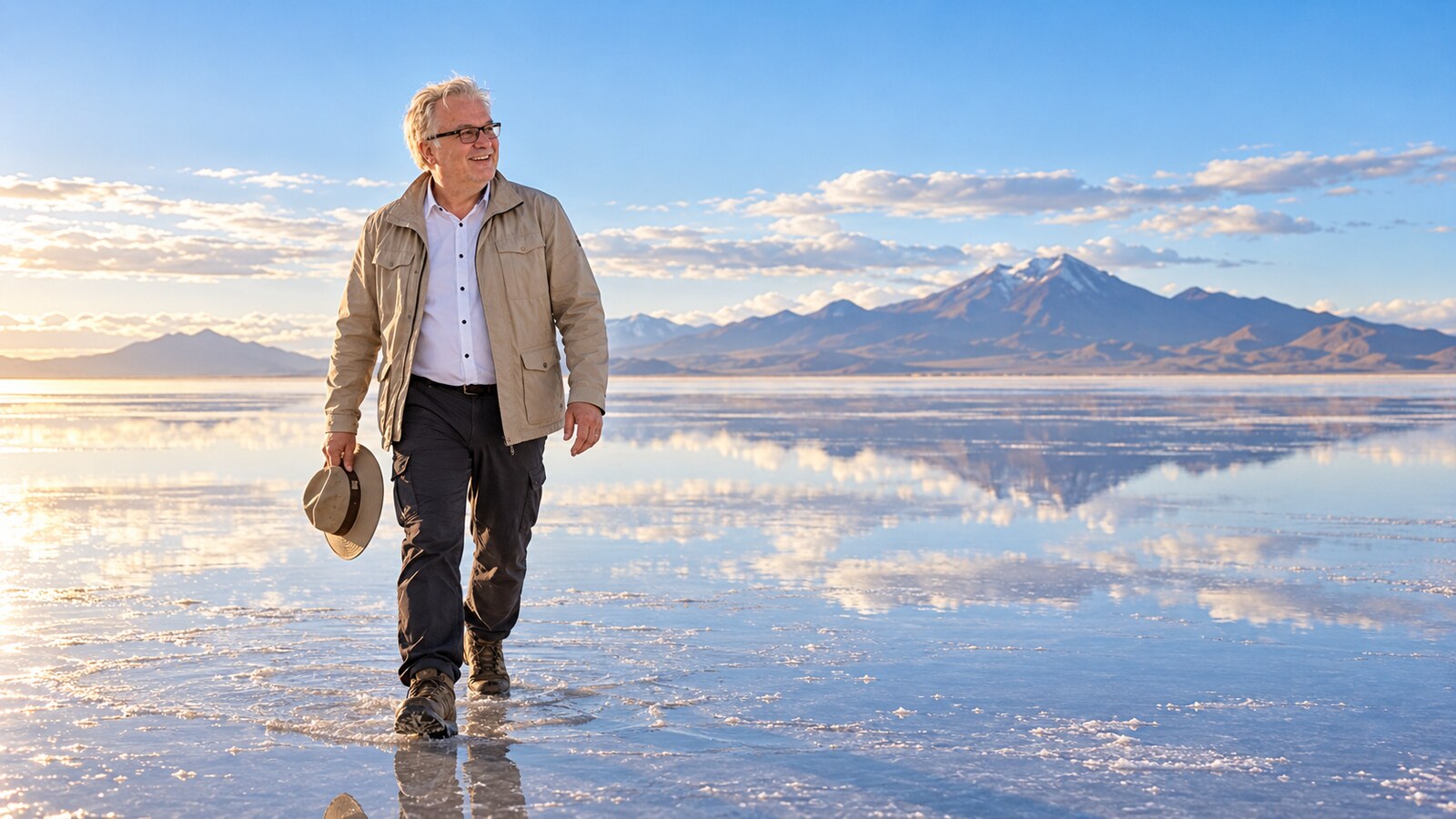
The Salar de Uyuni is the reason most people come: 10,582 km² of salt crust at 3,656 m, the flat bed of a prehistoric lake so level that satellites use it to calibrate their altimeters. In the dry season (May–October) it is a blinding white hexagon-tiled plain you can drive across for hours; after the rains (January–March) a few centimetres of standing water turn it into the “mirror of the sky” that gives this page its name. Isla Incahuasi, a coral-rock island bristling with giant cacti, sits in the middle; the Train Cemetery of rusting steam locomotives sits on the edge of Uyuni town.
Almost everyone takes the classic three-day 4×4 circuit from Uyuni (or in reverse from San Pedro de Atacama in Chile) through the Reserva Eduardo Avaroa: the Ojos del Salar, the salt hotels, then south past the Ollagüe volcano to the altiplanic lagoons, Laguna Colorada with its thousands of James’s flamingos, the Sol de Mañana geysers at 4,850 m, the Polques hot springs and Laguna Verde beneath Licancabur. Nights are brutally cold (−15 °C in June–July), the sleeping altitude is above 4,000 m, and the drivers are the only safety system — book with an operator that has working radios and seat belts, not the cheapest counter on the plaza.
⛵ Lake Titicaca & Tiwanaku
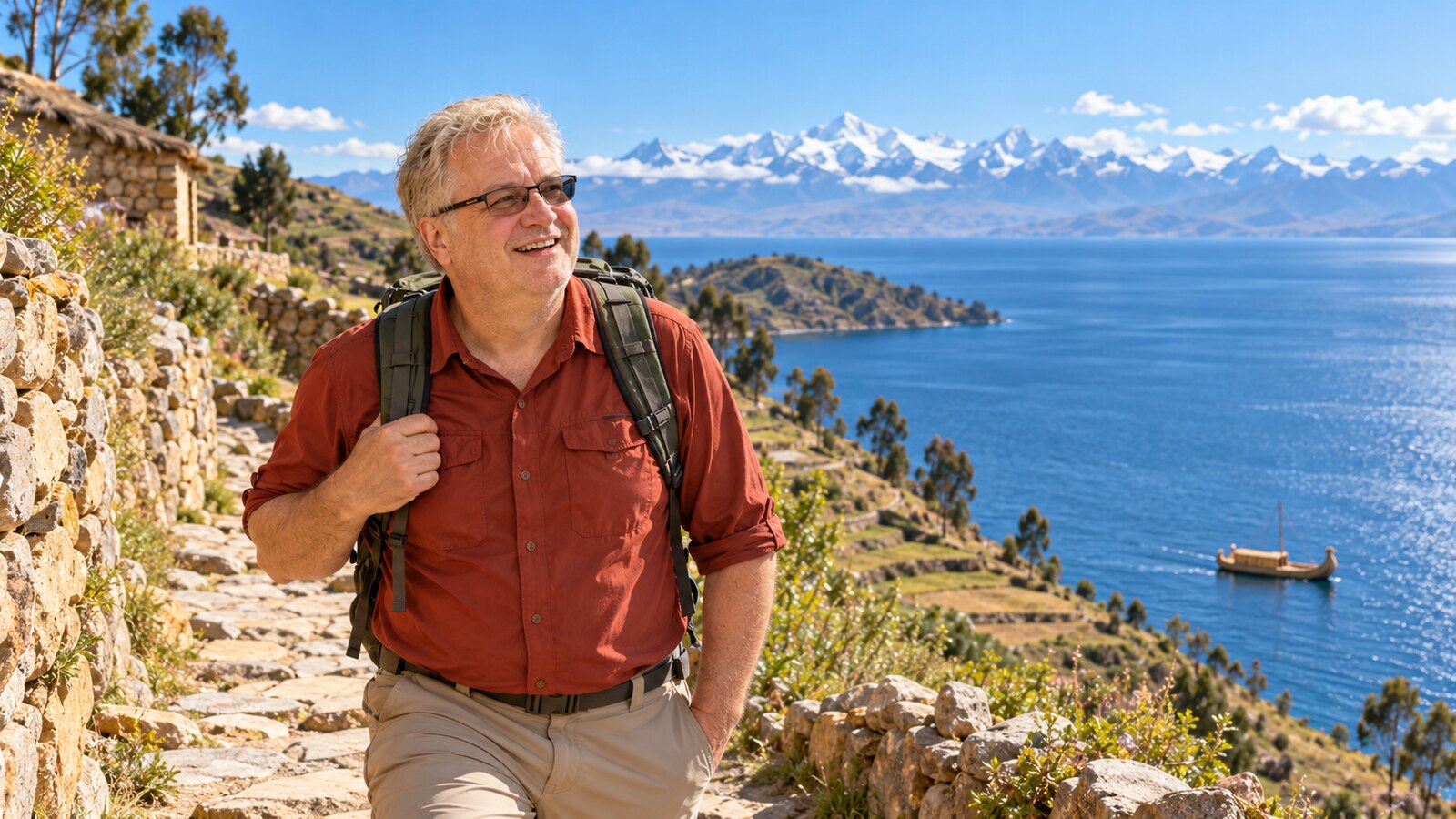
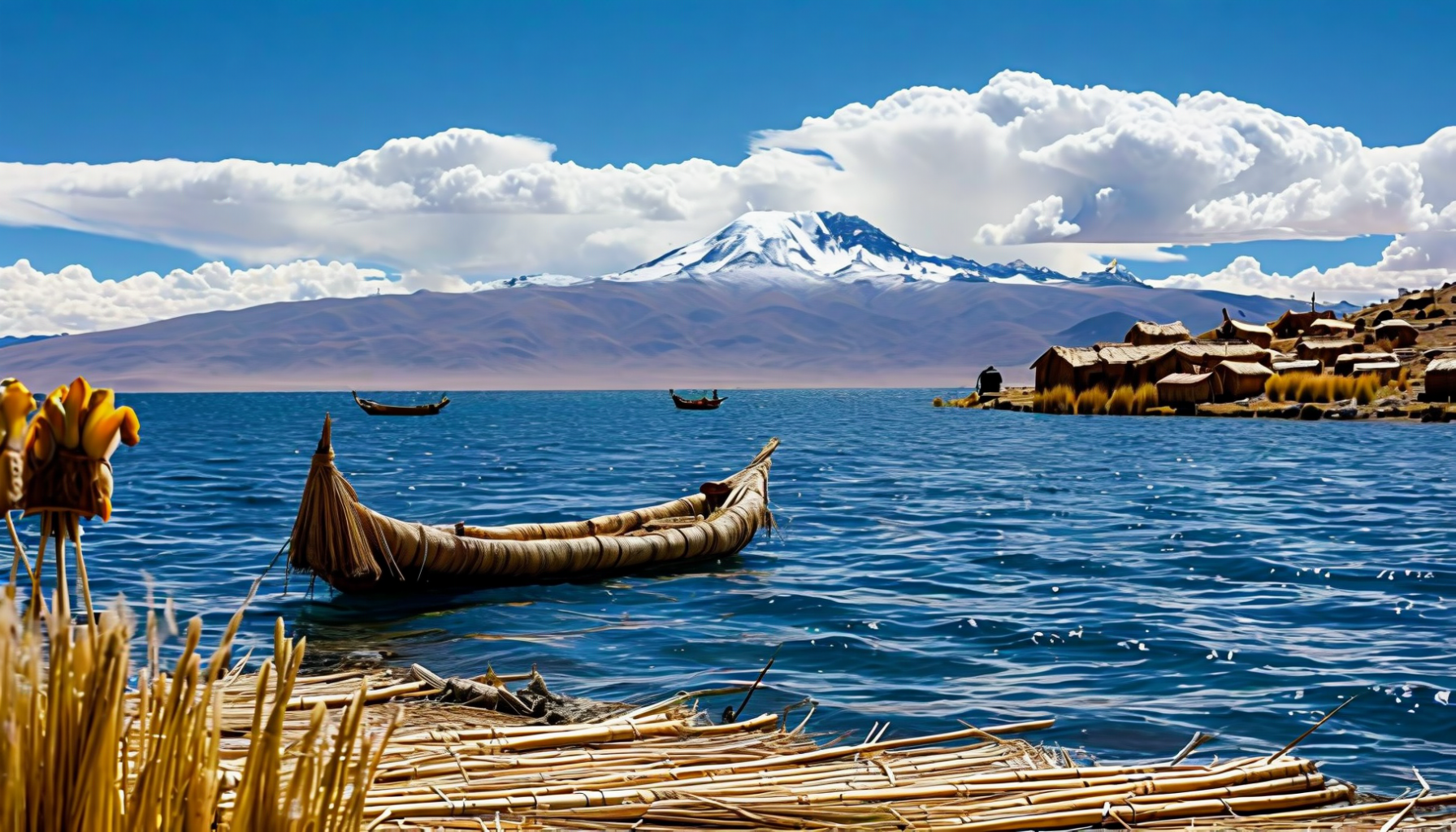
Lake Titicaca, 8,400 km² at 3,812 m and shared with Peru, is the largest lake in South America by volume and the highest navigable lake in the world; 3,690 km² of it are Bolivian. The pilgrimage town of Copacabana, three and a half hours from La Paz, is the base: its Moorish-style basilica holds the Virgen de Copacabana, Bolivia’s patron, and cars are blessed with beer and flowers on the plaza every morning. Boats run to Isla del Sol, the Inca birthplace of the sun, where a day’s walk links the Chincana ruins in the north with the Inca stairway and the Fuente del Inca at Yumani in the south; the smaller Isla de la Luna keeps the ruins of the Iñak Uyu convent of the chosen women.
On the road back to La Paz, 70 km west of the city, lies Tiwanaku, the ceremonial capital of the civilisation that dominated the southern Andes for five centuries before the Inca. The Kalasasaya platform, the monolithic Gateway of the Sun, the semi-subterranean temple with its carved heads and the half-restored Akapana pyramid are best seen with a guide; the two site museums hold the 7-metre Bennett monolith. Every 21 June, Aymara New Year (Willkakuti), thousands gather here before dawn to receive the first rays of the winter-solstice sun through the gateway.
🍜 Cuisine
Bolivian cooking is built on what the Andes gave the world: potatoes (more than 2,000 native varieties, plus freeze-dried chuño and tunta), maize, quinoa, chili and, in the lowlands, yuca, plantain and peanuts. Altitude divides the table — the Altiplano eats soups and slow stews that hold heat at 4,000 m, while Santa Cruz and the Beni eat tropically, with beef, river fish and fried banana.
Signature dishes: Salteñas — juicy baked pastries eaten mid-morning, never for lunch. Silpancho — Cochabamba’s pounded breaded beef layered over rice and fried potato with an egg on top. Pique macho — a shared mountain of beef, sausage, chips, egg and locoto chili. Sopa de maní — peanut soup finished with crisp fries. Majadito — Santa Cruz rice cooked with dried beef. Chairo — Aymara lamb-and-chuño soup. Anticuchos — grilled beef-heart skewers from street braziers after dark. Llajua, the raw tomato-and-locoto salsa, sits on every table; ask before you spoon it on.
Beverages: Api — a hot purple-maize drink taken at breakfast with a fried cheese pastry. Mocochinchi — iced peach-and-cinnamon infusion sold from glass barrels. Chicha — fermented maize beer, ritual as much as refreshment in the Cochabamba Valley, where a splash is poured on the ground for the Pachamama first. Singani — the Muscat of Alexandria grape brandy that is Bolivia’s national spirit and the base of the chuflay. Mate de coca — coca-leaf tea, legal and ubiquitous above 3,000 m, and the first thing a hotel will hand you on arrival in La Paz. Do not carry the leaves out of the country.
Salteñas
Bolivian Empanadas
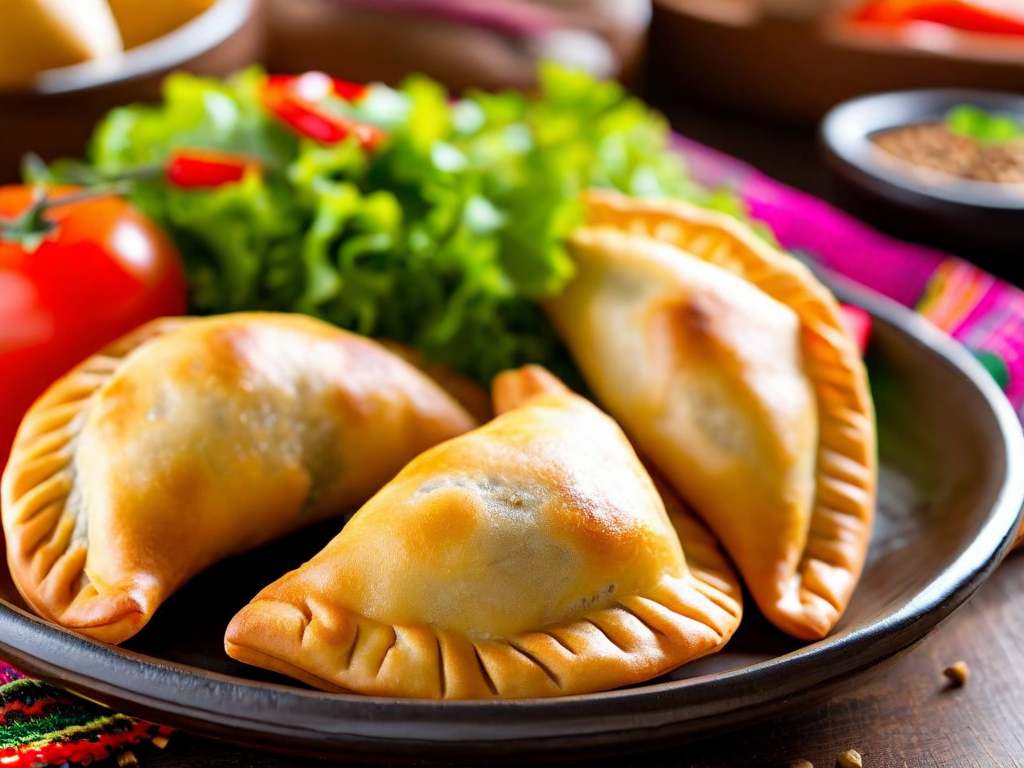
Sweet pastry filled with spiced meat stew—eaten for morning snack.
Ingredients: For dough: 480ml flour, 45ml sugar, butter, egg, For filling: 200g beef, 250ml rich beef broth, 1 tbsp unflavoured gelatin, potato, peas, olives, hard-boiled egg, ají amarillo.
Preparation: Make sweet dough, chill. Then cook beef filling with plenty of gelatin-rich broth. Chill filling until set. Fill dough, crimp edges decoratively. Then bake 200°C (392°F) until golden. To finish, eat immediately—they're juicy!.
💡 The filling should be soupy—gelatin helps it set for filling.
Sopa de Maní
Peanut Soup
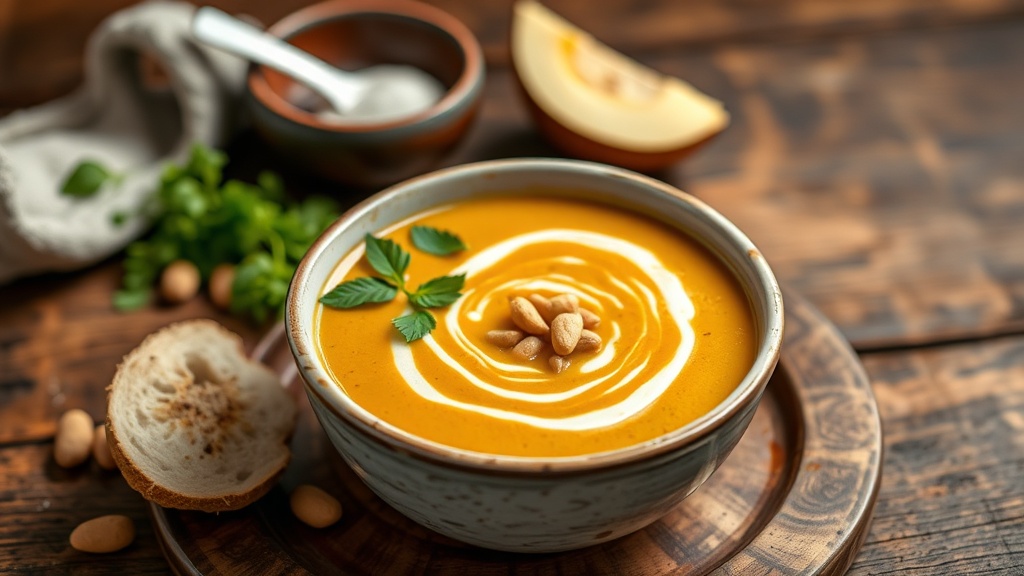
Creamy peanut soup with beef and vegetables—La Paz specialty.
Ingredients: 200g beef, cubed, 120ml peanuts, ground, 2 potatoes, 1 carrot, Peas, Oregano, cumin, Fries for topping.
Preparation: Simmer beef until tender. After that, add vegetables, cook until soft. Stir in ground peanuts. Then simmer until creamy. Season with oregano, cumin. Finally, top with crispy fries.
💡 The fries on top are traditional—don't skip them!
Silpancho
Breaded Beef Platter
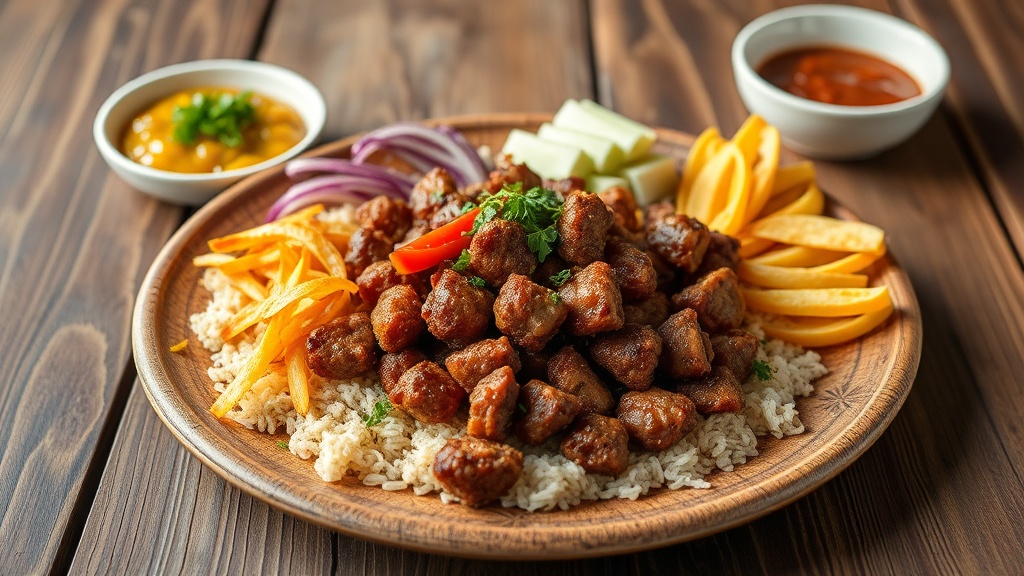
Pounded breaded beef on rice and potatoes, topped with fried egg.
Ingredients: 1 beef cutlet, pounded thin, Breadcrumbs, 1 egg for coating, 1 egg for topping, 240ml rice, 2 potatoes, sliced, Tomato-onion salsa.
Preparation: Pound beef very thin. After that, bread with egg and crumbs. Fry until crispy. Then layer: rice, fried potatoes, beef. To finish, top with fried egg and salsa.
💡 Everything should be served on one plate—the layers matter.
🍸 Cocktails & Traditional Beverages
Bolivia's drinking culture spans from the world's highest vineyards in Tarija to the ancient chicha corn beer of the Andes. At 3,600 meters, La Paz's bar scene is the highest in the world, and the altitude makes every drink hit harder. Singani — a grape brandy distilled at altitude — is the national spirit, and the Challa ceremony of pouring drinks for Pachamama (Mother Earth) precedes every celebration.
🍇 Chuflay
Bolivia's National Cocktail
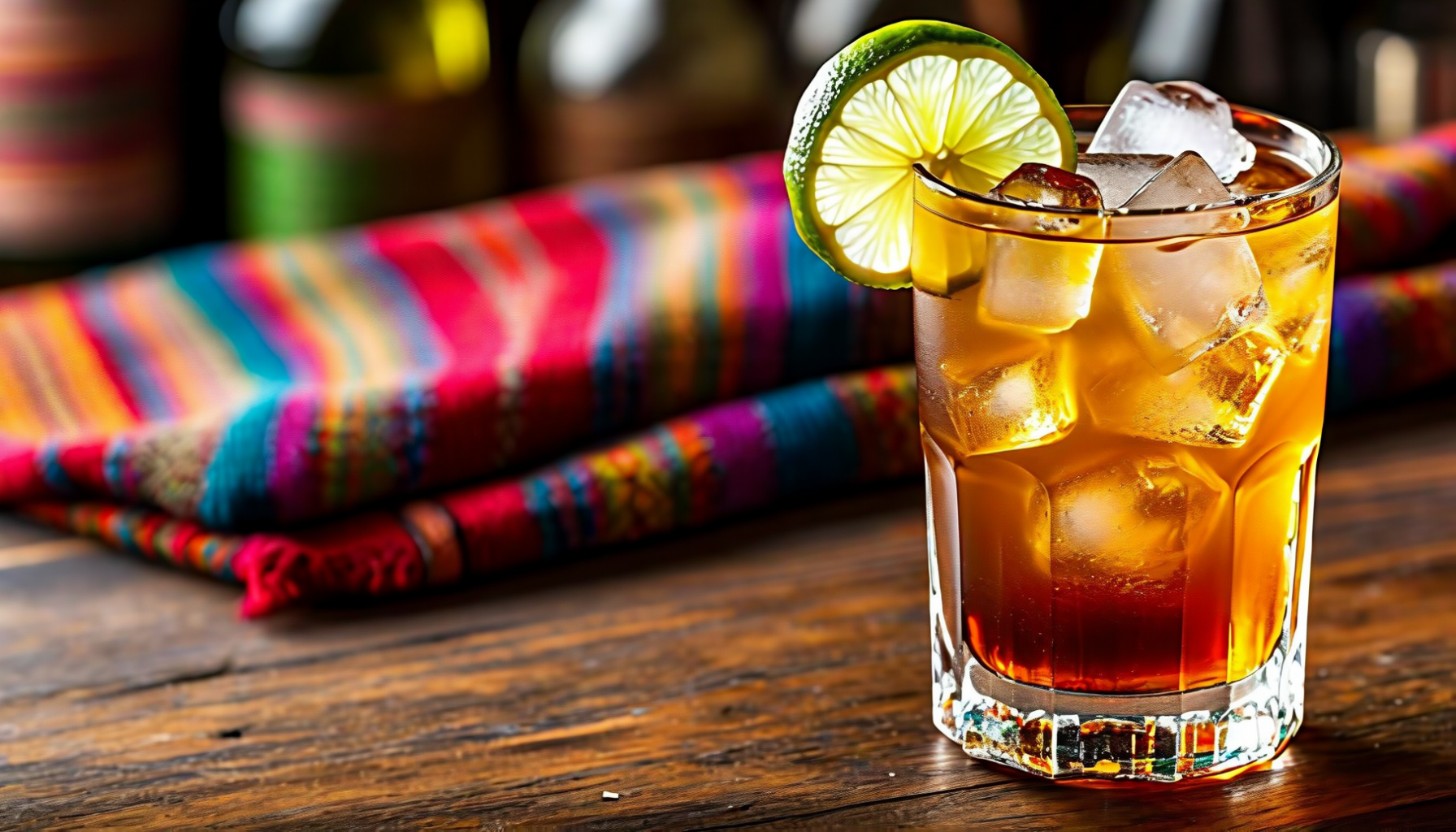
Chuflay — Bolivia's national cocktail (singani + ginger ale + lime)
The national cocktail of Bolivia — singani (grape brandy) with ginger ale and lime. Simple, refreshing, and deceptively strong at altitude. The name reportedly comes from British railway engineers who ordered 'short fly' drinks at Bolivian cantinas. Every bar in La Paz serves chuflay, and arguments over singani brands (Los Parrales vs. Casa Real) are a national sport.
Glass: Highball glass · Method: Build in glass
Ingredients: 60ml singani (Bolivian grape brandy), 150ml ginger ale, 30ml fresh lime juice, Lime wheel for garnish, Ice
Preparation: 1. Fill a highball glass with ice. 2. Pour singani over the ice. 3. Add fresh lime juice. 4. Top with cold ginger ale. 5. Stir gently once to combine. 6. Garnish with a lime wheel. 7. Serve at altitude for maximum effect.
🍇 Chicha de Maíz
Ancient Andean Corn Beer
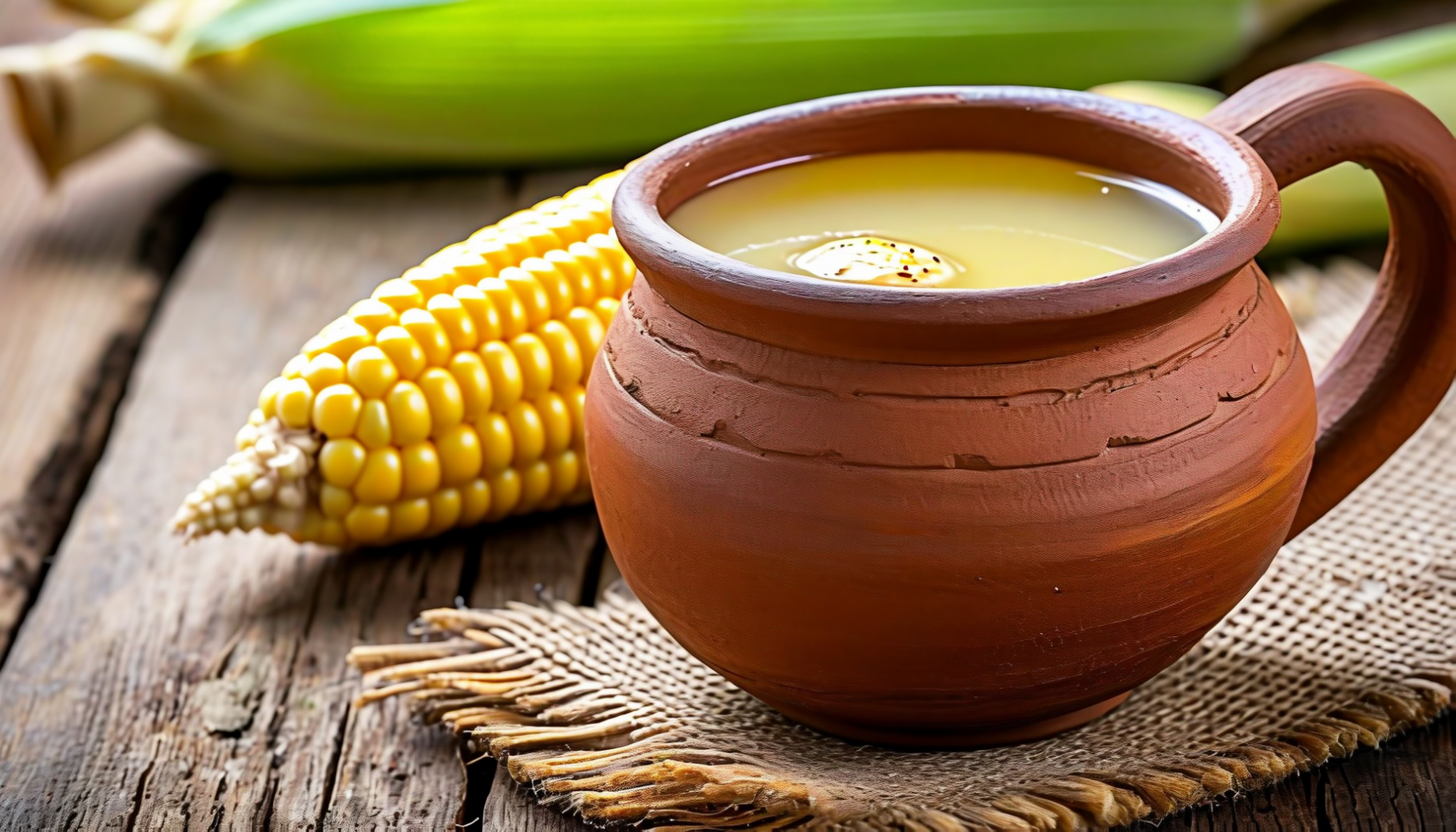
Chicha de Maíz — fermented corn beer of the Andes
The sacred drink of the Andes for over 5,000 years — fermented corn beer that was the fuel of the Inca Empire. Traditional chicha is still made by chewing corn kernels to activate fermentation through salivary enzymes, though most modern versions use malted corn. In Cochabamba, chicherías fly white flags to signal fresh batches available.
Glass: Tutuma (dried gourd bowl) · Method: Ferment naturally
Ingredients: 2kg dried maíz morado (purple corn), 5L water, 200g raw sugar (chancaca), Cloves and cinnamon (optional), Starter from previous batch
Preparation: 1. Soak corn for 2 days, then grind coarsely. 2. Boil ground corn in water for several hours until thick. 3. Cool to body temperature. 4. Add starter from a previous batch (or let wild yeast do its work). 5. Cover and ferment in clay pots for 3-7 days. 6. Strain through cloth into a fresh container. 7. Serve fresh from a tutuma gourd — chicha does not keep long. 8. Pour the first splash on the ground for Pachamama.
🍇 Api Morado
Hot Purple Corn Spiced Drink
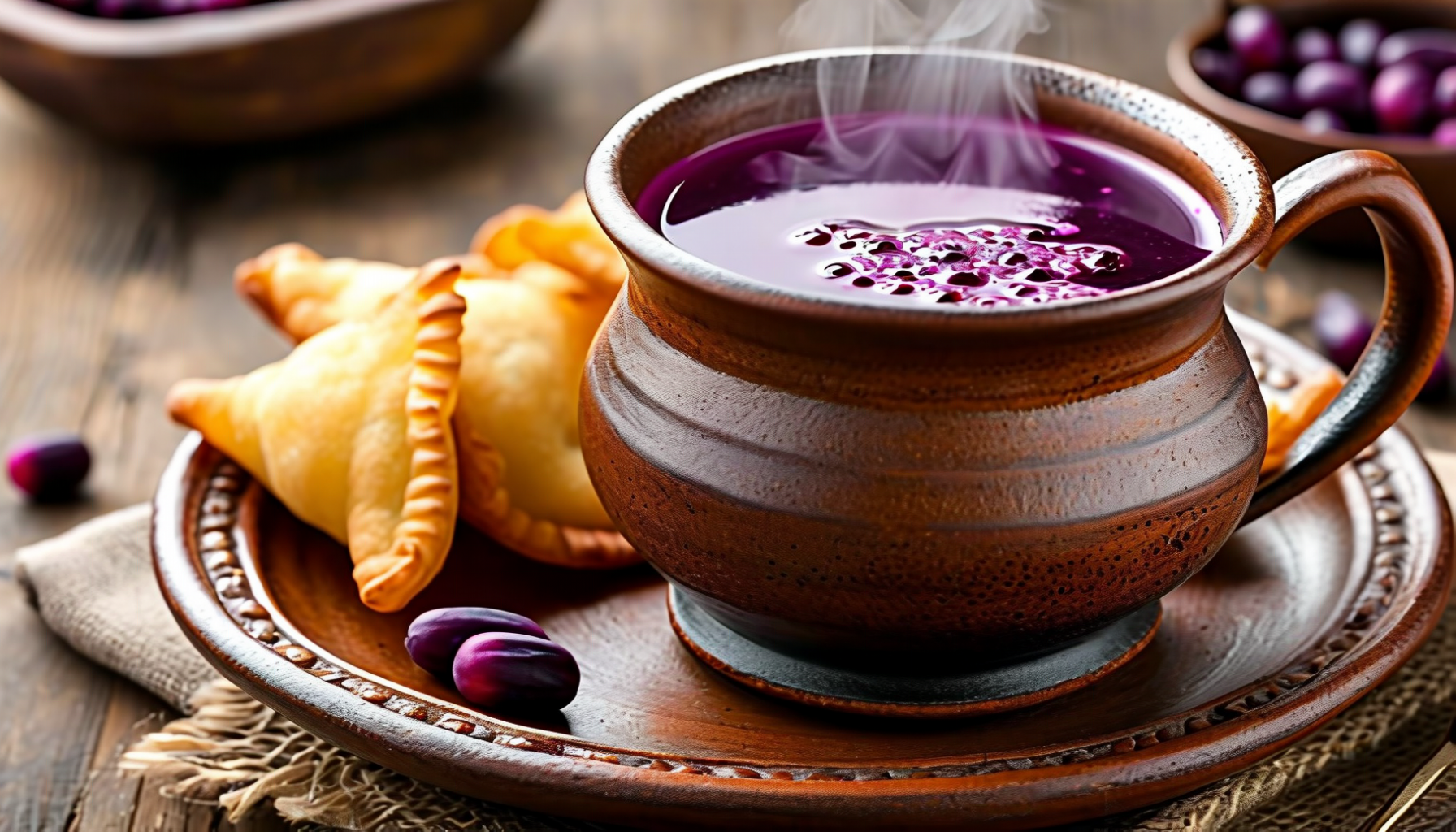
Api Morado — hot purple corn drink served at dawn markets
Bolivia's beloved winter warmer — a thick, sweet, purple drink made from ground purple corn simmered with cinnamon, cloves, and orange peel. Served piping hot at dawn markets across La Paz and Cochabamba, paired with pastel (fried cheese pastry). The deep violet color comes from the anthocyanins in maíz morado, making it as beautiful as it is comforting.
Glass: Large ceramic mug · Method: Simmer & serve hot
Ingredients: 200g purple corn flour (harina de maíz morado), 1.5L water, 150g sugar, 2 cinnamon sticks, 5 cloves, Peel of 1 orange, 1 tsp ground cinnamon for serving
Preparation: 1. Dissolve purple corn flour in cold water, stirring to prevent lumps. 2. Add cinnamon sticks, cloves, and orange peel. 3. Bring to a boil, stirring constantly — the mixture will thicken. 4. Reduce heat and simmer for 30 minutes, stirring frequently. 5. Add sugar and stir until dissolved. 6. Strain through a fine mesh. 7. Serve steaming hot in ceramic mugs, dusted with ground cinnamon. 8. Best paired with a fresh pastel de queso.
🌡️ Climate & Best Time to Visit
Bolivia has two seasons, not four, and altitude matters more than latitude. The dry season (May–October) is the southern winter: cloudless skies on the Altiplano, daytime highs of 15–20 °C in La Paz and nights that fall well below freezing at Uyuni. The wet season (November–March) brings afternoon storms, muddy roads to the Amazon and the flooded “mirror” effect on the salt flat. Santa Cruz and the lowlands are hot and humid year-round (25–35 °C), broken by surazo cold fronts from the south between May and August.
| Season | Altiplano (La Paz / Uyuni) | Conditions | Rating |
|---|---|---|---|
| Dry / winter (May–Aug) | Days 15–18 °C, nights −5 to −15 °C | Clear skies, best trekking and Uyuni driving; bitterly cold nights; Aymara New Year 21 June; Independence Day 6 August | ✅ Best overall |
| Shoulder (Sep–Oct) | Days 18–20 °C, nights around 0 °C | Warming, still mostly dry, fewer tourists; Amazon rivers low | ✅ Excellent |
| Wet / summer (Nov–Mar) | Days 17–20 °C, afternoon storms | Uyuni mirror effect Jan–Mar (parts of the circuit close); Oruro Carnival Feb/Mar; lowland roads flood | ⚠️ Mixed — go for the mirror |
| Transition (Apr) | Days 16–19 °C | Rains ending, landscapes green, water still on the salar in early April | ✅ Good |
Best time: May–October for the Altiplano, trekking and the classic white salar; late January–March if the mirror is the point. Book Uyuni and Madidi well ahead for July–August and for the Oruro Carnival weekend. Note that the southern-hemisphere “summer” is the rainy season — Bolivia has no beach season because it has no coast.
✈️ How to Get There
By Air: El Alto International Airport (LPB) serves La Paz at a lung-punishing 4,061 meters—the world's highest international airport. Viru Viru Airport (VVI) in Santa Cruz is at a more comfortable 373 meters. Flights connect from Lima, Buenos Aires, São Paulo, Miami, and Madrid via Boliviana de Aviación (BoA) and LATAM.
By Land: Border crossings from Peru (Desaguadero, Copacabana), Chile (Tambo Quemado), Argentina (Villazón, Bermejo), Brazil (Corumbá, Puerto Quijarro), and Paraguay (Infante Rivarola). Overland travel is adventurous—roads vary from paved highways to the legendary "Death Road" (North Yungas Road). Visa: Most nationalities enter visa-free, including US citizens since 1 December 2025 (the old $160 reciprocity fee is gone). Everyone must file the free SIGEMIG pre-registration online before arrival.
🍷 Wine, Spirits & Drinking Culture
Bolivia is home to the highest commercially cultivated vineyards on Earth. The wine-growing region of Tarija, in southern Bolivia, sits at elevations of 1,600 to 2,800 meters — and the most extreme plantings in the Cinti Valley (Camargo, Chuquisaca department) reach over 3,000 meters. With around 3,000 hectares under vine, Bolivia's wine industry is small but fascinating — a true laboratory for extreme-altitude viticulture.
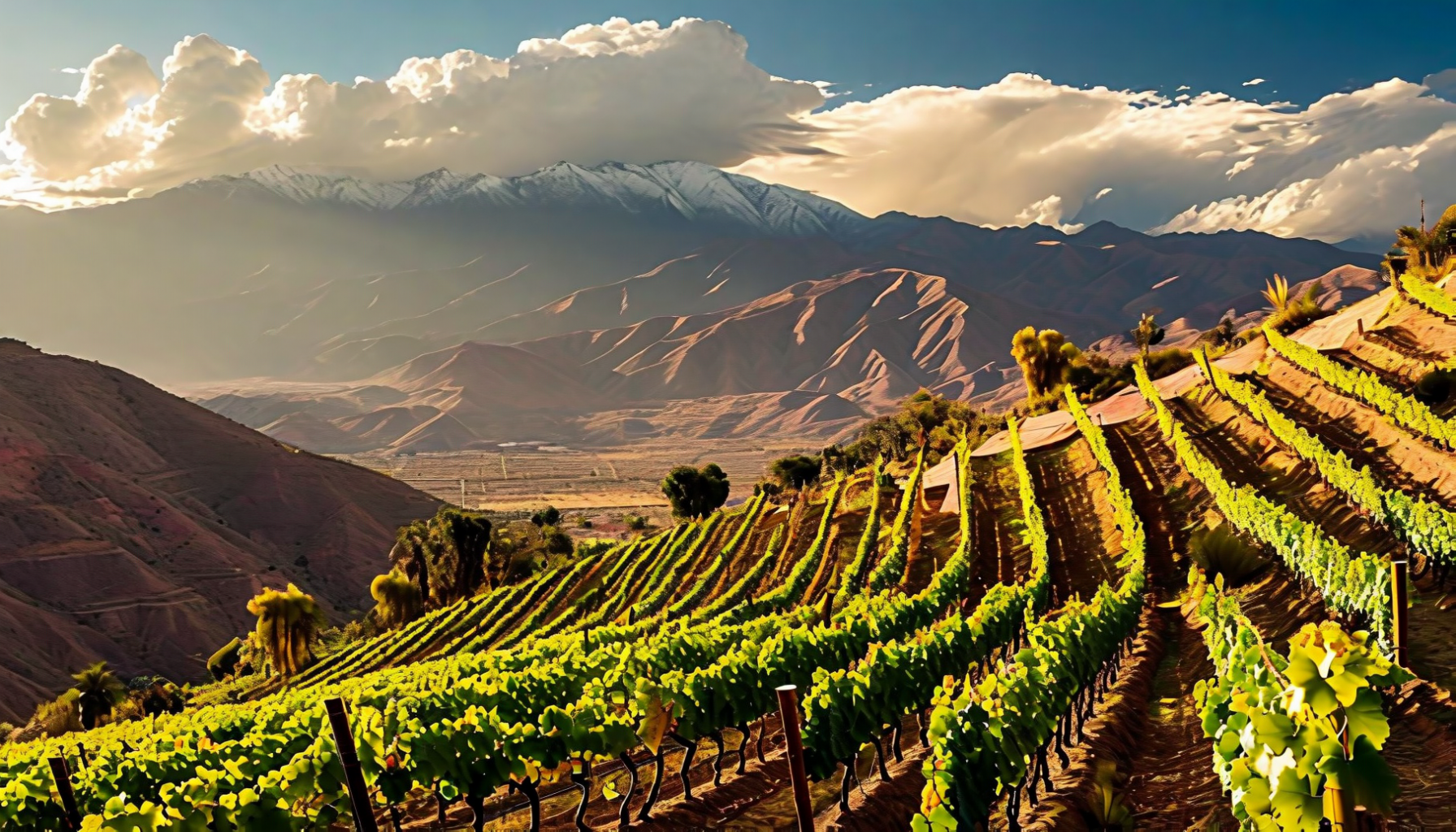
Tarija — among the world's highest-altitude wine regions (1,800–2,800 m)
The Tarija Valley produces the majority of Bolivian wine, with Muscat of Alexandria dominant (used both for wine and for singani, Bolivia's national grape brandy), alongside Cabernet Sauvignon, Tannat, and Malbec. The leading producers are Kohlberg, Campos de Solana, La Concepción, and Aranjuez. Singani — distilled from Muscat grapes at altitude and unaged — is protected by Denomination of Origin and is Bolivia's liquid national identity. The intense UV at altitude and 25 °C+ day-night temperature swings produce wines of vivid colour, high natural acidity, and bright fruit. Chicha (fermented corn beer) remains culturally central, particularly in the Cochabamba Valley.
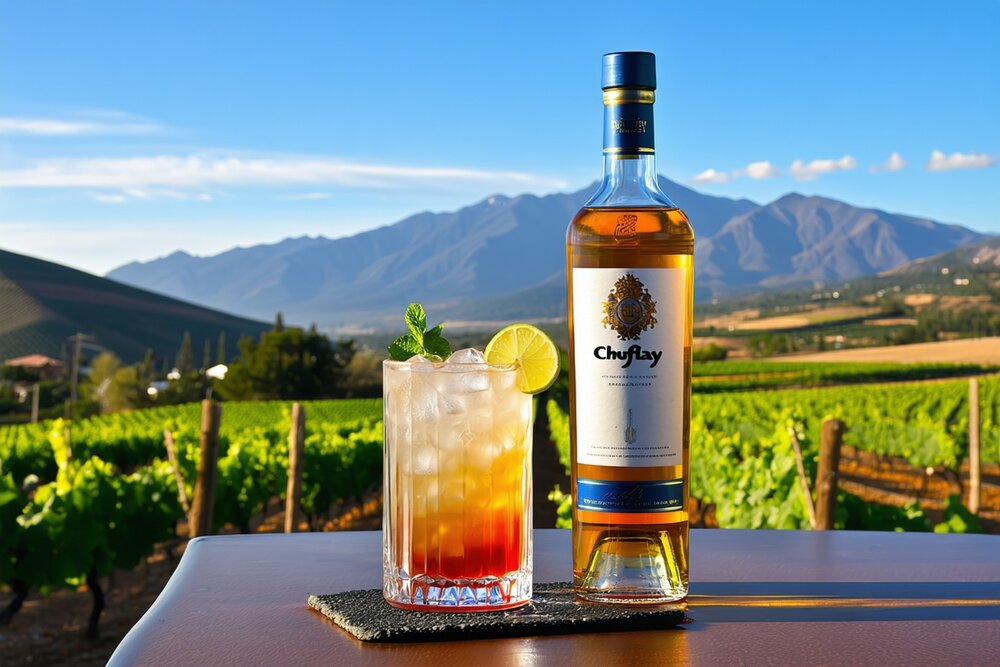
Singani — Bolivia's national spirit, distilled from Muscat at altitude
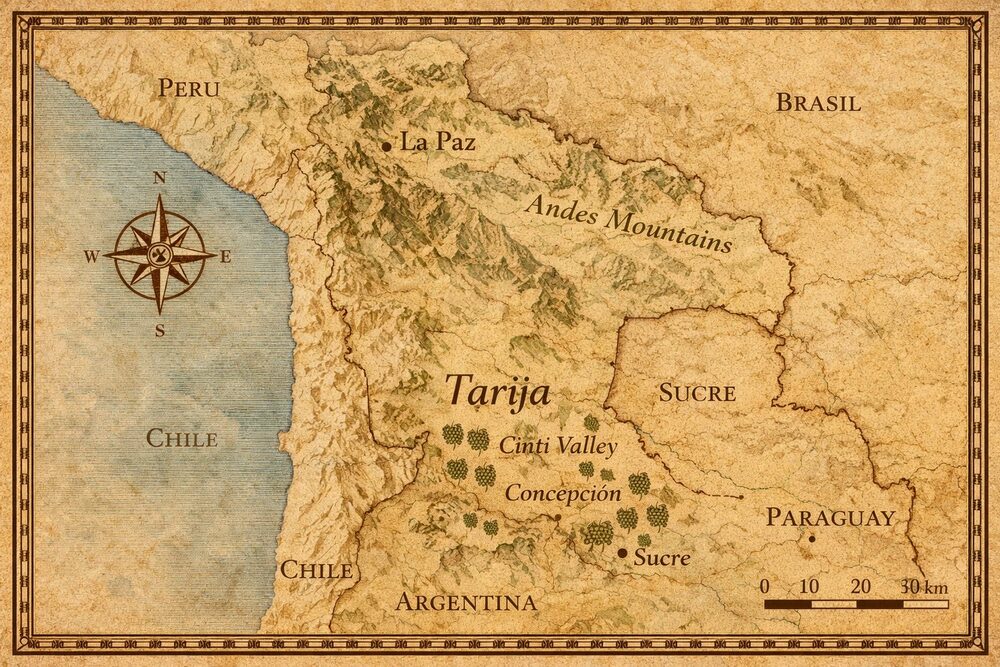
Bolivia’s wine regions: the Central Valley of Tarija, the Cinti Valley (Camargo) and the Samaipata foothills
🏆 Kaufmann Wine Score — Bolivia
Rated on four criteria: Aroma (/25), Taste (/30), Finish (/20), Value (/25) — Total /100. Bolivia's Tarija region produces some of the world's highest-altitude wines (1,800–2,400 m).
| Wine | 🔴 Aroma | 🟡 Taste | 🟢 Finish | 🔵 Value | Total |
|---|---|---|---|---|---|
| Campos de Solana Trivarietal (Tarija) | 22 | 26 | 17 | 22 | 87 |
| Kohlberg Tannat Reserva | 21 | 25 | 17 | 23 | 86 |
| Aranjuez Cepas de Altura Malbec | 22 | 25 | 16 | 21 | 84 |
| La Concepción Cabernet Sauvignon | 20 | 24 | 16 | 22 | 82 |
| Singani Casa Real (grape brandy) | 23 | 26 | 18 | 20 | 87 |
95–100 Legendary · 90–94 Outstanding · 85–89 Very Good · 80–84 Good · 75–79 Average · <75 Below Average
📋 Practical Information
Visa (changed — ignore older guidebooks): Since 1 December 2025 the United States sits in Bolivia’s visa-exempt Group 1. US citizens no longer need a visa and no longer pay the $160 reciprocity fee — entry is free for up to 90 days in any 12-month period. EU, UK, Australian, Canadian and most South American passports are likewise visa-free. All visitors must complete the free SIGEMIG digital pre-registration at migracion.gob.bo before arrival and declare an address of stay; passports need six months’ validity.
Money: Bolivia abandoned its 15-year dollar peg on 26 June 2026. The boliviano now floats, having devalued roughly 30% from the frozen 6.96 rate to around 9.7–10 BOB per USD. The parallel market that dominated 2024–25 has largely closed with the official rate, but change money only at banks and licensed casas de cambio, check the day’s rate before you hand anything over, and expect prices in tourist areas to be quoted in USD. Card acceptance is thin, ATMs run dry, and cash — small notes especially — remains essential in rural areas.
Altitude: the single most important practical consideration. La Paz sits at 3,640 m, El Alto airport at 4,061 m, Potosí at 4,090 m and the Uyuni circuit crosses passes near 5,000 m. Fly in, do nothing for 24 hours, drink coca tea, skip alcohol on day one and climb gradually. Descend immediately if headache turns into confusion or breathlessness at rest.
Health: Yellow fever vaccination recommended for lowland areas. Tap water not potable. Safety: Generally safe for travelers; petty theft in markets and bus terminals is the main concern. Communications: Entel and Tigo SIM cards cheap and widely available. Wi-Fi in most hotels.
💰 Cost of Living
Prices in flux: the boliviano was floated on 26 June 2026 and lost about 30% against the dollar, while inflation ran hot through 2025–26 and fuel shortages periodically push transport costs up. The USD figures above are a working guide for late 2026 — verify before you budget.
Bolivia is still one of South America's most affordable countries. Budget travelers can manage on $20–30/day, mid-range on $50–80/day. The biggest expenses are organized tours (Uyuni, Amazon) and domestic flights.
🏨 Accommodation
Bolivia offers excellent value accommodation. Hostels with dorms from $5, private rooms $10–20. Mid-range hotels $25–60 with hot water and Wi-Fi. Boutique hotels in La Paz and Sucre $80–150. Salt hotels on the Uyuni salt flat offer a unique experience ($40–100).
La Paz: Loki Hostel ($8–12 dorm), Rendezvous Hotel ($40–70), Atix Hotel ($100–160). Sucre: Villa Antigua ($35–60), Mi Pueblo Samary ($50–80). Uyuni: Hotel de Sal Luna Salada ($80–150), Palacio de Sal ($100–200).
🎭 Festivals & Events
Oruro Carnival (February/March) is Bolivia's greatest celebration—a UNESCO Masterpiece of Intangible Heritage. The Diablada (Dance of the Devils) leads a spectacular 4km procession of 28,000 dancers and 10,000 musicians through the streets over 20+ hours.
Other celebrations: Alasita Fair (La Paz, January) where miniature goods are blessed by Ekeko, god of abundance. Fiesta del Gran Poder (La Paz, June) with elaborate folk dance. Tinku fighting festival (Macha, May) where communities settle disputes through ritual combat. Día de los Muertos (November) with skull offerings.
💼 Business & Economy
Bolivia’s economy combines hydrocarbons, mining, agriculture and services. Natural gas has historically been central to exports, while zinc, silver, tin and gold remain important mining products. The country also holds very large lithium resources in the Salar de Uyuni, although turning those resources into sustained industrial production remains a long-term technical and investment challenge rather than a simple tourism-era “lithium boom.”
Santa Cruz is the principal commercial and agribusiness center, La Paz is the administrative and financial hub, and Cochabamba is an important industrial and logistics center. The national currency is the boliviano (BOB). Cash remains useful outside major cities, while cards are increasingly accepted in urban hotels, restaurants and larger businesses.
🎒 Packing Tips
Essential: Passport valid at least six months, printed SIGEMIG pre-registration confirmation, cash in bolivianos plus clean unmarked USD notes, travel insurance that explicitly covers high altitude and helicopter/air evacuation, an unlocked phone for an Entel or Tigo SIM, and a headtorch (power cuts are routine outside the cities).
Clothing: Layers, and more than you think. A thermal base layer, fleece and windproof shell for Uyuni, where June–August nights fall to −15 °C while the midday sun burns. Warm hat and gloves, broken-in walking boots, high-SPF sunscreen and lip balm (UV at 4,000 m is brutal), sunglasses, and a light rain shell for the Yungas and the Amazon lowlands. Health: Discuss acetazolamide with your doctor before you fly into El Alto at 4,061 m; bring rehydration salts, a basic first-aid kit, insect repellent for Rurrenabaque and Madidi, a yellow-fever certificate for the lowlands, and water purification — tap water is not potable anywhere.
What NOT to bring: A drone you intend to fly without park or municipal permission; coca leaves on your way home (legal in Bolivia, illegal almost everywhere else — empty your pockets before the airport); torn or pre-2013 USD bills, which exchange houses reject outright; and any expectation that ATMs will work outside the main cities.
🌐 Useful Resources
Visa: Check with your nearest Bolivia embassy or consulate for current visa requirements. US citizens should consult travel.state.gov for the latest entry requirements. Emergency: Contact your country's nearest embassy or consulate for emergency assistance.
Tour Operators: Check local tourism boards and reputable international agencies. Platforms like GetYourGuide and Viator offer vetted local experiences with English-speaking guides. Maps: Maps.me (works offline), Google Maps (download offline area maps before your trip).
Online: Wikivoyage: Bolivia, Lonely Planet, r/bolivia (Reddit). News: Check local English-language media for current travel advisories and updates.
📚 Recommended Reading
Non-fiction: Marching Powder by Rusty Young (2003) — the inside story of La Paz’s San Pedro prison, where inmates once ran tours. Evo’s Bolivia: Continuity and Change by Linda Farthing and Benjamin Kohl (2014) — the clearest short account of the MAS years. The Mountain That Eats Men by Ander Izagirre (English translation 2019) — child miners and the Cerro Rico of Potosí. The Bolivian Diary by Ernesto “Che” Guevara — his final months in the Vallegrande hills, 1966–67. Andean Cocaine by Paul Gootenberg (2008) — how coca became cocaine in Bolivia and Peru.
Fiction & anthology: The Fat Man from La Paz, edited by Rosario Santos (2000) — twenty contemporary Bolivian short stories in English; the novels of Edmundo Paz Soldán (Turing’s Delirium, Norte) for the modern Cochabamba voice; Jaime Sáenz’s The Night for La Paz’s nocturnal underworld in verse.
🤯 Fascinating Facts
🧂 World's Largest Mirror
The Salar de Uyuni (10,582 km²) is the world's largest salt flat. After rain, a thin layer of water transforms it into the world's largest natural mirror, creating surreal reflections of sky and clouds that blur the horizon.
🛣️ Death Road
North Yungas Road was dubbed the "World's Most Dangerous Road" with 200–300 annual fatalities before a new road opened. Now it's a famous mountain biking destination—3,600 meters of descent from snowy peaks to tropical jungle.
🦙 Llama Fetuses
La Paz's Witches' Market (Mercado de las Brujas) sells dried llama fetuses, buried under new buildings as offerings to Pachamama. Alongside them: potions, talismans, and Aymara shamans offering blessings and fortune readings.
⭐ Notable People
Evo Morales (b. 1959) — Aymara coca-growers’ leader who became Bolivia’s first indigenous president (2006–2019); now a polarising figure holed up in the Chapare, where he faces arrest warrants. Rodrigo Paz Pereira (b. 1967) — former mayor of Tarija and senator, president since 8 November 2025; son of ex-president Jaime Paz Zamora. Simón Iturri Patiño (1860–1947) — the “Andean Rockefeller”, a mestizo mine clerk from Cochabamba who became one of the richest men on earth from tin. Jaime Escalante (1930–2010) — the La Paz-born maths teacher whose East Los Angeles calculus classes inspired Stand and Deliver.
Arts: Marina Núñez del Prado (1910–1995), sculptor of monumental Andean female forms; Jaime Sáenz (1921–1986), La Paz’s great nocturnal poet; Luzmila Carpio (b. 1949), Quechua singer and former ambassador to France; Edmundo Paz Soldán (b. 1967), Cochabamba novelist of the McOndo generation.
Sports: Marco Etcheverry — “El Diablo”, the playmaker of the 1994 World Cup side and a D.C. United legend; Conrrado Moscoso — racquetball world champion (2022) and multiple Pan American gold medallist; Víctor Agustín Ugarte — star of the 1963 Copa América winners; the Cholitas Escaladoras, the Aymara women climbers who summited Aconcagua in 2019.
📰 Media & Press Freedom
Bolivia sits at rank 91 of 180 in the 2026 RSF World Press Freedom Index (up two places from 93rd in 2025, score 54.25), in the “problematic” band, and Freedom House rates the country Partly Free. There is no formal censorship apparatus and the press is genuinely plural — El Deber (Santa Cruz), El Diario (La Paz), Los Tiempos and Opinión (Cochabamba) lead the field, alongside state broadcaster Bolivia TV and hundreds of community, union and mining radio stations broadcasting in Aymara and Quechua.
The pressures are economic and physical rather than legal: concentrated private ownership, state advertising used as leverage, and a print industry in collapse — Página Siete, long the sharpest daily in La Paz, shut down in 2023, and most titles have abandoned print for digital. Journalists covering blockades and protests are regularly assaulted, at times by police, and self-censorship follows from the ties between owners and whoever holds power. For travellers this matters in one practical way: local radio, not national TV, is where you will hear which roads are blocked tomorrow.
🏛️ Government & Politics
Bolivia is a unitary plurinational presidential republic governed under the 2009 constitution. Sucre is the constitutional capital and seat of the judiciary, while La Paz is the seat of the executive and legislature. The constitution recognizes the country’s indigenous nations and multiple official languages alongside Spanish.
Rodrigo Paz Pereira has served as president since November 2025. Official government communications in 2026 identify him as head of state and describe an administration focused on institutional restructuring, economic management and coordination with social organizations. Bolivia’s politics remain highly participatory and contentious, and demonstrations and road blockades can have immediate effects on intercity travel.
For travelers, the practical point is simple: political events can change road access quickly. Before long-distance bus journeys, especially across the Altiplano, confirm current road conditions with your accommodation, local transport operators and official sources rather than relying on a fixed itinerary.
⚠️ Travel Advisory & Safety
Official advice · checked 18 September 2026
The U.S. State Department’s advisory dated 18 August 2026 places Bolivia at Level 2 — Exercise Increased Caution because of crime and unrest. It designates Chapare Province as Level 4 — Do Not Travel because of crime and limited capacity to provide emergency assistance.
The UK FCDO, still current on 17 September 2026, advises against all but essential travel to the Chapare region of Cochabamba Department, including Villa Tunari and Routes 4 and 24 through Chapare. Demonstrations and roadblocks are common forms of protest and can interrupt road transport and essential services with little warning.
Altitude is another major practical risk. La Paz and El Alto are high enough to cause acute mountain sickness, and many Uyuni circuits sleep above 4,000 m. Acclimatize gradually, stay hydrated and make sure your insurance covers medical evacuation if you are heading into remote high-altitude areas.
Always re-check your own government’s advice immediately before travel: U.S. State Department · UK FCDO.
⚽ Sports
Football dominates Bolivian sports culture, and 2026 delivered the closest brush with glory in a generation. La Verde beat Brazil 1–0 in El Alto in September 2025 to claim the last intercontinental play-off place, then went to Monterrey in March 2026, came from behind to beat Suriname 2–1 in the semi-final, and lost the final 2–1 to Iraq on 31 March 2026 — Moisés Paniagua’s equaliser undone by Aymen Hussein’s winner. The wait that began after USA 1994, Bolivia’s last World Cup, goes on. The country’s one continental title is the 1963 Copa América, won at home; its goalkeeper that year, Arturo López, died in March 2026 aged 90.
Altitude remains the great equaliser. Visiting teams gasp for air at the Estadio Hernando Siles in La Paz (3,637 m); FIFA tried to ban internationals above 2,500 m in 2007 and backed down within a year after Bolivia, led by Evo Morales, fought the ruling. Club football is a Bolívar–The Strongest rivalry in La Paz, with Santa Cruz’s Blooming and Oriente Petrolero behind.
Away from football, racquetball is the sport Bolivia actually wins: Conrrado Moscoso became world champion in 2022 and the country dominates the Pan American circuit. Bolivia has never won an Olympic medal — a single skier, Timo Grönlund, carried the flag at the Milano Cortina Winter Games in February 2026 — but the Cholitas Escaladoras, Aymara women who climb 6,000-metre peaks in pollera skirts and reached the summit of Aconcagua in 2019, have become the country’s best-known athletes.
🏛️ UNESCO World Heritage Sites
Bolivia is home to seven UNESCO World Heritage Sites — a remarkable concentration that ranges from pre-Columbian wonders to colonial cities and natural marvels.
🏛️ Potosí (1987)
Once one of the wealthiest cities on Earth, founded in 1545 at the foot of the silver-rich Cerro Rico ("Rich Mountain"). At its peak in the 17th century, Potosí had 200,000 inhabitants and bankrolled the Spanish Empire. The colonial centre, the Casa de la Moneda (royal mint), and the still-active mines of Cerro Rico together form an exceptional industrial complex bearing witness to the global economic system the Spanish built on Andean silver. Potosí has been on the List of World Heritage in Danger since 2014 because uncontrolled mining is hollowing out the summit of Cerro Rico; the 2026 Committee session welcomed the new management plan and progress toward removal, but the mountain is still being mined.
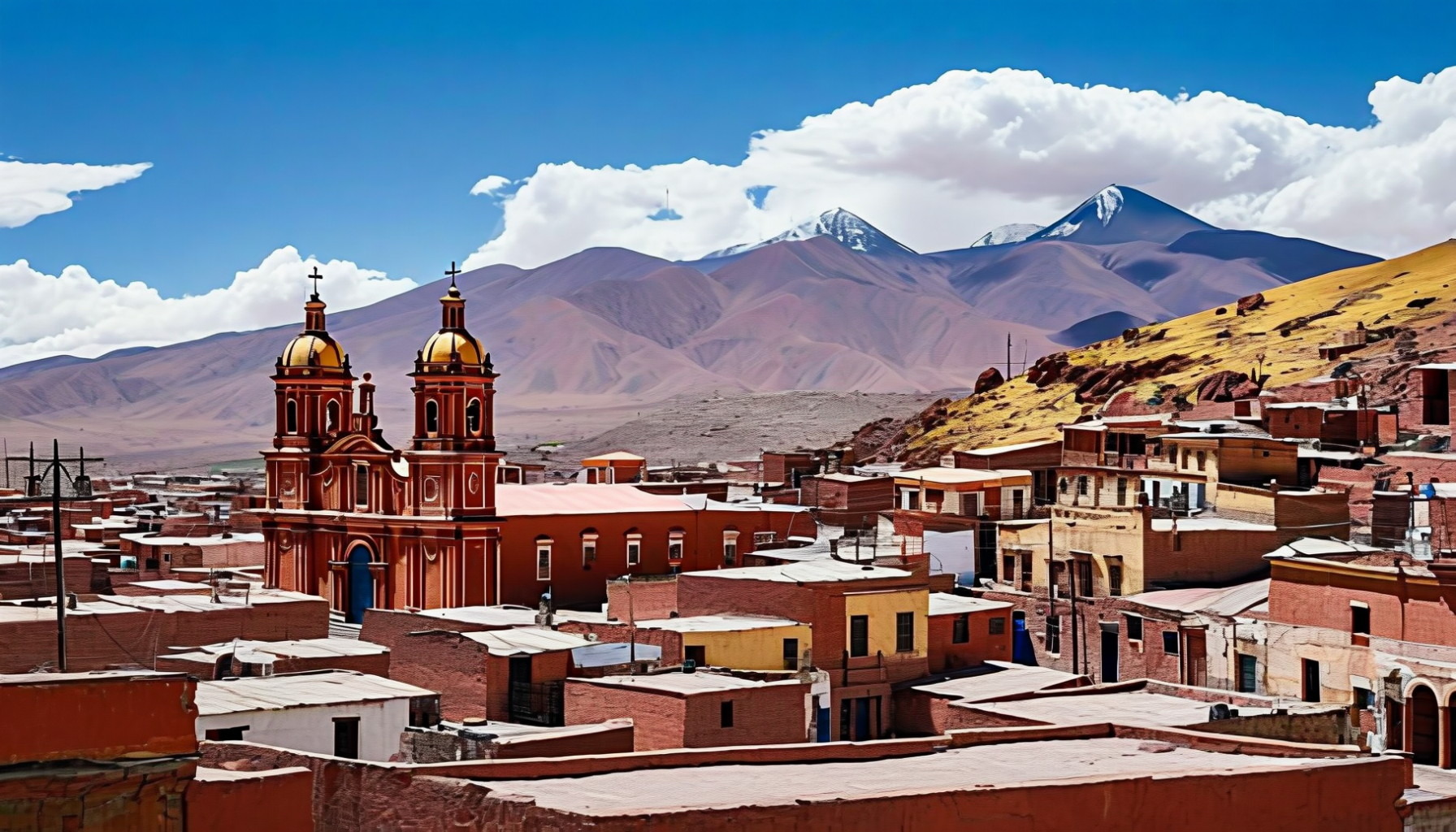
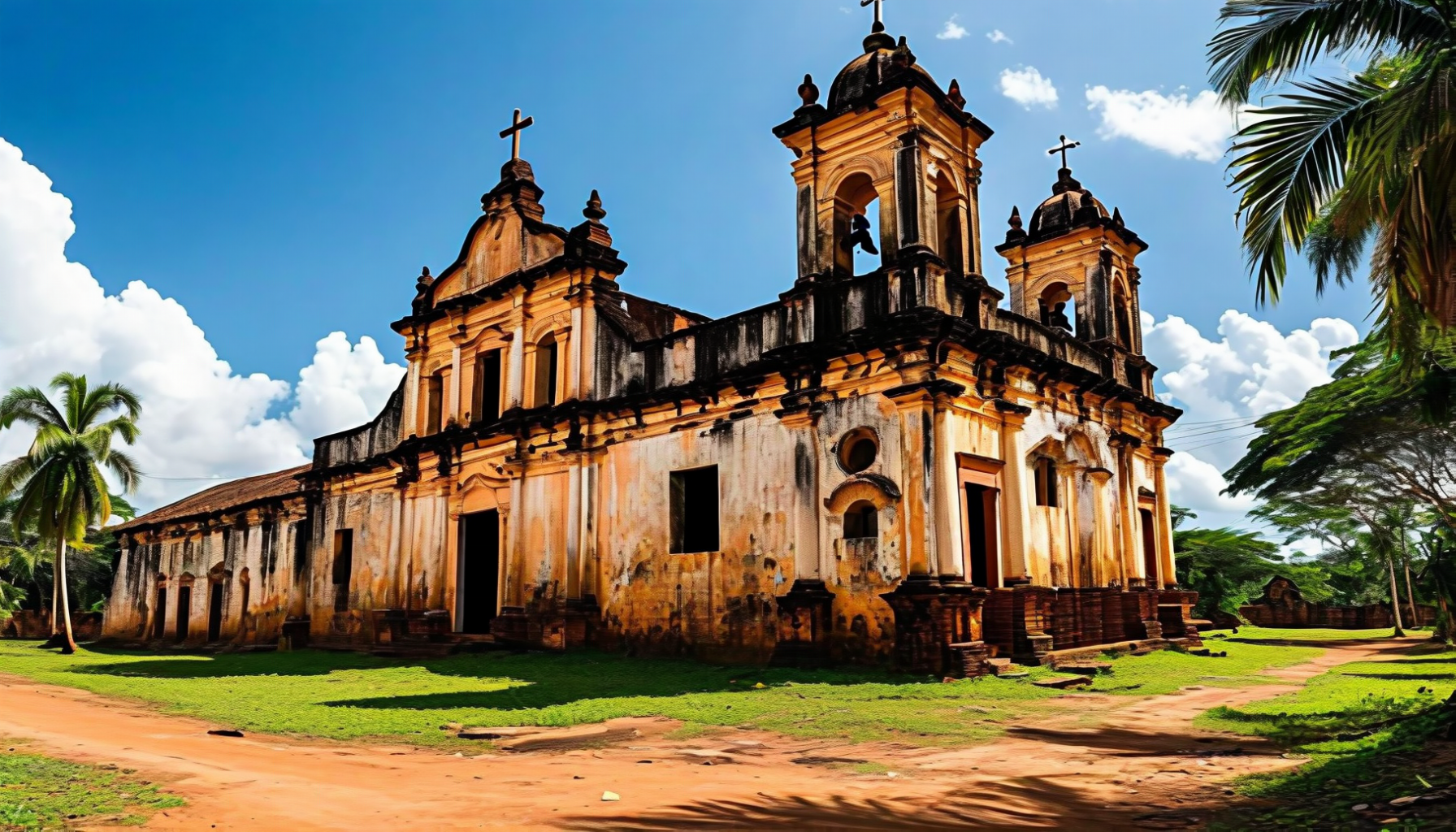
🏛️ Jesuit Missions of the Chiquitos (1990)
Six surviving Jesuit reductions (San Francisco Javier, Concepción, Santa Ana, San Miguel, San Rafael and San José de Chiquitos) built between 1696 and 1760 in the eastern lowlands. Designed by Swiss architect Martin Schmid, they fuse Catholic Baroque with native Chiquitano motifs and remain living parishes — and the heart of an annual baroque music festival.
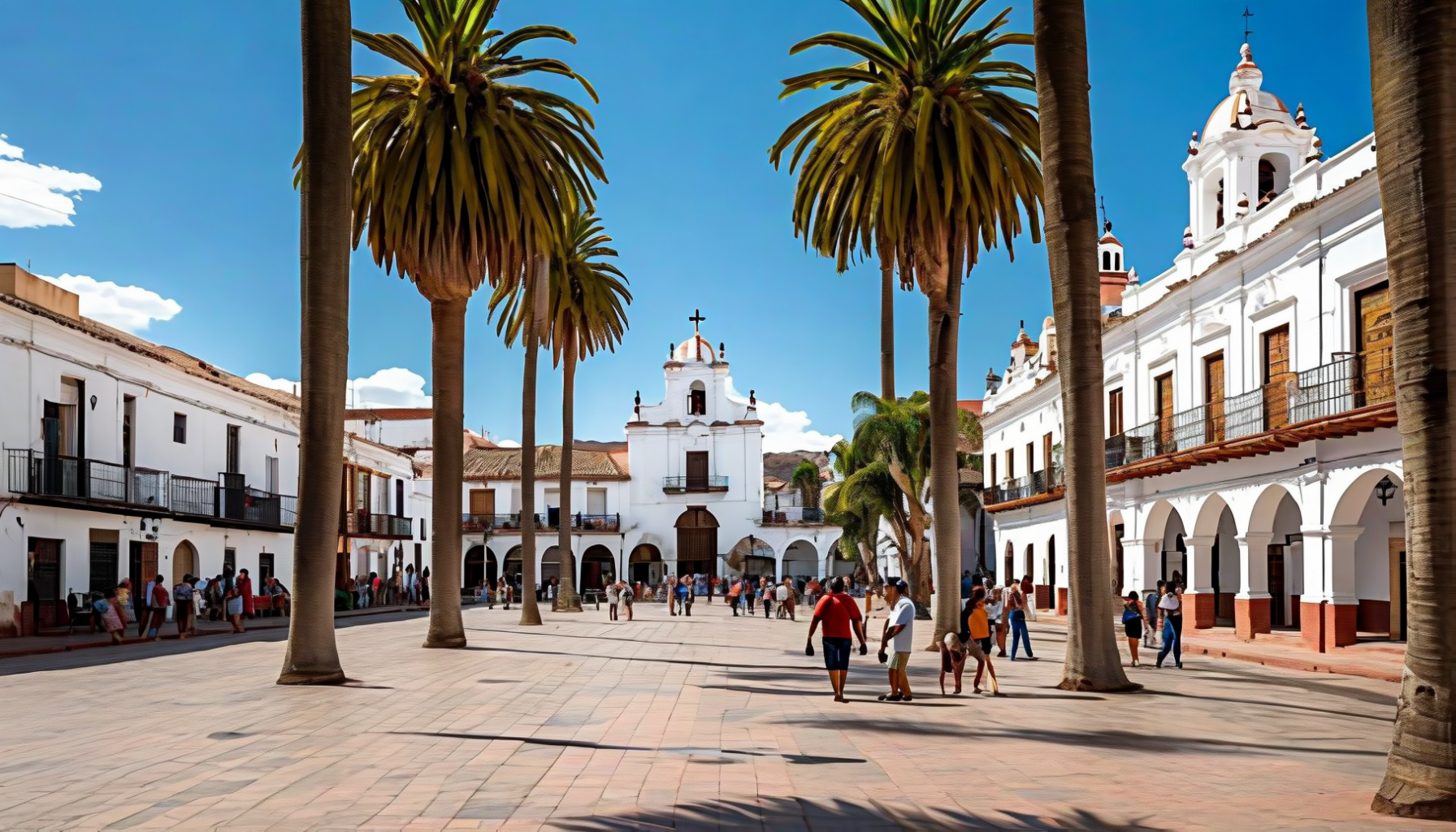
🏛️ Historic City of Sucre (1991)
Bolivia's constitutional capital, founded in 1538 as La Plata. Its harmonious whitewashed colonial centre, with the Casa de la Libertad where Bolivian independence was declared in 1825, is one of South America's best-preserved Spanish colonial townscapes.
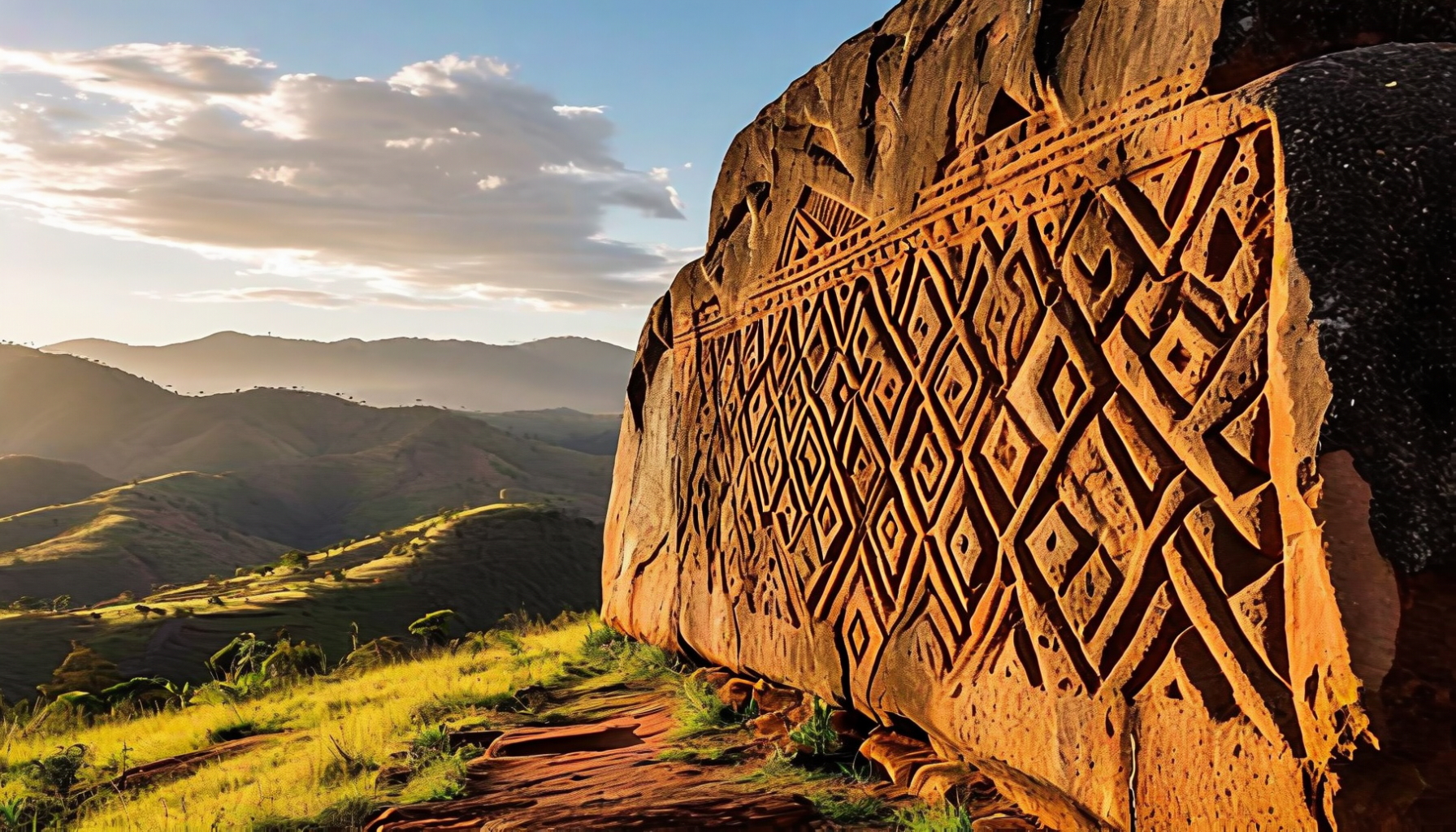
🏛️ Fuerte de Samaipata (1998)
A massive sandstone monolith carved with geometric reliefs, channels, and animal figures by the pre-Hispanic Mojocoyas culture and later occupied by Inca and Chané peoples. Surrounded by the remains of an Inca administrative complex on a forested ridge in the Andes foothills.
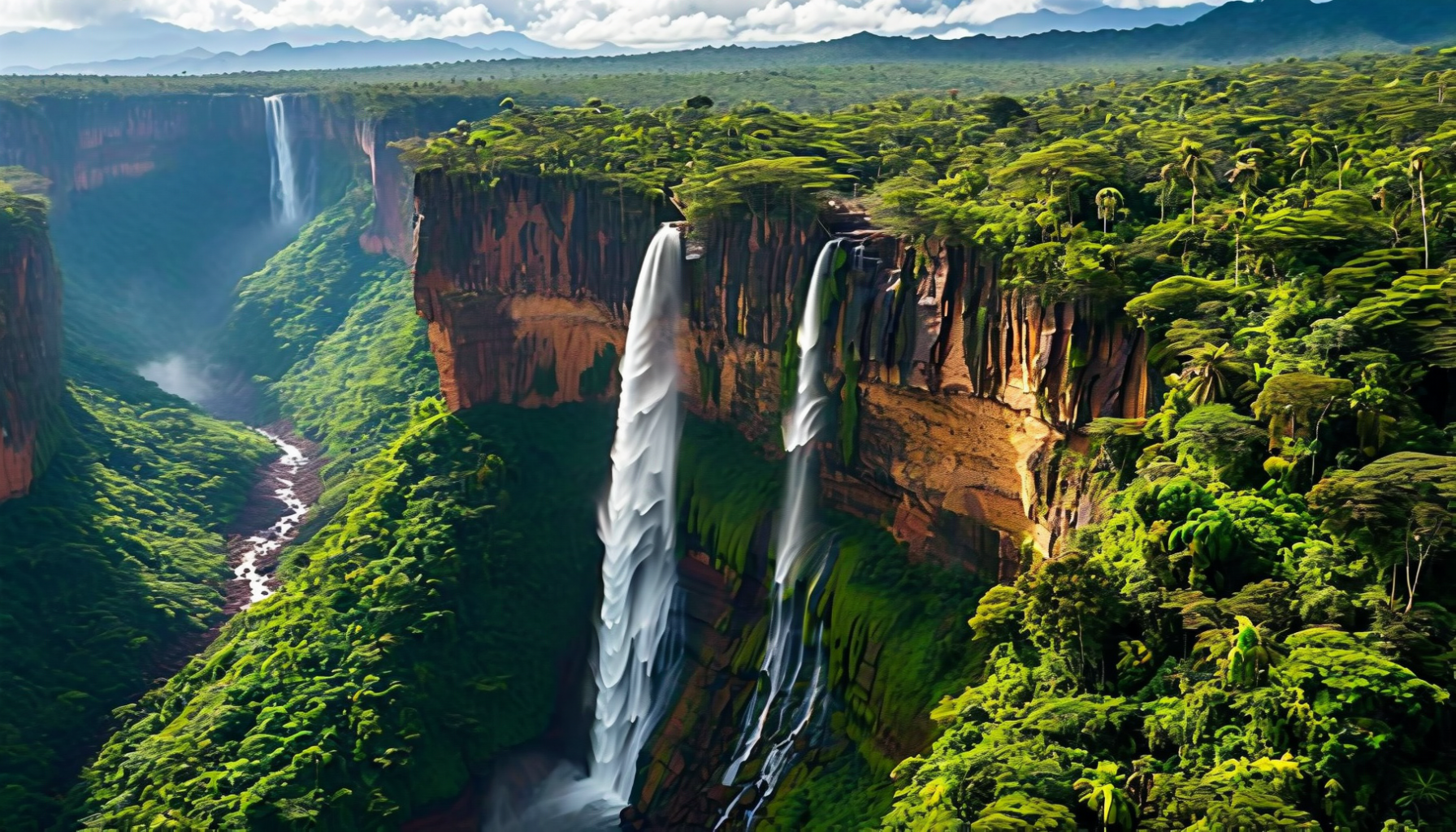
🏛️ Noel Kempff Mercado National Park (2000)
15,234 km² of Amazonian forest, savanna and Precambrian sandstone plateaus on the Brazilian border. One of the largest and most pristine parks in the Amazon basin, with spectacular tepui-like mesas, the Arcoiris and Federico Ahlfeld waterfalls, jaguars, giant otters, and over 4,000 plant species.
🏛️ Tiwanaku (2000)
The spiritual and political centre of the pre-Inca Tiwanaku civilization (c. 500–1000 CE), 70 km west of La Paz near Lake Titicaca. Monumental ceremonial architecture — the Akapana pyramid, the Kalasasaya temple, the Gateway of the Sun, and the sunken Templete — all built from precisely cut megalithic stones whose engineering still puzzles archaeologists.
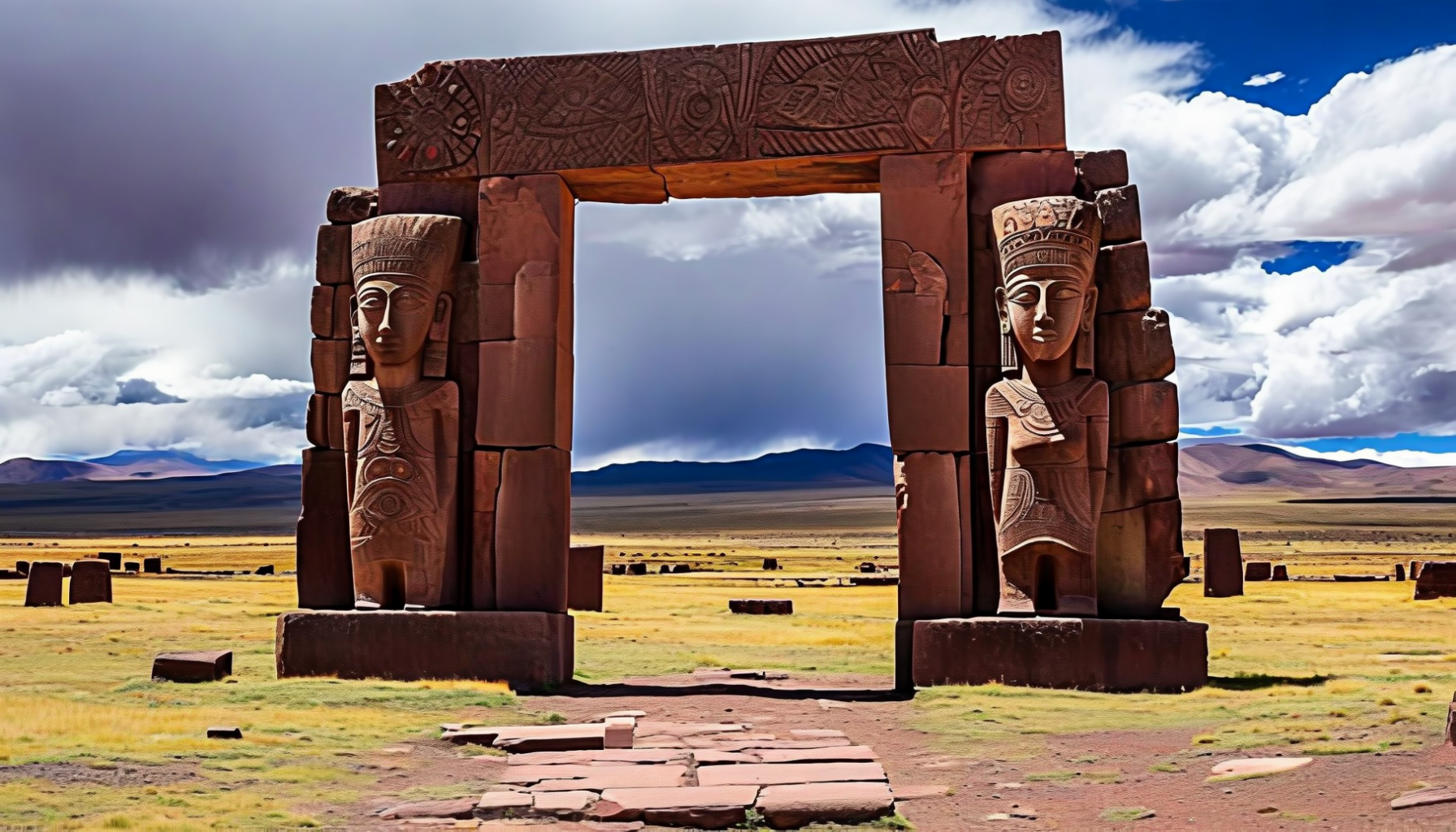
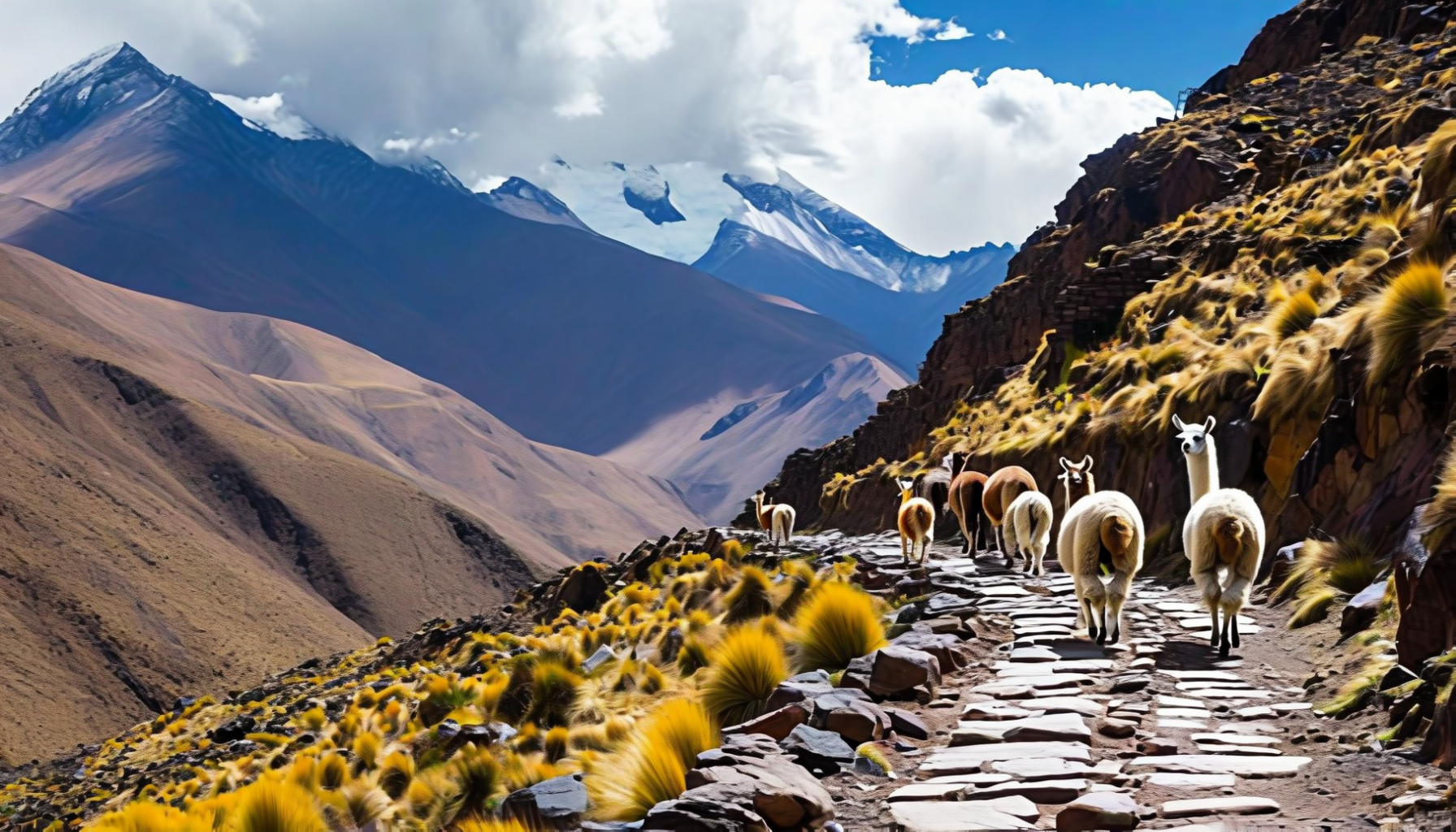
🏛️ Qhapaq Ñan, Andean Road System (2014)
A 30,000 km network of Inca roads spanning six modern Andean nations. The Bolivian segments cross the altiplano around Lake Titicaca and the southern highlands, linking Tiwanaku-era and Inca ceremonial sites with engineering achievements that remained the backbone of Andean travel into the 20th century.
Tentative List (5): Sajama National Park, the Pulacayo industrial (mining) heritage site, Incallajta — the largest Inca site in the Kollasuyo, Cal Orck’o — the dinosaur-footprint wall outside Sucre, and Sacred Titicaca Lake, all listed in 2003. Bolivia also holds UNESCO intangible-heritage inscriptions for the Oruro Carnival, the Kallawaya cosmovision and the Ichapekene Piesta of San Ignacio de Moxos.
📺 YouTube Videos
Hand-picked viewing to plan your Bolivian journey:
📸 Photo Gallery
Salar de Uyuni
La Paz
Sucre — White City
Lake Titicaca
Potosí & Cerro Rico
Tiwanaku ruins
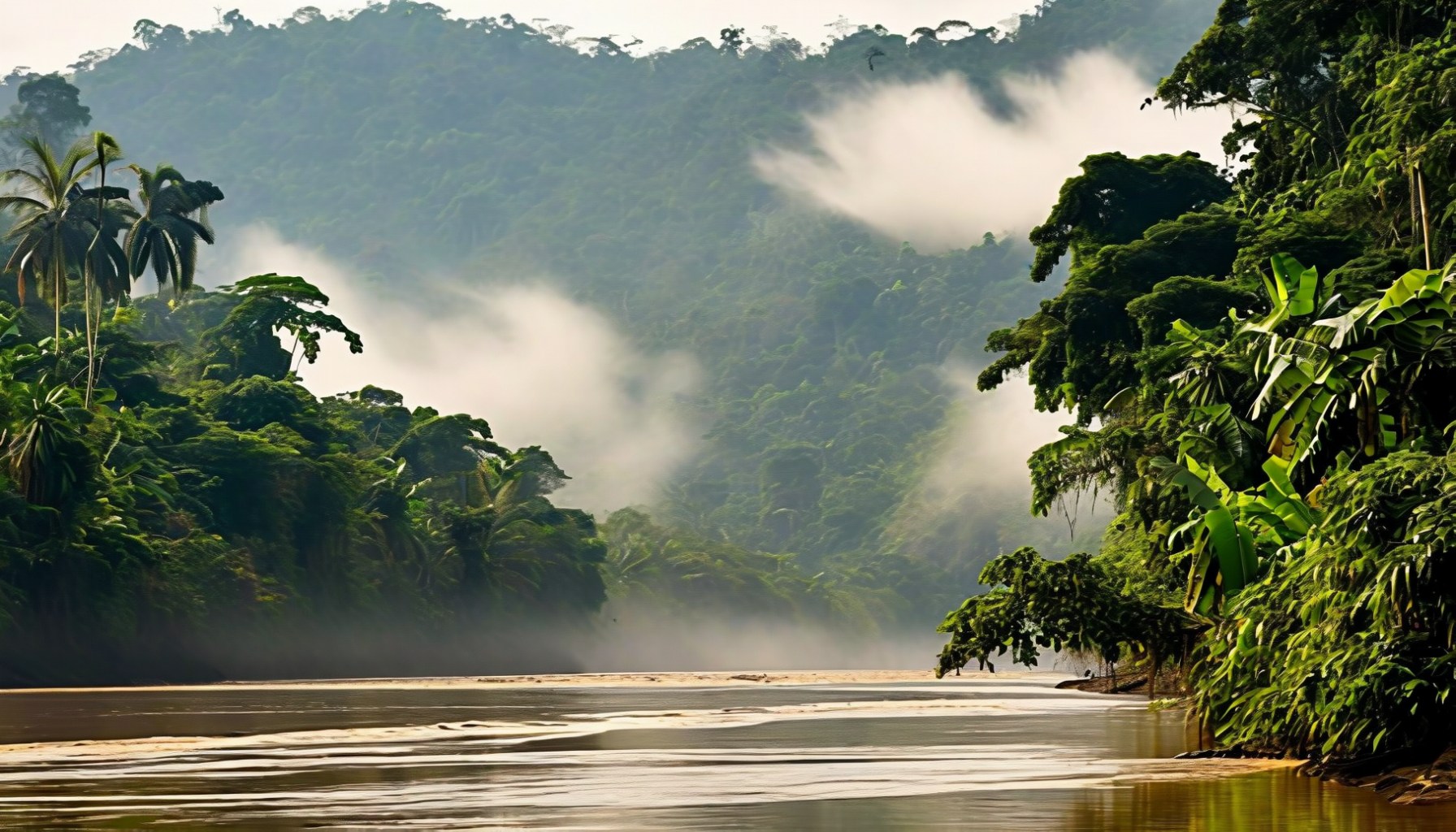
Madidi National Park
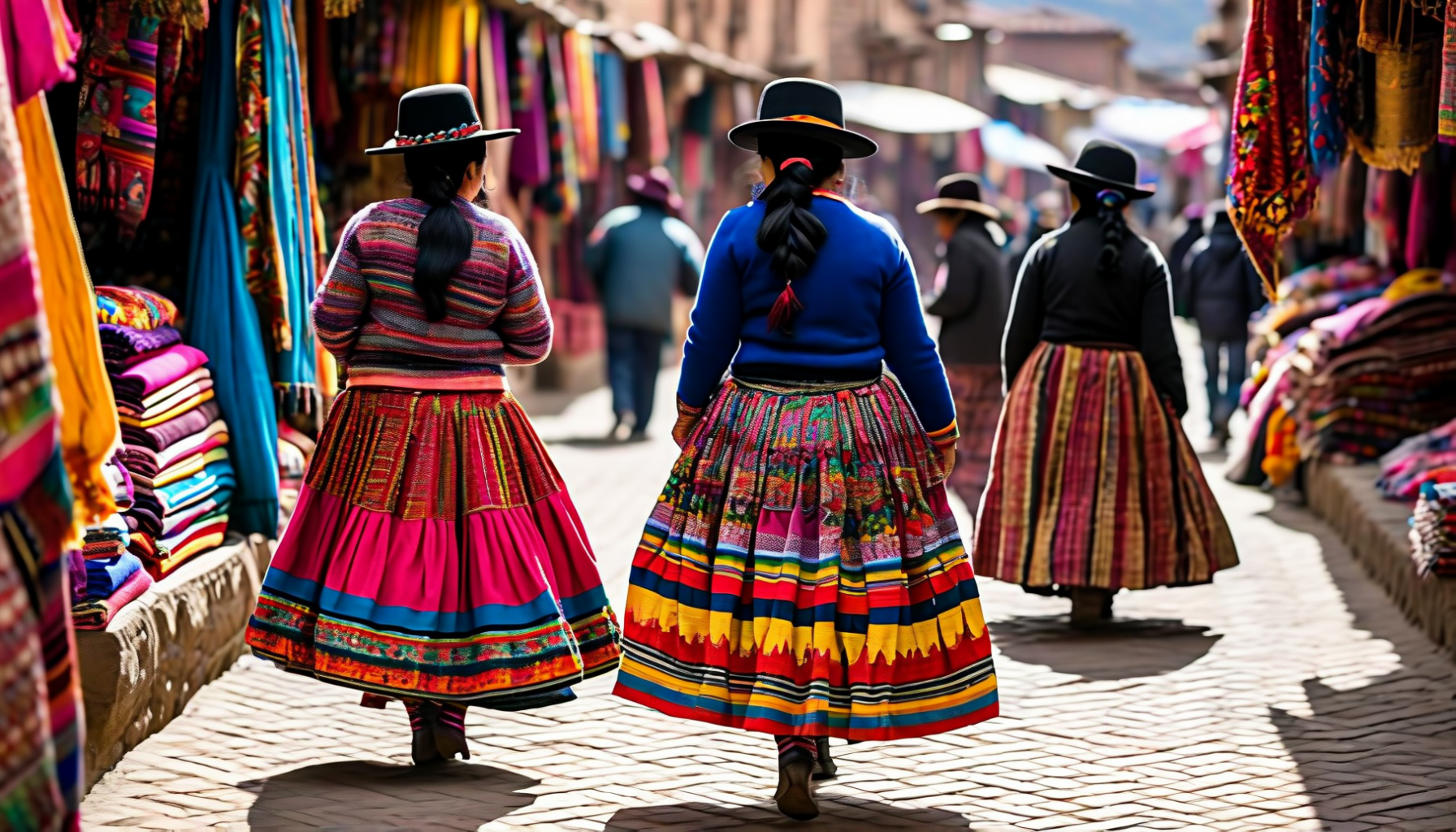
Cholitas of La Paz
Tarija vineyards
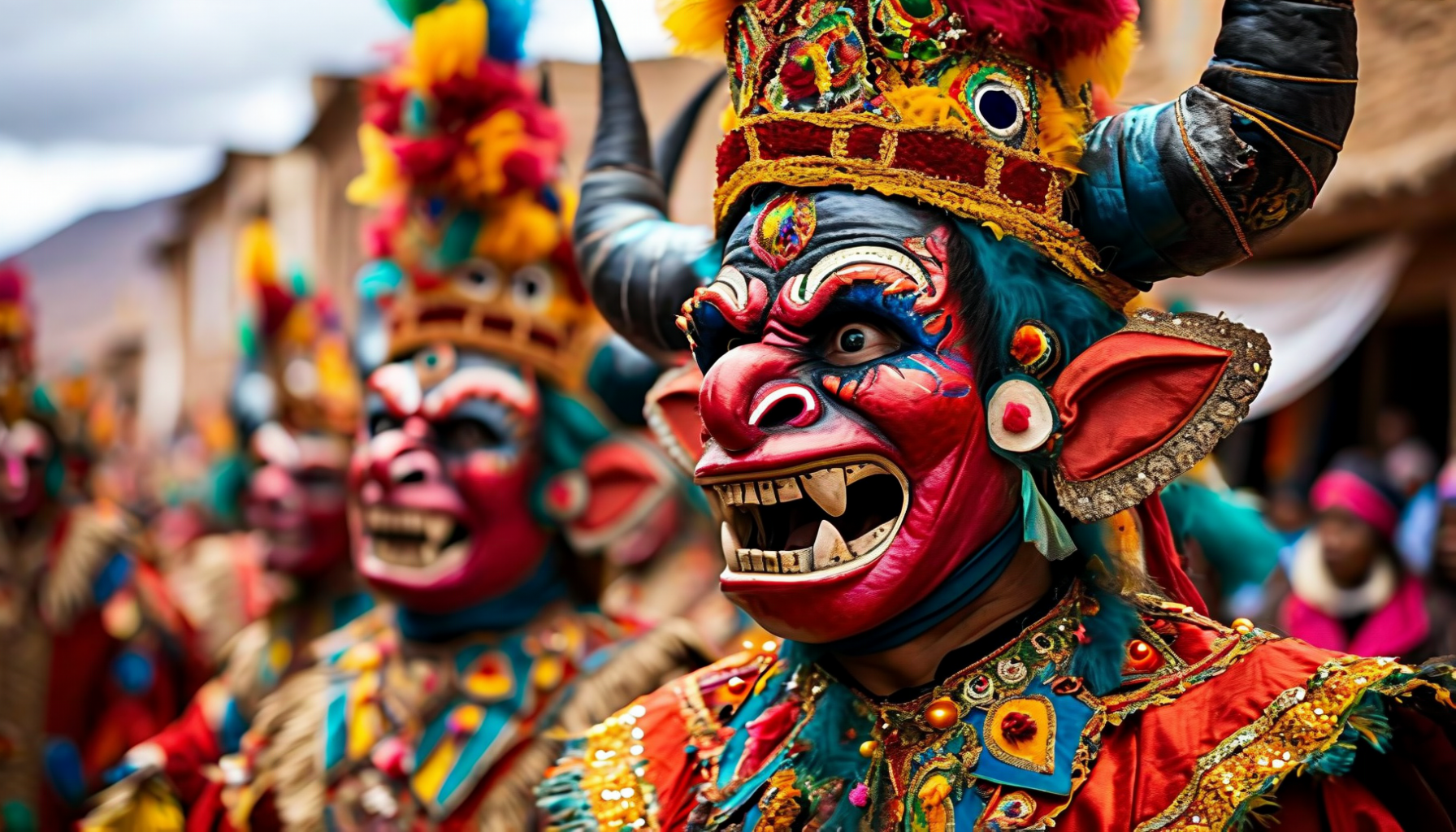
Oruro Carnival
Fuerte de Samaipata
Noel Kempff Mercado
✍️ Author's Note
Bolivia is South America stripped bare—no pretense, no polish, no apology. It's the altitude headache that gives way to the most spectacular sunrise you've ever seen over the Salar de Uyuni. It's the cholita in her bowler hat negotiating a deal with a ferocity that would terrify Wall Street. It's coca leaves and ancient ceremonies coexisting with smartphones and cable cars.
This is not an easy country—the altitude punishes, the infrastructure challenges, the politics bewilder. But Bolivia rewards those who come with open minds and patient lungs. There is something profoundly honest about a place that never learned to package itself for tourists.
Where the Earth touches the sky
—Radim Kaufmann, 2026
Support This Project 🌍
This World Travel Factbook is a labor of love – free to use for all travelers. If you find it helpful, consider supporting its continued development.
