🌍 Bosnia and Herzegovina at a Glance
🌍 Overview
Bosnia and Herzegovina is one of Europe's most soulful destinations — a place where mountains carve deep valleys, rivers shine like liquid emerald, and cities carry layers of history as complex and delicate as fine embroidery.
Travelers who arrive expecting a post-war landscape are stunned to find poetic Ottoman bridges, medieval fortresses, lush forests, turquoise springs, mystical Sufi lodges and warm, emotional hospitality that leaves a mark long after the journey ends.
Few places on Earth balance opposites as gracefully as Bosnia: East and West, Christianity and Islam, melancholy and joy, tragedy and resilience. Walking through Sarajevo is like time-traveling in four directions at once — in one minute you're passing an Ottoman mosque, the next you're before an Austro-Hungarian palace, and then you hear church bells overlapping the call to prayer.
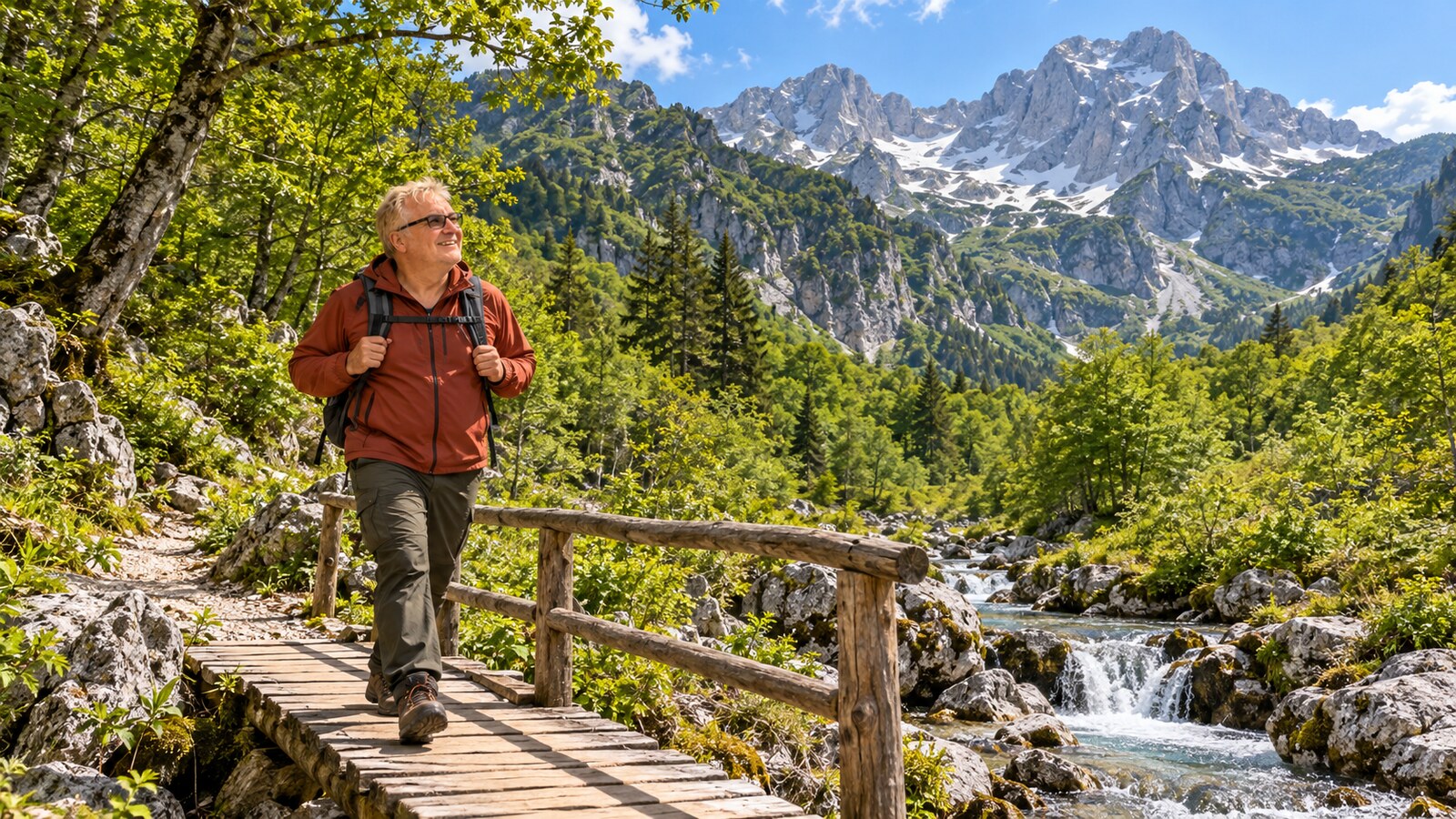
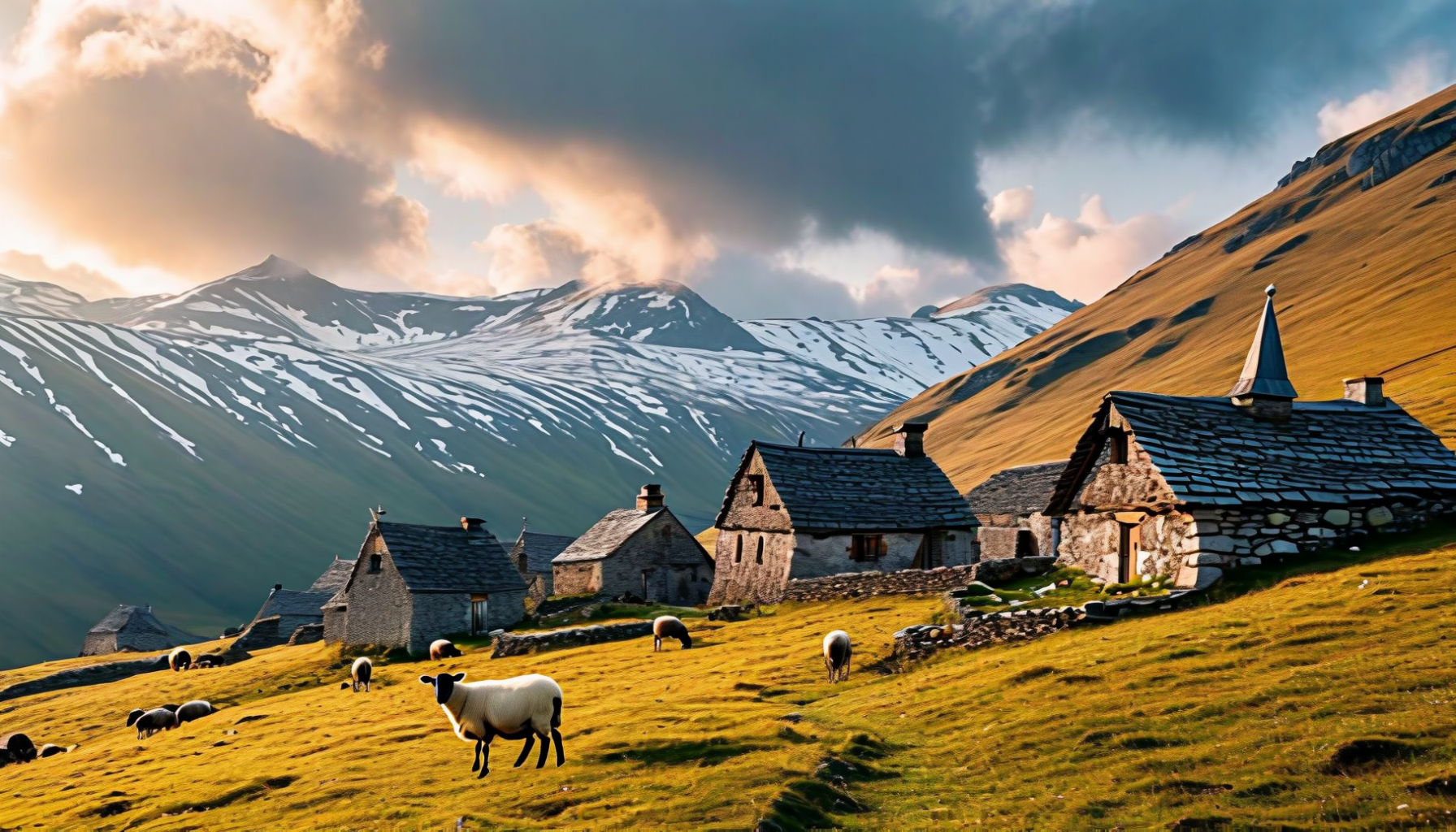
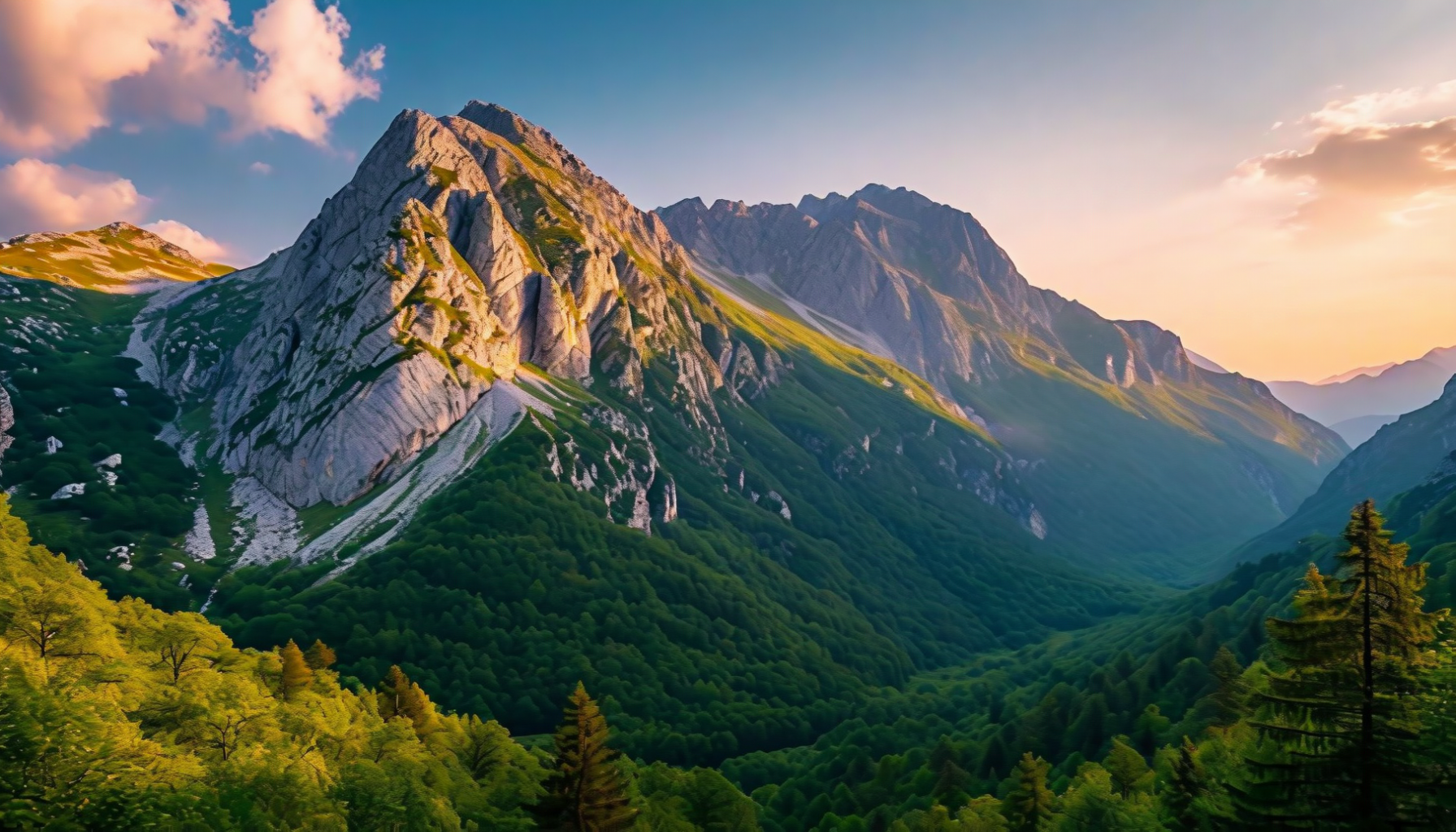
Outside the cities, Bosnia reveals a wild, green heart. Mountains dominate the horizon; rivers carve canyons so deep and dramatic they resemble Colorado or Nepal; waterfalls thunder through untouched forests; and small stone villages sit peacefully as they have for centuries.
Hospitality is not polite but emotional — people invite you for coffee, rakija and long conversations about life, war, peace and the meaning of home.
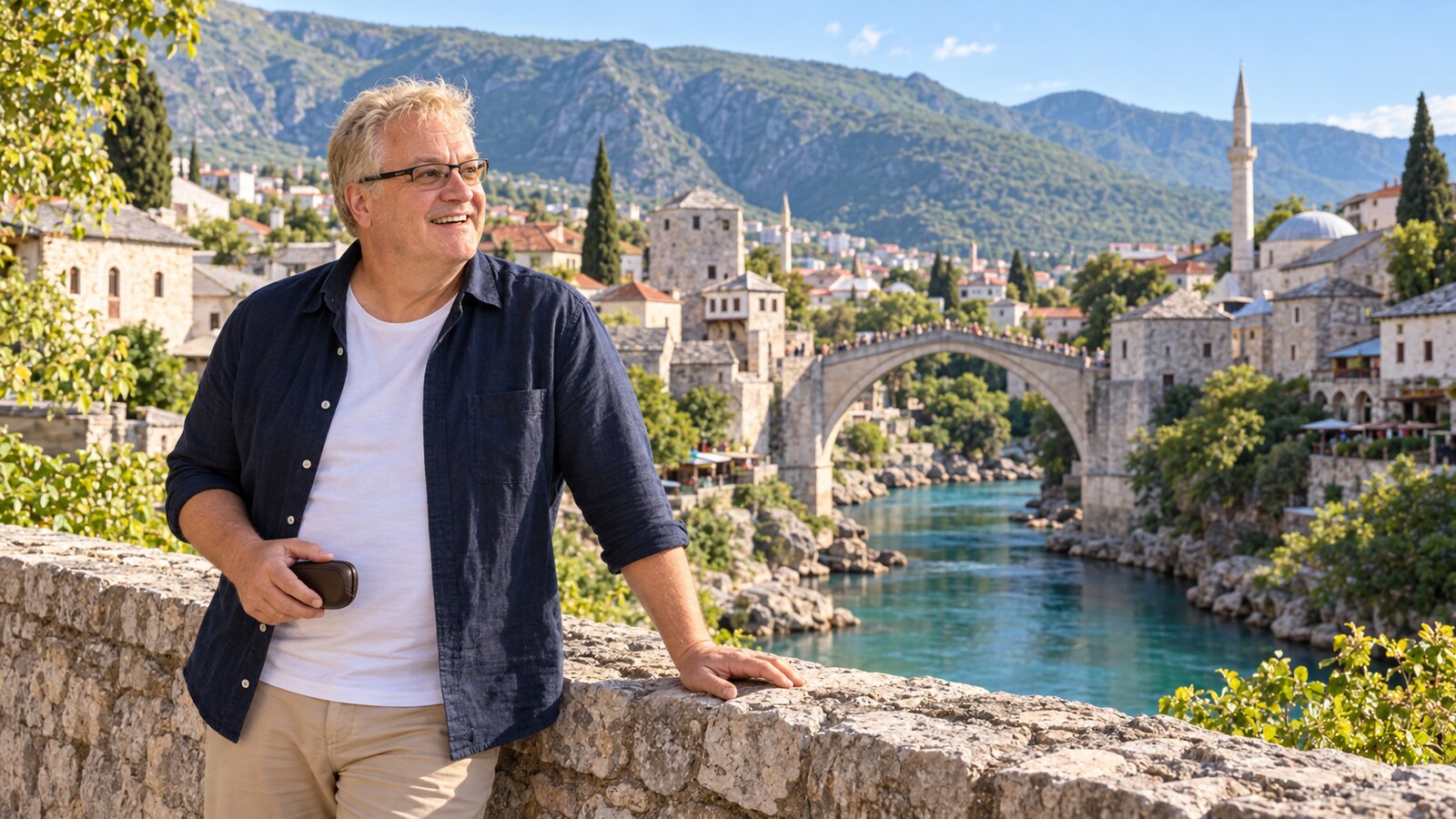
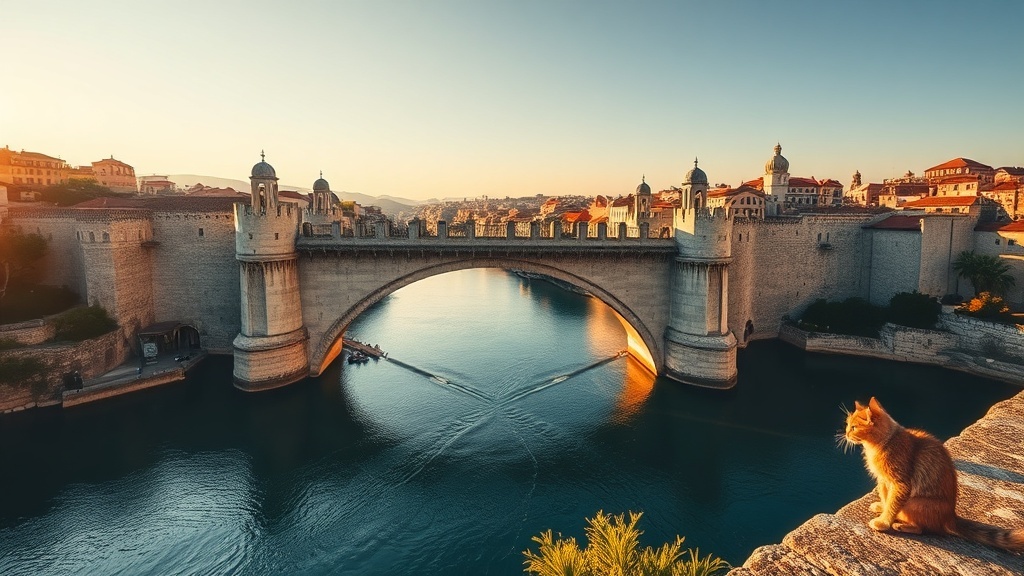
Radim above Mostar and Stari Most
Kaufmann Creative AI Studio© — a creative reconstruction, not a documentary record of an actual visit.
📜 History
Medieval Kingdom: Bosnia emerged as a medieval state in the 12th century, ruled by bans and later kings. The Church of Bosnia, neither fully Catholic nor Orthodox, gave the region a unique spiritual identity.
Ottoman Era (1463–1878): Four centuries of Ottoman rule transformed Bosnia. Many converted to Islam, creating the distinctive Bosniak identity. Sarajevo became a major city with mosques, bazaars, and the famous Baščaršija old town.
Austro-Hungarian Period (1878–1918): The Habsburgs brought railways, grand buildings, and European modernization. Sarajevo became the site of Archduke Franz Ferdinand's assassination in 1914 — the spark that ignited World War I.
Yugoslav Era (1918–1992): Bosnia joined the Kingdom of Serbs, Croats and Slovenes (later Yugoslavia). Under Tito, religious tensions were suppressed and industrialization transformed the country.
The Bosnian War (1992–1995): The breakup of Yugoslavia led to devastating conflict. Sarajevo endured the longest siege in modern warfare (1,425 days). The war ended with the Dayton Agreement, creating today's complex political structure.
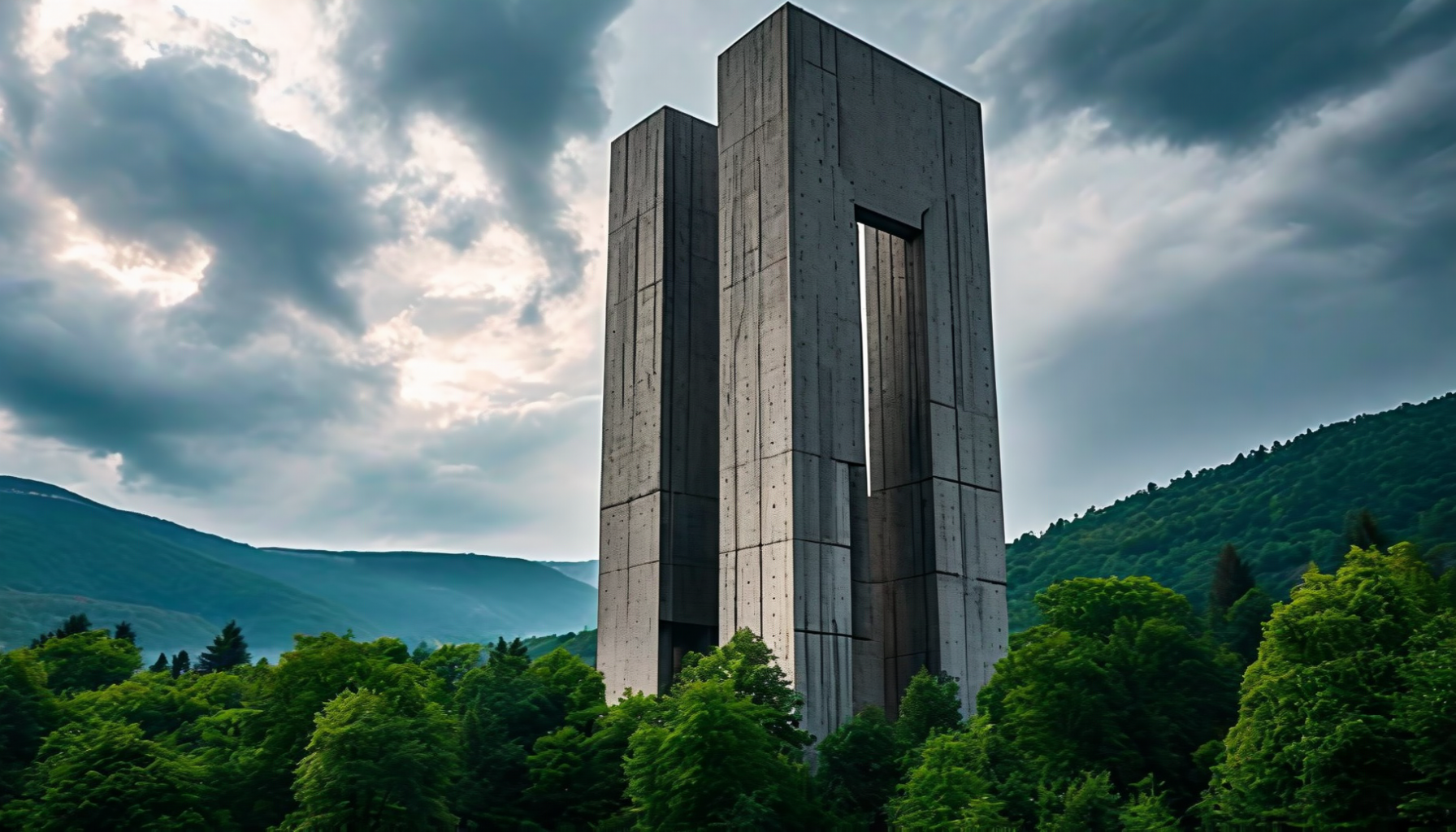
Today: The war's darkest chapter, the Srebrenica genocide of July 1995 (more than 8,000 Bosniak men and boys killed; the UN declared 11 July an international day of remembrance in 2024), is commemorated at the Potočari Memorial Centre. Three decades on, Bosnia is an EU candidate (since December 2022) still governed by the Dayton architecture, its football team reached the 2026 World Cup by beating Italy, and tourism is booming as travelers discover its unspoiled beauty and powerful history.
🗺️ Geography
Bosnia and Herzegovina is predominantly mountainous, with the Dinaric Alps dominating the landscape. The country is divided into two entities: the Federation of Bosnia and Herzegovina and Republika Srpska, plus the Brčko District.
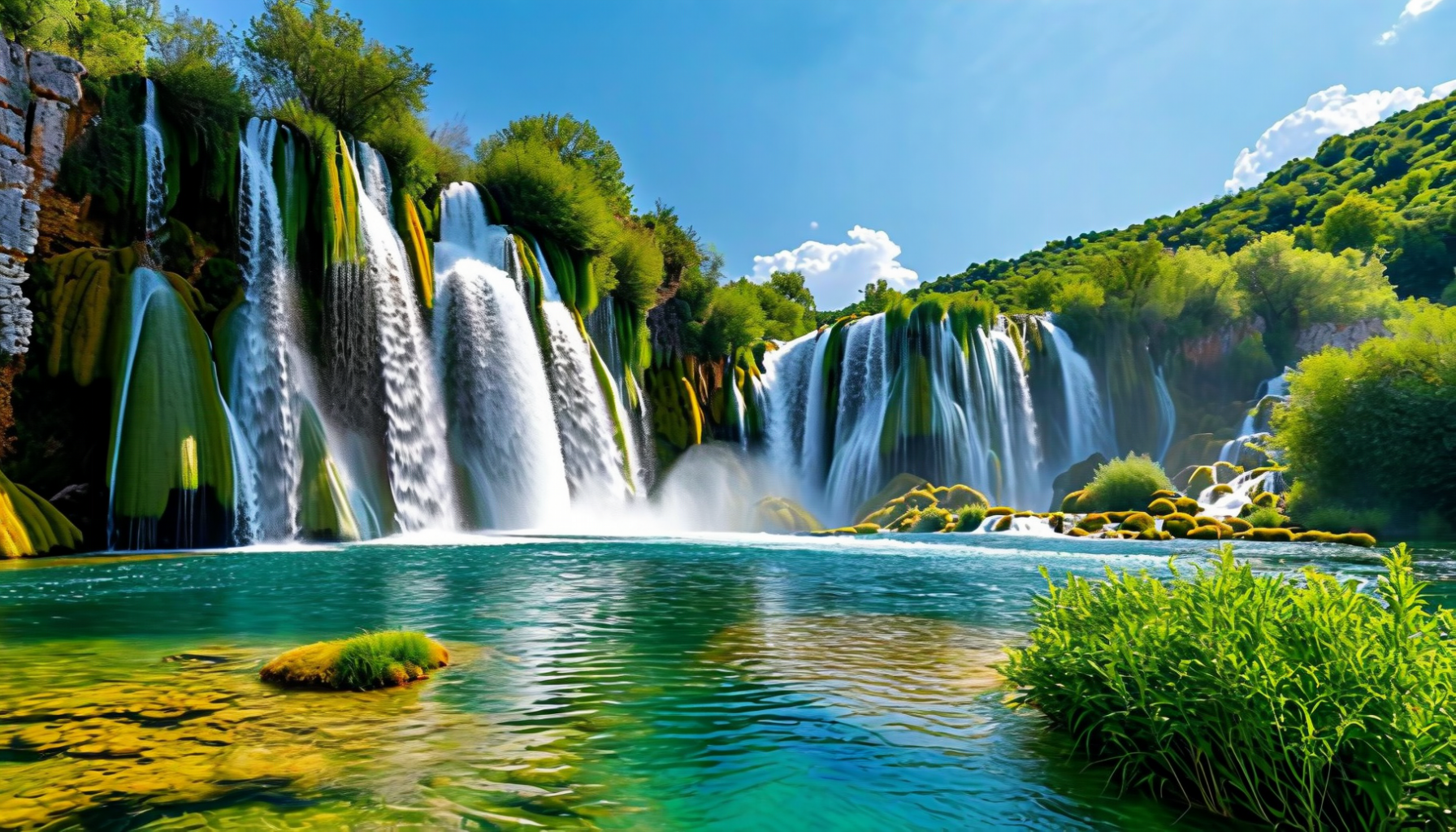
Rivers are Bosnia's glory — the Neretva, Una, Vrbas, and Drina carve spectacular canyons with waters ranging from emerald green to turquoise blue. The Neretva River at Mostar is considered one of the most beautiful urban river settings in Europe.
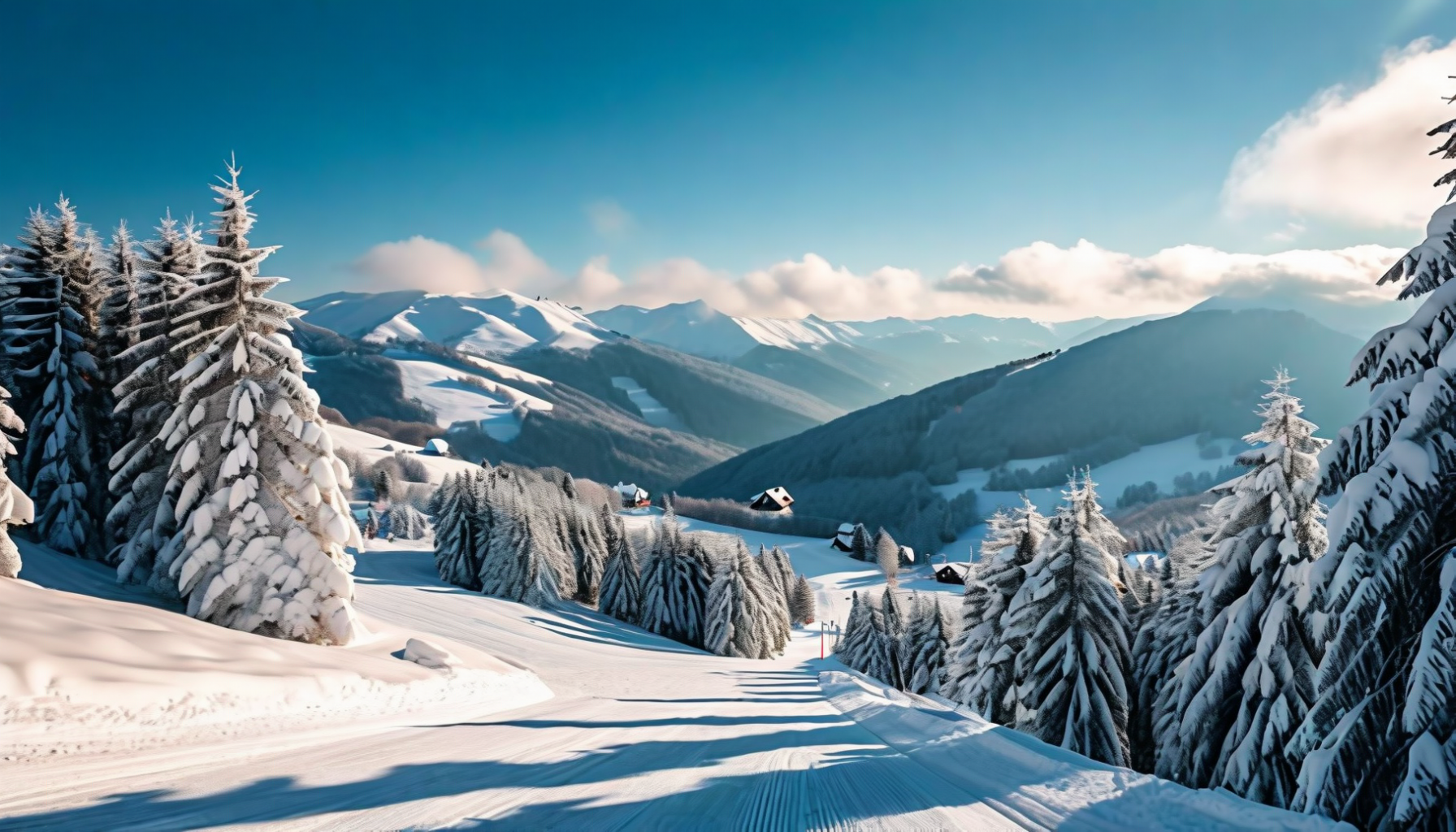
Herzegovina (the southern region) enjoys a Mediterranean climate with hot summers, while Bosnia proper has continental weather with snowy winters — perfect for skiing at Jahorina and Bjelašnica, both 1984 Winter Olympics venues.
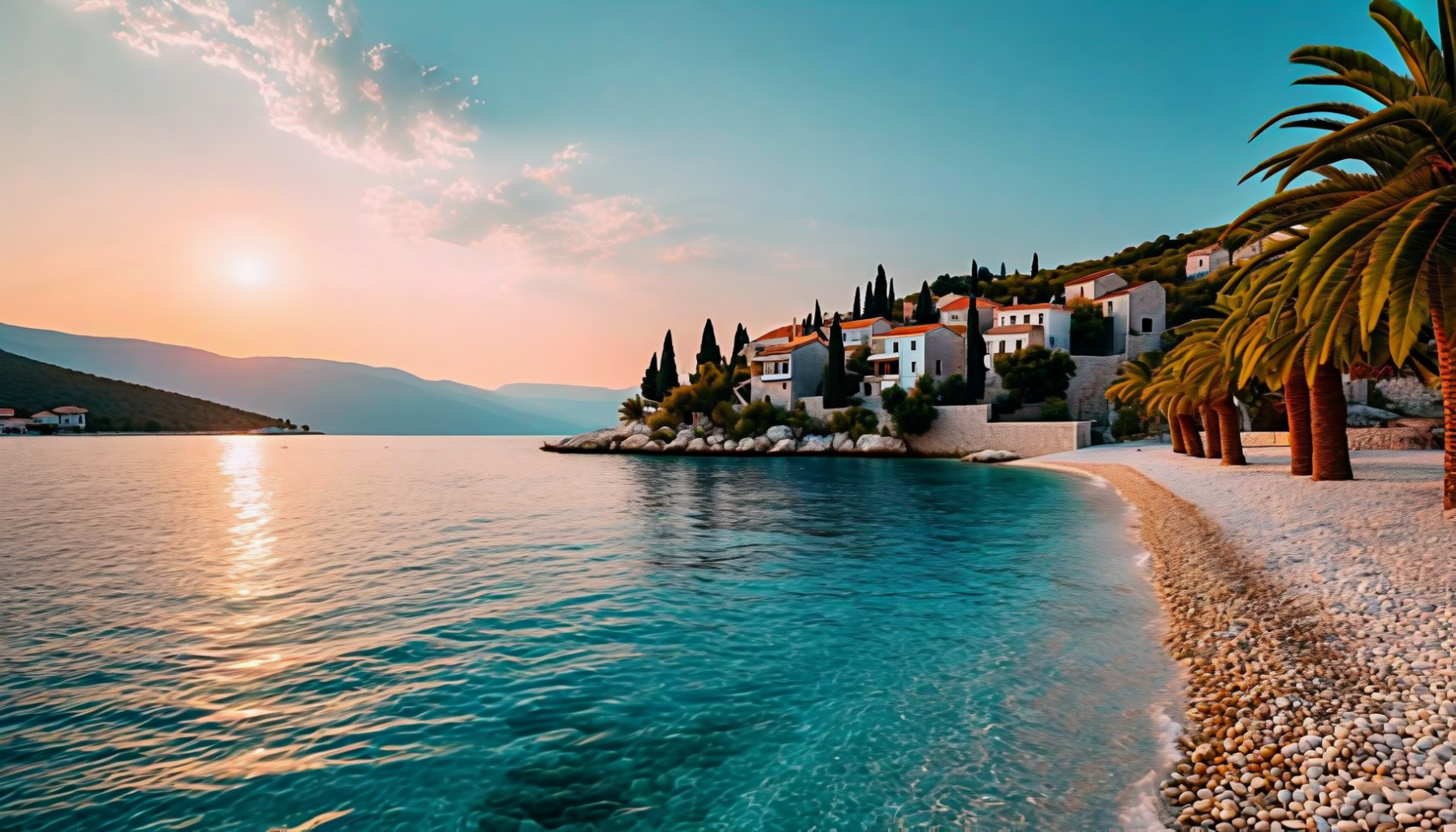
The country has a tiny 20-kilometer coastline at Neum, Bosnia's only access to the Adriatic Sea.
🗺️ Map
Sarajevo, Mostar, Blagaj, Počitelj, Travnik, Jajce, Una, Banja Luka, Tuzla and Trebinje; all five World Heritage sites; Lukomir, Sutjeska, Kravice, Neum, the Olympic mountains, Srebrenica-Potočari and the entity capital are marked. Scroll-zoom is off — use the +/− buttons.
🎭 People & Culture
Bosnia is home to three main ethnic groups: Bosniaks (mostly Muslim), Serbs (Orthodox Christian), and Croats (Catholic). Despite the 1990s conflict, everyday life often transcends ethnic boundaries — neighbors share coffee, musicians play together, and mixed marriages continue.
The concept of "komšiluk" (neighborliness) remains central to Bosnian identity. Hospitality is intense — refusing coffee is almost impossible, and meals can last for hours.
Sevdah is Bosnia's traditional music genre — melancholic love songs that capture the Bosnian soul. Often compared to Portuguese fado or American blues, sevdah expresses longing, loss, and bittersweet beauty.
Sufi traditions remain alive in Bosnia, particularly in Sarajevo's tekke lodges where dervishes still practice meditative rituals.
🏙️ Sarajevo — Jerusalem of Europe
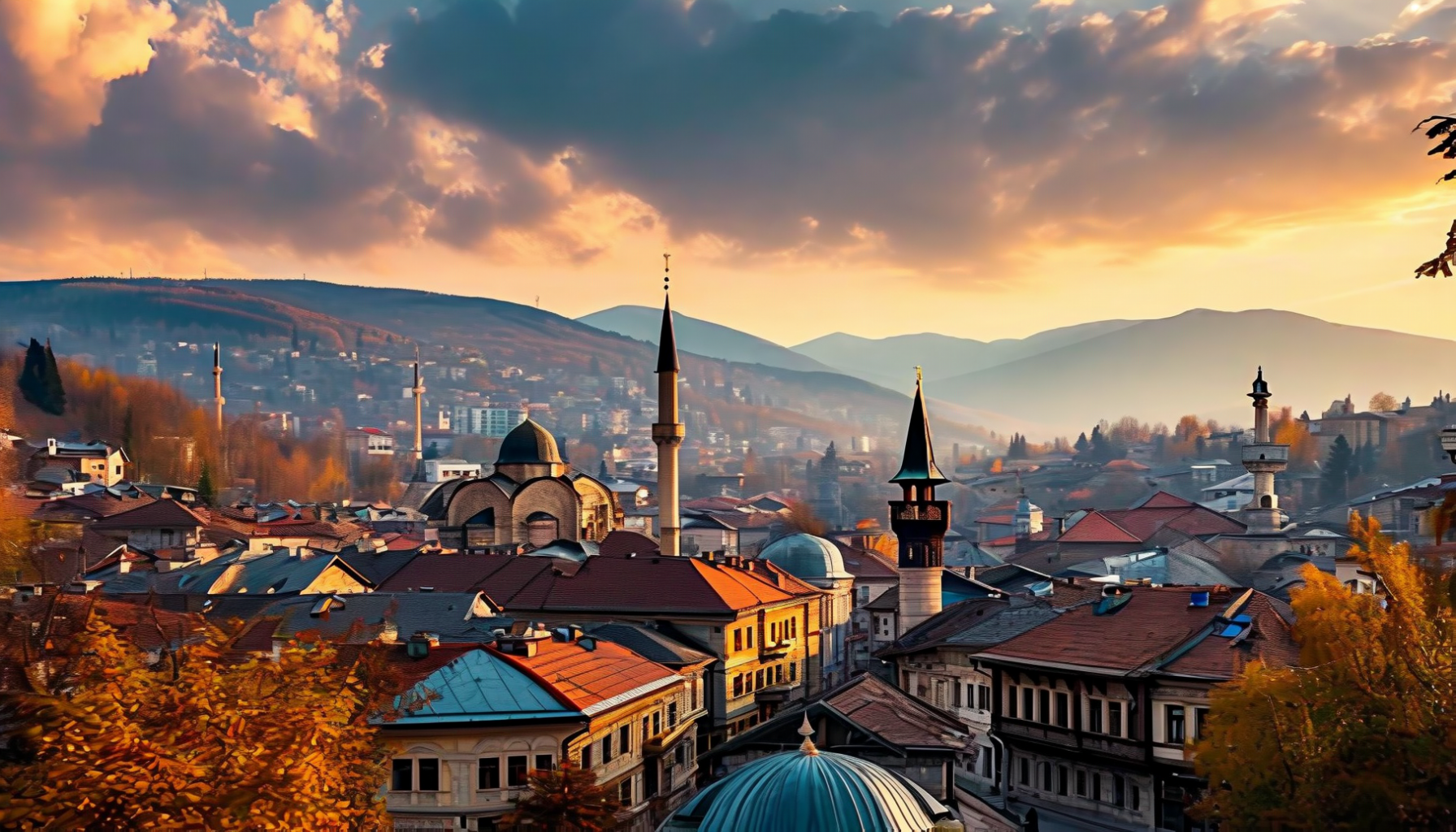
Sarajevo is one of Europe's most fascinating capitals — a city where mosques, Orthodox churches, Catholic cathedrals, and synagogues stand within walking distance. The nickname "Jerusalem of Europe" reflects centuries of religious coexistence.
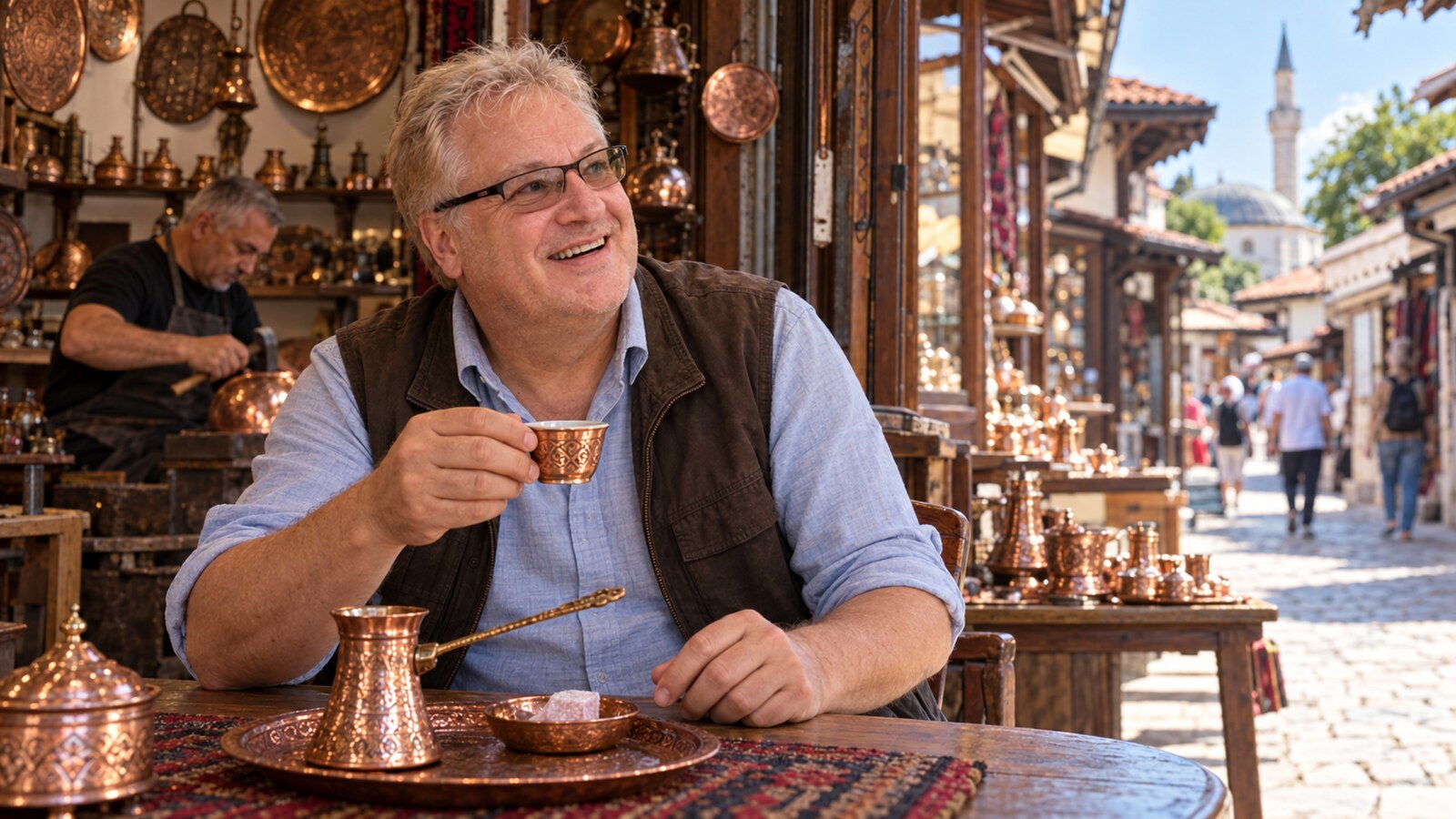
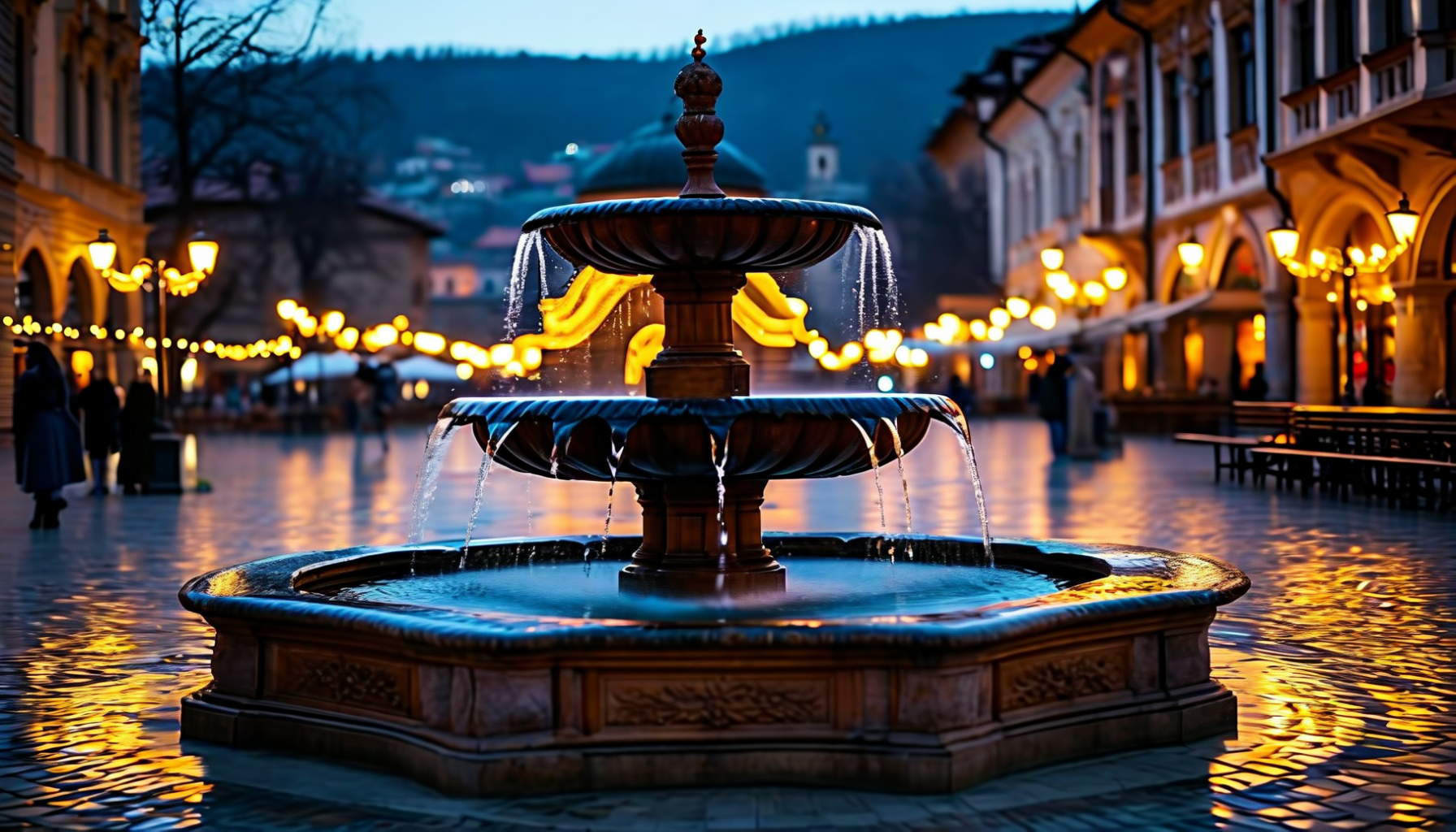
Baščaršija, the Ottoman old town, is the heart of Sarajevo. Copper workshops hammer traditional goods, čevapi grills sizzle, and the Sebilj fountain anchors the pigeon-filled square. Time seems to slow in the covered bazaars.
The Latin Bridge marks where Gavrilo Princip assassinated Archduke Franz Ferdinand in 1914 — the event that triggered World War I. The city carries history in every street.
War scars remain visible — "Sarajevo Roses" (mortar impact sites filled with red resin) mark where shells killed civilians during the siege. The Tunnel of Hope beneath the airport runway was the city's lifeline.
Today's Sarajevo buzzes with cafés, film festivals, and a creative energy that defies its painful past.
🌉 Mostar
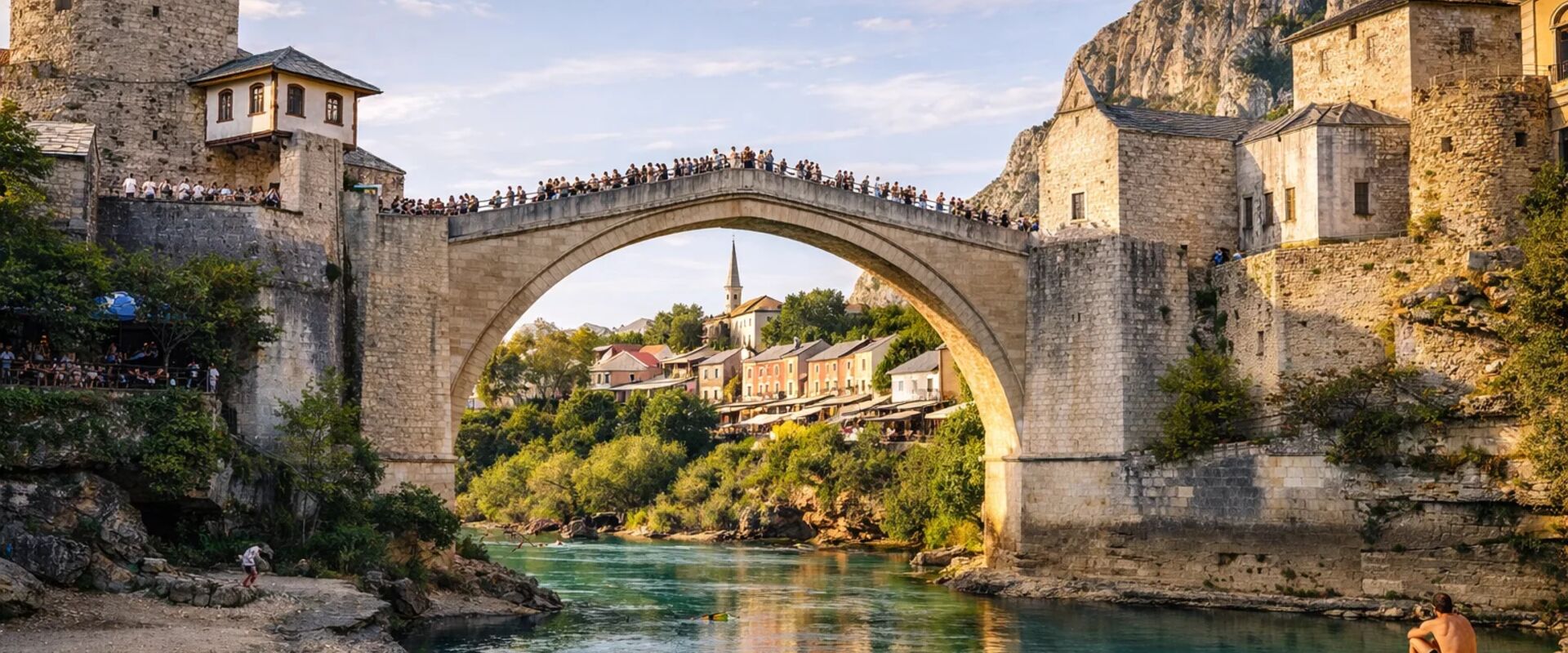
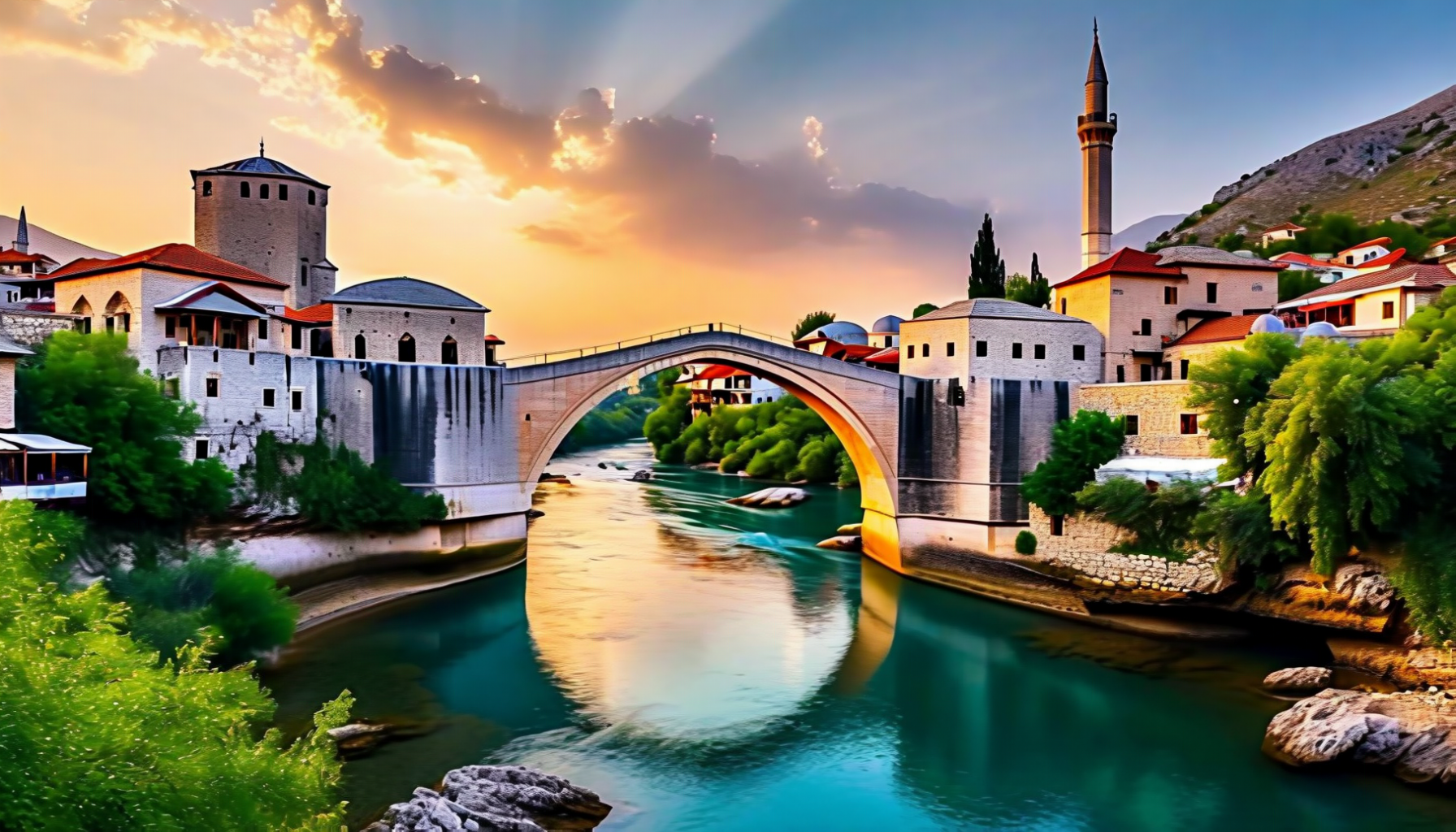
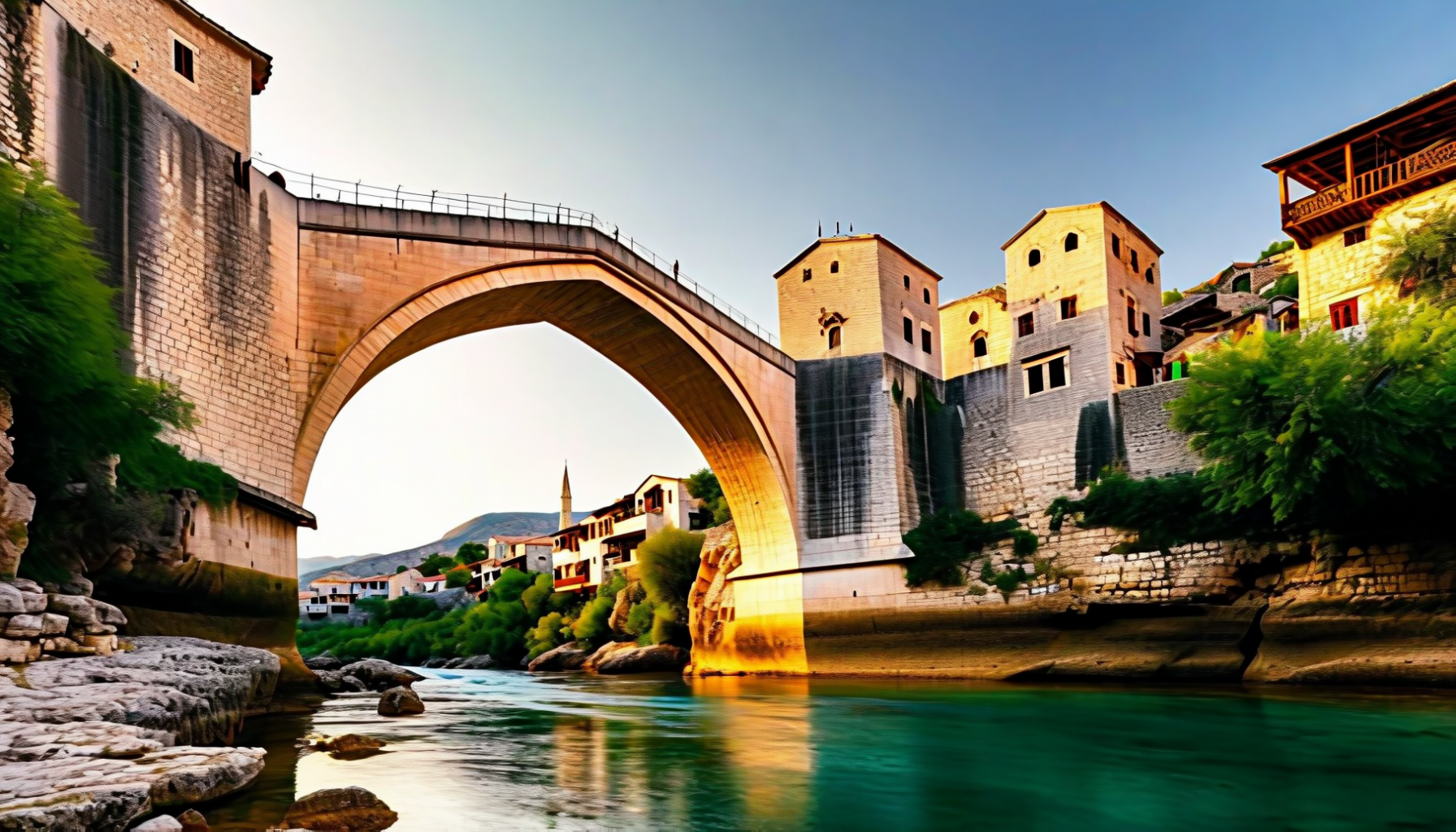
Mostar is defined by Stari Most (Old Bridge), the iconic Ottoman arch that spans the turquoise Neretva River. Built in 1566, destroyed in the 1993 war, and painstakingly reconstructed in 2004, the bridge symbolizes both destruction and hope.
Every summer, young men dive from the bridge's 24-meter height into the freezing river — a tradition dating back centuries. The annual diving competition draws crowds from around the world.
The old town on both sides of the bridge is a UNESCO World Heritage Site, filled with Ottoman houses, mosques, and craft shops selling traditional copperware and carpets.
The Koski Mehmed Pasha Mosque offers stunning views from its minaret, while the Kujundžiluk bazaar street captures the atmosphere of Ottoman times.
🕌 Blagaj & Počitelj
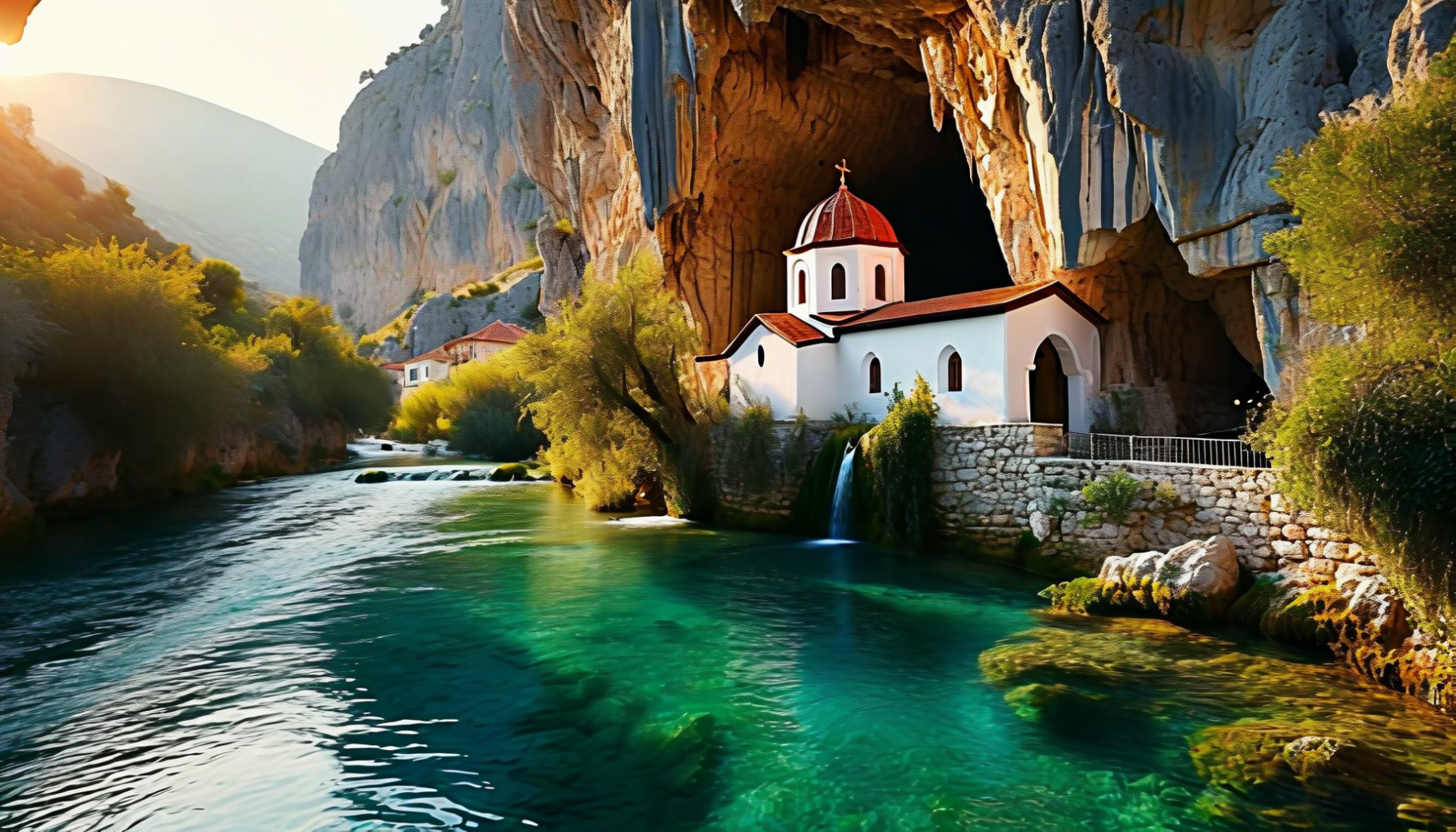
Blagaj is home to one of Europe's most mystical sites — the Blagaj Tekke, a 16th-century Sufi dervish monastery built into a cliff where the Buna River emerges from a cave. The turquoise water, white building, and dramatic rock face create an unforgettable scene.
Nearby Počitelj is a perfectly preserved Ottoman fortress village climbing a hillside above the Neretva. Stone houses, a mosque, and a watchtower create a scene unchanged for centuries.
🏰 Travnik
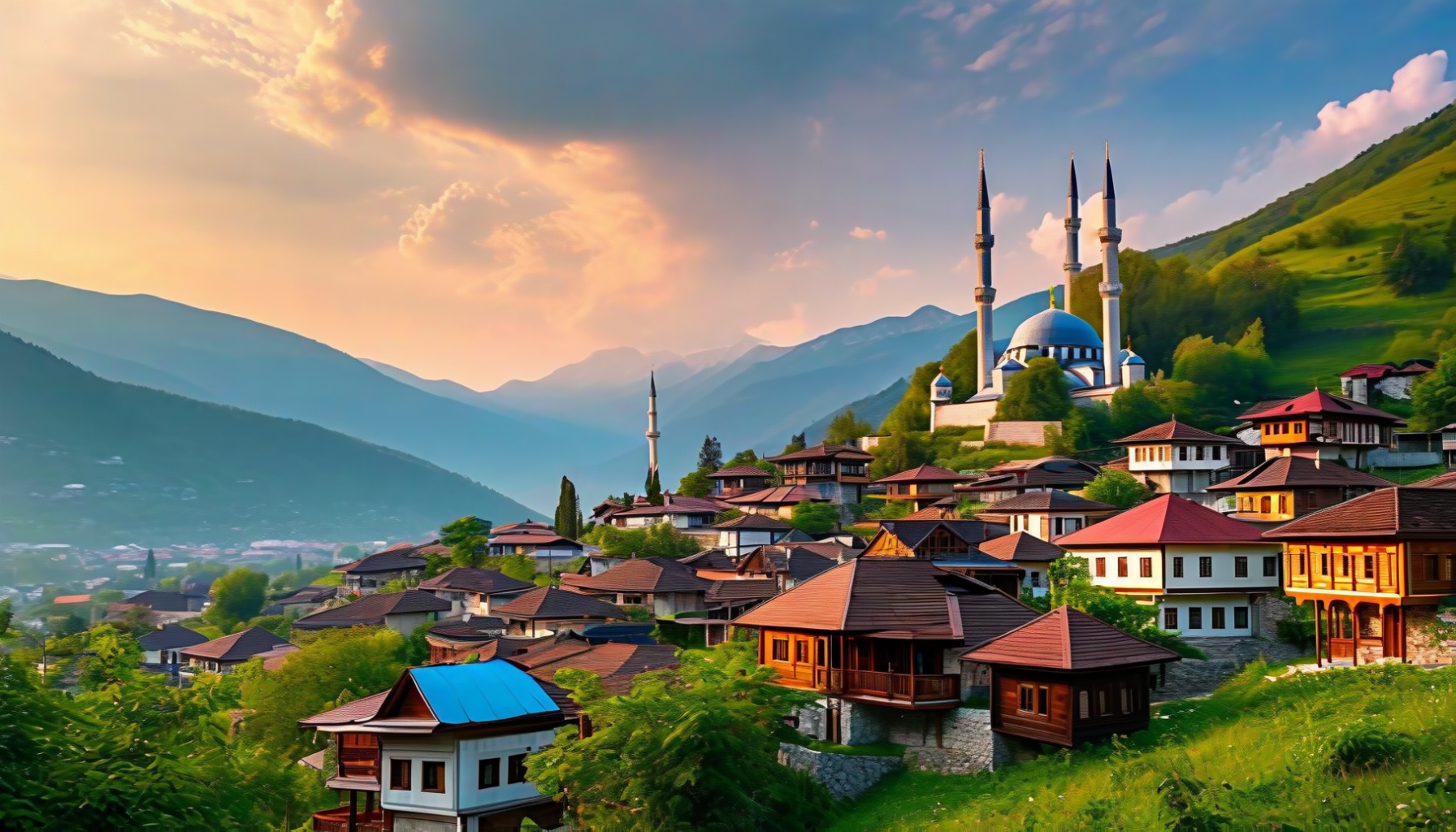
Travnik served as the seat of Ottoman viziers for 150 years, earning it the nickname "European Istanbul." The colorful painted mosques, medieval fortress, and natural springs make it one of Bosnia's most charming towns.
Nobel Prize-winning author Ivo Andrić was born here, and his novels capture the essence of Bosnian life under Ottoman rule.
💦 Jajce
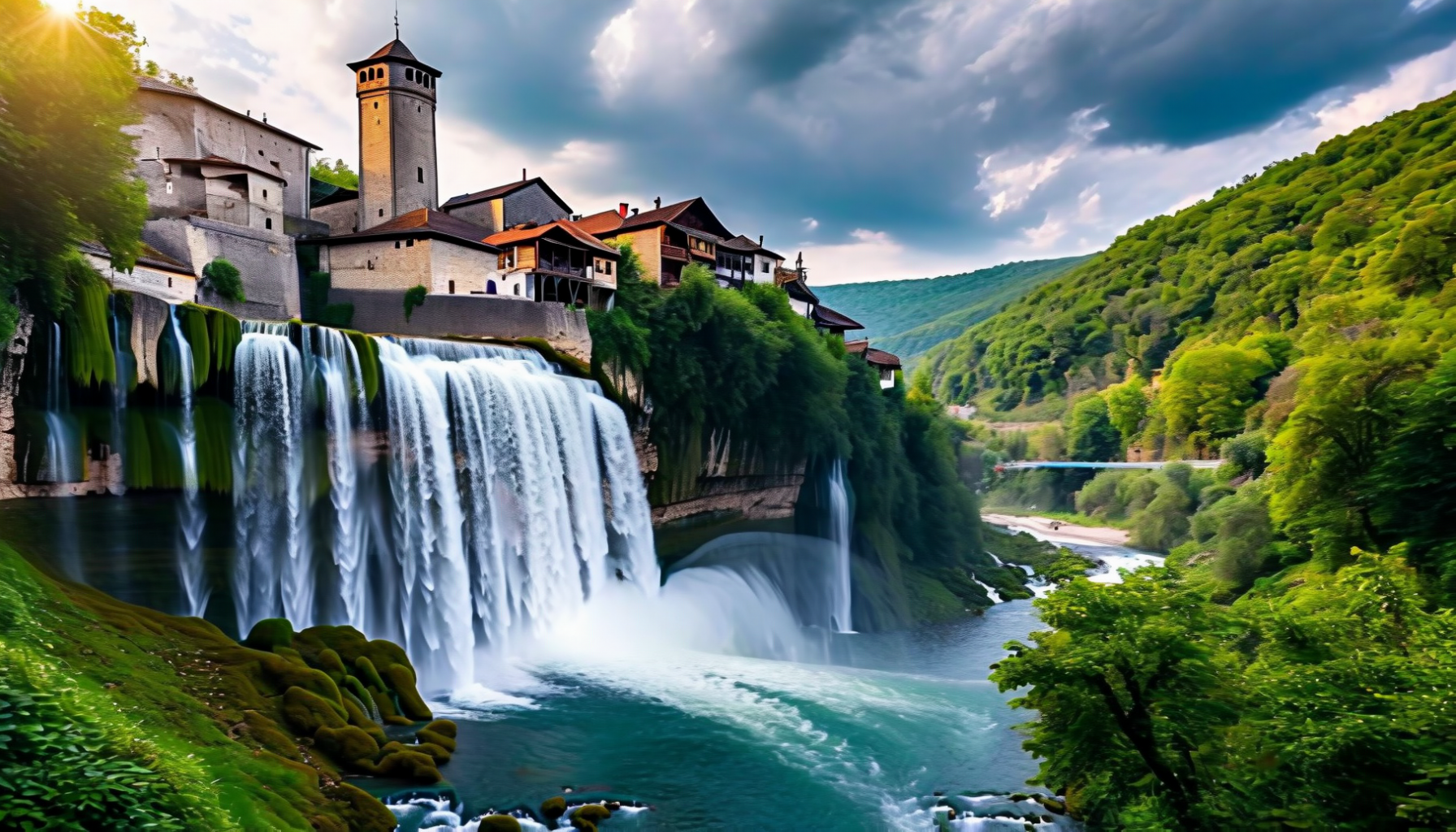
Jajce is unique in Europe — a town with a 22-metre waterfall thundering through its centre (it stood 30 m until wartime damage and hydro works in the 1990s lowered the Pliva) where the Pliva River drops into the Vrbas. The medieval fortress above belonged to Bosnian kings, and catacombs beneath the town hold royal tombs.
The nearby Pliva Lakes offer pristine swimming and traditional wooden watermills that have operated for centuries.
🌊 Una National Park
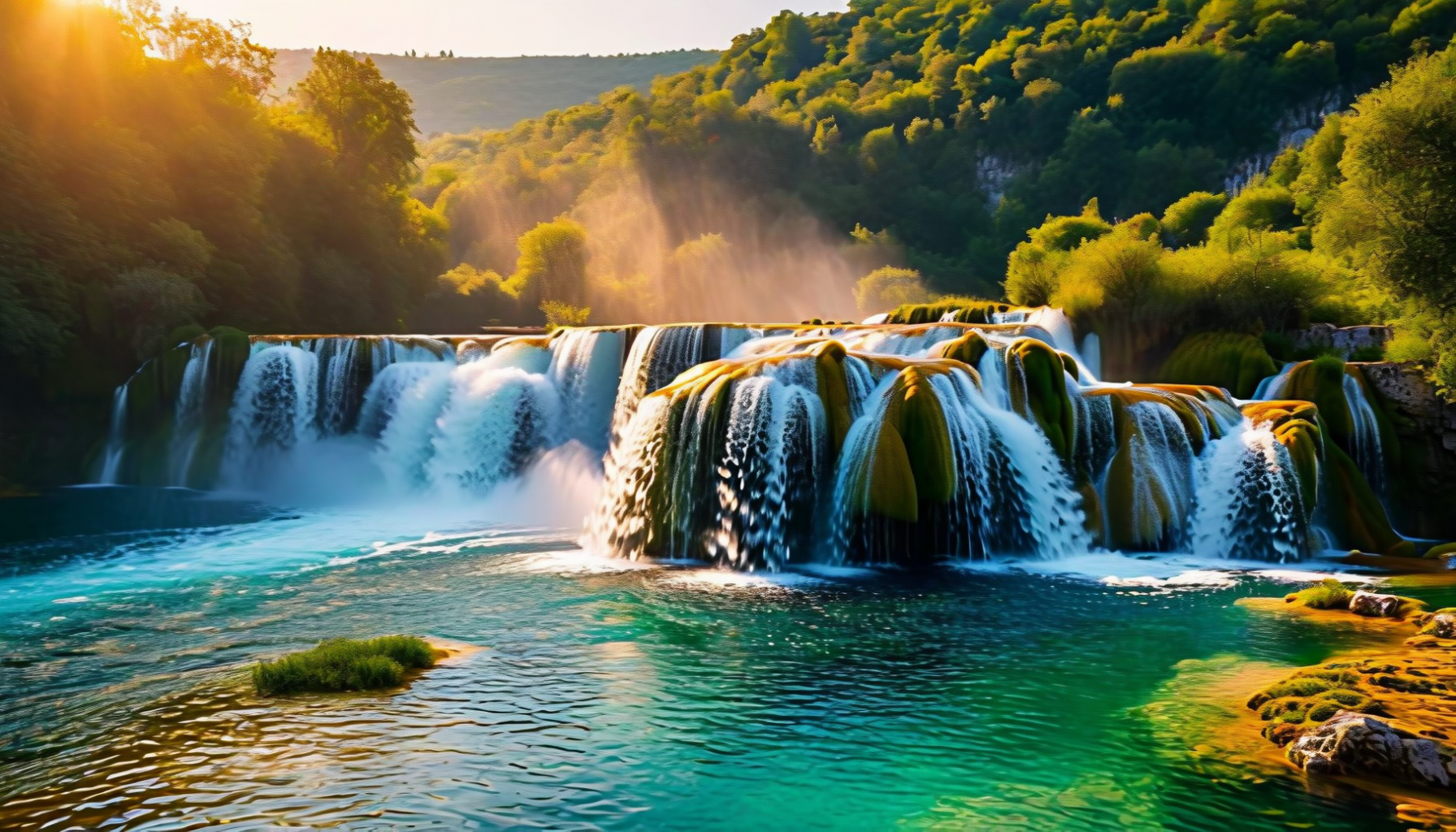
The Una River is considered one of the most beautiful in Europe — crystal-clear emerald water cascading over travertine waterfalls, surrounded by untouched forest. The Štrbački Buk waterfall (25 meters) rivals anything in Croatia.
Rafting and kayaking through the Una's rapids offers adventure without the crowds found elsewhere in the Balkans.
🥘 Cuisine
Bosnian cuisine reflects Ottoman heritage with Central European influences. Meals are hearty, meat-focused, and meant to be shared over long conversations.
Ćevapi
Grilled Meat Fingers
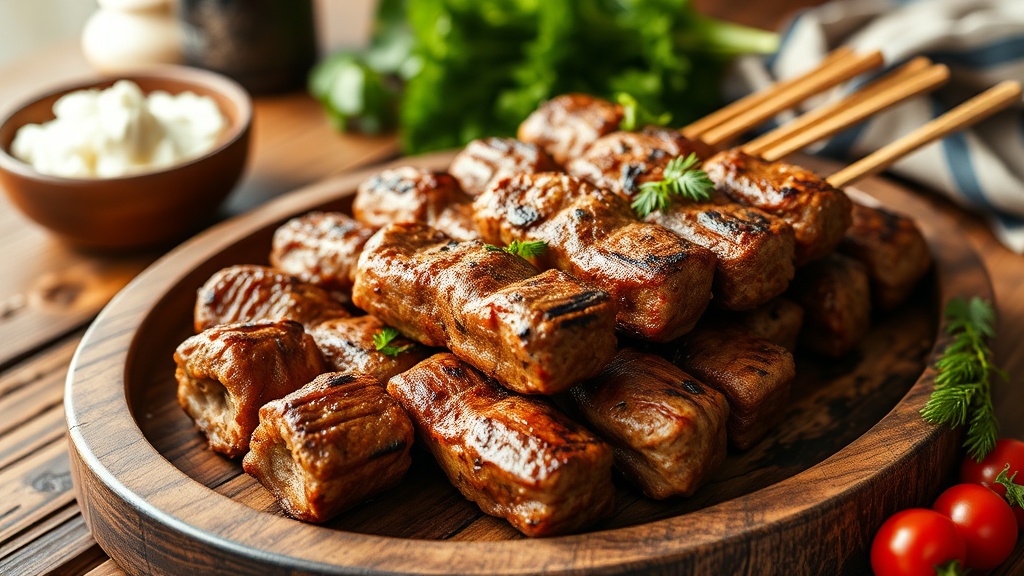
Small grilled meat sausages served in somun bread with onions. This recipe serves two.
Ingredients: 250g beef mince, 250g lamb mince, 1 clove garlic, ½ tsp baking soda, Salt, pepper, Somun bread, Raw onion, kajmak cream.
Preparation: Mix meats, garlic, soda, seasonings. Then refrigerate overnight. Shape into finger-sized pieces. Grill over charcoal. Serve in somun with onion and kajmak.
💡 The baking soda makes them tender—don't skip it.
Burek
Meat Filo Pie
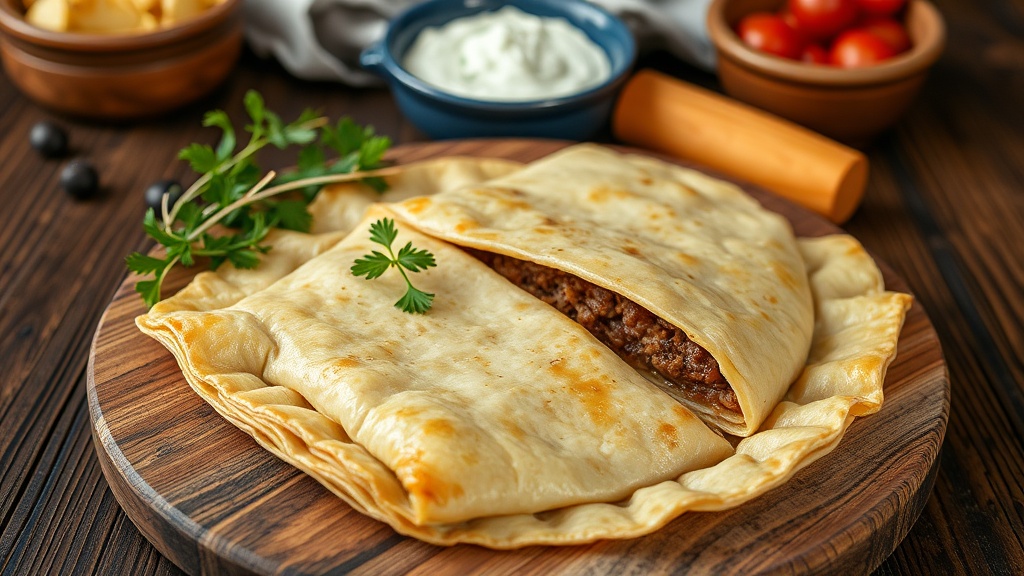
Spiral filo pastry filled with spiced meat—Bosnia's beloved snack. This recipe serves two.
Ingredients: 1 pack filo pastry, 300g minced beef, 1 onion, diced, Oil, Salt, pepper, Yogurt for serving.
Preparation: Brown meat with onion, season. Then lay out filo sheets, brush with oil. Spread meat along edge. Roll up, then coil into spiral. Then bake 180°C (356°F) until golden. Serve with cold yogurt.
💡 Brush finished burek with butter for extra flakiness.
Tufahije
Poached Apples
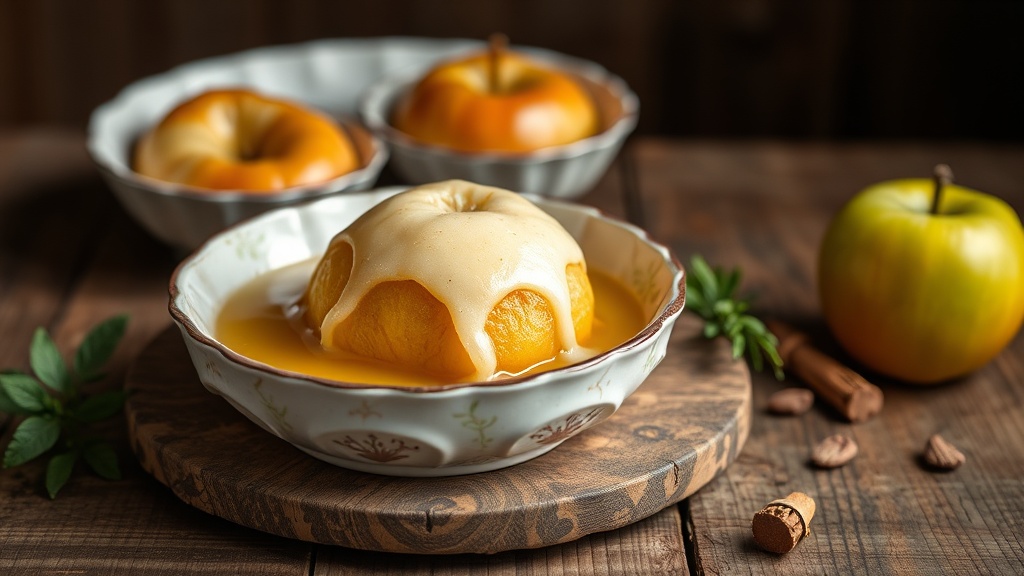
Apples poached in sweet syrup, filled with walnuts and cream. This recipe serves two.
Ingredients: 2 apples, cored, 240ml sugar, 480ml water, Walnuts, chopped, Whipped cream, Cinnamon.
Preparation: Make syrup with sugar, water, cinnamon. Then poach apples until just tender. Remove, reduce syrup. Fill centers with walnuts. Then top with cream. Drizzle with syrup.
💡 Apples should be tender but hold their shape.
Ćevapi are the national dish — grilled minced meat sausages served in somun bread with raw onions and kajmak (creamy cheese). Sarajevo's Baščaršija has fierce debates about which restaurant makes the best ćevapi.
Burek is flaky phyllo pastry filled with meat (or cheese, spinach, or potato). Eaten for breakfast with yogurt, it's a Bosnian institution.
Bosanski lonac (Bosnian pot) is a slow-cooked meat and vegetable stew. Dolma (stuffed vegetables), sarma (cabbage rolls), and klepe (Bosnian ravioli) round out the traditional menu.
Rakija (fruit brandy) accompanies every gathering — šljivovica (plum) is the classic, but medica (honey rakija) is particularly Bosnian.
☕ Coffee Culture
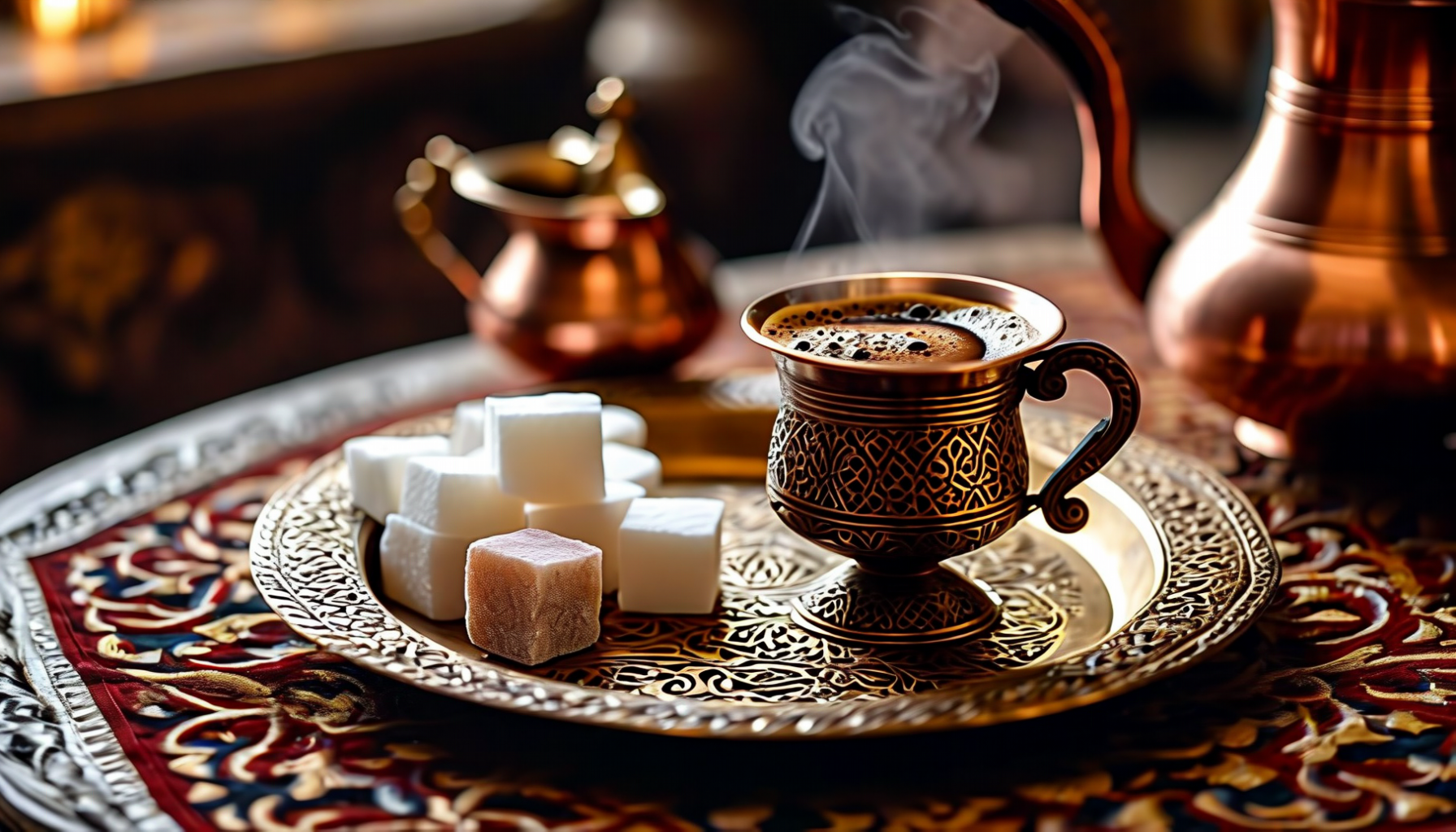
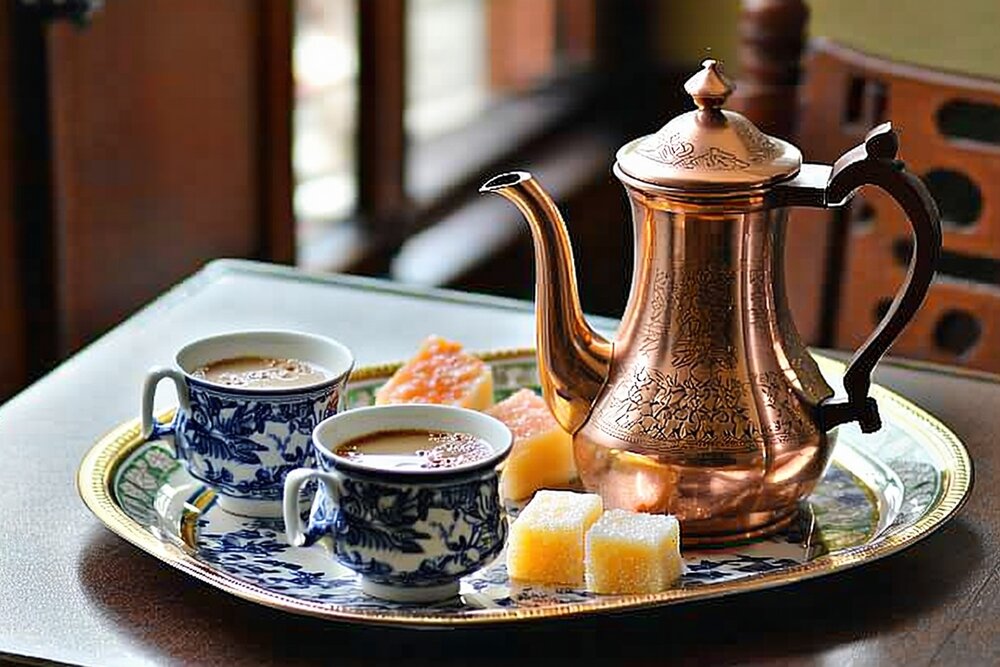
Bosnian coffee (bosanska kahva) is not just a drink — it's a ritual. Served in a džezva (copper pot) with sugar cubes and rahat lokum (Turkish delight), drinking coffee properly takes at least an hour.
The invitation to "drink coffee" really means an invitation to talk, connect, and share life. Rushing through coffee is considered almost insulting.
Sarajevo claims more cafés per capita than any other European capital — and Bosnians spend more time in them than almost anyone.
🏛️ UNESCO World Heritage Sites
Bosnia and Herzegovina has five inscribed UNESCO World Heritage Sites — three cultural, two natural — each telling a different chapter of the country's layered history: an Ottoman icon of reconciliation, a literary bridge that won a Nobel Prize, a mysterious medieval necropolis shared with three neighbours, a primeval beech forest, and the most biologically diverse cave on the planet.
1. Old Bridge Area of the Old City of Mostar (inscribed 2005)
The Stari Most ("Old Bridge") was built in 1566 by Ottoman architect Mimar Hayruddin, a student of the legendary Mimar Sinan. For 427 years its single 29-metre stone arch leapt across the Neretva — one of the most daring feats of 16th-century engineering. On 9 November 1993 Bosnian Croat (HVO) artillery shelled it into the river. The reconstructed bridge, opened in 2004, was rebuilt with original techniques and stones from the same Tenelija quarry. UNESCO inscribed not just the bridge but the entire surrounding old town — Ottoman houses, mosques, the Tabhana tannery quarter, and the Crooked Bridge (Kriva Ćuprija). It is recognised as "an outstanding example of a multicultural urban settlement" and as a global symbol of reconciliation.
2. Mehmed Paša Sokolović Bridge in Višegrad (inscribed 2007)
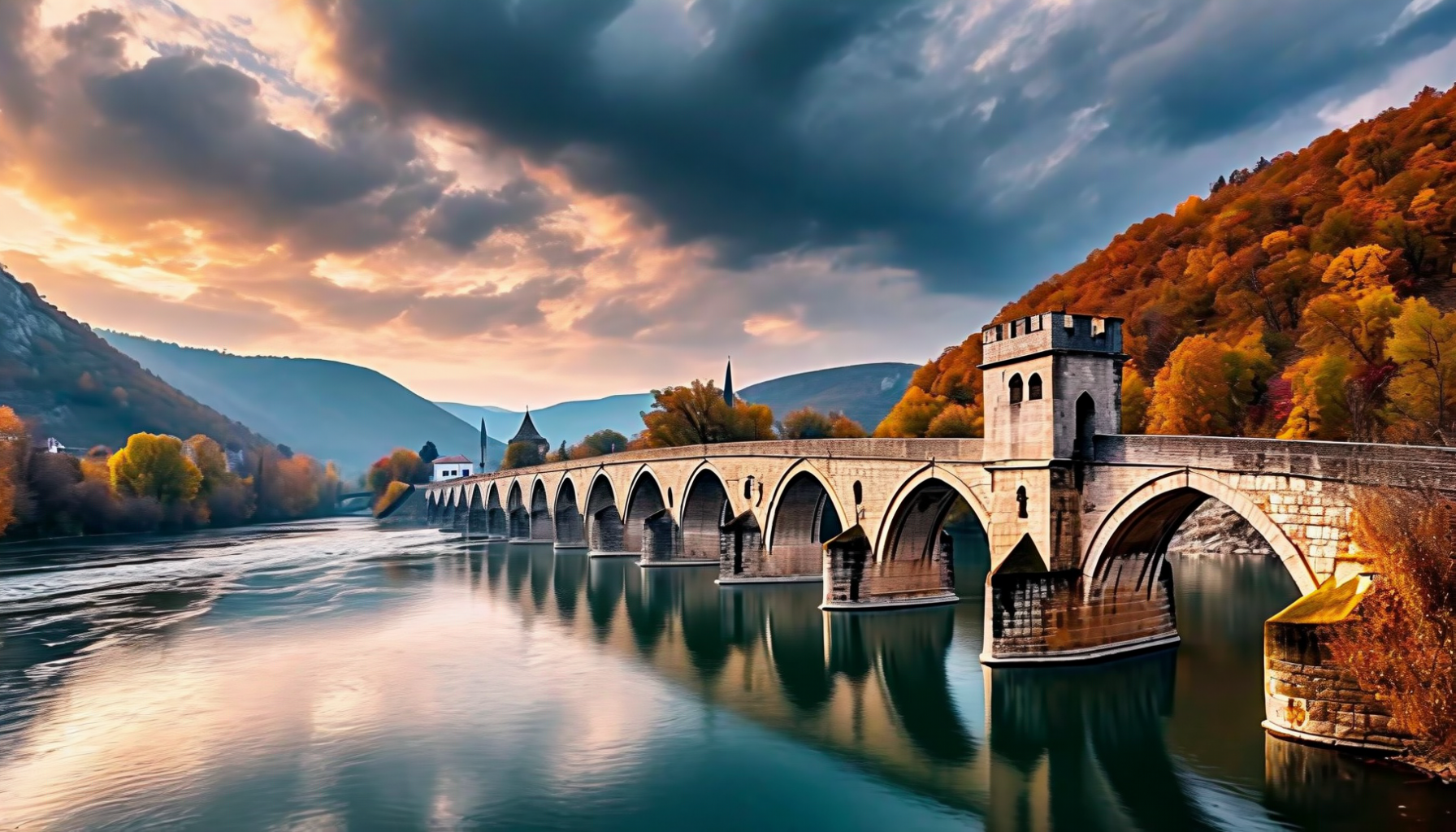
Completed in 1577 and designed by the same Mimar Sinan who built Istanbul's Süleymaniye Mosque, the Višegrad bridge is one of the masterpieces of classical Ottoman architecture: eleven elegant masonry arches stretching 179.5 metres across the Drina river. It was commissioned by Grand Vizier Mehmed Paša Sokolović, a Bosnian-born boy taken to Istanbul under the devshirme system who rose to rule the Ottoman Empire. Ivo Andrić immortalised it in The Bridge on the Drina, the novel that won him the 1961 Nobel Prize in Literature. The bridge survived two world wars, the Yugoslav floods of 2014, and stands today as a perfect example of how Ottoman engineering combined function, geometry and beauty.
3. Stećci — Medieval Tombstones Graveyards (inscribed 2016)
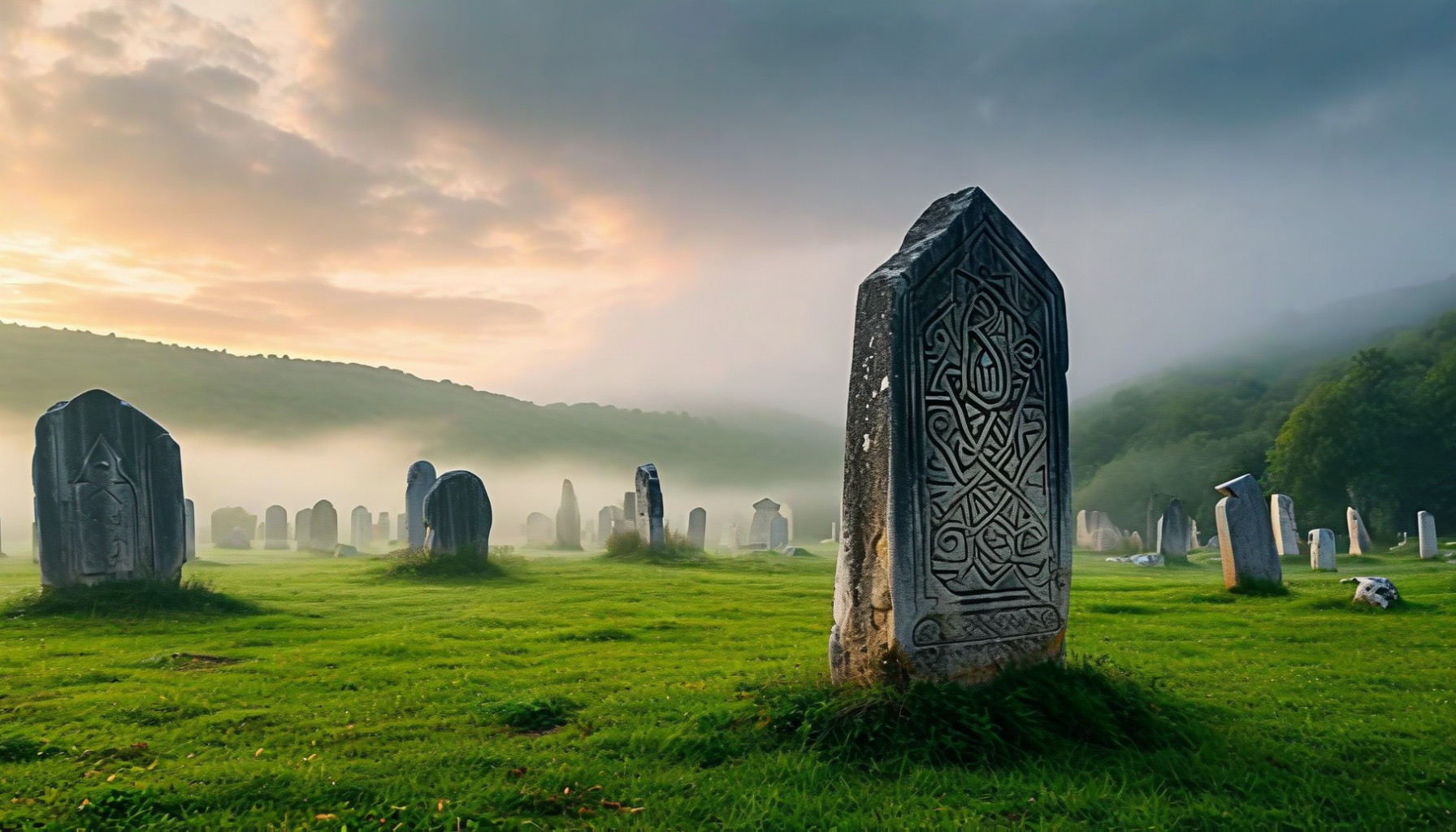
The stećci are large carved limestone tombstones found at over 70,000 sites across Bosnia, Croatia, Montenegro and Serbia, carved between the 12th and 16th centuries. UNESCO inscribed 28 specific necropolises as a transnational serial site, of which 22 are in Bosnia and Herzegovina — the largest concentration. The most famous, Radimlja near Stolac, contains 133 monumental tombstones decorated with crescent moons, suns, vines, hunting scenes, dancing figures, and inscriptions in the Bosnian Cyrillic bosančica script. Their iconography blends Bogomil, Orthodox, Catholic and pagan symbolism, and to this day scholars debate the religion and identity of the people who carved them. They are one of medieval Europe's most enigmatic art forms.
4. Ancient and Primeval Beech Forests of the Carpathians and Other Regions of Europe (Bosnian component inscribed 2021)
Bosnia and Herzegovina joined this vast transnational natural site — spread across eighteen European countries — in July 2021, when the Janj primeval beech forest near Šipovo in Republika Srpska was added. It is a genuine old-growth remnant: trees over 300 years old, beeches topping 40 metres, dead wood left to rot where it falls, and a forest floor that has never been ploughed, planted or commercially logged. Ecologists prize it as a living reference for what European forest looked like before humans reshaped the continent. Access is limited and unmarked, so visit with a guide from Šipovo or Mrkonjić Grad; the drive alone, up the Pliva valley, justifies the detour.
5. Vjetrenica Cave, Ravno (inscribed 2024)
Bosnia’s newest World Heritage Site, added in 2024, is also its strangest. Vjetrenica — the name means “wind cave”, after the fierce draught that blows from its mouth — sits in the Popovo polje karst near Ravno in Herzegovina, about an hour from Trebinje. Roughly 6.7 km of passages have been surveyed, and it is the most biodiverse cave known anywhere on earth: over 200 subterranean species recorded, more than 90 of them found nowhere else on the planet, including the blind cave salamander Proteus anguinus — the “human fish”. Add underground lakes, calcite formations and Pleistocene cave-bear bones and you have a site scientists had wanted listed for a century. The visitor route covers a comfortable, lit stretch; book ahead, bring a jacket (it holds around 11°C year-round), and expect that famous wind at the entrance.
Tentative List (9): Sarajevo, Jajce, Počitelj, Blagaj, Blidinje, Stolac, the Perućica primeval forest, the Jewish Cemetery in Sarajevo and the Martin Brod travertine falls in Una National Park are all queued for future nomination. On UNESCO's Intangible Heritage list Bosnia holds, among others, Zmijanje embroidery (2014), Konjic woodcarving (2017) and the Kupres grass-mowing contest (2020).
🍷 Wine, Spirits & Drinking Culture
Bosnia and Herzegovina's drinking culture reflects its complex identity — split between the Bosniak Muslim tradition of Bosnian coffee (bosanska kafa), the Croatian Catholic tradition of Herzegovinian wine, and the Serbian Orthodox tradition of rakija (fruit brandy). All three coexist, overlap, and are shared across ethnic lines far more than politics would suggest. The coffee ritual, in particular, is universal — Bosniaks, Croats, and Serbs all drink the same strong, ceremonial coffee, regardless of what they call it.
🍇 Herzegovinian Wine — The Žilavka Secret
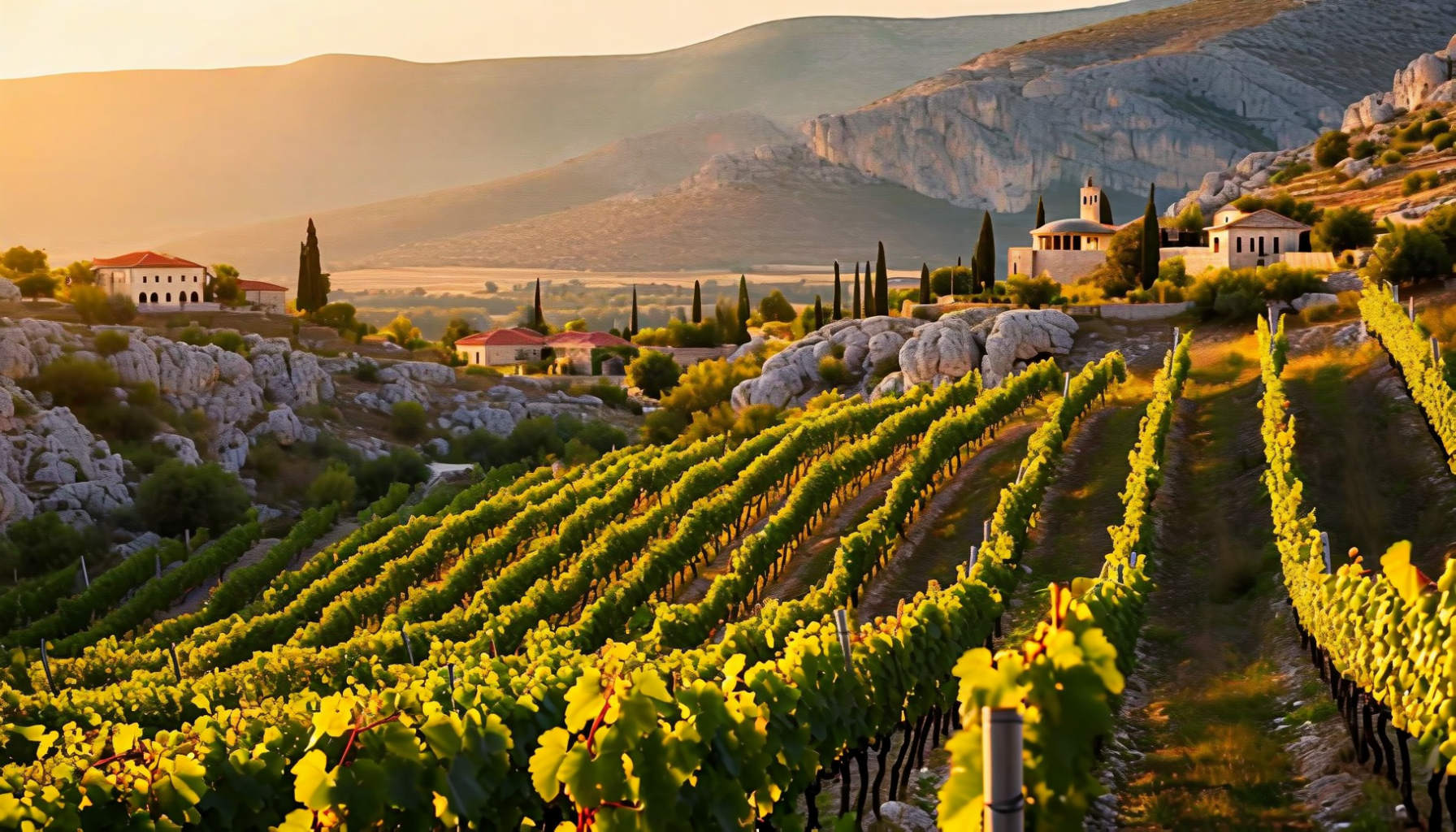
Herzegovina — the sun-baked southern region bordering Croatia — produces genuinely excellent wine that almost nobody outside the Balkans knows about. The indigenous white grape Žilavka ("veiny" — named after the visible veins on its leaves) makes aromatic, full-bodied whites with stone fruit, herbs, and a mineral backbone from the karst limestone soils. Blatina, the indigenous red, is dark, tannic, and earthy — think a Balkan Mourvèdre. The best producers — Čitluk Winery (founded 1957, the country's largest producer, famous for its "stone vineyards" planted straight into karst), Tvrdoš Monastery (Serbian Orthodox monks making wine since the 15th century), and Vinarija Nuić (Ljubuški) — are making wines that compete with Croatian and Slovenian neighbours.
🥃 Rakija — The Balkan Bond
Rakija is the social glue of Bosnian life — plum (šljivovica), grape (lozovača), apple (jabukovača), or pear (kruška) brandy, home-distilled by virtually every family with a garden. The autumn ritual of rakija-making — the cauldron bubbling, the family gathered, the first clear spirit emerging from the copper still — is one of the Balkans' most enduring traditions. No guest enters a Bosnian home without being offered rakija and Turkish delight. No business meeting concludes without it. No feast begins before it.
🍷 Tasting Note Radim Kaufmann
Bosnia's drinking culture contains a quiet miracle: the Bosnian coffee ceremony is identical across all three ethnic communities. The džezva (copper pot), the fildžan (small cup), the sugar cube, the slow ritual — it transcends the divisions that tore the country apart. In a Sarajevo kafana, you can't tell Bosniak from Croat from Serb by what they're drinking. And Herzegovinian Žilavka is one of the Balkans' best-kept wine secrets — aromatic, mineral, food-friendly, and available for $8 a bottle. The monks at Tvrdoš Monastery in Trebinje, making wine amid bullet-scarred walls, embody Bosnia's stubborn persistence through catastrophe.
🏆 Kaufmann Wine Score — Bosnia and Herzegovina
Rated on four criteria: Aroma (/25), Taste (/30), Finish (/20), Value (/25) — Total /100
| Wine | 🔴 Aroma | 🟡 Taste | 🟢 Finish | 🔵 Value | Total |
|---|---|---|---|---|---|
| Tvrdoš Žilavka (Trebinje) | 22 | 26 | 17 | 23 | 88 |
| Vukoje Vranac Reserve | 23 | 27 | 18 | 22 | 90 |
| Čitluk Blatina | 21 | 25 | 16 | 23 | 85 |
| Andrija Žilavka Barrique | 22 | 26 | 17 | 21 | 86 |
| Brkić Žilavka (organic) | 23 | 27 | 18 | 21 | 89 |
95–100 Legendary · 90–94 Outstanding · 85–89 Very Good · 80–84 Good · 75–79 Average · <75 Below Average
🍹 Cocktails & Mixed Drinks
Bosnia's cocktail scene leans heavily on its national spirit, rakija (šljivovica plum brandy), and on the country's wild herbs and stone fruits. Sarajevo's craft bars in Baščaršija reinvent these traditions for a new generation.
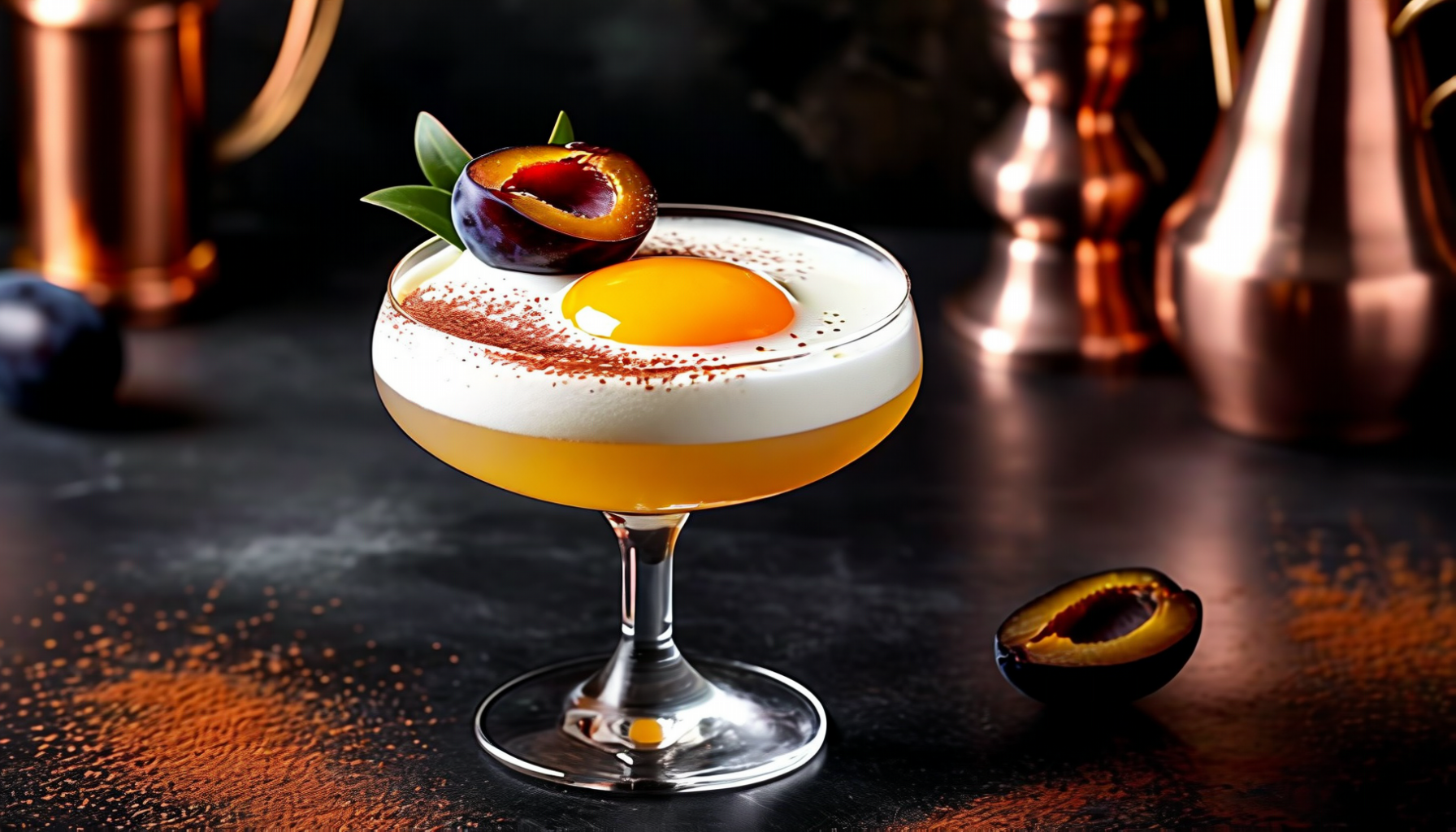
🥃 Sarajevo Sour
Ingredients: 50 ml šljivovica, 25 ml fresh lemon juice, 15 ml honey syrup, 1 dash Angostura bitters, egg white. Method: Dry shake all ingredients without ice for 15 seconds, then shake hard with ice. Double-strain into a chilled coupe. Garnish with a dried plum slice.
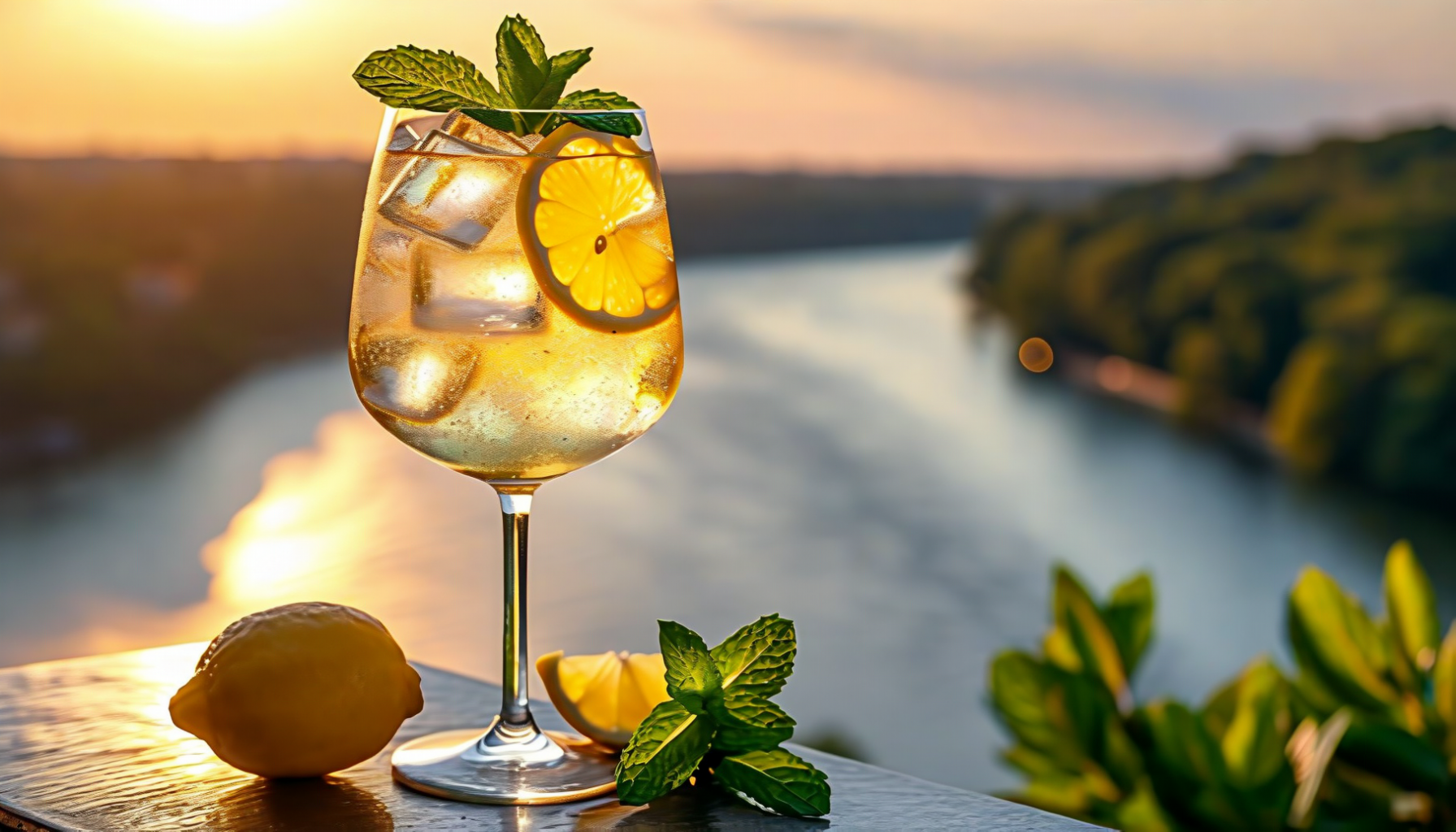
🌿 Neretva Spritz
Ingredients: 75 ml chilled Žilavka wine, 25 ml elderflower liqueur, 50 ml soda water, fresh mint. Method: Build over ice in a wine glass, stir gently, garnish with mint and a lemon twist. The Bosnian answer to Aperol Spritz.
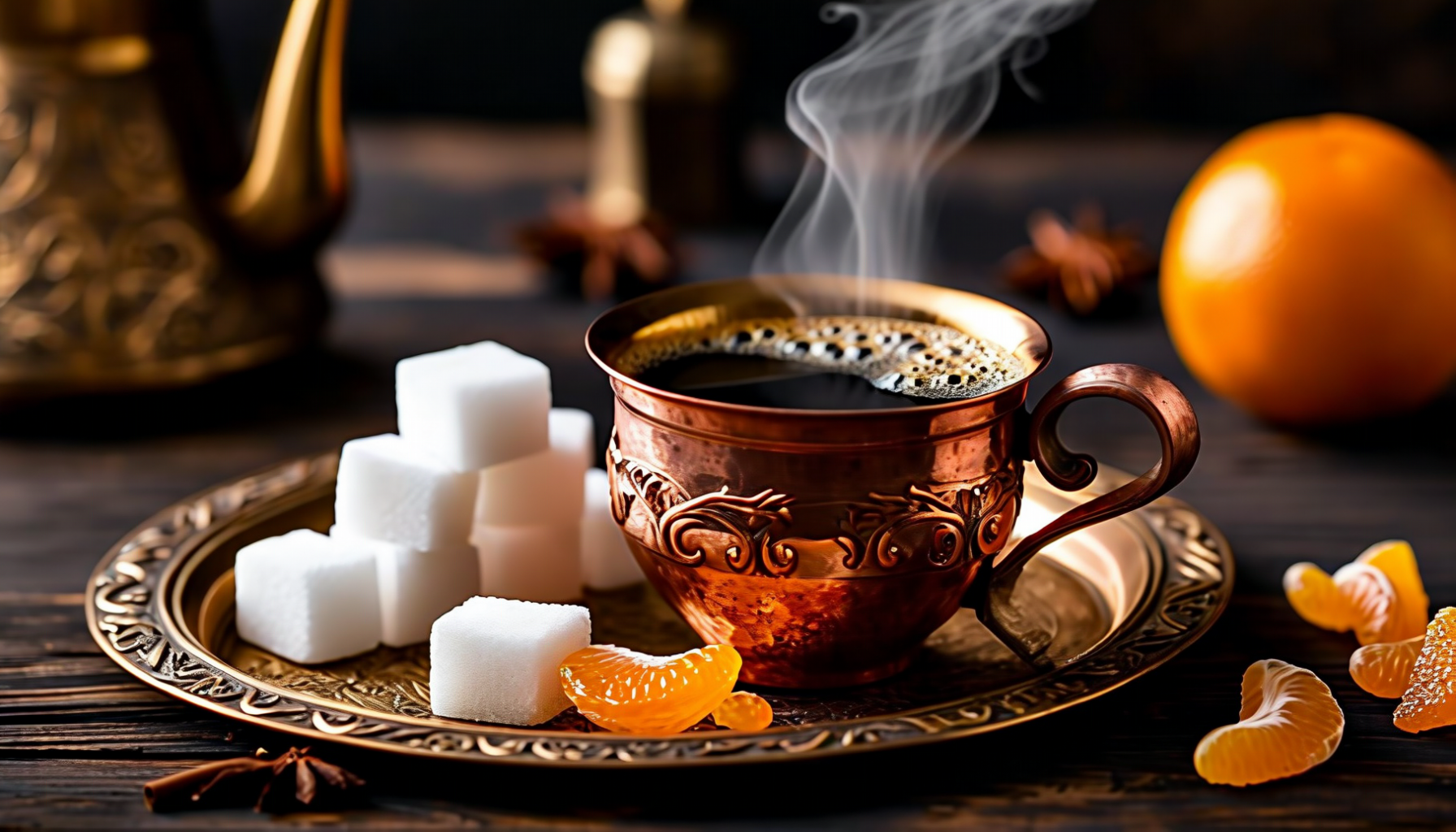
☕ Bosnian Coffee Old Fashioned
Ingredients: 60 ml loza grappa, 10 ml strong Bosnian coffee, 1 sugar cube, 2 dashes orange bitters. Method: Muddle sugar with bitters, add coffee and loza, stir over a large ice cube, express orange peel.
🌡️ Climate & Best Time
Bosnia has continental climate in the north and Mediterranean influences in Herzegovina (south). Sarajevo winters are cold with good skiing nearby; Mostar summers are hot (35°C+).
Best time to visit: May-June and September-October offer ideal conditions. July-August can be very hot in Herzegovina but perfect for rafting. Winter is excellent for skiing at former Olympic venues.
✈️ Getting There
By Air: Sarajevo International Airport (SJJ) is the main gateway, with Turkish, Austrian, Lufthansa, Pegasus, Wizz Air, Ryanair and flydubai among its carriers. Tuzla (TZL) is the low-cost door again: Wizz Air closed its base there in September 2023 but reopened it on 12 December 2025 with routes to Cologne, Hamburg, Maastricht, Malmö and, from March 2026, Berlin, Frankfurt, Gothenburg, Larnaca and Paris. Banja Luka (BNX) is a Ryanair airport; Mostar (OMO) handles a few seasonal and pilgrim flights. Many visitors simply fly to Dubrovnik or Split and drive in.
By Land: Excellent bus connections from Croatia (Dubrovnik, Split, Zagreb), Serbia (Belgrade), and Montenegro. Many travelers combine Bosnia with a Balkan road trip. Since Croatia's Pelješac Bridge opened in July 2022, Croatian coastal traffic no longer has to pass through Neum — but you still cross an external EU/Schengen border with the Entry/Exit System in force, so allow time at Bijača, Doljani and the Neum corridor. Inside the country, the Sarajevo–Konjic–Mostar–Čapljina train (modern Talgo sets, twice daily each way) through the Neretva canyon is the most scenic ride in the Balkans.
Visa: Citizens of US, EU, UK, Canada, and Australia can enter visa-free for 90 days.
🏛️ Government & Politics
Bosnia and Herzegovina has a highly decentralized constitutional structure created by the 1995 Dayton Peace Agreement. The country consists of two entities — the Federation of Bosnia and Herzegovina and Republika Srpska — plus the self-governing Brčko District. State institutions coexist with entity, cantonal and municipal governments, which is why administration can vary considerably from place to place.
The collective head of state is a three-member Presidency: one Bosniak, one Croat and one Serb member. The members elected for the 2022–2026 term are Denis Bećirović, Željko Komšić and Željka Cvijanović. The chair rotates among them; Denis Bećirović assumed the chairmanship on 16 March 2026 for an eight-month period. Executive coordination at state level is carried out by the Council of Ministers, chaired by Borjana Krišto.
The Office of the High Representative remains part of the post-Dayton system. Christian Schmidt concluded his mandate in 2026, and Louis J. Crishock became Acting High Representative on 1 July 2026. Bosnia and Herzegovina is an EU candidate country and continues a reform process linked to eventual accession. General elections are scheduled for 4 October 2026.
For travelers, the constitutional complexity is mostly invisible. There are no internal border controls between the entities, the convertible mark is used nationwide, and the same state entry rules apply throughout the country.
⚠️ Travel Advisory & Safety
🇺🇸 U.S. State Department — Level 2: Exercise Increased Caution
The advisory issued 27 August 2026 cites crime, landmines and terrorism. Recent political unrest has not generally targeted tourists, but visitors should monitor local developments and avoid demonstrations.
UK FCDO advice remained current on 18 September 2026. It highlights border delays connected with implementation of the EU Entry/Exit System and advises travelers to plan extra time when crossing into or out of the Schengen area.
💣 Landmines and unexploded ordnance
Minefields and unexploded ordnance remain the most distinctive physical safety risk. Suspected hazardous areas are often marked, but signage can be incomplete or deteriorated. Stay on paved roads, established paths and other hard-surfaced areas; do not enter abandoned buildings, overgrown fields or unmarked rural tracks. For hiking in remote areas, use current local guidance and, where appropriate, a knowledgeable guide.
👮 Crime and public events
Petty theft and other property crime occur in Sarajevo and other tourist centers, especially in crowded areas and on public transport. Keep valuables secure and maintain normal urban awareness. Political gatherings can form with little notice; avoid demonstrations and follow police instructions.
🚗 Roads, weather and borders
Mountain roads can be narrow and winding, with rockfalls, landslides, fog, snow and ice creating seasonal hazards. Night driving outside major cities requires particular care. Floods and wildfires can disrupt transport at different times of year. Bosnia and Herzegovina is outside the EU and Schengen area, so allow additional time at Croatian and other external EU border crossings, especially while new entry systems are being introduced.
🏥 Practical safety
Police can be reached on 122, fire services on 123 and ambulance services on 124. Medical facilities are best in Sarajevo, Banja Luka and other larger cities; comprehensive travel insurance, including medical evacuation for remote activities, is advisable.
📋 Practical Information
Currency: Convertible Mark (BAM), pegged to the Euro. 1.96 BAM = €1 (fixed peg). Cards accepted in cities; cash essential in villages.
Language: Bosnian, Croatian, and Serbian (essentially one language with three names). English widely spoken by younger generation.
Safety: Bosnia is very safe for travelers. Landmines remain in remote areas off marked paths — stick to paved roads and established trails.
Getting Around: Buses connect major towns. Rental cars offer freedom but mountain roads require confidence. The only train worth planning around is Sarajevo–Mostar–Čapljina; other lines are sparse.
💰 Cost of Living & Budget
Bosnia is one of Europe's most affordable destinations. The local currency is the Convertible Mark (KM/BAM), pegged to the euro at ~1.96 KM = €1. Cards are widely accepted in Sarajevo and Mostar, but cash rules in villages.
Budget traveler: €25–40/day (hostel dorms €10–15, ćevapi lunch €4, public transport, free walking tours). Mid-range: €50–90/day (3-star guesthouse, restaurant dinners with wine, museum tickets, occasional taxi). Comfort: €120–200/day (boutique hotels, private guides, day trips by car). A bottle of decent Žilavka in a restaurant costs €12–18; a glass of rakija €1–2.
🏨 Accommodation
Bosnia's lodging scene punches above its price tag. In Sarajevo, the 1882 Hotel Europe (the Habsburg-era grand dame beside Baščaršija), the Isa-begov Hamam Hotel in a restored Ottoman bathhouse and the boutique Hotel Michele (where Bono and Morgan Freeman have stayed) offer character. Up north, Hotel Kostelski Buk sits on the Una rapids outside Bihać. Hostel Franz Ferdinand is the legendary backpacker hub. In Mostar, Pansion Villa Anri sits steps from the Old Bridge with spectacular Neretva views; Hotel Kriva Ćuprija occupies a 16th-century Ottoman building. For something special, book a stone konak in Blagaj or a mountain lodge near Sutjeska National Park.
🎉 Festivals & Events
Sarajevo Film Festival (August; 32nd edition in 2026) — born during the 1995 siege as an act of defiance, now Southeast Europe's most important film festival, drawing stars like Angelina Jolie, Brad Pitt, and Robert De Niro. Mostar Diving Competition (late July) — divers leap 24 metres from the Stari Most into the icy Neretva, a tradition dating to 1664. Baščaršija Nights (July) — a month of free concerts, theatre, and dance in Sarajevo's old town. Jazz Fest Sarajevo (November), MESS Theatre Festival (October), and Strljanica — the Days of Mowing on Kupres (first week of July), a scythe-mowing contest held on the same meadow since 1687 and inscribed on UNESCO's Intangible Heritage list in 2020, round out the calendar.
💼 Business & Economy
Bosnia and Herzegovina has a diversified small open economy shaped by manufacturing, energy, metals, wood products, tourism, remittances and growing service industries. Sarajevo is the main administrative and financial center, while Banja Luka, Tuzla, Mostar and Zenica are important regional business hubs. The currency is the convertible mark (BAM), which is fixed to the euro through a currency-board arrangement.
🎒 Packing Tips
Bosnia's terrain demands sturdy, broken-in walking shoes — Sarajevo's cobblestones, Mostar's slick limestone bridge, and mountain trails are unforgiving on flimsy soles. Pack layers year-round: even summer evenings in the mountains drop into single digits. A modest scarf is useful for visiting mosques and Orthodox monasteries. Bring a reusable water bottle (tap water is excellent), a power adapter (Type C/F, 230 V), and small denomination KM in cash for villages and family-run cafés. A travel towel helps if you swim at Kravice Falls or the Una River.
🔗 Resources
📚 Recommended Reading
- The Bridge on the Drina — Ivo Andrić (Nobel Prize, 1961) — the definitive Bosnian novel
- Sarajevo Marlboro — Miljenko Jergović — wartime short stories
- Logavina Street — Barbara Demick — life on one Sarajevo street during the siege
- Black Lamb and Grey Falcon — Rebecca West — classic 1940s Balkan travelogue
- The Cellist of Sarajevo — Steven Galloway
▶️ YouTube Videos
- "Bosnia and Herzegovina — Lonely Planet" — official LP overview
- "Sarajevo Walking Tour 4K" — Prowalk Tours
- "Mostar Old Bridge Divers" — BBC Travel Show
- "Inside Lukomir, Bosnia's Highest Village" — DW Documentary
🤯 Fascinating Facts
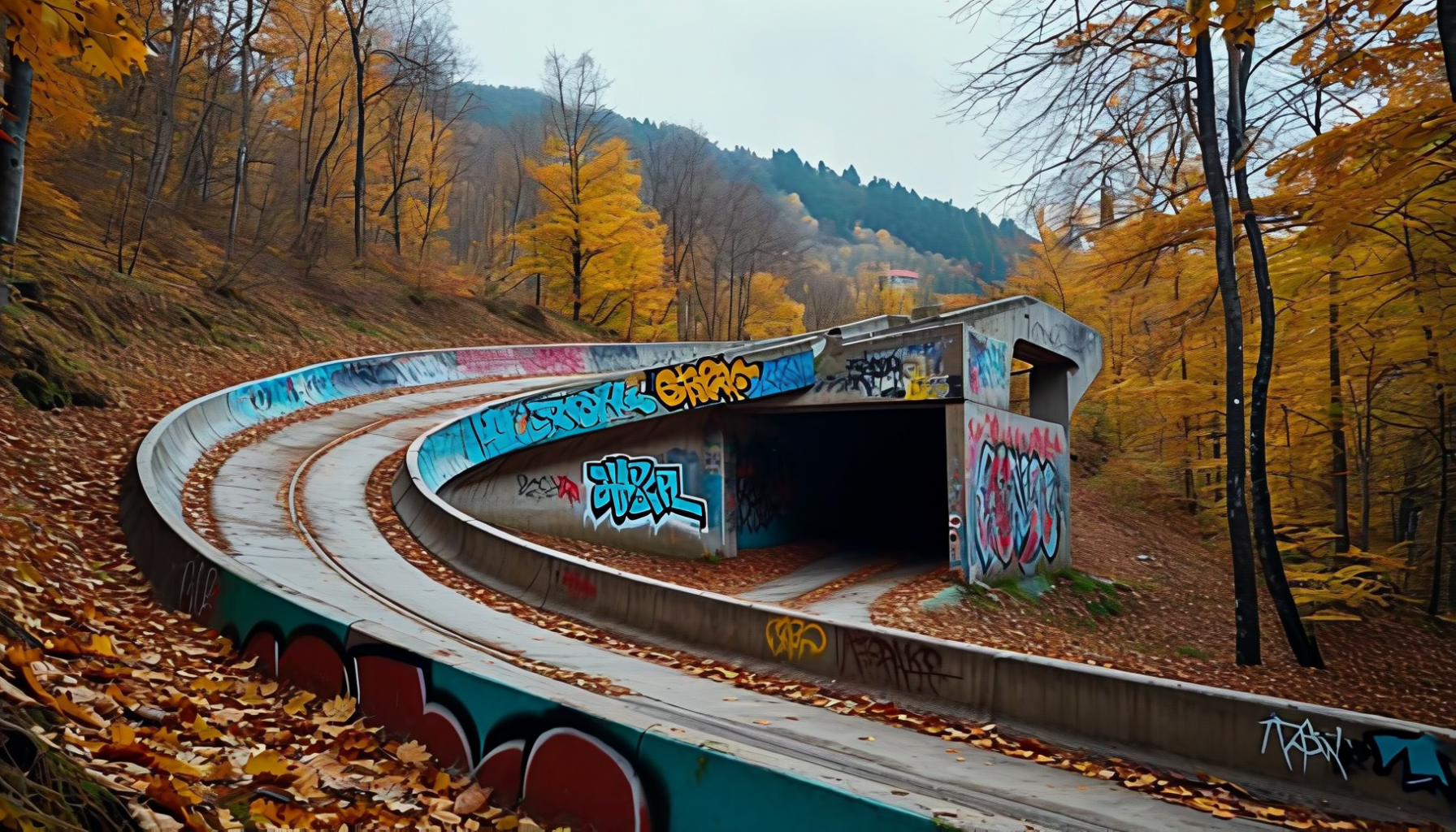
- The 1984 Winter Olympics were held in Sarajevo — the bobsled track on Mt. Trebević is now a graffiti-covered ruin you can walk through.
- Bosnia has only 20 km of coastline at Neum, splitting Croatia's coast in two.
- The Sarajevo Haggadah, a 14th-century illuminated Jewish manuscript, survived both Nazi and Serbian attempts to destroy it — hidden by a Muslim librarian.
- Mostar's Stari Most was destroyed in 1993 and rebuilt stone-by-stone using the original 16th-century quarry; it reopened in 2004.
- The country has THREE official presidents simultaneously — one Bosniak, one Croat, one Serb — rotating every 8 months.
- Bosnia knocked Italy out of the 2026 World Cup on penalties in Zenica — the Azzurri's third straight World Cup miss — with a 40-year-old Edin Džeko as captain.
- Croatia built the 2.4-km Pelješac Bridge (2022) purely to drive around Bosnia's 20 km of coast at Neum.
⭐ Notable People
Ivo Andrić (1892–1975) — Nobel laureate novelist. Emir Kusturica — two-time Palme d'Or winning filmmaker. Edin Džeko — football striker, BiH all-time top scorer. Goran Bregović — composer and former Bijelo Dugme frontman. Jasmila Žbanić — Oscar-nominated director (Quo Vadis, Aida?). Vedran Smailović — the "Cellist of Sarajevo" who played Albinoni's Adagio in bombed-out streets during the siege. Mirza Delibašić — basketball legend. Jusuf Nurkić — NBA centre and national-team anchor. Lana Pudar — butterfly swimmer, world-championship medallist. Aleksandar Hemon — Sarajevo-born novelist (The Lazarus Project, The World and All That It Holds).
⚽ Sports
Football is the national obsession — FK Sarajevo and Željezničar are the historic Sarajevo rivals; their derby is one of the fiercest in the Balkans. The national team made its first World Cup in 2014 (Brazil) and its second in 2026: on 31 March 2026 at Bilino Polje in Zenica the Dragons drew 1–1 with Italy in the play-off final (Haris Tabaković equalising in the 79th minute after Bastoni's red card) and won the shoot-out 4–1, eliminating the four-time champions from a third straight World Cup. In North America they drew 1–1 with Canada (Jovo Lukić), lost 1–4 to Switzerland and beat Qatar 3–1 (Kerim Alajbegović, an own goal and Ermin Mahmić) to advance as one of the best third-placed teams — the country's first-ever World Cup knockout tie — before losing 0–2 to the United States in the Round of 32 in Santa Clara on 1 July 2026. Edin Džeko, 40, captained the side. Basketball runs deep — the Yugoslav era produced Mirza Delibašić, KK Bosna won the 1979 European Cup, and at EuroBasket 2025 Jusuf Nurkić's team beat Greece 80–77 and reached the Round of 16 (lost 72–80 to Poland). Swimmer Lana Pudar (world-championship bronze in the 200 m butterfly, Doha 2024; Paris 2024 semi-finalist) is the country's best Olympic hope. Skiing at Jahorina and Bjelašnica (the 1984 Olympic mountains) is among Europe's best value. Whitewater rafting on the Neretva, Tara and Una rivers is world-class.
📰 Media & Press Freedom
Bosnia and Herzegovina ranks 90th of 180 in RSF's 2026 World Press Freedom Index (score 54, "difficult situation"), down four places from 86th in 2025 and, with Serbia, among the worst in Europe. The media landscape is fractured along ethnic lines: the Federation, Republika Srpska, and Brčko each have their own public broadcasters, and political pressure on journalists is common. Independent outlets like Žurnal, Inforadar, and BIRN BiH do courageous investigative work. English-language news is best followed via Sarajevo Times and Balkan Insight.
📸 Photo Gallery
Click any image to enlarge. Share your Bosnia photos! Send to photos@kaufmann.wtf to be featured.
✍️ Author's Note
Bosnia defies easy categorization—it's where Ottoman East meets Habsburg West, where the scars of recent war coexist with remarkable resilience and warmth. Walking through Sarajevo, you'll drink coffee in bazaars that feel like Istanbul, then turn a corner to find Austro-Hungarian architecture that could be Vienna. This layering of civilizations isn't just historical curiosity; it's lived daily in the food, the faces, the faithful calls to prayer echoing between church bells.
The war of the 1990s left deep wounds, but Bosnians speak of it with remarkable openness. The rebuilt Stari Most in Mostar isn't just a bridge—it's a statement that beauty can be restored, connections remade. Sitting in a Sarajevo café, listening to sevdah music drift through the evening air, you understand why this small country inspires such fierce loyalty in those who know it.
"Where East Meets West"
—Radim Kaufmann, 2026
Support This Project 🌍
This World Travel Factbook is a labor of love – free to use for all travelers. If you find it helpful, consider supporting its continued development.
