🌍 Botswana at a Glance
🌏 Overview
Botswana is one of Africa's greatest success stories—a landlocked nation in southern Africa that transformed from one of the world's poorest countries at independence in 1966 to an upper-middle-income economy through diamond wealth and sound governance. With a land area comparable to France but only 2.6 million inhabitants, Botswana remains one of the most sparsely populated countries on Earth.
The country's commitment to conservation over mass tourism has preserved some of Africa's last great wilderness areas. The Okavango Delta—the world's largest inland delta—floods annually with water from Angola, creating a lush oasis in the heart of the Kalahari Desert. The Chobe National Park hosts Africa's largest elephant population. These pristine ecosystems make Botswana one of the planet's premier safari destinations.
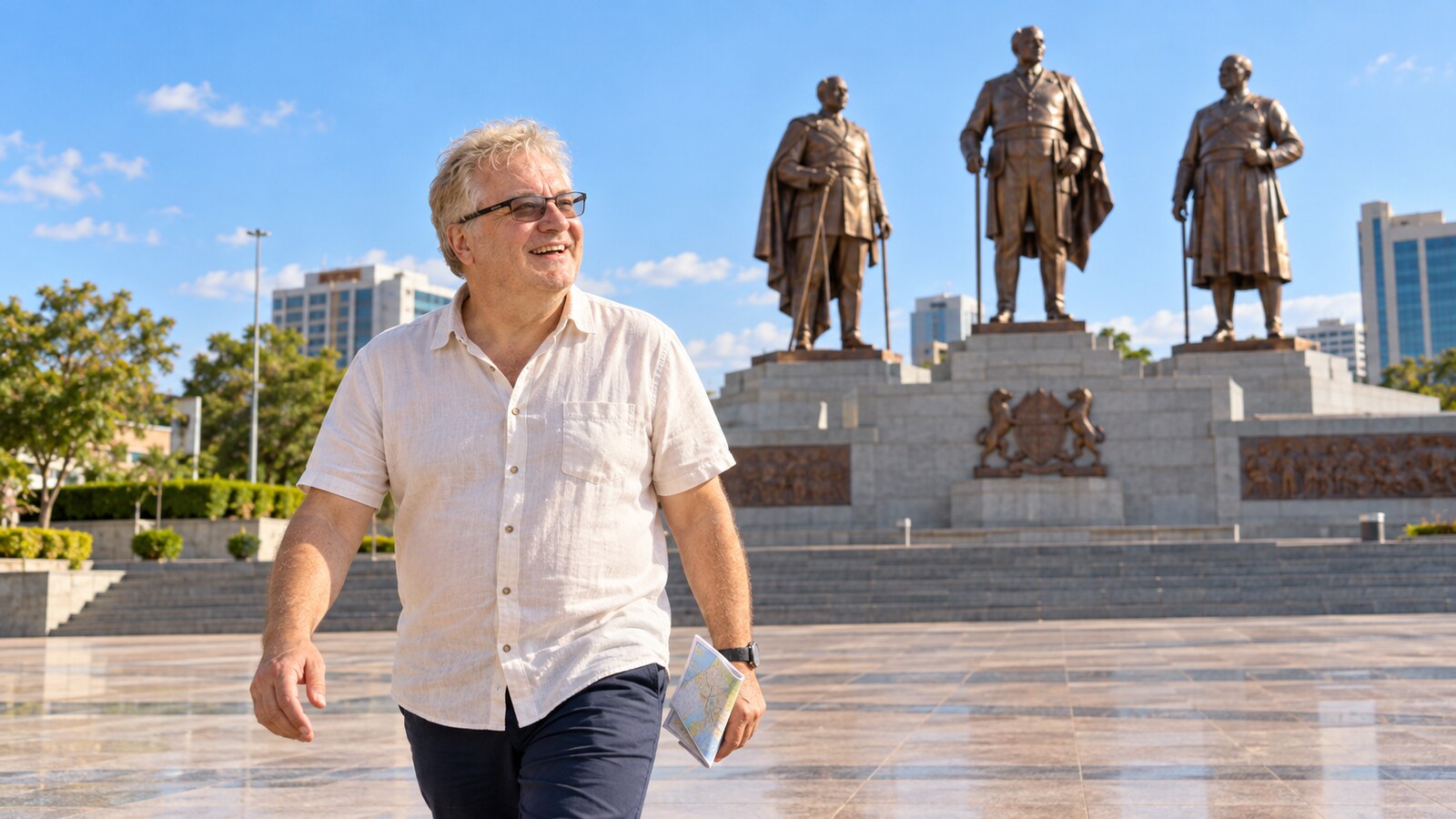
Radim at the Three Dikgosi Monument
Kaufmann Creative AI Studio© — a creative reconstruction, not a documentary record of an actual visit.
🏷️ Name & Identity
The country's name means "land of the Tswana" — Bo- (land of) plus Tswana, the dominant ethnic group. In Setswana the state is Lefatshe la Botswana. The people are Batswana (plural) and a single citizen is a Motswana; the language is Setswana. The distinction matters: "Batswana" is a nationality, not only an ethnicity, and covers Kalanga, Herero, Bakgalagadi, San and everyone else who holds the passport.
Before independence the territory was the British protectorate of Bechuanaland, an Anglicised spelling of the same root. The name changed on 30 September 1966. The currency, the pula, means "rain" — also the national motto, the standard toast, and the word crowds shout at the end of a speech. In a country that is 70% Kalahari, blessing someone with rain is the highest compliment available.
The flag reads the same way: a light-blue field for water and sky, split by a black band bordered in white for racial harmony — and, unmistakably, for the zebra, the national animal, which also appears on the coat of arms holding an elephant tusk and a sorghum head.
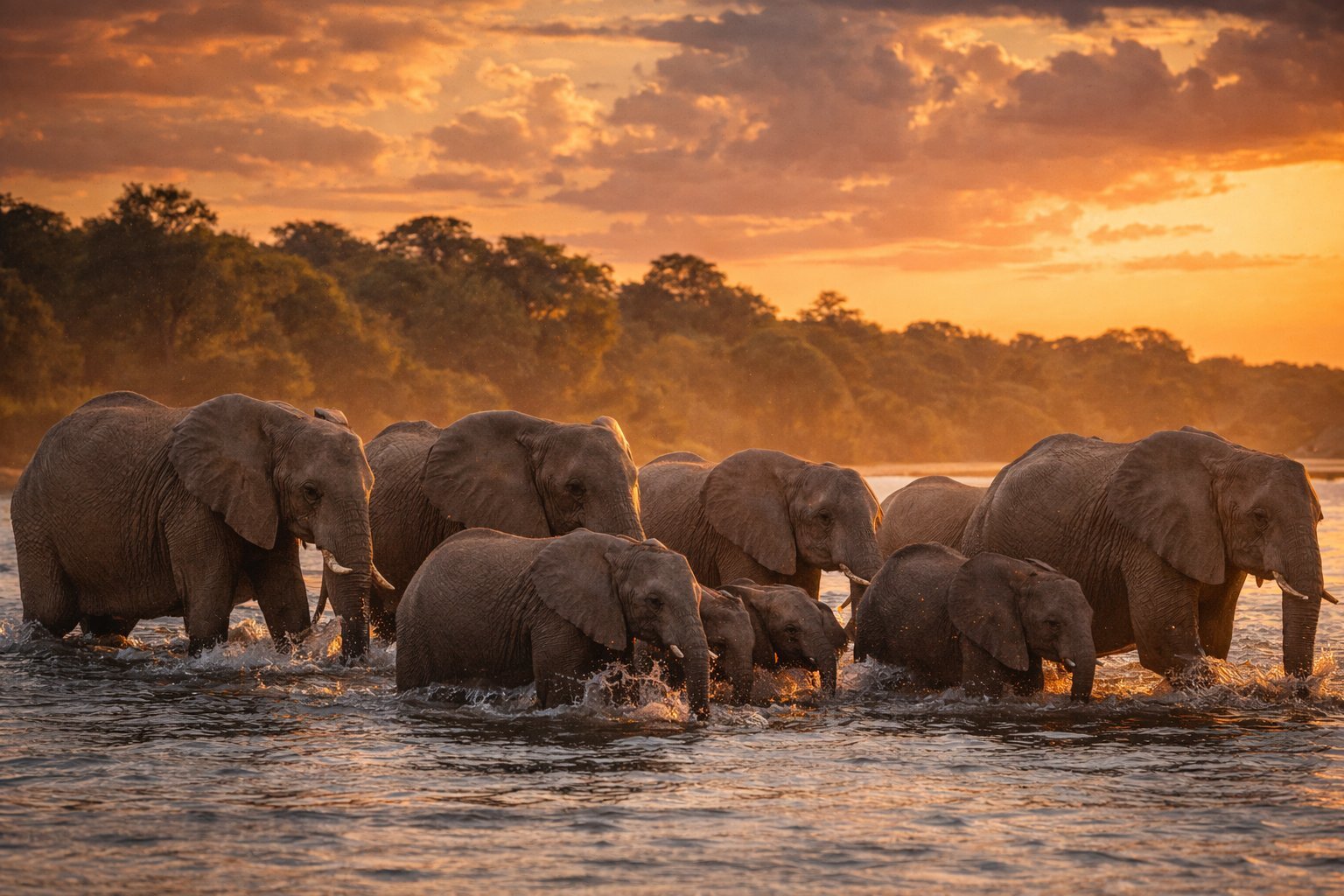
Giants of Chobe
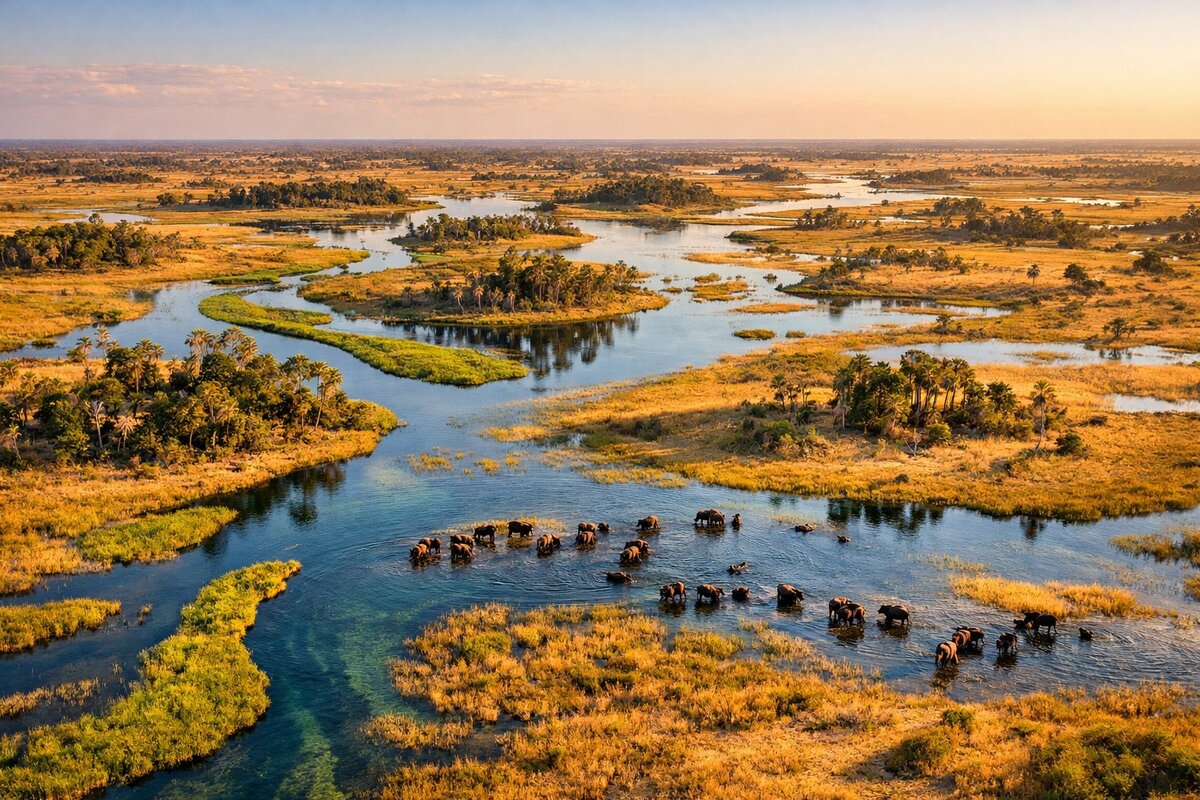
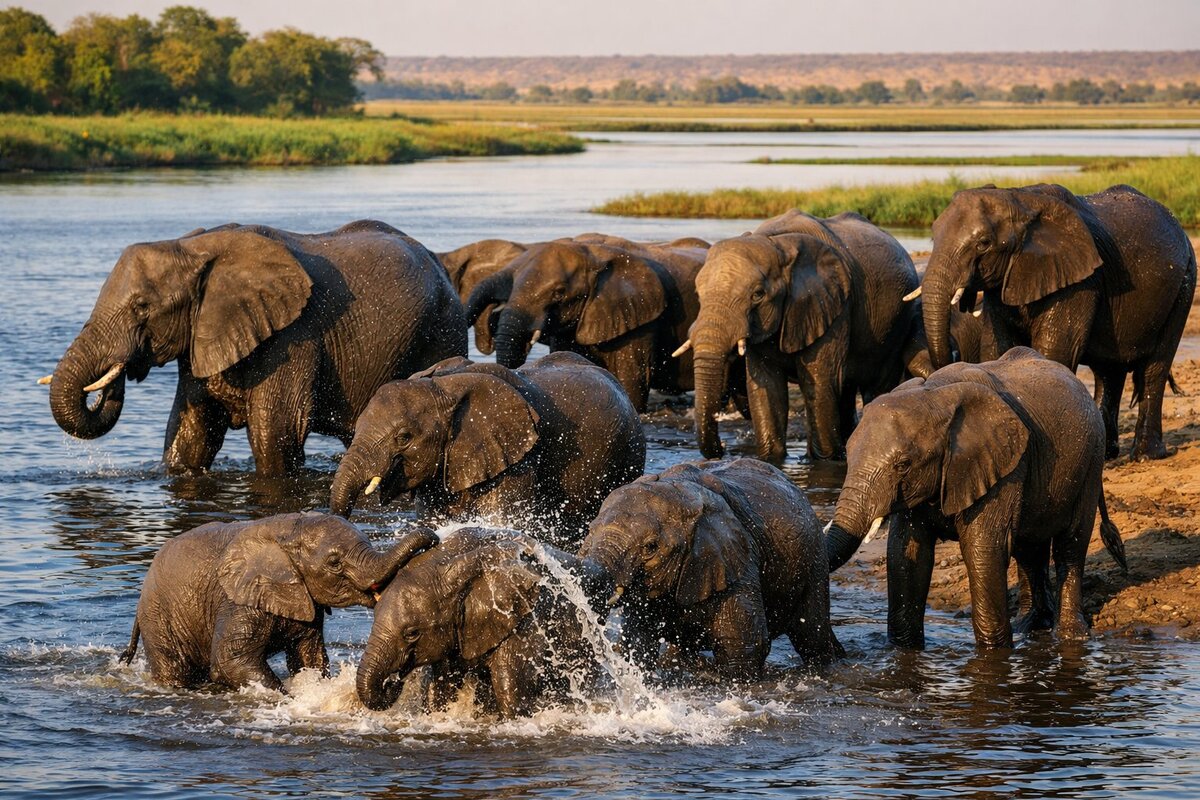
Botswana's roughly 130,000 elephants — the largest population on Earth — crowd the Chobe floodplains in the dry season
🗺️ Geography & Regions
Botswana is dominated by the Kalahari Desert, which covers approximately 70% of the country's surface. Despite the name, much of the Kalahari is not true desert but semi-arid savanna with scattered acacia trees and seasonal grasses. The country is predominantly flat, with a mean altitude of about 1,000 meters above sea level.
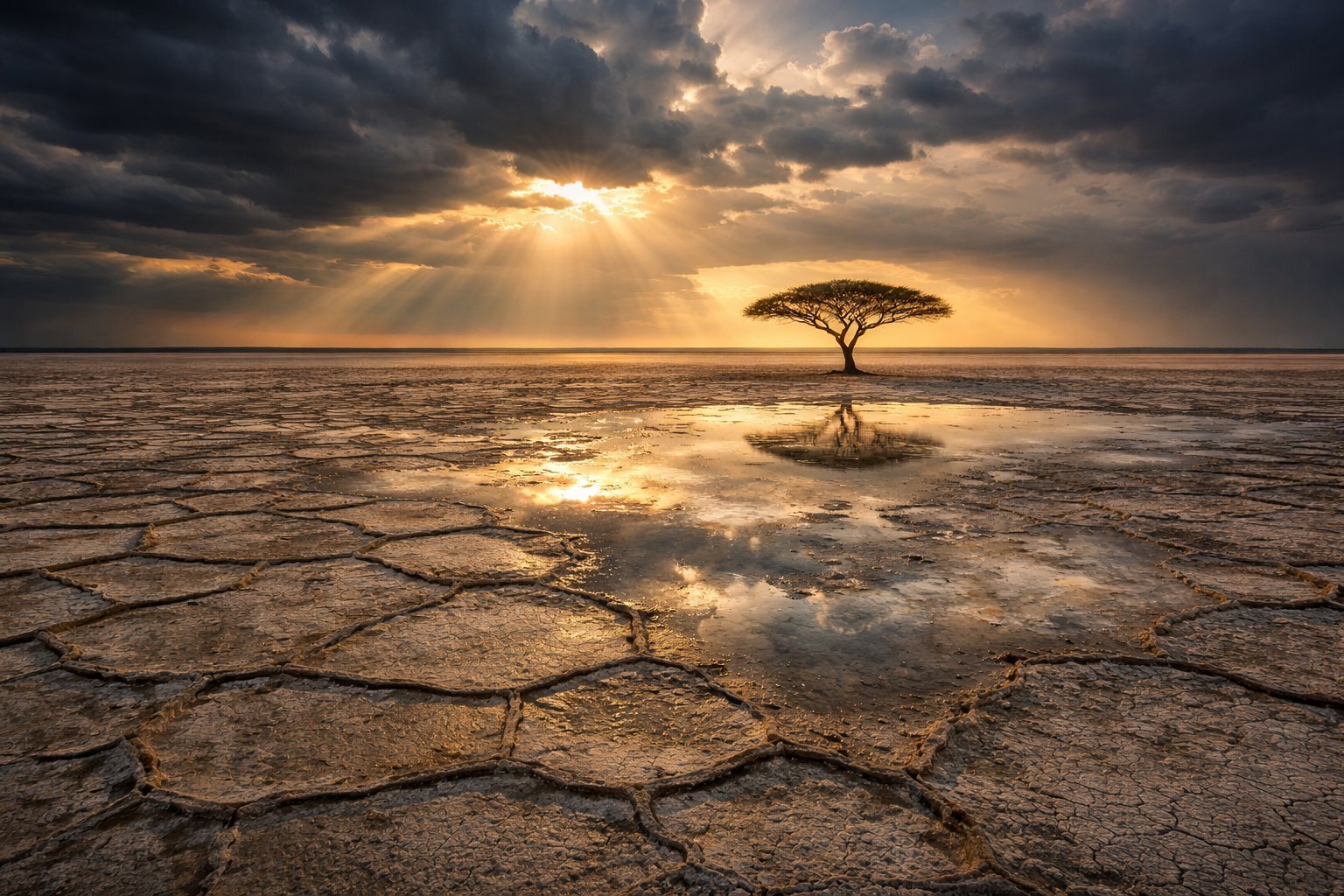
The northern region contains the country's most spectacular landscapes: the Okavango Delta (a UNESCO World Heritage Site), the Makgadikgadi Pans (ancient salt flats that are remnants of a vast prehistoric lake), and the Chobe River system along the border with Namibia. The capital Gaborone lies in the southeastern corner, near the South African border.
🗺️ Map
Gaborone, Francistown, Maun, Kasane and Serowe; the Okavango Delta, Moremi, Chobe, Savuti, Linyanti, Makgadikgadi, Nxai Pan, Nata, the Central Kalahari, Tsodilo Hills and Gcwihaba; the diamond towns of Jwaneng and Orapa; the Tuli Block, Khama Rhino Sanctuary, D'Kar and the Kazungula bridge are marked. Scroll-zoom is off — use the +/− buttons.
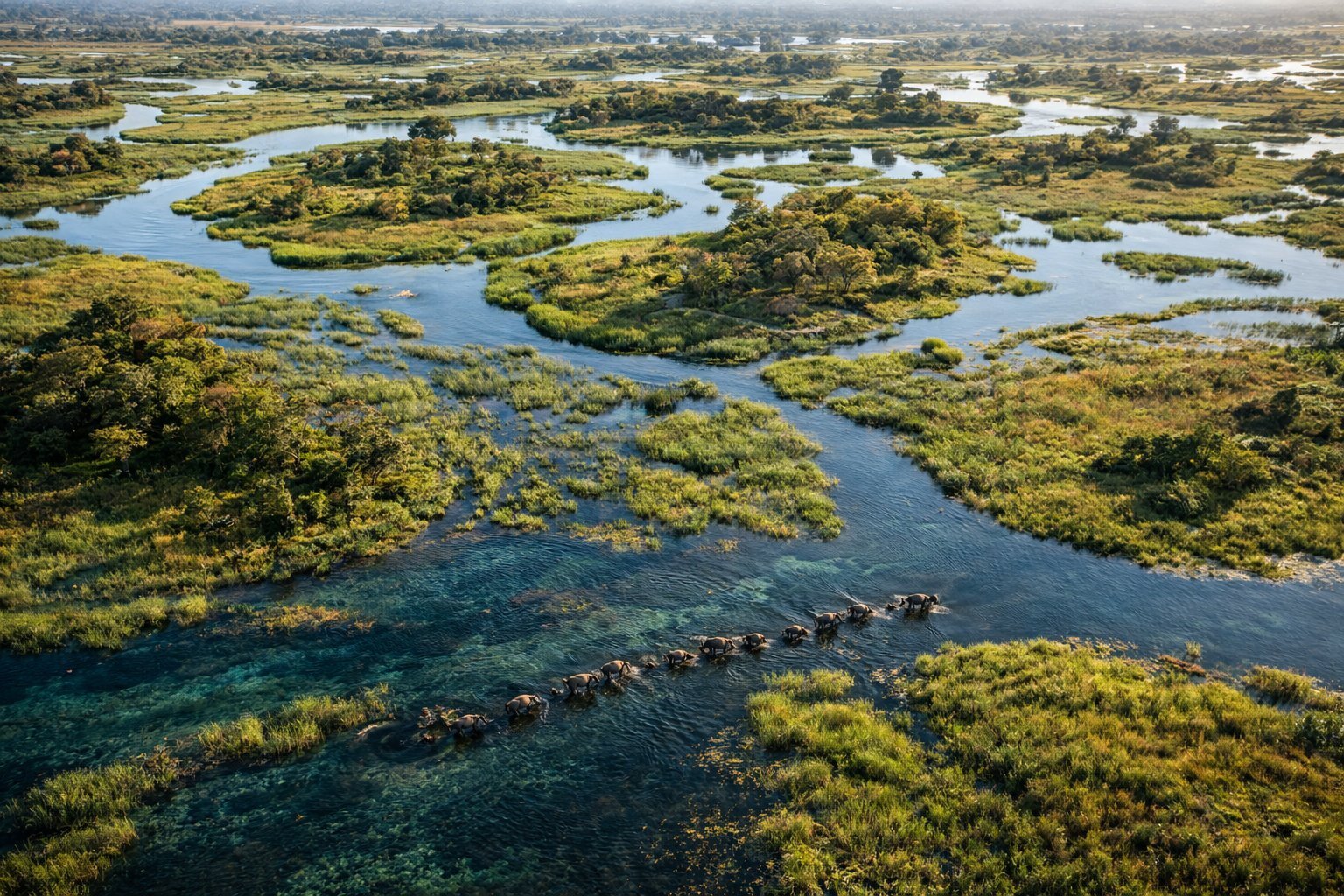
The Okavango Delta
World's largest inland delta — 15,000 km² of channels, lagoons, and islands teeming with wildlife
📜 History
Bantu-speaking farmers had reached the region by around AD 600; the Tswana chiefdoms that give the country its name took shape between the 13th and 17th centuries. The San (Bushmen), the area's original inhabitants, have lived here for over 20,000 years and still maintain traditional communities in the Kalahari. In 1885, Britain declared the territory a protectorate called Bechuanaland, primarily to prevent expansion by German South West Africa and the Boer republics.
Botswana gained independence on September 30, 1966, under President Seretse Khama. The discovery of diamonds at Orapa in 1967—just one year after independence—transformed the nation. Unlike many resource-rich African countries, Botswana invested its diamond wealth in education, healthcare, and infrastructure. In November 2024, Duma Boko became the first president not from the Botswana Democratic Party, marking a historic democratic transition. His first two years were defined by a diamond slump that shrank the economy in 2024 and 2025, the deadly Gaborone floods of February 2025, and a public-health emergency declared on 25 August 2025 over hospital medicine shortages.
👥 People & Culture
Around 2.6 million people occupy a country the size of France, giving Botswana one of the lowest population densities on Earth — roughly 4.5 people per square kilometre — and more than three-quarters of them live in towns strung along the eastern corridor from Gaborone to Francistown. The Tswana-speaking majority is joined by Kalanga in the north-east, Herero around Ghanzi and Maun, Bakgalagadi in the desert, and the San (Basarwa), southern Africa's first inhabitants, whose relationship with the state — particularly over resettlement out of the Central Kalahari Game Reserve — remains the country's most contested human-rights question.
English is the official language of government and business; Setswana is the national language and what you will actually hear. Learn dumela rra / dumela mma (hello sir / madam) and use them before every single transaction — skipping the greeting is genuinely rude here. Roughly four-fifths of Botswana identifies as Christian, usually layered over older Tswana belief in Modimo and ancestral intercession.
The word the page cannot leave out is HIV. Botswana carries one of the world's heaviest burdens — roughly one adult in five lives with the virus — and one of its most successful responses: by the end of 2024 it had met all three UNAIDS 95-95-95 targets, and in May 2025 it became the first high-burden country anywhere to earn WHO gold-tier status for eliminating mother-to-child transmission. The 2025 US aid cuts, which had funded about a third of the programme, are why the subject is back on the front pages.
The organising idea of public life is botho — the Setswana cousin of ubuntu: personhood realised through community. Its institutional form is the kgotla, the village assembly ground where a chief hears anyone who stands up to speak, and where consensus, not a vote, ends the discussion. Modern Botswana still routes national consultations through kgotla meetings, which is a large part of why the 2024 handover of power happened without a raised voice.
Culturally, look for setapa and borankana dance, the polyphonic singing of the Kuru festival, Bakalanga hosana rites, basketry from the Okavango panhandle woven from mokola palm and dyed with bark — the finest in Africa, and priced accordingly — and the near-universal national sport of the funeral-weekend road trip home to the village.
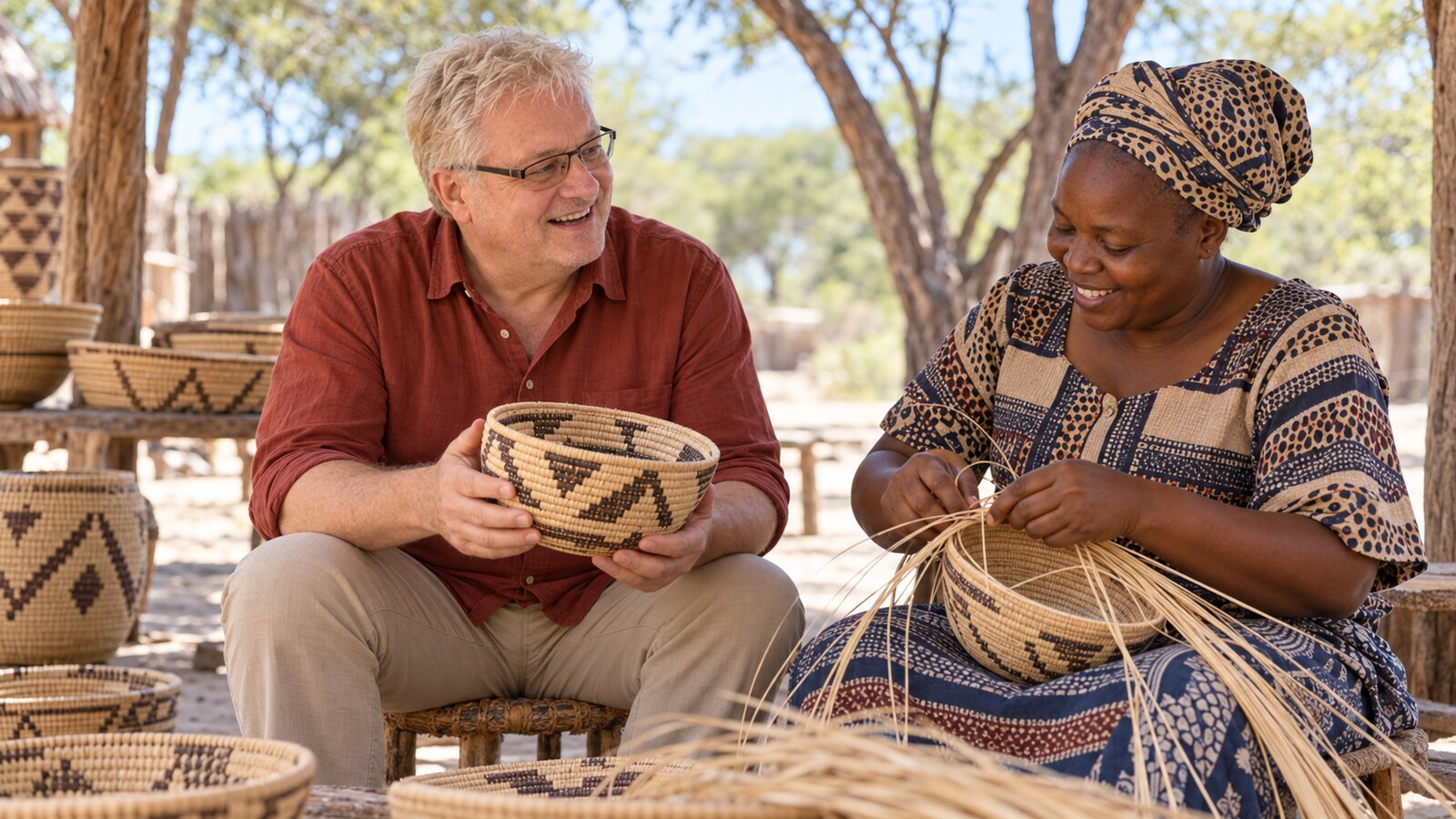
Basket weaving near Maun
Radim learns about Botswana's mokola-palm basket tradition. Kaufmann Creative AI Studio© — a creative reconstruction, not a documentary record of an actual visit.
🌊 Okavango Delta
The Okavango Delta is one of Earth's most remarkable ecosystems—a vast inland delta where the Okavango River fans out into the Kalahari sands, creating 15,000 km² of channels, lagoons, and islands. Unlike most rivers that flow to the sea, the Okavango's waters simply evaporate and seep into the desert, supporting an extraordinary concentration of wildlife.
The annual flood arrives from Angola between June and August—during Botswana's dry winter—transforming the landscape and drawing massive herds of elephants, buffalo, zebra, and their predators. Exploring by mokoro (traditional dugout canoe) through papyrus-lined channels while hippos grunt nearby is an unforgettable experience.
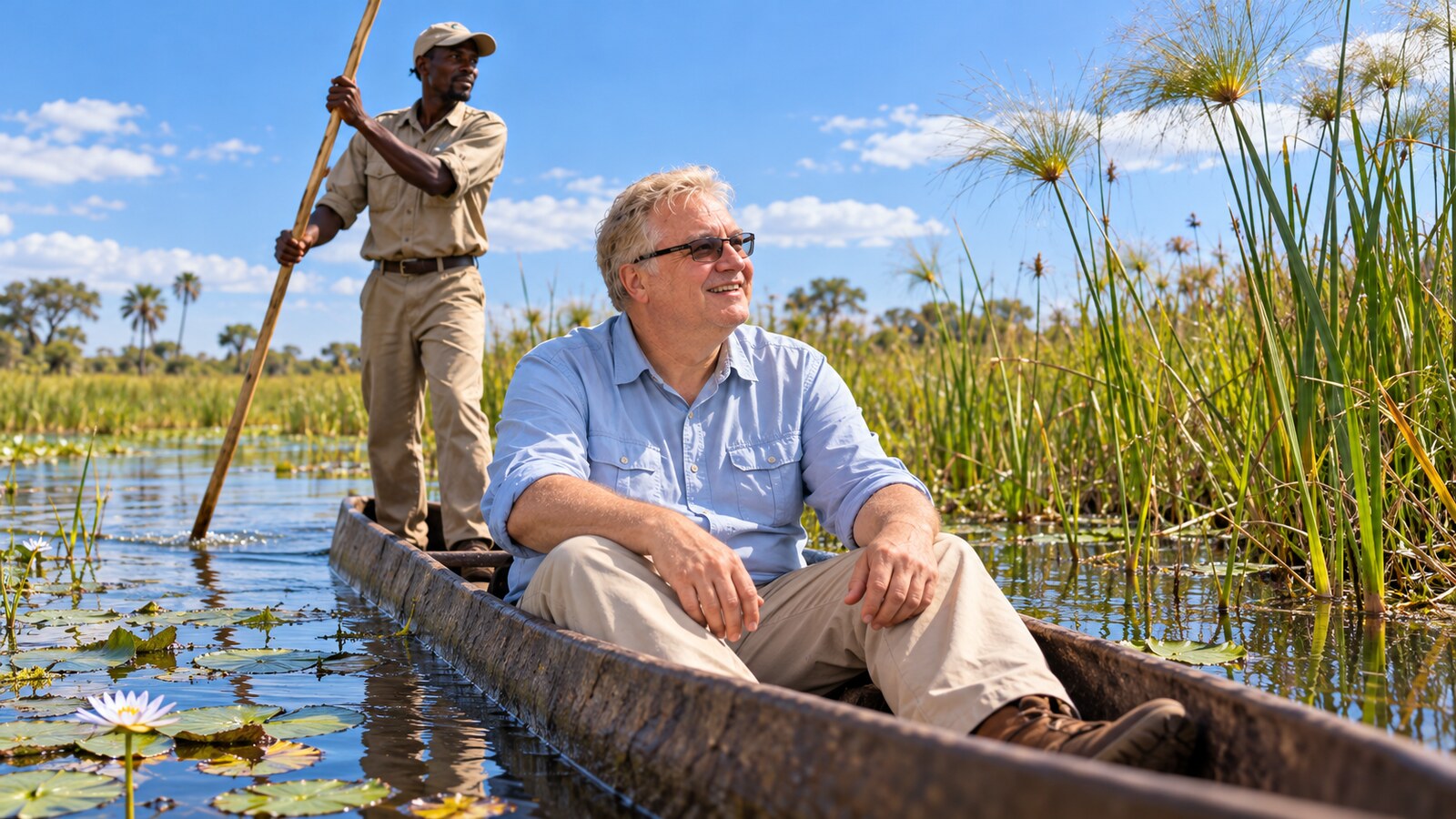
By mokoro through the Okavango
Radim follows a quiet delta channel with a local professional poler. Kaufmann Creative AI Studio© — a creative reconstruction, not a documentary record of an actual visit.
🐘 Chobe National Park
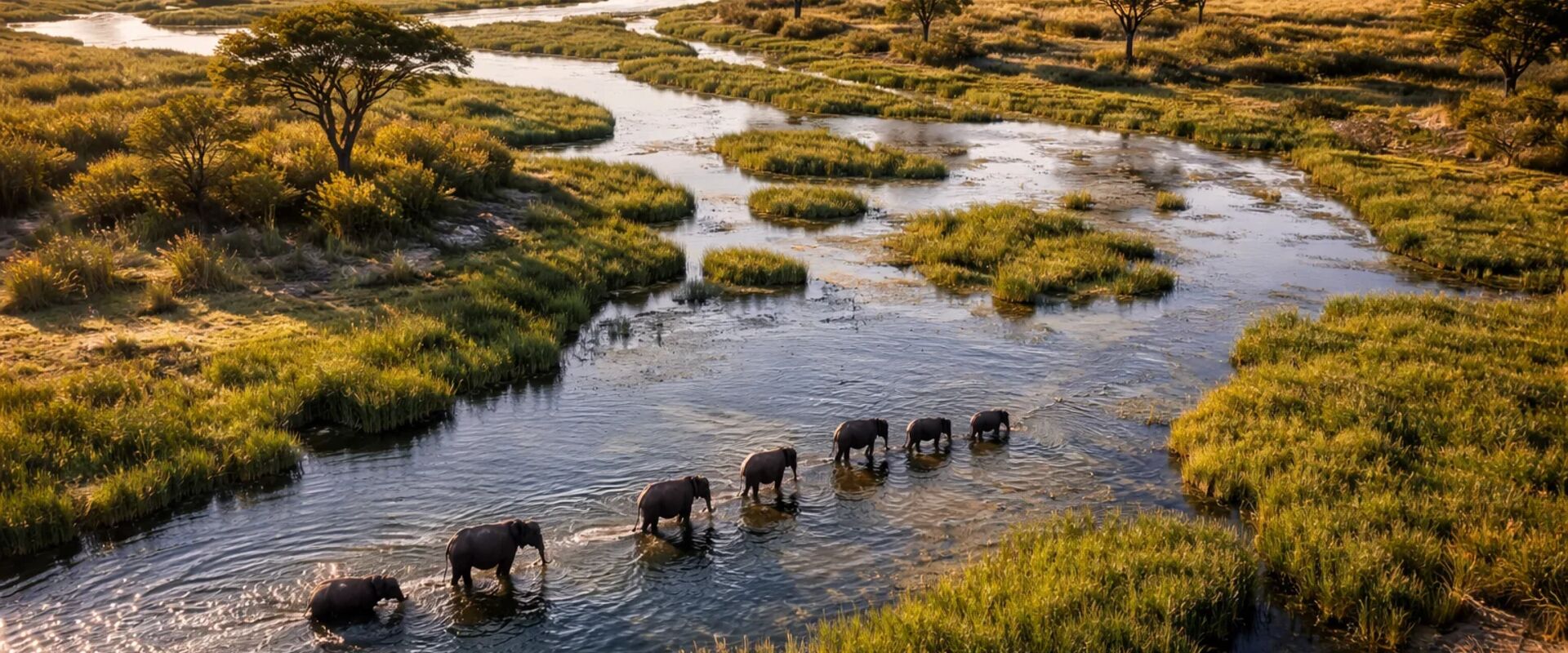
Chobe National Park encompasses 11,700 km² and is the heart of a northern-Botswana elephant population of roughly 130,000 — the largest on Earth — with the densest concentrations anywhere in Africa along the river in the dry season. The park's four distinct ecosystems include the Chobe Riverfront (famous for elephant herds and sunset boat cruises), the Savuti Marsh (known for its lion prides), and the Linyanti Swamps.
The Chobe River forms the border with Namibia and attracts enormous congregations of wildlife, especially during the dry season (May-October). Sunset cruises offer spectacular views of elephants swimming across the river, hippos surfacing, and African fish eagles calling from the riverine forest.
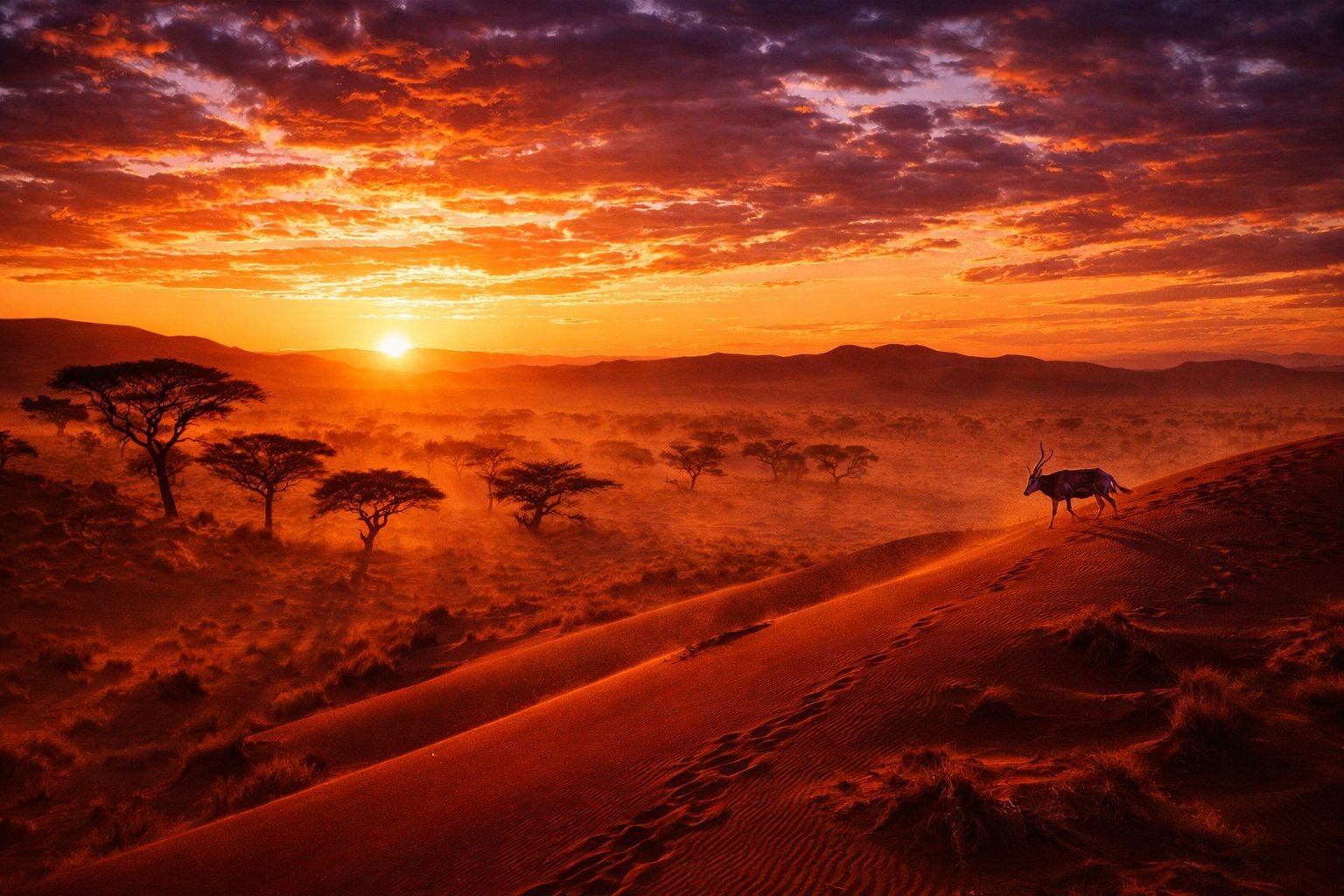
Kalahari Sunset
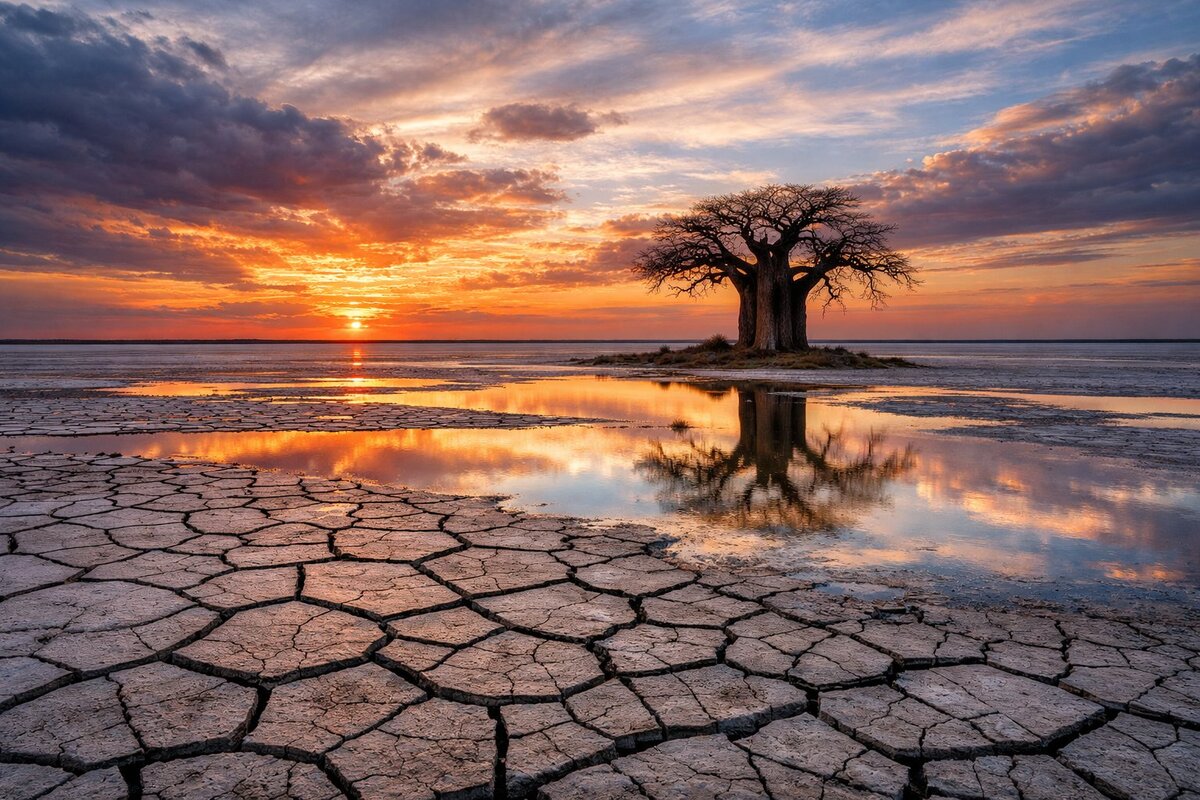
The great thirstland — 70% of Botswana is covered by the Kalahari's red sands
🏜️ Kalahari Desert
The Kalahari is not a true desert but a vast semi-arid savanna of red sand, scrubland, and grasslands. The Central Kalahari Game Reserve—one of the world's largest protected areas at 52,800 km²—was originally created to protect the traditional territory of the San (Bushmen) people.
The San have inhabited this region for over 20,000 years, developing extraordinary tracking skills and survival knowledge. Today, some San communities offer cultural experiences where visitors can learn ancient skills: tracking animals, identifying medicinal plants, making fire, and understanding the Kalahari's subtle ecosystems.
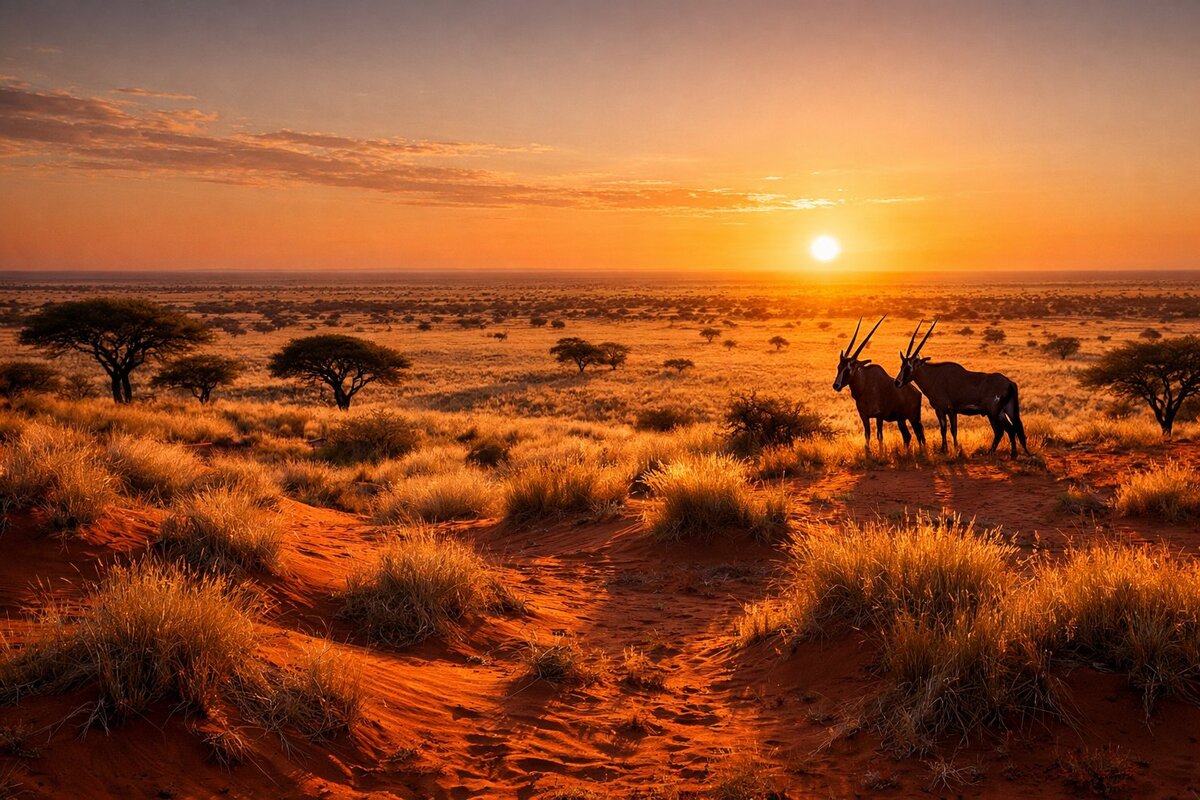
Central Kalahari
52,800 km² of grass, red sand and Deception Valley — one of the largest protected areas on Earth
🦁 Wildlife
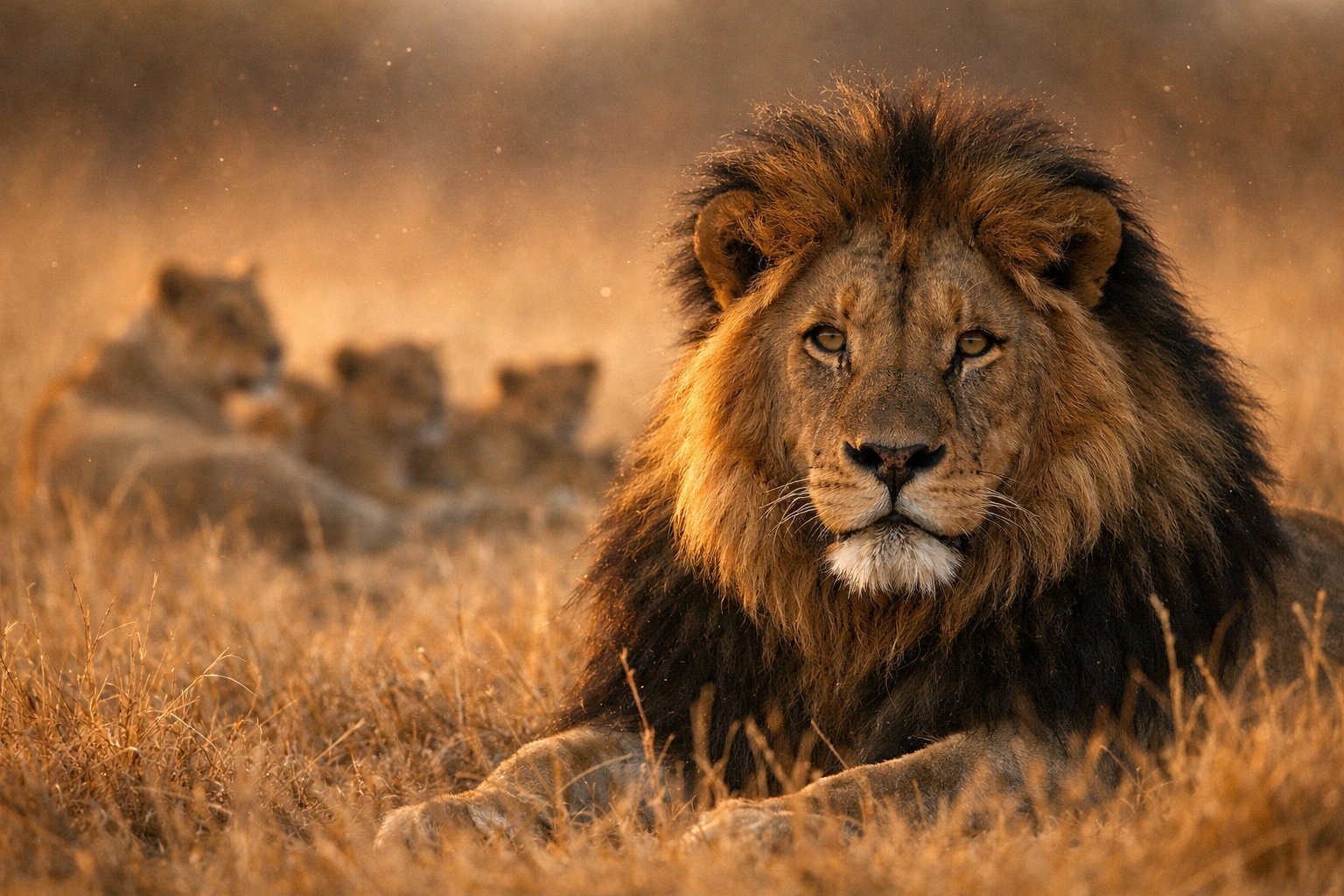
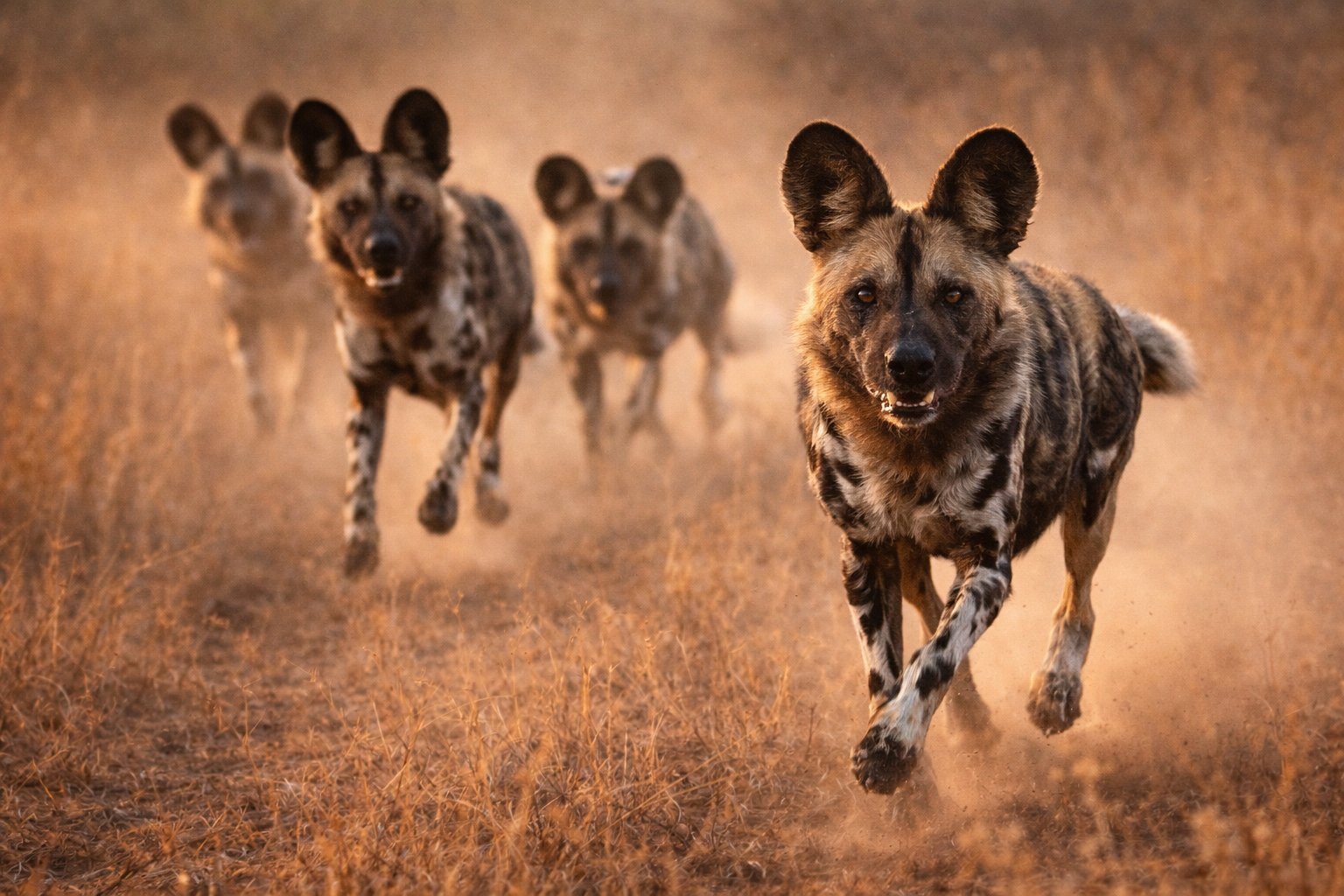
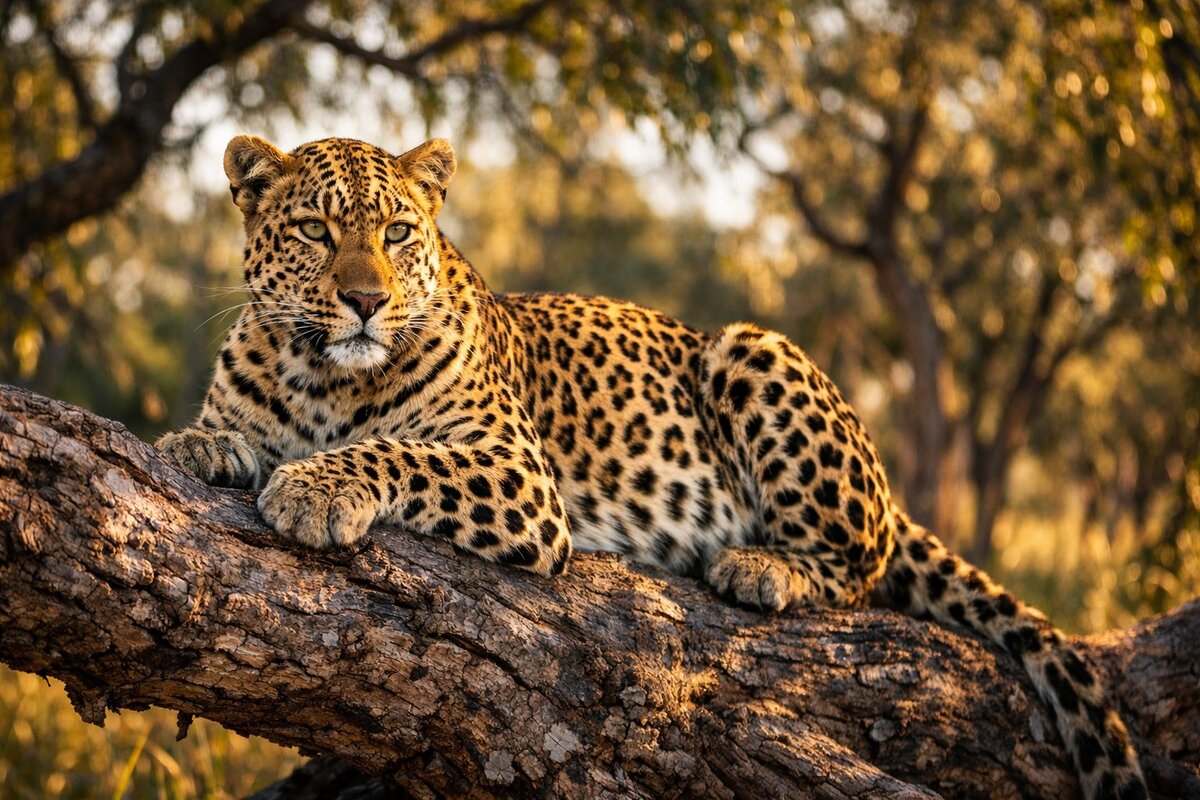
Botswana is home to some of Africa's most abundant and diverse wildlife populations. The Big Five (lion, leopard, elephant, buffalo, rhino) are all present, along with wild dogs, cheetahs, hyenas, hippos, crocodiles, and over 500 bird species including the iconic African fish eagle and lilac-breasted roller.
The country's low-volume, high-value tourism model has kept visitor numbers manageable, ensuring genuine wilderness experiences. Unlike crowded reserves elsewhere, Botswana offers exclusive encounters: your safari vehicle may be the only one watching a lion pride at a kill, or tracking wild dogs across the savanna.
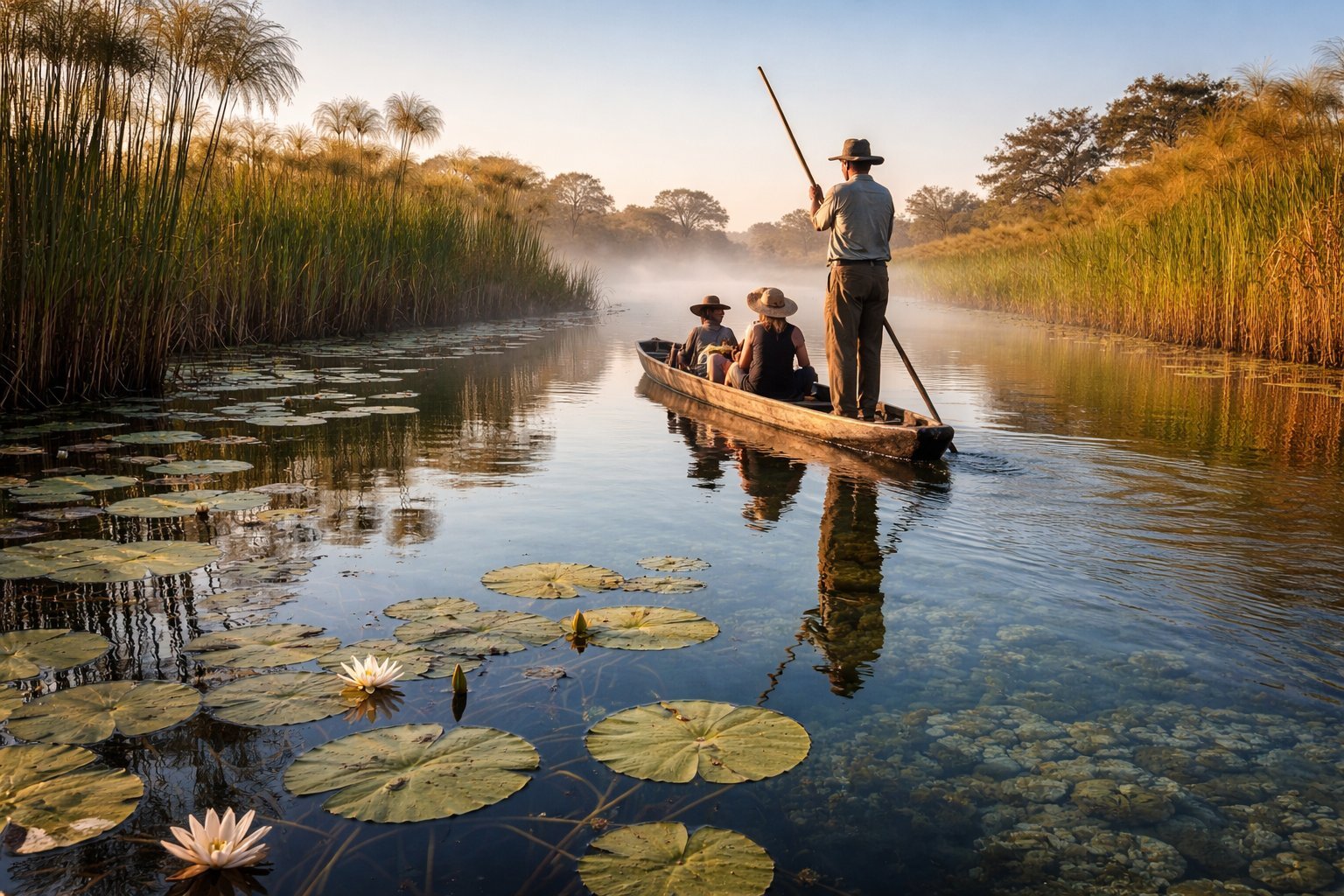
Mokoro Safari
Traditional dugout canoes glide silently through the Okavango's crystal channels
🍜 Cuisine
Seswaa
Pounded Beef
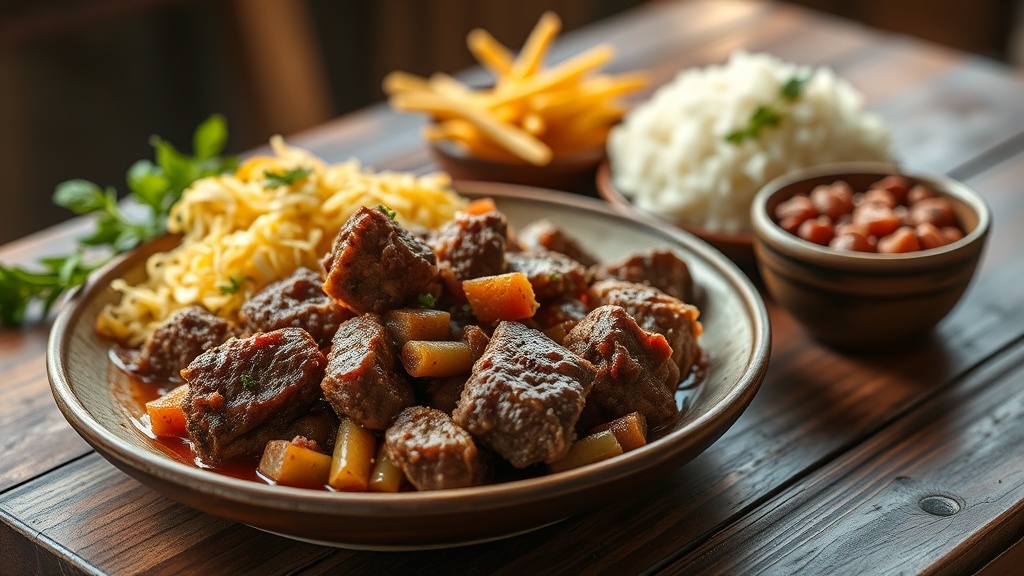
Slow-cooked beef pounded to shreds—Botswana's national dish. This recipe serves two.
Ingredients: 500g beef (with bone), 1 onion, Salt, Water.
Preparation: Boil beef with onion until very tender. After that, remove meat, shred finely. Pound with wooden spoon. Then season with salt. Add some cooking liquid. Last, serve with pap.
💡 The pounding is essential—shreds should be very fine.
Bogobe
Sorghum Porridge
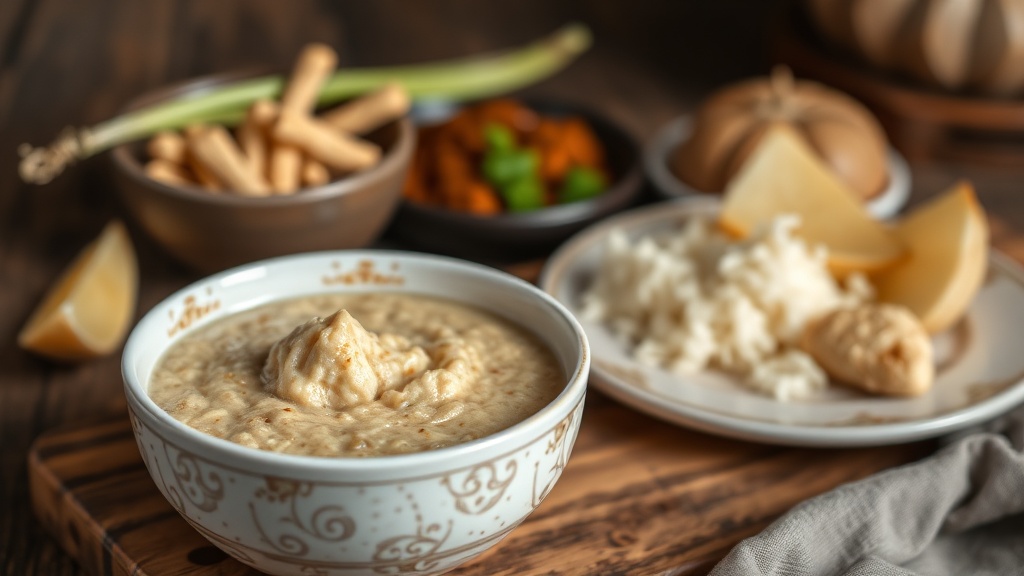
Thick sorghum porridge—the daily staple of Botswana. This recipe serves two.
Ingredients: 240ml sorghum flour, 480ml water, Sour milk or buttermilk, Salt.
Preparation: Mix flour with cold water. After that, pour into boiling water, stirring. Cook until very thick. Then traditionally fermented overnight. Serve with milk and sugar. Or alongside seswaa.
💡 For authentic taste, let porridge ferment slightly overnight.
Morogo
Wild Spinach
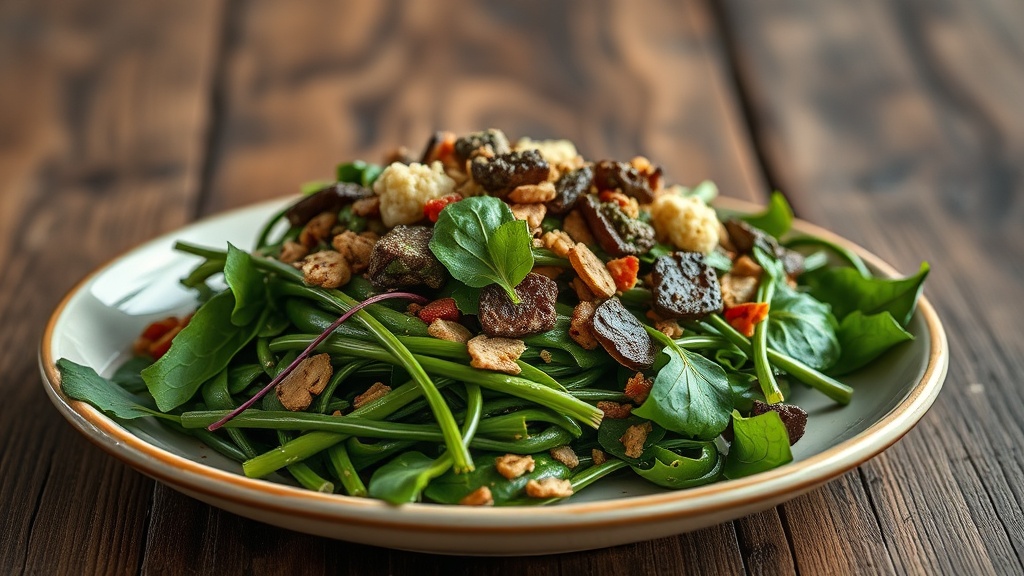
Foraged leafy greens cooked with tomato and onion. This recipe serves two.
Ingredients: Large bunch wild spinach or regular spinach, 1 tomato, diced, 1 onion, sliced, Oil, Salt.
Preparation: Wash greens thoroughly. Then sauté onion until soft. Add tomato, cook down. Add greens, cover. Then cook until wilted and tender. Last, season and serve.
💡 Wild morogo has more flavor—regular spinach works too.
🍷 Wine, Spirits & Drinking Culture
Botswana doesn't produce wine or spirits commercially, but the country has a vibrant traditional beer culture and one of Africa's most famous lagers. St. Louis Lager and Castle Lite (brewed by Kgalagadi Breweries, part of AB InBev since it swallowed SABMiller in 2016) dominate the commercial market, but the real drinking culture lives in the villages.
🍺 Chibuku — Africa's Opaque Beer
Chibuku (or "shake-shake") is southern Africa's legendary opaque sorghum beer — thick, gritty, sour, pinkish-brown, and still actively fermenting in its distinctive cardboard carton. You shake it vigorously before drinking (hence the nickname), and the flavour is an acquired taste: tangy, slightly effervescent, with a porridge-like texture. It's cheap (about 5 Pula / $0.40), massively popular, and deeply democratic — the beer of the working class, the farmers, the miners. Chibuku is the great social equaliser of southern Africa.
Bojalwa — home-brewed sorghum beer — is the traditional version, prepared by women for community gatherings, weddings, and harvest celebrations. The brewing process takes 3-5 days and the result is thicker and sourer than commercial Chibuku. Khadi is neither palm wine nor distilled: it is a rural fruit brew fermented for two or three days from sun-dried moretlwa berries (Grewia flava) and brown sugar, back-slopped with the previous batch's fruit as a starter. Home production is universal in the villages; selling it without a licence is not legal, which has never stopped anyone.
🍸 Cocktails & Mixed Drinks
Botswana has no cocktail canon of its own — what it has is sundowner culture, imported from the safari trade and perfected on the bonnet of a Land Cruiser at the exact minute the light goes gold. These four are what actually gets poured, from delta camps to Gaborone braais.
Rock Shandy
The national non-alcoholic default
Ingredients: 150ml lemonade (Sprite or similar), 150ml soda water, 4–6 dashes Angostura bitters, ice, lemon slice.
Preparation: Fill a tall glass with ice. Pour lemonade and soda in equal parts. Shake the bitters over the top until the drink turns dusty pink. Stir once, garnish with lemon.
💡 Order this at 11am on a game drive and nobody will judge you. Add a shot of gin and it becomes a "rock shandy with legs."
Marula Sundowner
Cream of the elephant tree
Ingredients: 50ml marula cream liqueur (Amarula), 25ml dark rum, 15ml espresso or strong coffee, ice, grated nutmeg.
Preparation: Shake liqueur, rum and coffee hard over ice for 10 seconds. Strain into a rocks glass over one large cube. Grate nutmeg across the surface.
💡 The marula fruit ripens across the Botswana bushveld in February–March; elephants really do seek the fallen fruit, though the "drunk elephant" story is a myth.
Delta Mule
Camp-bar staple, Okavango edition
Ingredients: 50ml gin, 15ml lime juice, 120ml ginger beer, 2 slices fresh ginger, mint sprig, ice.
Preparation: Muddle the ginger slices in the bottom of a tumbler. Add ice, gin and lime, top with ginger beer, stir gently and crown with mint.
💡 Southern African craft gins built on Kalahari botanicals — devil's claw, wild sage, buchu — work far better here than a London dry.
Chibuku Shandy
For the brave, at the village bottle store
Ingredients: 250ml Chibuku ("shake-shake") sorghum beer, 100ml lemonade, ice, pinch of salt.
Preparation: Shake the carton hard — the sediment is the drink. Pour into a mug, cut with lemonade to soften the sourness, add a pinch of salt and drink immediately, while it is still fermenting.
💡 Never keep an opened carton overnight; it goes on fermenting and gets both stronger and considerably worse.
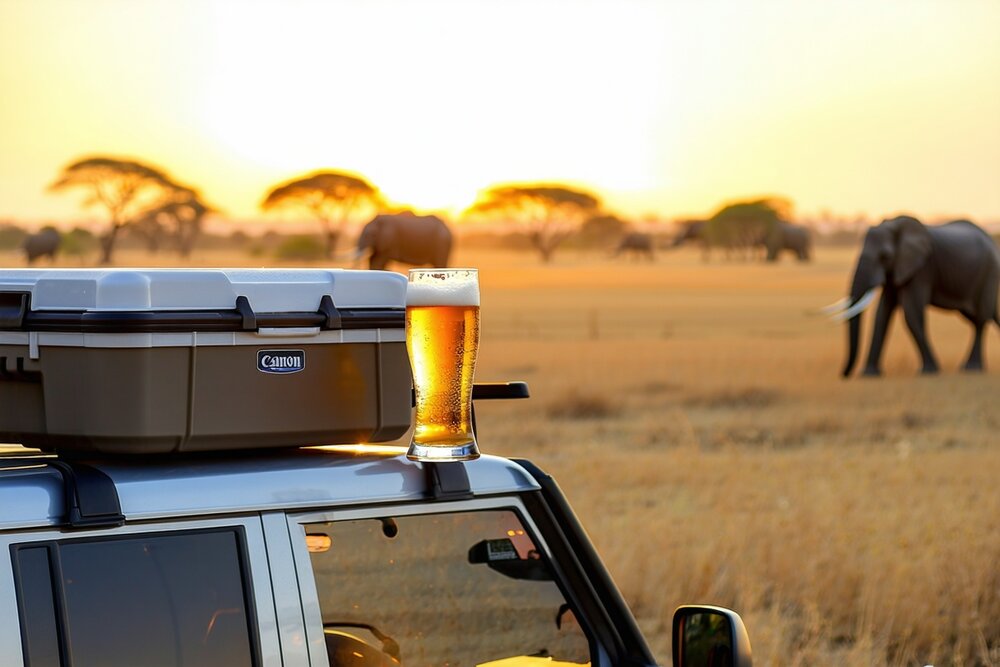
Sundowner Hour
The one ritual every camp in Botswana shares — a drink on the bonnet as the light goes gold
🌡️ Climate
Botswana has a semi-arid subtropical climate with two distinct seasons. The dry winter (May–October) brings warm days (20–28°C), cold nights (occasionally below freezing in the Kalahari), and the best wildlife viewing as animals concentrate around shrinking water sources. The wet summer (November–April) is hot (30–38°C) with dramatic afternoon thunderstorms, lush green landscapes, migratory birds, and lower lodge prices.
Annual rainfall averages just 250mm in the southwest Kalahari and 650mm in the northeast. Drought is a recurring concern, and climate change is intensifying both dry spells and storm events. The wet season can also turn deadly: in February 2025 record rain — 114 mm in 24 hours at Point Drift — overflowed the Segoditshane River through Gaborone and pushed Gaborone Dam past 105% of capacity, killing nine people, six of them children, and displacing more than 2,300.
✈️ Getting There
Most international visitors arrive at Sir Seretse Khama International Airport (GBE) in Gaborone, with regional connections via Johannesburg, Cape Town, Nairobi, and Addis Ababa. Safari travelers usually fly into Maun (MUB)—the gateway to the Okavango Delta—or Kasane (BBK) for Chobe National Park. Light aircraft transfers (5–12 seater Cessnas) are the standard way to reach remote bush camps.
Overland entry from South Africa, Namibia, Zimbabwe, and Zambia is straightforward; the Kazungula Bridge connects Botswana to Zambia across the Zambezi.
✈️ Practical Information
Etiquette: Greet before anything else (dumela rra / dumela mma), shake with the right hand while the left touches your forearm, and ask before photographing people; photographing the airport, military sites and the State House is prohibited.
Best Time to Visit: The dry season (May-October) offers the best wildlife viewing as animals concentrate around water sources. The green season (November-April) brings dramatic thunderstorms, migratory birds, and lower prices.
Costs: Botswana is Africa's most expensive safari destination by design. Park fees (P270 ≈ US$20 per person per day plus a vehicle fee — a rise to P500 planned for April 2026 was postponed) and exclusive camps (US$500-2,000/night) limit visitor numbers. Budget travelers can self-drive and camp for significantly less.
Currency: The Botswana Pula (BWP). US dollars are widely accepted at safari lodges and for tips. ATMs are available in all major towns; cards work in cities but not in the bush.
Visa: U.S., UK, EU, Canadian, Australian and most Commonwealth passport holders enter visa-free for up to 90 days within any 12-month period. Botswana operates no ETA or pre-travel authorisation as of 2026. Your passport must be valid for at least six months with two blank pages. The much-quoted US$30 Tourism Development Levy was introduced in June 2017 and then withdrawn in December 2017 — it is not currently collected, despite many third-party sites still listing it. Park fees, however, are real and payable in advance to DWNP.
🏛️ Government & Politics
Botswana is a parliamentary republic in which the president is elected by the National Assembly rather than directly by voters. On 30 October 2024 the country did something it had never done in 58 years of independence: it voted the ruling party out. The Umbrella for Democratic Change (UDC) took a landslide, the Botswana Democratic Party — in power continuously since 1966 — fell to fourth place, and outgoing president Mokgweetsi Masisi conceded within a day.
Duma Boko, a Harvard-trained human-rights lawyer who had spent three decades in opposition, was sworn in as the sixth president on 1 November 2024. Ndaba Gaolathe serves as vice-president and minister of finance. Parliament seats 61 directly elected members, up to six specially elected members, the Speaker and the Attorney-General; the Ntlo ya Dikgosi (House of Chiefs) advises on customary and tribal matters without a veto. The next general election is due in 2029.
The government's central problem is a diamond economy under pressure. Rough-diamond prices have slumped against lab-grown competition, stockpiles have swollen, and stones still supply roughly three-quarters of export earnings, about a third of government revenue and a fifth to a quarter of GDP. Debswana cut output from about 25 million carats in 2023 to roughly 15 million in 2025; the economy contracted in both 2024 (about −3%) and 2025; Moody's (October 2025) and S&P (March 2026, to BBB-) both downgraded the sovereign; and the 2026/27 budget Gaolathe tabled in February 2026 runs a deficit of P26.4 billion, 8.9% of GDP, with growth pencilled in at 3.1%. Boko has responded with an anti-corruption drive, tourism and rare-earth diversification, and courtship of Gulf capital — a US$12 billion investment framework signed with Qatar's Al Mansour Holdings in 2025, and visa exemptions for Omanis in August 2026. Two structural wins are already booked: a new ten-year sales agreement with De Beers (signed 25 February 2025) lifts the share of Debswana rough sold by the state's own Okavango Diamond Company from 25% toward 50%, and the Mines and Minerals Act amendment in force from 1 October 2025 obliges new mines to offer a 24% stake to local investors.
The defining commercial question of 2026 is De Beers. Anglo American, which holds 85%, has selected a preferred buyer — the Global Diamond Consortium, led by former De Beers chief executive Gareth Penny — in a sale valuing the business around US$1 billion (about US$750 million up front and US$250 million deferred), a fraction of the US$17.6 billion it was worth in 2001. Botswana owns the other 15% and holds a right of first refusal; Gaborone has said it may exercise that right alone, alongside the consortium, or with third-party partners, and has been talking to the UAE and Oman. The transaction is expected to close late in 2026 and requires Botswana's consent either way. For a traveller none of this changes the itinerary — but it explains why every conversation in Gaborone eventually turns to diamonds.
⚠️ Travel Advisory & Safety
🇺🇸 U.S. State Department — Level 2: Exercise Increased Caution (issued 17 June 2026)
Latest U.S. Department of State advisory →
Botswana carries a Level 2 advisory due to crime. It is one of Africa's safest and most stable countries — no coup, no civil war, no insurgency since independence — but property crime is real and rising in the cities.
What the advisory actually flags: crimes of opportunity such as pickpocketing and vehicle break-ins, plus home invasions, muggings and carjackings, concentrated in Gaborone and Francistown, most often after dark. Safari areas and the northern tourism corridor (Maun, Kasane, the delta camps) see very little of it.
Practical rules: do not resist a robbery; keep valuables and phones out of sight; use hotel or ride-hail transport at night rather than walking; lock doors while driving in town; avoid ATMs on unlit streets. Enrol in the State Department's STEP programme before you go.
Emergency numbers: Police 999 · Ambulance 997 · Fire 998.
Wildlife is the bigger hazard. Most camps and even parts of Kasane and Maun are unfenced. Elephants and hippos kill more visitors in Botswana than criminals do. Never walk between your tent and the bar after dark without an escort, never get between a hippo and water, and never approach an elephant on foot. Baboons will open unlocked doors and zips.
Health. Malaria is present in the north — Okavango, Chobe, Ngamiland, the Tuli Block — mainly November to June; take prophylaxis and use repellent at dusk. Yellow-fever certificate is required only if arriving from an endemic country. Tap water is generally safe in towns; drink bottled or filtered in the bush. Medical care is decent in private clinics in Gaborone and thin everywhere else — the government declared a public-health emergency on 25 August 2025 over shortages of basic drugs and supplies in state hospitals, so carry your full prescription supply, and evacuation insurance covering light-aircraft rescue is not optional for a delta trip.
Driving. Self-drive is popular and rewarding, but livestock and wildlife on unfenced roads make night driving genuinely dangerous — donkeys and cattle are invisible until the last second. Sand tracks in Chobe and the Central Kalahari require high-clearance 4x4, recovery gear, and a second vehicle in remote areas. Expect veterinary cordon fences and foot-and-mouth control points where you will be asked to wipe your shoes and surrender raw meat and dairy.
💰 Cost of Living
Botswana is the most expensive safari destination in Africa—by deliberate government policy. The "low-volume, high-value" tourism model funds conservation through high park fees and limits visitor impact.
Daily budgets: Backpacker (self-catering, public transport): US$60–90. Mid-range (guesthouses, small camps): US$200–400. Luxury safari camps: US$800–2,500 per person per night, all-inclusive. Non-resident park entry is P270 (about US$20) per person per day plus a vehicle fee, payable in cash; the increase to P500 scheduled for 1 April 2026 was postponed on 31 March and has no new date. A typical 7-day Okavango/Chobe safari runs US$5,000–15,000 per person.
🏨 Accommodation
Botswana's accommodation ranges from basic public campsites in national parks (book months ahead through DWNP) to legendary luxury bush camps. Mobile safaris with tented camps are a flexible mid-range option. Fly-in camps in the Okavango Delta and Linyanti—operated by Wilderness (formerly Wilderness Safaris), &Beyond, Great Plains, Sanctuary Retreats, and Natural Selection—offer some of the world's finest wildlife experiences. In Maun and Kasane, comfortable lodges and self-catering chalets serve as practical bases.
🎉 Festivals & Events
Highlights of the Botswana cultural calendar include the Maitisong Festival in Gaborone, the country's largest performing-arts gathering, revived in 2026 as a three-day August event (21–23 August); the Toyota 1000 Desert Race (June)—one of Africa's toughest off-road races; Kuru Dance Festival (August) in D'Kar showcasing San (Bushman) culture; Domboshaba Cultural Festival (September) celebrating Bakalanga heritage; and President's Day (mid-July, four-day public holiday). Independence Day on 30 September commemorates the 1966 break from Britain. Sir Seretse Khama Day (1 July) opens the mid-year holiday run, and the country added a one-off national holiday on 29 September 2025 to celebrate its first athletics world titles. The World Athletics Relays came to Gaborone on 2–3 May 2026 — the first World Athletics championship event ever staged in the country.
🏛️ UNESCO World Heritage
Botswana has two inscribed UNESCO World Heritage Sites:
Tsodilo Hills (2001): "The Louvre of the Desert"—four quartzite hills rising from the Kalahari containing over 4,500 ancient rock paintings and a continuous record of human habitation spanning more than 100,000 years. Sacred to the San and Hambukushu peoples.
Okavango Delta (2014): The world's largest inland delta and the 1,000th site inscribed on the UNESCO list. A 15,000 km² mosaic of permanent and seasonal floodplains, channels, and islands fed by rains falling 1,200 km away in the Angolan highlands.
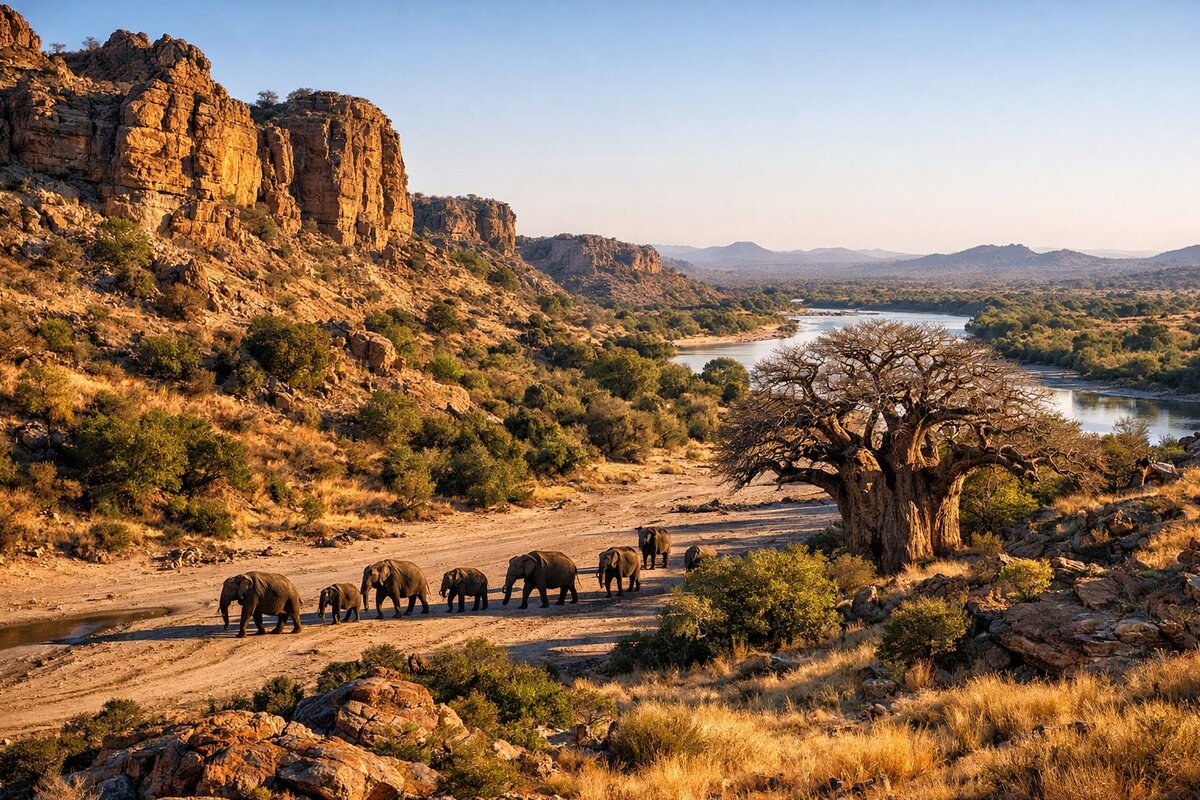
Tuli Block
Basalt koppies and Limpopo elephants in the private wilderness of the far east
🎒 Packing Tips
Pack neutral colors (khaki, olive, beige)—bright colors and dark blue/black attract tsetse flies. Bring layered clothing: dawn game drives can be near freezing, while midday hits 35°C+. Essentials: wide-brim hat, polarized sunglasses, high-SPF sunscreen, lip balm, insect repellent with DEET, head torch, binoculars (8×42 ideal), refillable water bottle, and a quality camera with telephoto lens (300mm+). For fly-in safaris, the strict baggage limit is 20 kg in soft bags only. Bring US dollars in small denominations for tips.
📚 Resources
Useful planning resources: Botswana Tourism Organisation (botswanatourism.co.bw) — official site with permits and operators. Department of Wildlife & National Parks (DWNP) for park bookings and fees. Mokoro Operators Trust in Maun for community-run delta trips. Travel.state.gov and UK FCDO for current advisories. Open-Meteo and Windy.com for weather forecasts. iOverlander for self-drive routes and campsites.
📖 Recommended Reading
The No. 1 Ladies' Detective Agency by Alexander McCall Smith — the beloved Mma Ramotswe series set in Gaborone. Cry of the Kalahari by Mark and Delia Owens — a classic memoir of seven years studying lions and brown hyenas in the Central Kalahari. The Lost World of the Kalahari by Laurens van der Post — controversial but evocative travel writing. Twenty Chickens for a Saddle by Robyn Scott — growing up on a Botswanan farm. When Rain Clouds Gather by Bessie Head (1968) — the country's great novel, written in Serowe by its most important writer. Colour Bar by Susan Williams — the Seretse and Ruth Khama story, filmed as A United Kingdom (2016).
▶️ YouTube Videos
Recommended channels and films: BBC Earth — "Africa" episode "Kalahari" and "Planet Earth II: Deserts." Nat Geo Wild — "Savage Kingdom" series filmed in Botswana's Selinda. Dereck and Beverly Joubert — "Eye of the Leopard" and "Soul of the Elephant," both shot in the Okavango. Will Burrard-Lucas — wildlife photography vlogs from Botswana. Search "Okavango Delta 4K" for stunning aerial footage.
✨ Fascinating Facts
Botswana hosts the largest elephant population on Earth—roughly 130,000, around one-third of all African elephants. The country went from one of the world's poorest at independence in 1966 to upper-middle-income status, largely thanks to diamond discoveries at Orapa (1967) and Jwaneng (1982). The pula—the currency—means "rain" in Setswana, reflecting how precious water is. Botswana has never had a coup or civil war. The Central Kalahari Game Reserve is the second-largest game reserve in the world. In April 2024 President Masisi offered to ship 20,000 elephants to Germany after Berlin mooted tighter trophy-import rules — his point being that Botswana has more elephants than it can carry. The Okavango Delta is one of the few places where freshwater lions hunt buffalo by wading through channels.
👤 Notable People
Sir Seretse Khama (1921–1980) — first president, founder of modern Botswana, whose interracial marriage to Ruth Williams created an international scandal in 1948. Ian Khama — his son, fourth president (2008–2018) and conservation advocate, who went into self-exile in South Africa in 2021 after a bitter feud with Masisi and came home days after the 2024 result. Mokgweetsi Masisi — fifth president (2018–2024), who lifted the trophy-hunting ban and then conceded defeat within a day of the 2024 election. Duma Boko — human-rights lawyer and sixth president, in office since 1 November 2024. Letsile Tebogo — 200m Olympic champion in Paris 2024, Botswana's first Olympic gold medallist and 2024 World Athlete of the Year; anchor-leg engine of the 4×400m relay that took Olympic silver in Paris and world gold in Tokyo 2025. Collen Kebinatshipi — 400m world champion at Tokyo 2025 (43.53, national record), the country's first individual world title, celebrated with a national holiday on 29 September 2025. Bessie Head (1937–1986) — South African-born novelist who made Serowe her home and Botswana's literary capital. Mpule Kwelagobe — Miss Universe 1999. Nijel Amos — 800m Olympic silver medallist (London 2012), the country's first Olympic medal; banned for three years in 2022 for a doping violation. Alexander McCall Smith — Scottish-Zimbabwean author whose Mma Ramotswe novels put Gaborone on the literary map.
⚽ Sports
Football is Botswana's most popular sport; the national team, The Zebras, has one Africa Cup of Nations to its name (2012) and finished fifth of six in Group G of 2026 World Cup qualifying (10 points; Algeria went through). The women's Mares reached their second WAFCON in Morocco in July 2025, beat Tunisia 2–1 with a stoppage-time winner and went out third in the group. Athletics is where the country is now a world power. Nijel Amos won the first Olympic medal (800m silver, 2012); the 4×400m relay took Olympic bronze in Tokyo 2021 and silver in Paris 2024; Letsile Tebogo won the 200m gold in Paris (19.46, African record). Tokyo 2025 was the breakthrough: Collen Kebinatshipi won the 400m in 43.53 with Bayapo Ndori third, and Eppie, Ndori, Tebogo and Kebinatshipi won Africa's first world 4×400m title in the rain. On 2–3 May 2026 Gaborone hosted the World Athletics Relays — the first global athletics championship on Botswanan soil — and the same quartet closed it with the 4×400m gold in a championship record 2:54.47, the third-fastest time ever run. Tebogo's 2026 has been a 200m Diamond League season (Oslo 19.84, Lausanne 19.87 on 21 August); he, Kebinatshipi and Ndori were excused from the Glasgow 2026 Commonwealth Games (23 July–2 August), where a small team went without its stars. Cricket, rugby, and softball all have small but active followings. Traditional sports include morabaraba (a board game) and koi (a hand-clapping game played by Tswana women).
📰 Media & Press Freedom
Botswana has long been considered one of Africa's most stable democracies and press environments, but recent years have seen concern. Reporters Without Borders' 2026 World Press Freedom Index ranks Botswana 63rd of 180 countries with a score of 62.89 — up from 81st (57.64) in 2025, one of the year's biggest climbs, upper-middle globally and among the stronger performers in Africa, in a year when the global index fell to a 25-year low. Major outlets: Mmegi, The Botswana Gazette, Sunday Standard, and the state-run Daily News and Botswana Television (BTV). Defamation laws and the Cybercrime Act have been used against journalists, though independent reporting remains active and critical.
📸 Photo Gallery
✍️ Author's Note
The most memorable drink I had in Botswana was a Castle Lite from a cooler box, sitting on the roof of a Land Cruiser in the Makgadikgadi Salt Pans at sunset — the flattest, emptiest landscape on Earth turning pink and gold, flamingos in the distance, absolute silence. Context is everything. The beer was unremarkable; the moment was transcendent.
Botswana taught me that the best safari isn't the one with the most lions checked off a list — it's the one where you forget you're looking. Drifting in a mokoro through the Okavango at dawn, water lilies brushing the gunwales, your poler whispering the names of birds in Setswana, time stops mattering. The country's decision to charge a lot and let in few people is the single most important conservation policy I've seen anywhere in Africa, and you feel its dividends every day you're there: empty horizons, undisturbed elephants, a sense that the wilderness is winning.
Try Chibuku at least once — shake the carton, take a sip, and you'll understand why it's called an acquired taste. Tip your guides generously. And whatever you do, spend at least one night somewhere with no fences, where the lions call back and forth across the dark.
—Radim Kaufmann, 2026
Support This Project 🌍
This World Travel Factbook is a labor of love – free to use for all travelers. If you find it helpful, consider supporting its continued development.
