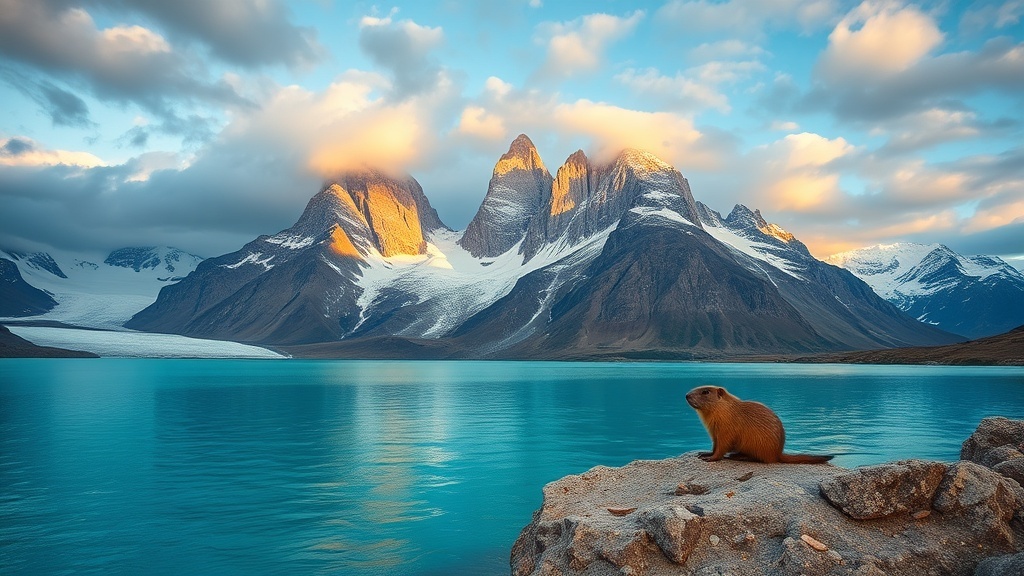



🌍 Chile at a Glance
🌍 Overview
Chile is a land of extremes — the world's driest desert in the north, ancient glaciers in the south, and a slender ribbon of land squeezed between the Andes and the Pacific that contains virtually every climate and landscape on Earth.
This improbable geography creates extraordinary diversity within a single country. In one trip, you can stargaze in the Atacama's crystal-clear skies, taste world-class wines in the Central Valley, wander the colorful streets of Valparaíso, and trek past the granite towers of Patagonia — all connected by one of the world's most scenic road trips.
Chileans are famously reserved at first but warmly hospitable once you break through. The country has one of Latin America's most developed economies (an OECD member since 2010), excellent infrastructure, and a sophisticated food and wine culture that surprises first-time visitors. Easter Island — Rapa Nui — adds Polynesian mystery to an otherwise Andean, mainland-facing country.
For American travelers, Chile feels reassuringly modern while offering adventures that feel genuinely remote. Prices are reasonable by US standards, the people are welcoming, and the landscapes are simply unforgettable.
📜 History
Pre-Columbian: The Mapuche people dominated central-southern Chile for thousands of years, successfully resisting Incan expansion. In the north, the Atacameño and Diaguita cultures flourished; on Easter Island, the Rapa Nui built their mysterious moai.
Spanish Conquest (1540): Pedro de Valdivia founded Santiago in 1541, but the Mapuche resistance — the "Arauco War" — continued for over three centuries, one of history's longest indigenous resistance movements.
Independence (1818): Bernardo O'Higgins and José de San Martín liberated Chile from Spain. The country expanded north after the War of the Pacific (1879-84), gaining mineral-rich territories from Peru and Bolivia.
Modern Era: Salvador Allende's socialist government (1970-73) ended with Pinochet's coup. The dictatorship (1973-90) left deep scars — some 3,200 killed or disappeared — but also economic modernization. In 2026 a fugitive ex-officer convicted of murdering folk singer Víctor Jara in 1973 was finally arrested (25 July 2026). The 8.8 Maule earthquake of 27 February 2010 and the 69-day rescue of the 33 Copiapó miners that October defined the following decade.
Since 2019: The estallido social protests of October 2019 triggered two attempts to replace Pinochet's 1980 constitution; voters rejected a progressive draft (4 September 2022) and then a conservative one (17 December 2023), so the amended 1980 text still stands. Gabriel Boric (2022–26), elected at 35, was followed by José Antonio Kast. Chile's electoral authorities certified Kast with 58.17% of valid votes in the 14 December 2025 runoff; he took office on 11 March 2026 for the 2026–2030 constitutional term. His government has emphasized public security, border control and migration policy. The February 2024 fires around Viña del Mar (137 dead) and the January 2026 Biobío–Ñuble wildfires (18 dead, a state of catastrophe) are the recent scars.
🗺️ Geography
Chile's extraordinary shape — 4,300 km long, averaging just 177 km wide — creates an impossible geographic diversity. The Andes form the eastern border, the Pacific the western, and everything in between belongs to Chile.
The Norte Grande contains the Atacama Desert, the driest place on Earth. The Central Valley around Santiago has Mediterranean climate perfect for wine. The Lake District features volcanoes and Germanic villages. Patagonia ends in glaciers, fjords, and the granite towers of Torres del Paine.
Chilean territory includes Easter Island (3,700 km offshore), Juan Fernández archipelago (Robinson Crusoe Island), and claims to Antarctic territory.
🗺️ Map
Key destinations marked below — from San Pedro de Atacama in the north to Puerto Williams at the bottom of the continent, with Easter Island 3,700 km out in the Pacific.
🎭 People & Culture
Chileans are predominantly mestizo (mixed European and indigenous), with significant Mapuche heritage in the south and German, Croatian, and British immigrant influences. The Rapa Nui people maintain distinct Polynesian culture on Easter Island.
Chilean Spanish is notoriously difficult — fast, with swallowed consonants and unique slang ("cachai?" = "you know?"). Once you adapt, the humor and warmth emerge. The cultural emphasis on buena onda (good vibes) and once (afternoon tea with friends) reflects a society that values connection.
Poetry holds special significance — Nobel laureates Pablo Neruda and Gabriela Mistral are national heroes. The cueca is the national dance; rodeo the national sport.
🏙️ Santiago
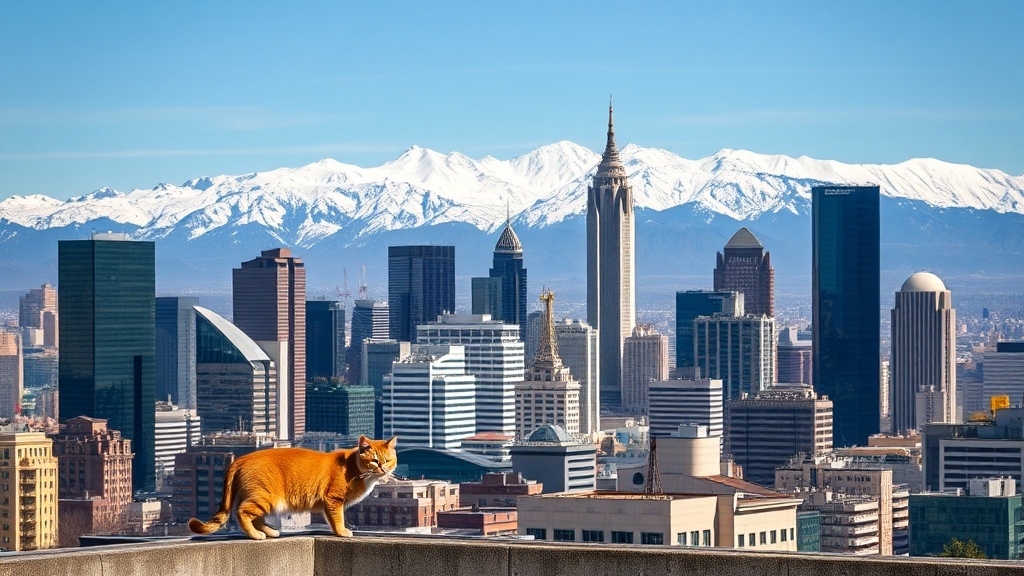
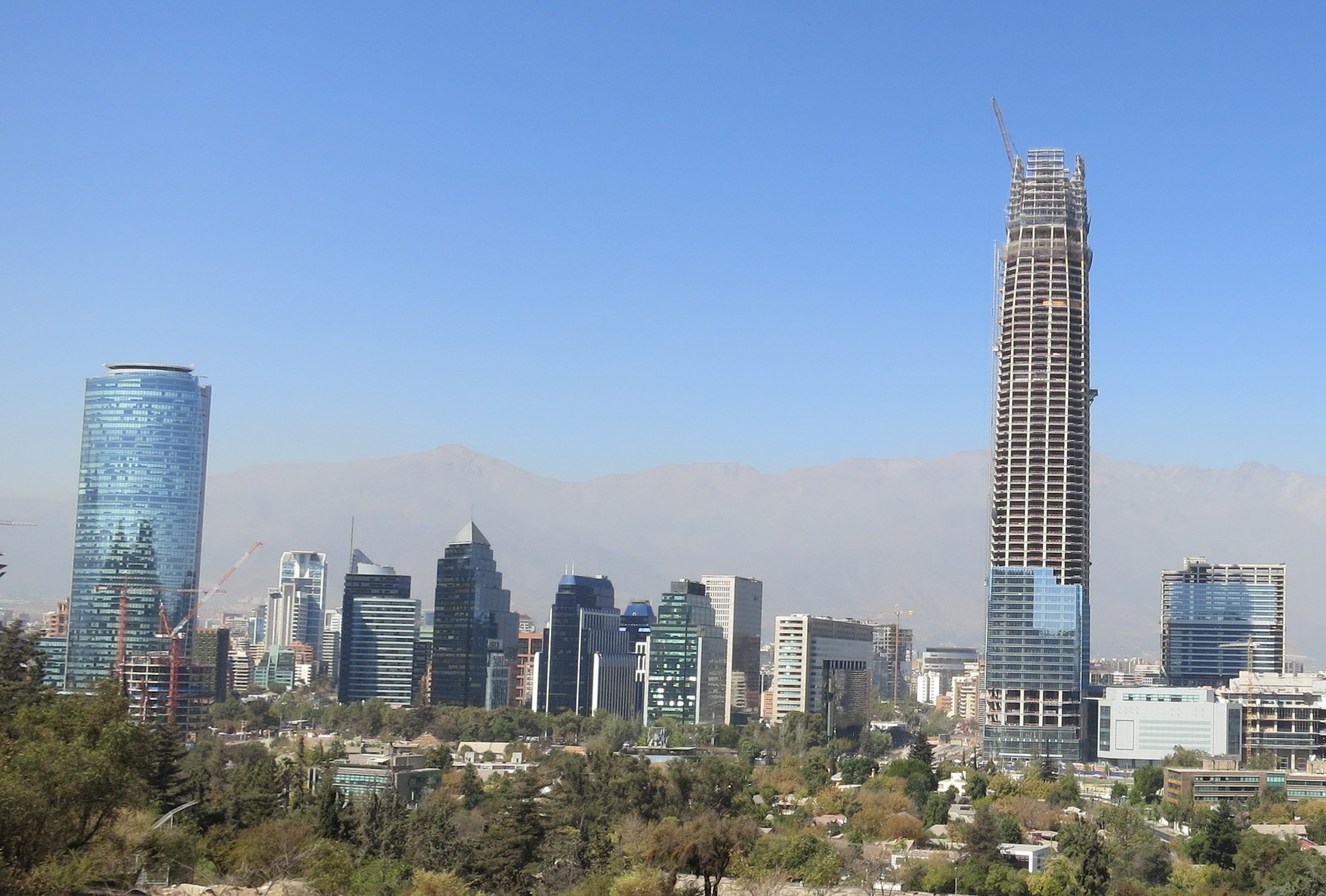
Chile's capital (7 million metro) sits in a valley surrounded by the Andes, which provide stunning backdrops on clear days and skiing within an hour's drive. The city combines colonial heritage, modern towers, and bohemian neighborhoods.
Barrio Lastarria offers boutique hotels and sidewalk cafés. Bellavista has Neruda's house La Chascona and vibrant nightlife. The Centro Histórico preserves Plaza de Armas and colonial churches. Providencia and Las Condes are modern commercial districts.
Cerro San Cristóbal and Cerro Santa Lucía provide panoramic views. The wine valleys of Maipo and Casablanca are day-trip distance. The seafood at Mercado Central is legendary.
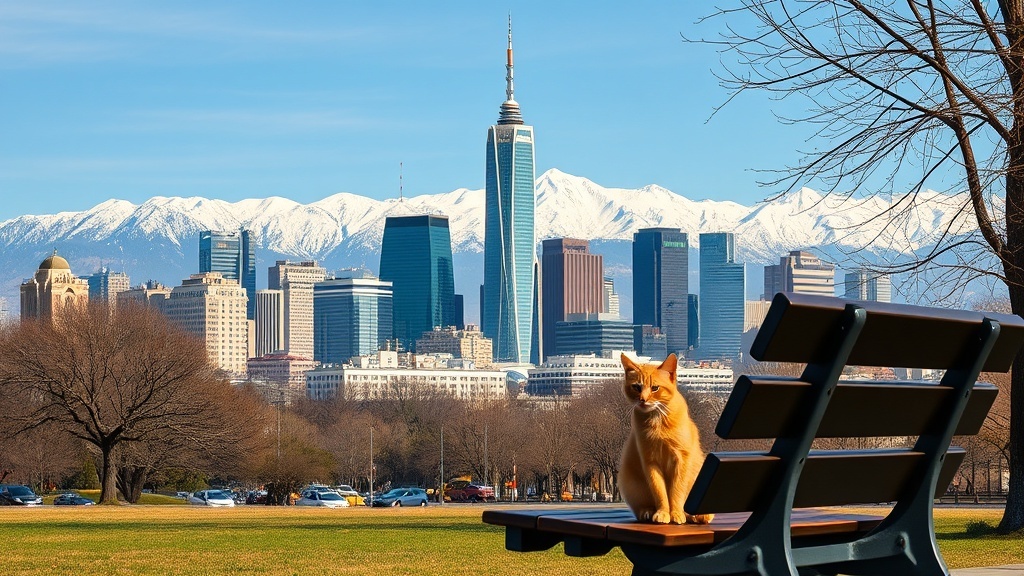
Santiago beneath the Andes
The capital's skyline against the cordillera — snow-capped from June to September.
🎨 Valparaíso
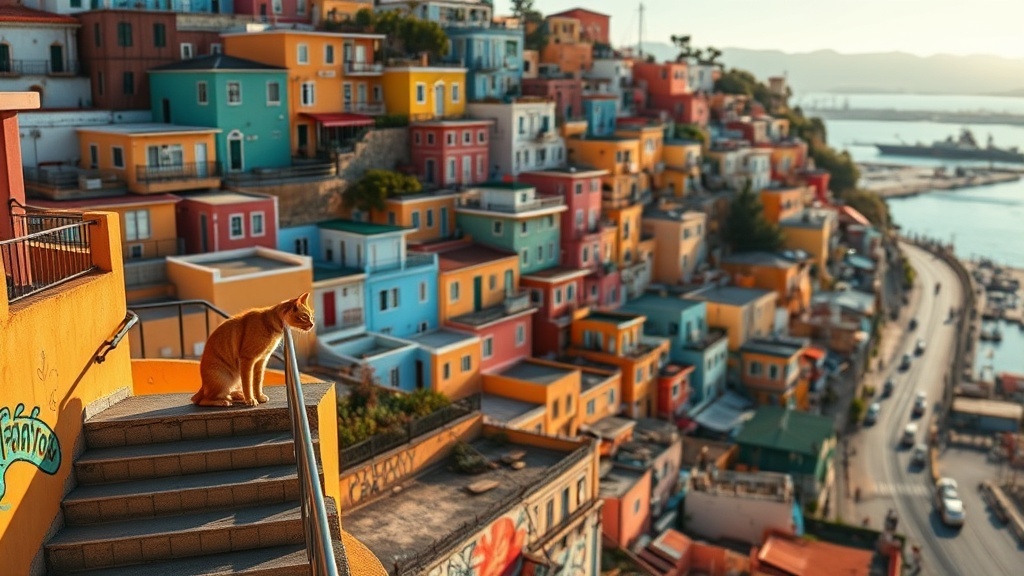
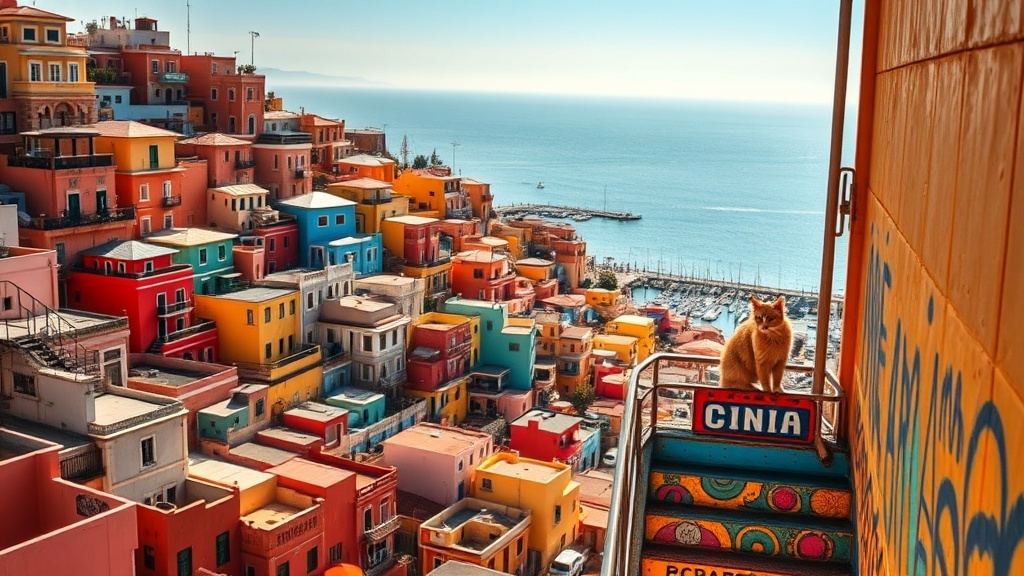
Valparaíso — "Valpo" to locals — is Chile's cultural heart and UNESCO World Heritage city. Forty-two hills (cerros) tumble down to the Pacific, connected by historic ascensores (funicular railways) and covered in street art that makes every alley a gallery.
The port city's bohemian atmosphere drew Neruda, who built La Sebastiana here. Students from multiple universities keep the nightlife lively; artists and writers give the coffee shops character. The seafood restaurants on the waterfront serve the freshest ceviche and machas (razor clams).
Neighboring Viña del Mar offers manicured gardens and beach resorts — the yin to Valpo's yang.
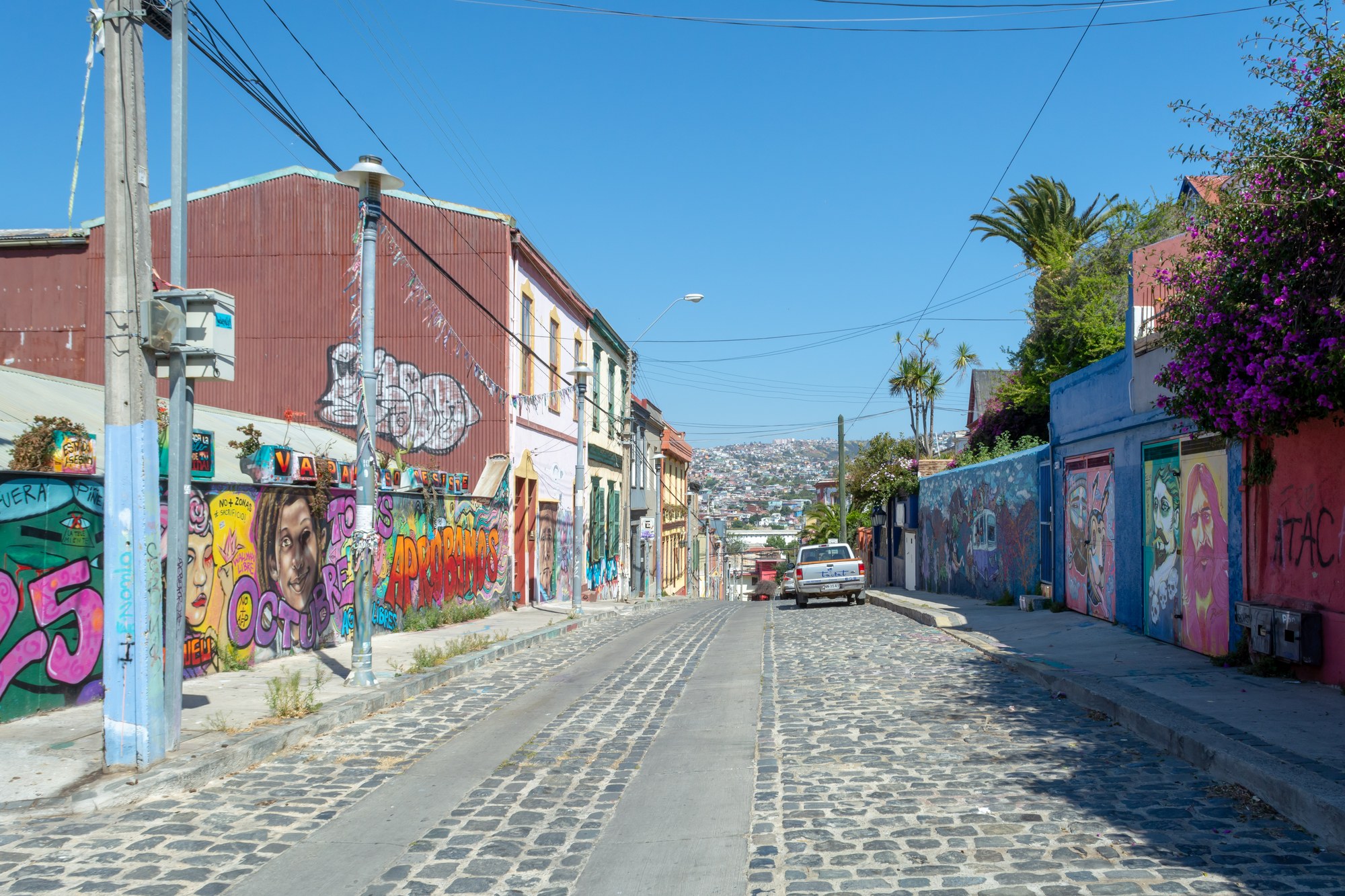
Cerro Alegre, Valparaíso
Painted houses and street art on one of the 42 hills above the port.
🏜️ Atacama Desert
The Atacama is the driest non-polar desert on Earth — some weather stations have never recorded rain. This extreme aridity creates landscapes so otherworldly that NASA tests Mars rovers here, and the world's best astronomical observatories cluster on its peaks: ALMA on the Chajnantor plateau, ESO's Paranal, and — since its first images on 23 June 2025 — the Vera C. Rubin Observatory on Cerro Pachón, with the 39-metre Extremely Large Telescope on Cerro Armazones due to open around 2029.
San Pedro de Atacama is the adventure hub: salt flats, geysers, flamingo lagoons, and the surreal Valle de la Luna. Sunrise at El Tatio geysers, stargazing tours under the clearest skies on Earth, and sandboarding down massive dunes are signature experiences.
When rare rains fall, the desert blooms with wildflowers — the desierto florido phenomenon draws visitors from around the world.
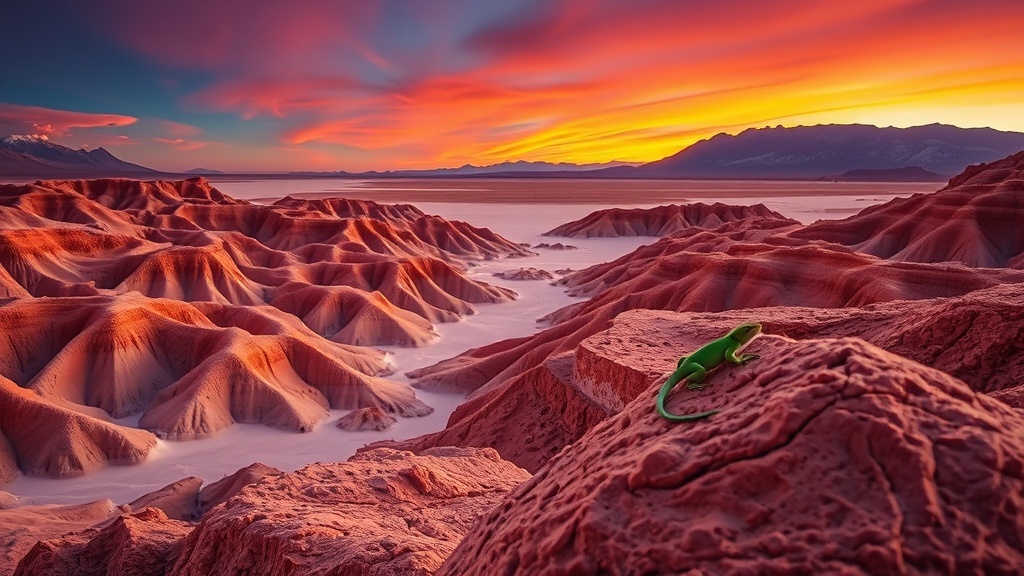
Atacama Desert
Valle de la Luna near San Pedro — the driest non-polar desert on Earth.
🧊 Patagonia
Chilean Patagonia is where the Andes meet the ice — a region of glaciers, fjords, and some of the planet's most dramatic landscapes. The Carretera Austral (Route 7) is one of the world's great road trips, 1,240 km of gravel through wilderness.
Punta Arenas is the gateway to Antarctic expeditions. Puerto Natales serves as basecamp for Torres del Paine. The Northern Patagonian Ice Field and Southern Patagonian Ice Field are the largest ice masses outside Antarctica and Greenland.
Wildlife includes guanacos, pumas, Andean condors, and Magellanic penguins. The end-of-the-world atmosphere is palpable in towns like Puerto Williams, the world's southernmost city.
🏔️ Torres del Paine
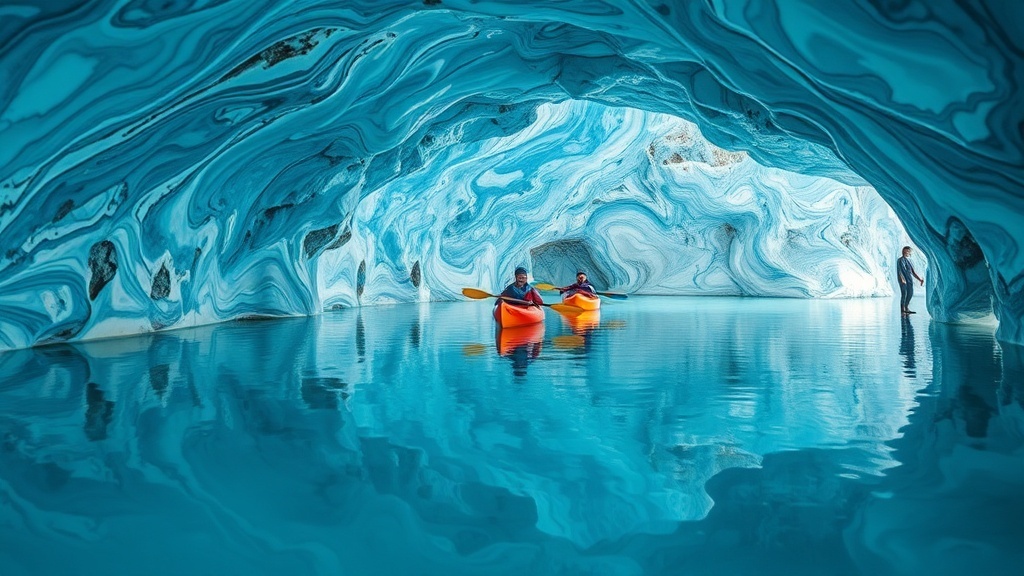
Torres del Paine National Park is South America's premier trekking destination — a UNESCO Biosphere Reserve where granite towers rise to almost 2,900 metres above turquoise lakes and glacier-fed rivers.
The "W" trek (4-5 days) hits the highlights: the Torres themselves, French Valley, and Grey Glacier. The "O" circuit (8-10 days) circles the entire massif. Day hikes to Mirador Las Torres for sunrise over the towers is the park's iconic experience.
Wildlife is abundant — guanacos graze everywhere, condors soar overhead, and lucky visitors spot pumas. Book refugios and campsites months in advance for peak season (December-February). CONAF announced a route-based entrance-fee system (day pass, Base Torres, W, O) for 2026 to replace the old flat fee (about US$49 for foreign adults in high season) — check the official pasesparques.cl portal before you book.
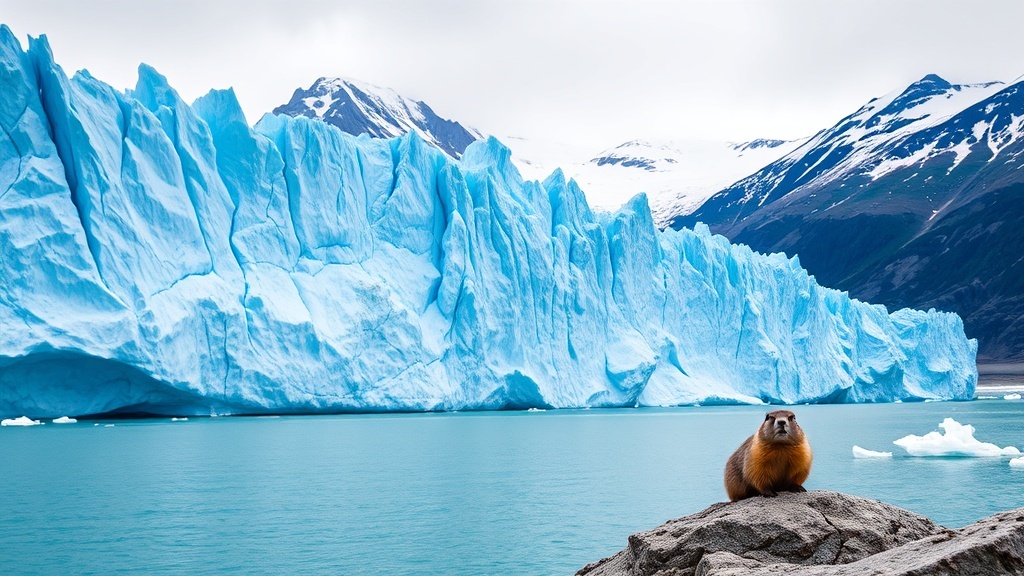
Grey Glacier, Torres del Paine
The western arm of the W trek ends at the ice wall of Glacier Grey.
🗿 Easter Island
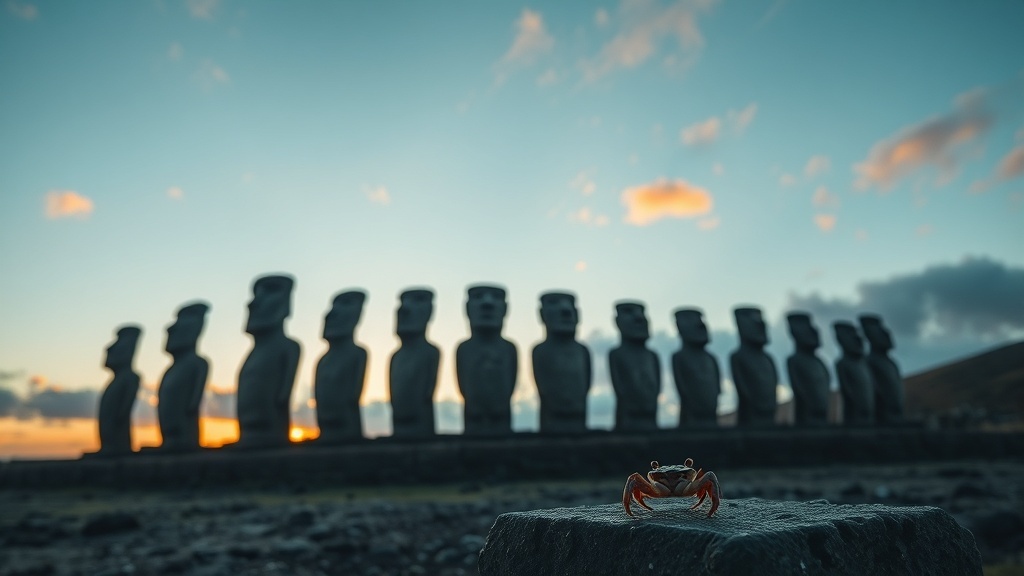
Rapa Nui — Easter Island — lies 3,700 km off the Chilean coast, the world's most remote inhabited island. Its 887 moai statues remain one of humanity's great mysteries: how did a small Polynesian population carve and transport these massive stone figures?
Rano Raraku quarry shows moai in various stages of completion. Ahu Tongariki has 15 restored moai facing inland. Orongo village hosted the birdman cult. The crater lake of Rano Kau is hauntingly beautiful.
The Rapa Nui people maintain Polynesian language and traditions distinct from mainland Chile. February's Tapati Rapa Nui festival showcases ancestral culture.
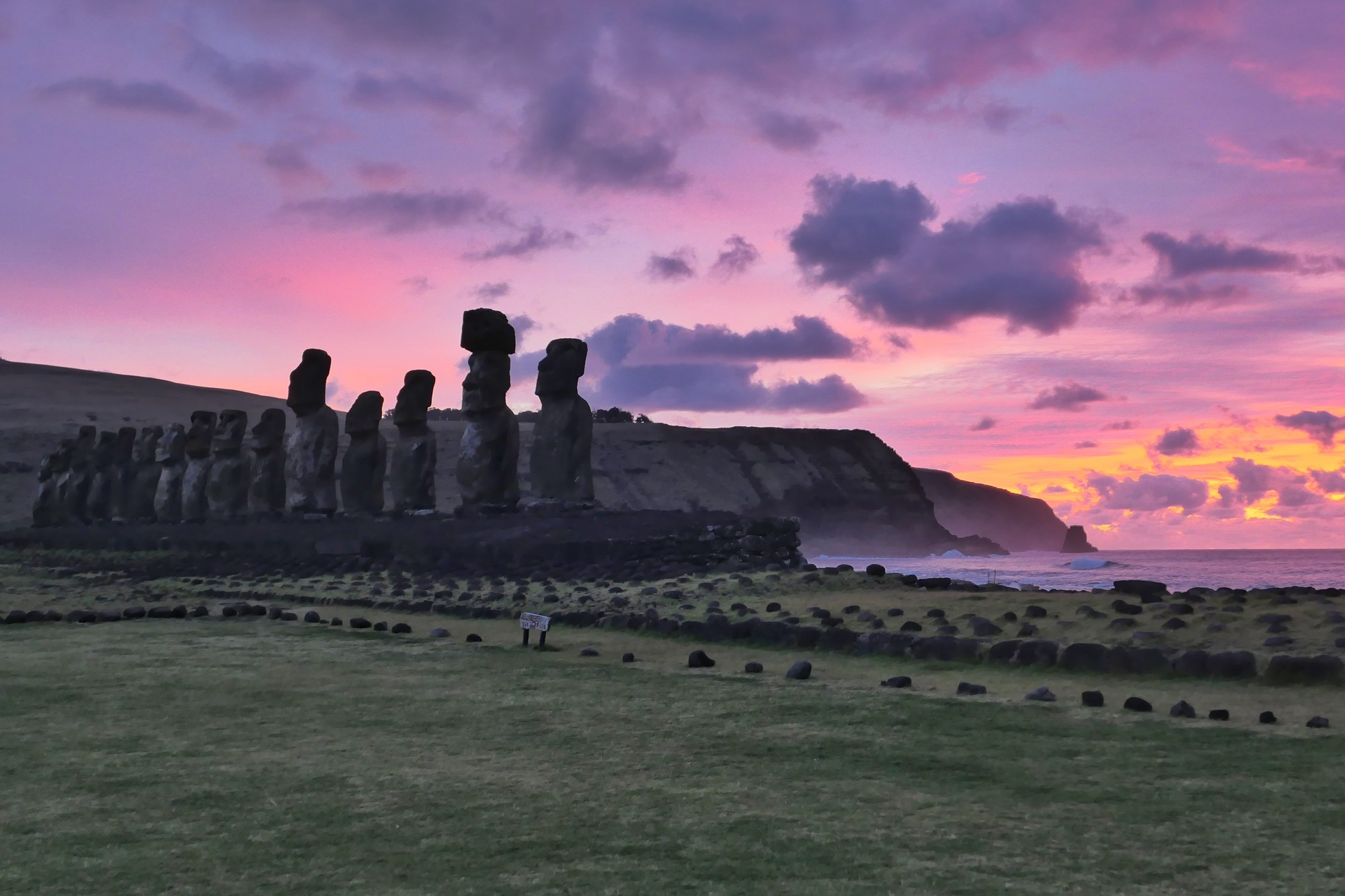
Moai of Rapa Nui
Restored moai on their ahu — the island holds nearly 900 of them.
🍷 Wine Country
Chile is the world's fourth-largest wine exporter, and the Carmenère grape — thought extinct until rediscovered here in 1994 — is its signature variety. The country's valleys produce everything from crisp Sauvignon Blanc to robust Cabernet Sauvignon.
Maipo Valley (near Santiago) specializes in Cabernet. Casablanca and San Antonio excel in cool-climate whites. Colchagua Valley offers premium reds and estate visits. The Elqui Valley produces pisco grapes under incredibly clear skies.
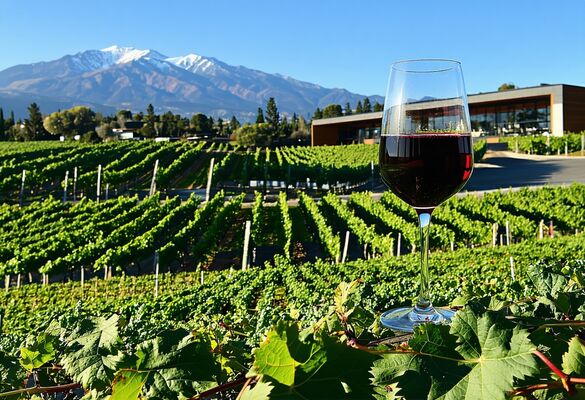
Winery tours are easy from Santiago; many offer lunch with stunning Andean views.
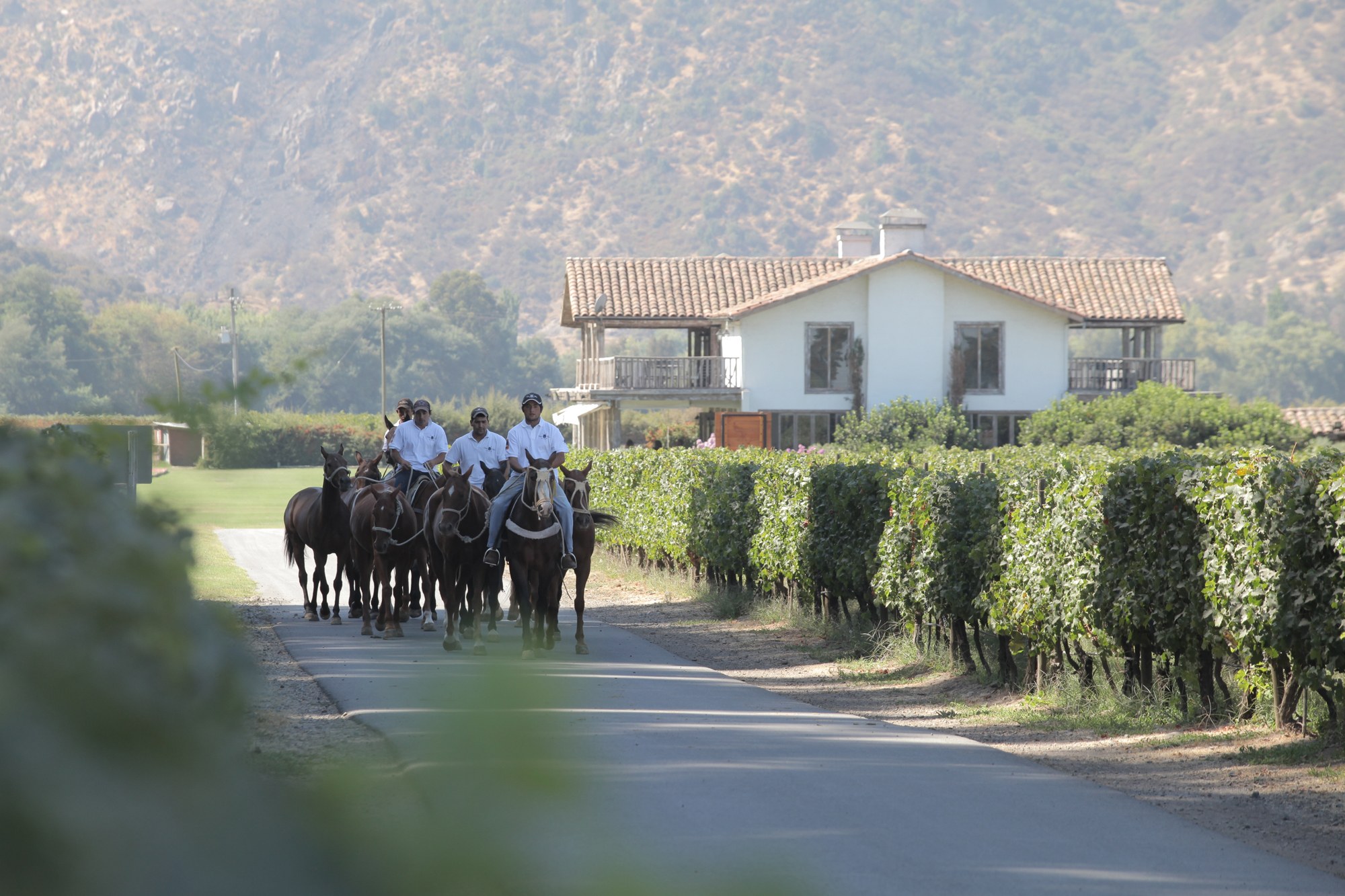
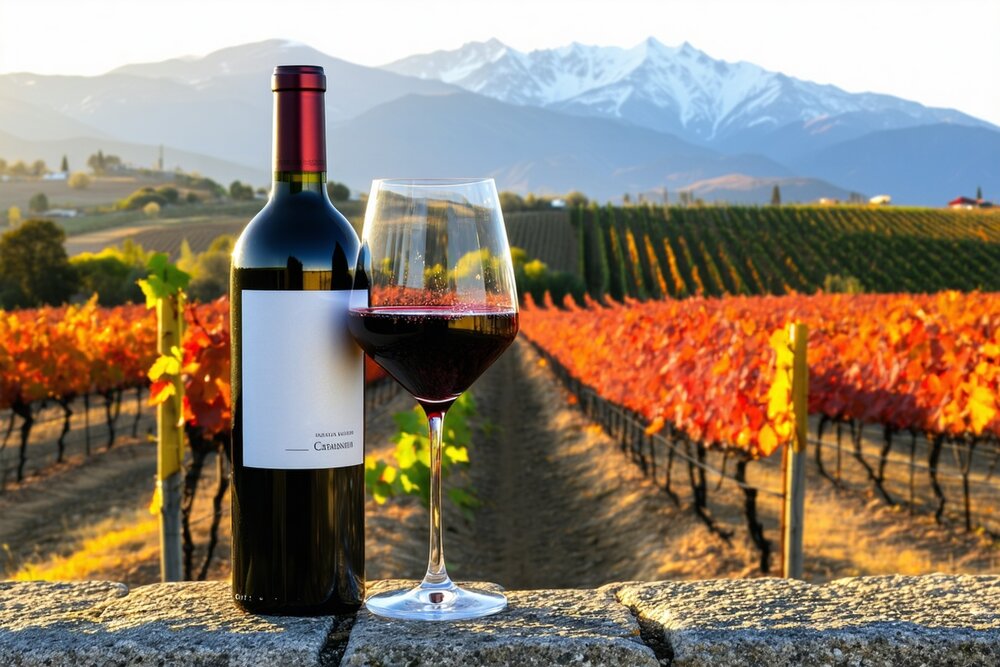
Colchagua Valley
Vineyards of the Colchagua Valley, Chile's premium red-wine country.
🥘 Cuisine
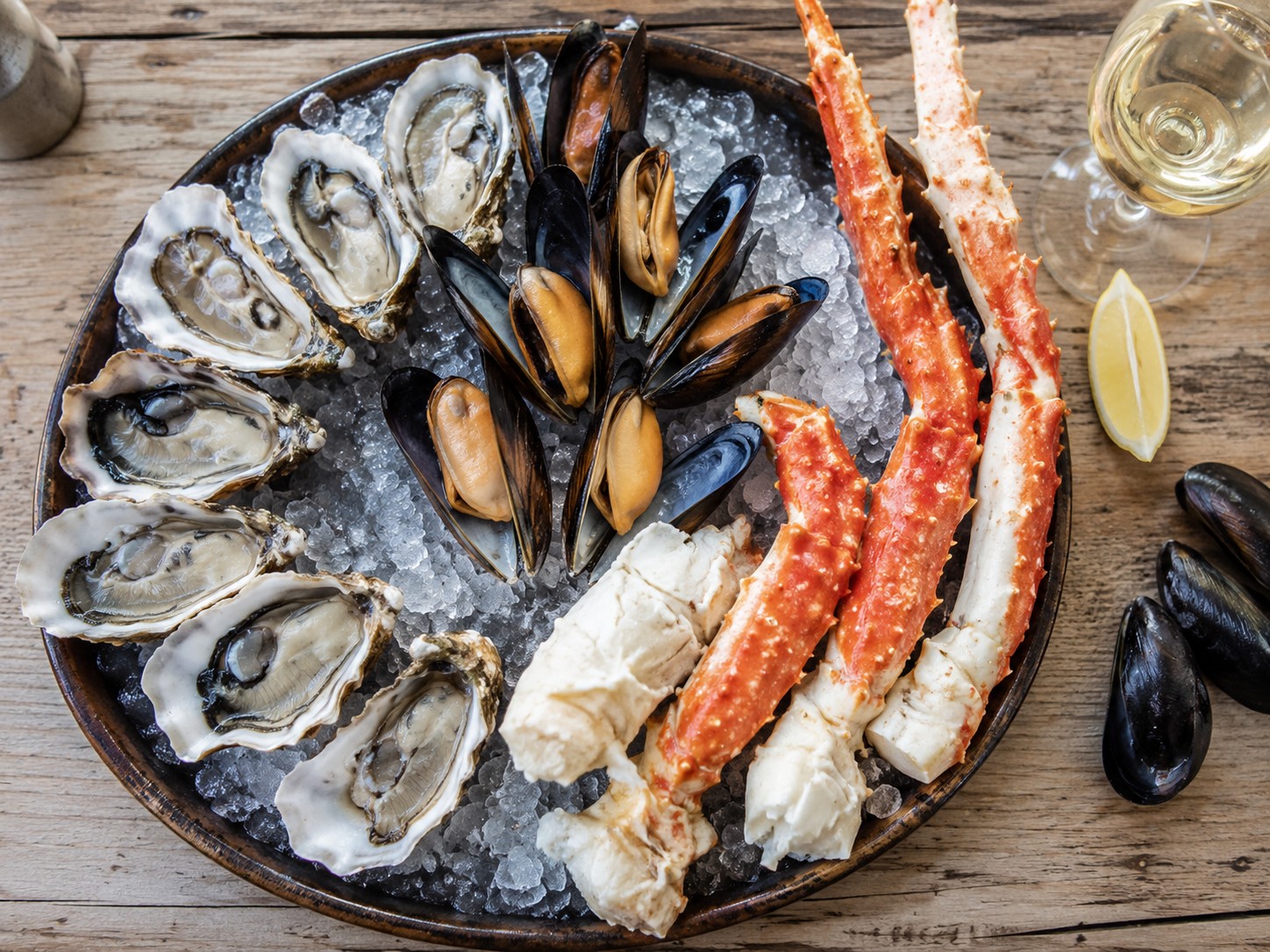
Chilean cuisine reflects the country's long coastline and agricultural valleys. Seafood dominates — ceviche, machas a la parmesana (razor clams), caldillo de congrio (conger eel soup that Neruda immortalized in verse), and the legendary curanto of Chiloé (seafood and meat steamed in a pit).
Empanadas de pino (beef, onion, olive, egg) are the national snack. Pastel de choclo (corn casserole) and cazuela (hearty stew) are comfort food staples. Completos — Chilean hot dogs buried under avocado, tomato, and mayo — are street food essentials.
Pisco sour is the national cocktail (Chile and Peru dispute its origin). Chilean wines need no introduction. Mote con huesillo — wheat berry drink with dried peaches — is the traditional summer refreshment.
Pastel de Choclo
Corn Pie
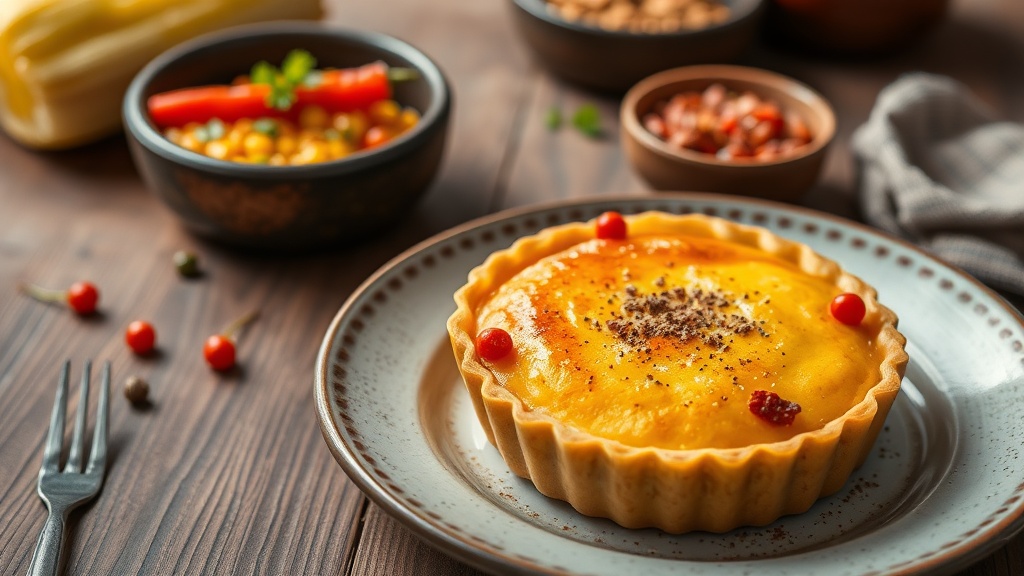
Sweet corn topping over beef stew—Chilean comfort in a dish.
Ingredients: 480ml corn kernels, Milk, butter, basil, 300g ground beef, 1 onion, Raisins, olives, hard-boiled egg, Cumin.
Preparation: Make pino: brown beef with onion, cumin. Add raisins, olives. Blend corn with milk, basil. Then cook corn mixture until thick. Layer pino in dish, top with corn. Finally, bake 180°C (356°F) until golden.
💡 The corn topping should be sweet—add a little sugar if needed.
Empanadas de Pino
Beef Empanadas
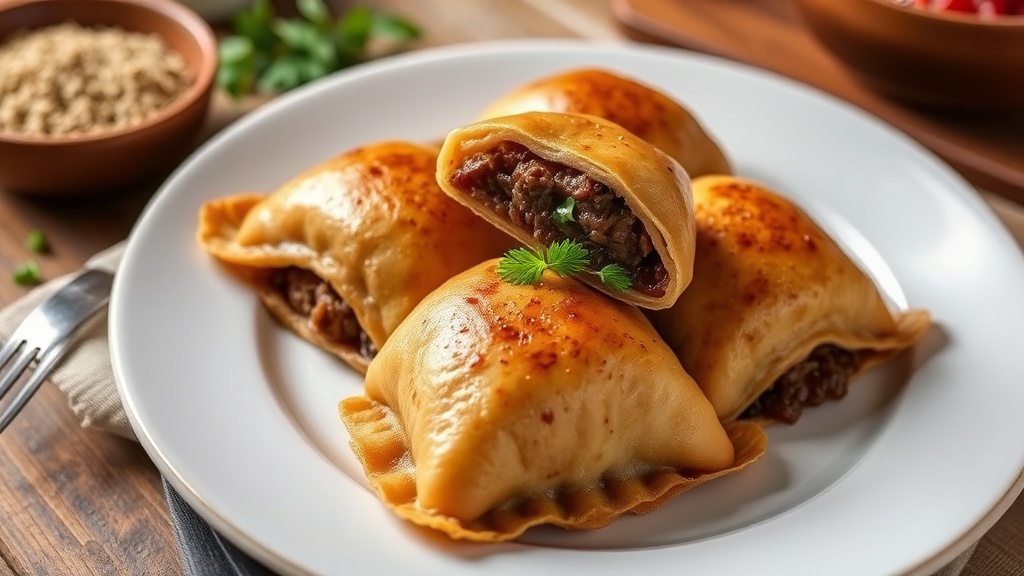
Chile's essential empanada—beef filling with egg, olive, raisins.
Ingredients: For dough: 480ml flour, lard, water, 300g ground beef, 1 onion, Hard-boiled eggs, olives, Raisins, Cumin, ají.
Preparation: Make dough, rest. After that, cook pino filling. Roll dough, cut circles. Then fill with pino, egg slice, olive, raisins. Fold and crimp edges. To finish, bake 200°C (392°F) until golden.
💡 Each empanada should have exactly one olive piece.
Ceviche Chileno
Chilean Ceviche
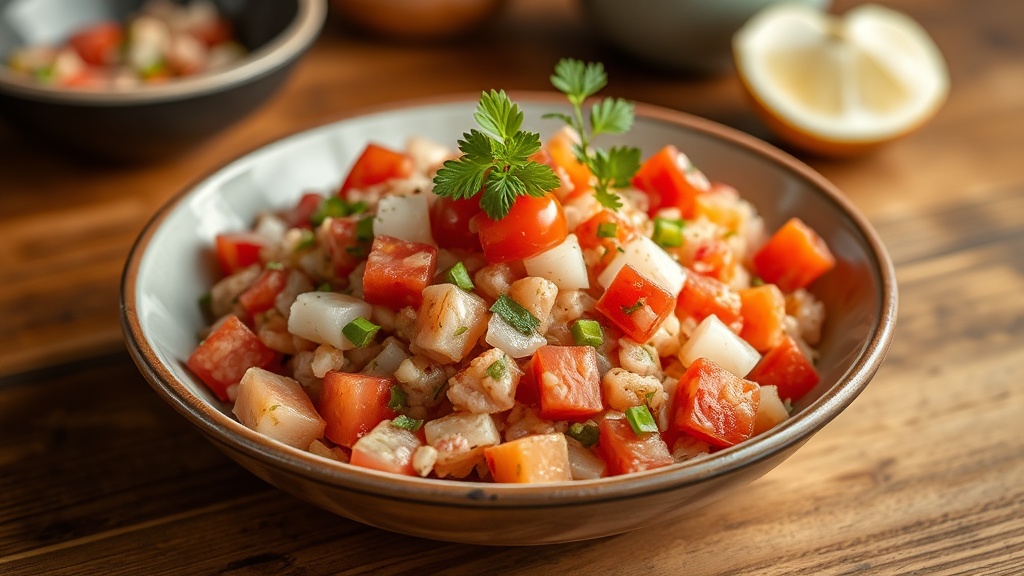
Fresh raw fish cured in lime with onion and cilantro.
Ingredients: 250g white fish, cubed, 4 limes, juiced, 1 red onion, sliced, Cilantro, Ají verde, Salt.
Preparation: Cube very fresh fish. Marinate in lime juice 15-20 min. Add onion, cilantro, chili. Then season with salt. Serve immediately. To finish, optional: add diced tomato.
💡 Chilean ceviche uses lots of cilantro—don't be shy.
🏛️ UNESCO World Heritage Sites
Chile has seven World Heritage Sites — every one of them cultural, none natural — plus a 19-entry Tentative List that has carried Torres del Paine since 1994 and added the Chilean Pisco Vine and Wine Cultural Landscape and the Pintados Geoglyphs in 2025. Full rankings on the UNESCO page →
Rapa Nui National Park (1995)
Easter Island's moai statues and ceremonial ahu platforms — one of humanity's most remarkable archaeological sites.
Churches of Chiloé (2000)
Sixteen wooden churches representing a unique fusion of Jesuit European and indigenous building traditions.
Historic Quarter of the Seaport City of Valparaíso (2003)
The colorful port city's hills, funiculars, and street art preserve a unique 19th-century urban landscape.
Humberstone and Santa Laura Saltpeter Works (2005)
Two nitrate ghost towns in the Atacama near Iquique — the industry that made and then broke northern Chile.
Sewell Mining Town (2006)
A remarkably preserved company town on Andean slopes, built for the El Teniente copper mine's workers.
Qhapaq Ñan, Andean Road System (2014)
The 30,000-km Inca road network, shared with Argentina, Bolivia, Colombia, Ecuador and Peru.
Settlement and Artificial Mummification of the Chinchorro Culture (2021)
Near Arica — the oldest artificially mummified bodies on Earth, some 2,000 years older than Egypt's.
🍷 Wine, Spirits & Drinking Culture
Chile is one of the world's great wine countries — the fourth-largest exporter after France, Italy and Spain (OIV, 2025), blessed with a 1,300-km strip of vineyards wedged between the Andes and the Pacific, protected from phylloxera (the vine louse that destroyed European vineyards in the 1860s) by desert, ocean, and mountains. Chilean vines are ungrafted — a living museum of pre-phylloxera rootstock. And the grape that defines Chile is one the rest of the world gave up for dead: Carmenère.
🍇 Carmenère — The Lost Grape of Bordeaux
Carmenère was once one of Bordeaux's six great red grapes — until phylloxera wiped it out in the 1860s. The French gave up and replanted with other varieties. But Chilean landowners had already imported Carmenère cuttings from Bordeaux in the 1850s, where it survived unrecognised, misidentified as Merlot for over a century. In 1994, French ampelographer Jean-Michel Boursiquot visited Chile and made a shocking discovery: much of what Chileans were calling Merlot was actually Carmenère — a grape the world thought was extinct. Chile now produces 90% of the world's Carmenère. At its best — from Peumo, Apalta, or Marchigüe in the Rapel Valley — Carmenère makes deeply coloured wines with green pepper, dark cherry, chocolate, and smoky spice. Concha y Toro's Terrunyo and De Martino Legado are benchmarks.
🏔️ The Wine Regions
Maipo Valley — Chile's Bordeaux, surrounding Santiago, produces the country's most prestigious Cabernet Sauvignon. Almaviva (Mouton Rothschild joint venture) and Don Melchor (Concha y Toro's icon) are world-class. Colchagua — the Napa of Chile, bold reds in a warm valley. Casablanca and San Antonio/Leyda — cool-climate coastal valleys producing electric Sauvignon Blanc, Chardonnay, and Pinot Noir influenced by the Humboldt Current's icy fog. Itata and Bío-Bío in the south represent the new frontier — old-vine País (the Mission grape brought by Spanish conquistadors in the 1550s), dry-farmed, organic, producing rustic, thrilling wines of enormous character.
🥃 Pisco Sour — The National Cocktail (Don't Tell Peru)
Pisco — grape brandy distilled in the Elqui and Limarí valleys of northern Chile — is the base of the Pisco Sour (pisco, lime juice and sugar — Peruvians add egg white and a dash of bitters, Chileans usually skip both), which Chile and Peru both claim as their national cocktail. The rivalry is intense and genuinely heated. Chilean pisco tends to be lighter and more aromatic than Peruvian; the Chilean Pisco Sour uses less sugar and more lime. Alto del Carmen and Capel are the major brands. The terremoto ("earthquake") — pineapple ice cream dropped into sweet white wine and topped with Fernet — is Chile's other legendary drink, served at La Piojera bar in Santiago, and exactly as lethal as its name suggests.
🏆 Kaufmann Wine Score — Chile
Rated on four criteria: Aroma (/25), Taste (/30), Finish (/20), Value (/25) — Total /100
| Wine | 🔴 Aroma | 🟡 Taste | 🟢 Finish | 🔵 Value | Total |
|---|---|---|---|---|---|
| 🍷 Cabernet Sauvignon (Maipo) | 23 | 27 | 17 | 24 | 91 |
| 🍷 Almaviva (Puente Alto, Maipo) | 24 | 28 | 18 | 19 | 89 |
| 🍷 Carmenère (Rapel / Apalta) | 21 | 25 | 16 | 25 | 87 |
| 🥂 Sauvignon Blanc (Casablanca) | 22 | 24 | 15 | 25 | 86 |
| 🍷 Pinot Noir (Leyda / San Antonio) | 22 | 25 | 16 | 23 | 86 |
| 🍷 Old-vine País (Itata) | 20 | 24 | 15 | 24 | 83 |
95–100 Legendary · 90–94 Outstanding · 85–89 Very Good · 80–84 Good · 75–79 Average · <75 Below Average
🌡️ Climate & Best Time
Chile's 4,300 km length means every climate exists somewhere. The Atacama is dry year-round. Central Chile has Mediterranean seasons (summer December-February). Patagonia is wild and windy, with summer the only practical trekking season.
Best time: Central Chile: September-November (spring) or March-May (fall). Patagonia/Torres del Paine: December-February (summer). Atacama: year-round, but March-May has clearest skies. Easter Island: year-round, though February has the Tapati festival.
✈️ Getting There
By Air: Santiago (SCL) is the main international hub with direct flights from the US, Europe, and across Latin America. Domestic flights serve Calama (Atacama), Puerto Montt, Punta Arenas (Patagonia), and Easter Island.
By Land: Border crossings from Argentina (including spectacular Andean passes), Peru, and Bolivia. Long-distance buses are comfortable and affordable.
Visa: US citizens don't need a visa for stays up to 90 days. An entry fee (reciprocity tax) was eliminated in 2014.
📋 Practical Information
Currency: Chilean Peso (CLP). Cards accepted widely; ATMs abundant. Dollars sometimes accepted in tourist areas.
Language: Spanish (Chilean Spanish is fast and uses unique slang). English limited outside tourist areas.
Safety: Chile has long been one of Latin America's safest countries, though street crime and violent crime have risen since 2019 — take standard urban precautions in Santiago (especially around Plaza de Armas, Bellavista at night and the metro). Mountain weather in Patagonia changes rapidly.
⚠️ Travel Advisory — Level 2: Exercise Increased Caution
US State Department, reissued 19 August 2026 (previous update 20 May 2026): increased caution for crime (mugging, pickpocketing, carjackings and residential break-ins), unrest (demonstrations in Santiago that disrupt buses and the metro, notably around 11 September and 18 October) and health (a CDC notice for Andes hantavirus in rural areas — the risk to most travelers is extremely low). Check travel.state.gov before departure.
Getting Around: Excellent bus network. Domestic flights for long distances. Rental cars useful for wine country and Carretera Austral.
Tipping: 10% in restaurants; not obligatory but appreciated.
Healthcare & Insurance: Chile's private clinics (Clínica Alemana, Clínica Las Condes, Clínica Universidad de los Andes in Santiago) rank among the best in Latin America and are where most travel-insurance claims actually get treated; the public system (FONASA) is serviceable but not where you want a medical emergency handled as a tourist. Buy travel medical insurance before you go — Chile does not require it for entry, but Andes/Patagonia altitude and remote trekking routes make it genuinely important. Expect to pay upfront and file for reimbursement; expat residents typically carry private ISAPRE insurance (roughly $80-250/month) rather than relying on FONASA.
Connectivity: Chile has the fastest fixed broadband in Latin America, and Santiago's coworking/coffee-shop wifi is reliable enough that plenty of remote workers base themselves there full-time. eSIMs (Airalo, Holafly, or a local Entel/Movistar/WOM physical SIM bought on arrival) all work well; coverage thins out fast in Patagonia and the far north, so download offline maps before heading to Torres del Paine or the Atacama.
Compared to Home: Chile is roughly the length of the US Atlantic coast from Maine to Florida, compressed into a country the width of a US county — flying Santiago to Punta Arenas covers more latitude than New York to Miami. Time zone is UTC-3/-4 (roughly aligned with US Eastern Time, sometimes an hour ahead), making it one of the most convenient South American countries for US business hours. Santiago's cost of living lands close to a mid-sized US city — noticeably cheaper than New York or San Francisco, comparable to or a bit below Austin or Denver for day-to-day expenses.
🏷️ Name & Identity
The name Chile is most commonly traced to the indigenous Mapuche word chilli, meaning "where the land ends" — an apt description for a country stretching 4,300 km along the Pacific rim to the edge of Antarctica. Alternative theories link it to the Quechua chiri ("cold") or to a bird called trih whose call resembles "cheele-cheele". Officially the República de Chile, Chileans call themselves chilenos, and refer to their country affectionately as el país del fin del mundo — the country at the end of the world.
🍹 Cocktails & Mixed Drinks
Pisco Sour (Chilean) — 3 oz Chilean pisco, 1 oz fresh lime juice, 1 tsp powdered sugar, a few drops of Angostura bitters on top. Shake hard with ice and strain. Chileans insist on their version (no egg white, Peruvians disagree).
Terremoto ("Earthquake") — Half a pint of cheap pipeño white wine, a generous scoop of pineapple ice cream, a splash of grenadine or fernet. Served in a large tumbler at Santiago's La Piojera. The follow-up, half-size, is the Réplica (aftershock).
Borgoña — Red wine punch with macerated strawberries, sugar, a squeeze of lemon; summertime staple in September for Fiestas Patrias.
Cola de Mono — Christmas drink: aguardiente, milk, coffee, cinnamon, vanilla, cloves. Literally "monkey's tail".
💰 Cost of Living
Chile is the most expensive country in South America after Uruguay, but still cheaper than Western Europe. Budget travelers spend around US$45–60/day, mid-range US$90–150/day, high-end US$250+/day. A set lunch (menú del día) in a local restaurant runs CLP 6,000–9,000 (US$6–10). A craft beer CLP 4,500, a metro ride in Santiago CLP 895 at peak / CLP 815 off-peak (fares since 22 February 2026), an intercity bus Santiago–Valparaíso CLP 5,000–8,000.
🛏️ Accommodation
Hostels in Santiago and Valparaíso from US$15 a dorm bed. Boutique hotels in Barrio Lastarria or Cerro Alegre US$100–180. In the Atacama, San Pedro de Atacama ranges from backpacker hostels (US$20) to world-class lodges like Tierra Atacama and Explora (US$900+ all-inclusive). Patagonia's EcoCamp Patagonia and Explora Torres del Paine are benchmarks for experiential lodging.
🎉 Festivals & Events
Fiestas Patrias (18–19 September) — Independence celebrations: cueca dancing, empanadas, chicha, asados in every fonda. Tapati Rapa Nui (February) — Easter Island's two-week festival of Polynesian culture, body paint, and ancestral sports. Festival Internacional de la Canción de Viña del Mar (February) — Latin America's biggest music festival. La Tirana (16 July) — Syncretic religious pilgrimage in the northern desert with over 200,000 attendees.
🎒 Packing Tips
Chile's geography demands layered packing: expect any single trip to combine desert, alpine and rainforest conditions. Bring merino base layers, a windproof shell, sturdy trail shoes, sunglasses (Patagonian and Andean UV is brutal), a reusable water bottle, and a universal type-C plug adapter. Altitude medication for the Atacama is prudent above 3,000 m.
📚 Resources
Official tourism: chile.travel · National parks: conaf.cl · Intercity buses: turbus.cl, pullman.cl, recorrido.cl · Metro Santiago: metro.cl · Currency: xe.com for live CLP rates.
📖 Recommended Reading
Isabel Allende — The House of the Spirits, Of Love and Shadows. Pablo Neruda — Canto General, Twenty Love Poems. Roberto Bolaño — By Night in Chile, 2666. Ariel Dorfman — Death and the Maiden. Bruce Chatwin — In Patagonia. Sara Wheeler — Travels in a Thin Country.
🎬 Videos About Chile
Four handpicked documentaries and travel films, from a cinematic 4K look at Patagonia to an Atacama Desert travelogue. Watch the videos →
✨ Fascinating Facts
Chile is the world's longest country (4,300 km N–S) but averages just 177 km wide. · It holds roughly a third of the world's lithium reserves — the largest of any country — and is the second-largest producer after Australia; it is also the world's largest copper producer (5.3 million tonnes in 2025, about 23% of global output, with BHP's Escondida the biggest copper mine on Earth). · In October 2010 the whole world watched 33 miners hauled up alive after 69 days trapped 700 m underground at the San José mine near Copiapó. · The Atacama Desert is the driest non-polar place on Earth — some weather stations have never recorded rainfall. · Chile owns a slice of Antarctica and claims territorial waters all the way to Easter Island, 3,700 km offshore. · The country sits on the Pacific Ring of Fire and has recorded the largest earthquake ever measured (Valdivia 1960, magnitude 9.5).
👥 Notable People
Pablo Neruda (1904–1973, Nobel Literature 1971). Gabriela Mistral (1889–1957, Nobel Literature 1945 — first Latin American laureate). Isabel Allende (*1942), Roberto Bolaño (1953–2003). Violeta Parra (1917–1967, folk singer). Salvador Allende (1908–1973, president). Nicanor Parra (1914–2018, "antipoet"). Michelle Bachelet (*1951, twice president, UN High Commissioner for Human Rights 2018–22). Pedro Pascal (*1975, Santiago-born actor). Alejandro Jodorowsky (*1929, filmmaker). Smiljan Radić (*1965, architect, 2026 Pritzker Prize). Marcelo Ríos (*1975, tennis world No. 1 in 1998). Alexis Sánchez (*1988, footballer). Claudio Arrau (1903–1991, pianist).
⚽ Sports
Football (soccer) is the national obsession; La Roja won back-to-back Copa América titles in 2015 and 2016 — but the golden generation is gone: Chile went out in the group stage of Copa América 2024 and finished 10th and last in CONMEBOL qualifying for the 2026 World Cup, a third straight World Cup missed. The country did host the FIFA U-20 World Cup (27 September–19 October 2025) and the 2023 Pan American Games in Santiago. At Paris 2024 skeet shooter Francisca Crovetto became the first Chilean woman to win Olympic gold and Cuban-born wrestler Yasmani Acosta took Greco-Roman silver — Chile's first Olympic medals since 2008. Rodeo is the official national sport. Tennis produced Marcelo Ríos (former world #1) and Fernando González. Skiing is world-class at Portillo and Valle Nevado; the Andes offer some of the best off-piste in the Southern Hemisphere.
📰 Media & Press Freedom
Chile ranks 70th of 180 in the 2026 RSF World Press Freedom Index (score 60.84; 69th in 2025) — mid-table, and slipping. In July 2026 a judge and a former military-intelligence chief were convicted of spying on investigative journalist Mauricio Weibel, a first for Chile. The press is generally free but highly concentrated: two conglomerates (El Mercurio and Copesa) dominate print. Major outlets include La Tercera, El Mercurio, BioBioChile, and public broadcaster TVN.
📸 Photo Gallery
Share your Chile photos! Send to photos@kaufmann.wtf to be featured.
✍️ Author's Note
Chile taught me that extremes don't have to be hostile. In the Atacama, the driest desert on Earth, I found profound stillness under stars so bright they cast shadows. In Patagonia, the fierce winds that batter Torres del Paine carry a wild beauty that no photograph can capture. Between these extremes, Chileans have built a society that works — modern, safe, and increasingly confident.
What stays with me is the evening light in Valparaíso, coloring the hillside houses in impossible shades of pink and gold. The first sip of Carmenère in the Maipo Valley with the Andes as backdrop. The guanaco that crossed my path in Torres del Paine, utterly unconcerned by my presence. Chile is a country that reveals itself gradually — each visit peeling back another layer of this long, narrow miracle.
"Por la razón o la fuerza" — By Reason or By Force
—Radim Kaufmann, 2026
Support This Project 🌍
This World Travel Factbook is a labor of love – free to use for all travelers. If you find it helpful, consider supporting its continued development.
