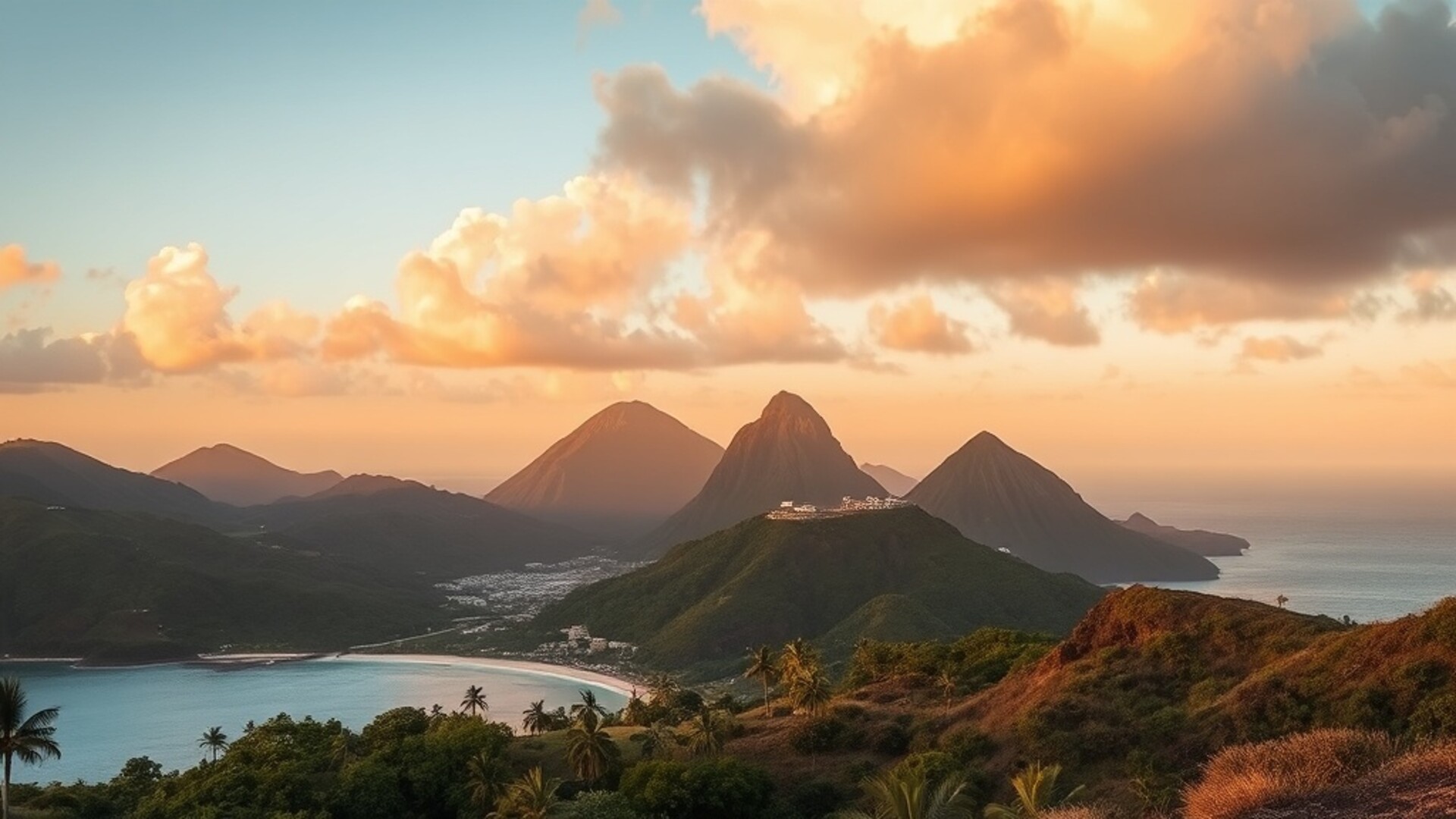
Saint Kitts and Nevis, the smallest sovereign state in the Western Hemisphere, packs remarkable historical significance into two volcanic islands in the Eastern Caribbean. Saint Kitts became an early center of British and French colonization in the Caribbean, and the UNESCO-listed Brimstone Hill Fortress — the 'Gibraltar of the West Indies' — stands as testimony to the fierce colonial rivalries that shaped the region.
These sister islands offer dramatically different experiences: Saint Kitts combines lush mountain rainforest, sugar plantation heritage, and a scenic railway circling the island, while tiny Nevis preserves a quieter, more intimate Caribbean atmosphere with historic plantation inns, hot springs, and the birthplace of Alexander Hamilton.
Tourism has increasingly replaced the sugar industry that defined these islands for centuries — the last sugar harvest was in 2005 after 350 years of continuous production. Yet the plantation era's legacy remains visible in great houses, stone windmill towers, and the narrow-gauge railway originally built to transport cane.
02
🗺️ Geography
Saint Kitts and Nevis are volcanic islands in the Lesser Antilles. Mount Liamuiga dominates Saint Kitts, while Nevis Peak rises above the smaller island. Forested slopes, former sugar estates, salt ponds, and a narrow southeastern peninsula give Saint Kitts a varied landscape; Nevis has a more compact, roughly circular outline.
The Narrows separates the two islands. Beaches range from dark volcanic sand to lighter sand, rather than following a simple Caribbean-versus-Atlantic division. Reefs and coastal waters offer snorkeling and diving, but conditions vary by beach and weather. Mountain trails can be steep and slippery; arrange a suitable local guide.
03
🗺️ Map
04
📜 History
The Kalinago (Carib) people called Saint Kitts 'Liamuiga' (fertile land) long before Columbus sighted it in 1493. The British established their first Caribbean colony here in 1623, followed by the French in 1625 — the two powers shared the island while fighting each other and the Kalinago in the bloody massacre at Bloody Point (1626). Brimstone Hill Fortress, built over a century, witnessed the last major French siege in 1782.
Sugar monoculture defined the islands' economy and society for 350 years, powered by enslaved African labor until emancipation in 1834. Federation with Anguilla (1967) proved contentious — Anguilla rebelled — and independence came in 1983 as a two-island federation. The Citizenship by Investment Programme, established in 1984, is the world's oldest such program.
05
👥 People & Culture
Kittitian and Nevisian culture blends African, British, and Caribbean influences. Carnival (late December to early January) explodes with calypso, soca, steel pan competitions, and elaborate costume parades. The annual Music Festival draws international performers, while traditional masquerade troupes (featuring characters like the Bull and the Clown) preserve African-derived performance traditions.
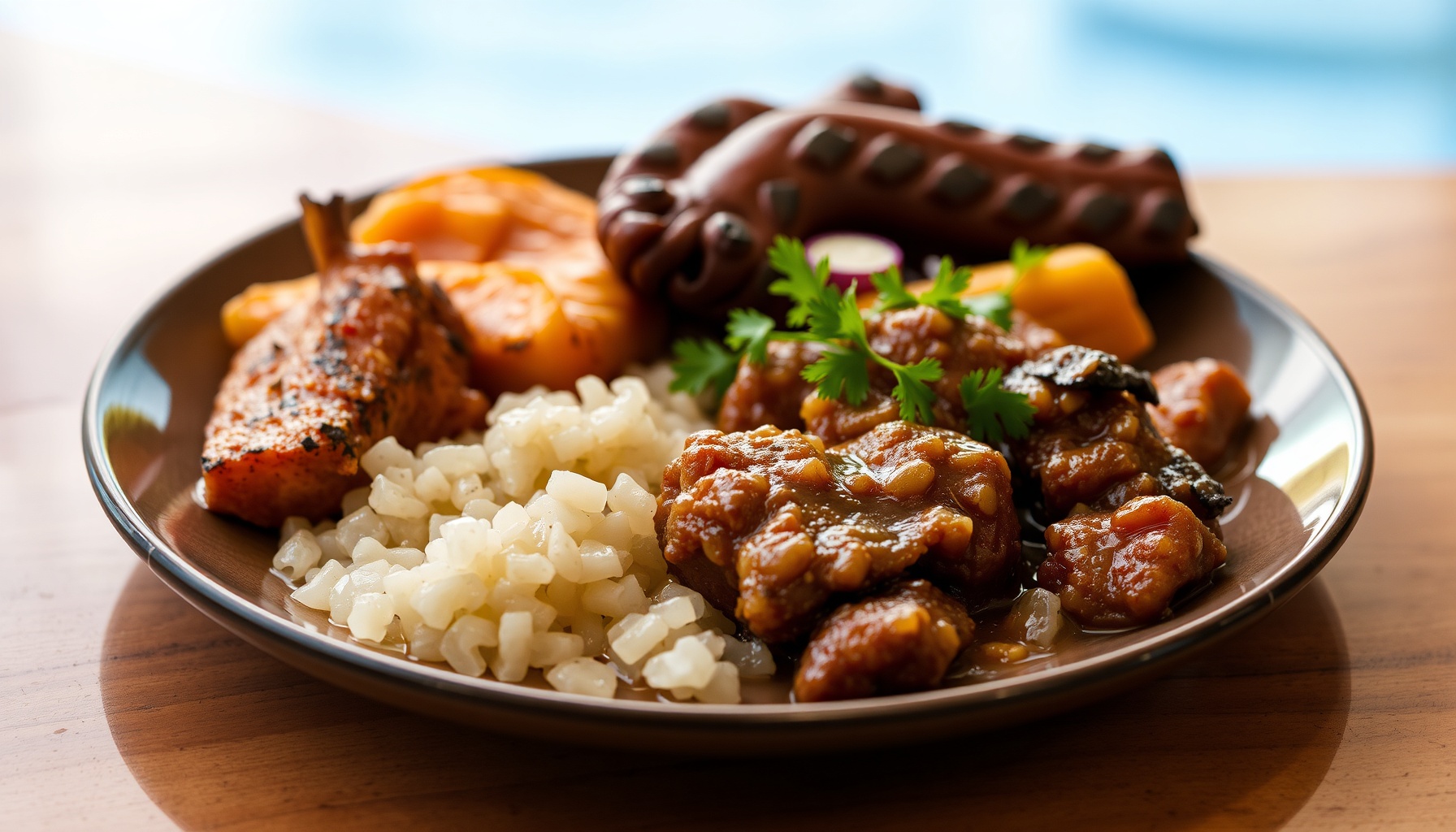
Nevis maintains a gentler cultural pace, with the annual Culturama festival (late July/August) celebrating Nevisian heritage through food, music, and the Mr. and Miss Culturama pageants. The cuisine reflects the islands' history — stewed saltfish, goat water (a hearty stew), and pelau (rice and pigeon peas) are staples.
06
🏙️ Basseterre
Basseterre, founded by the French in 1627, clusters around the Circus — a Victorian clock tower modeled on London's Piccadilly Circus — and the waterfront where cruise ships dock at Port Zante. The limestone Georgian buildings along the harbor and the Co-Cathedral of the Immaculate Conception reflect the colonial era, while Independence Square (formerly Pall Mall Square, once a slave market) marks the nation's journey.
The National Museum, housed in the Old Treasury Building, chronicles Kittitian history from Amerindian settlement through the sugar era to independence. The lively public market on weekends overflows with tropical produce and local crafts.
07
🏰 Brimstone Hill Fortress
Brimstone Hill Fortress National Park, a UNESCO World Heritage Site, rises 230 meters above the Caribbean coast — a massive stone fortification that took over 100 years to build using the labor of enslaved Africans. The views from the ramparts encompass six neighboring islands on clear days. The fortress museum details the island's military history, including the French siege of 1782.
The fortress is an important, well-preserved example of 17th-18th century military architecture in the Americas, with its citadel, bastions, officers' quarters, and ordnance stores largely intact. Walking its ramparts, with the Caribbean spread below, is a memorable experience; check opening hours before planning a late visit.
08
🏝️ Nevis
Nevis is the quieter sister island — a near-perfect volcanic cone rising from the sea, its lower slopes dotted with historic plantation inns converted from great houses and sugar mills. Charlestown, the diminutive capital, preserves Georgian architecture and houses the Museum of Nevis History at the site associated with Alexander Hamilton’s birth (his birth year is disputed).
The Bath Hotel, built over natural hot springs in 1778, was one of the Caribbean's earliest tourist destinations. Pinney's Beach offers the classic Caribbean experience — miles of golden sand with views back to Saint Kitts. Nevis Peak can be climbed with a guide through lush rainforest teeming with vervet monkeys (descendants of those brought by the French).
09
🍽️ Cuisine
Kittitian and Nevisian cuisine is Caribbean Creole—stewed saltfish, goat water stew, and tropical flavors.
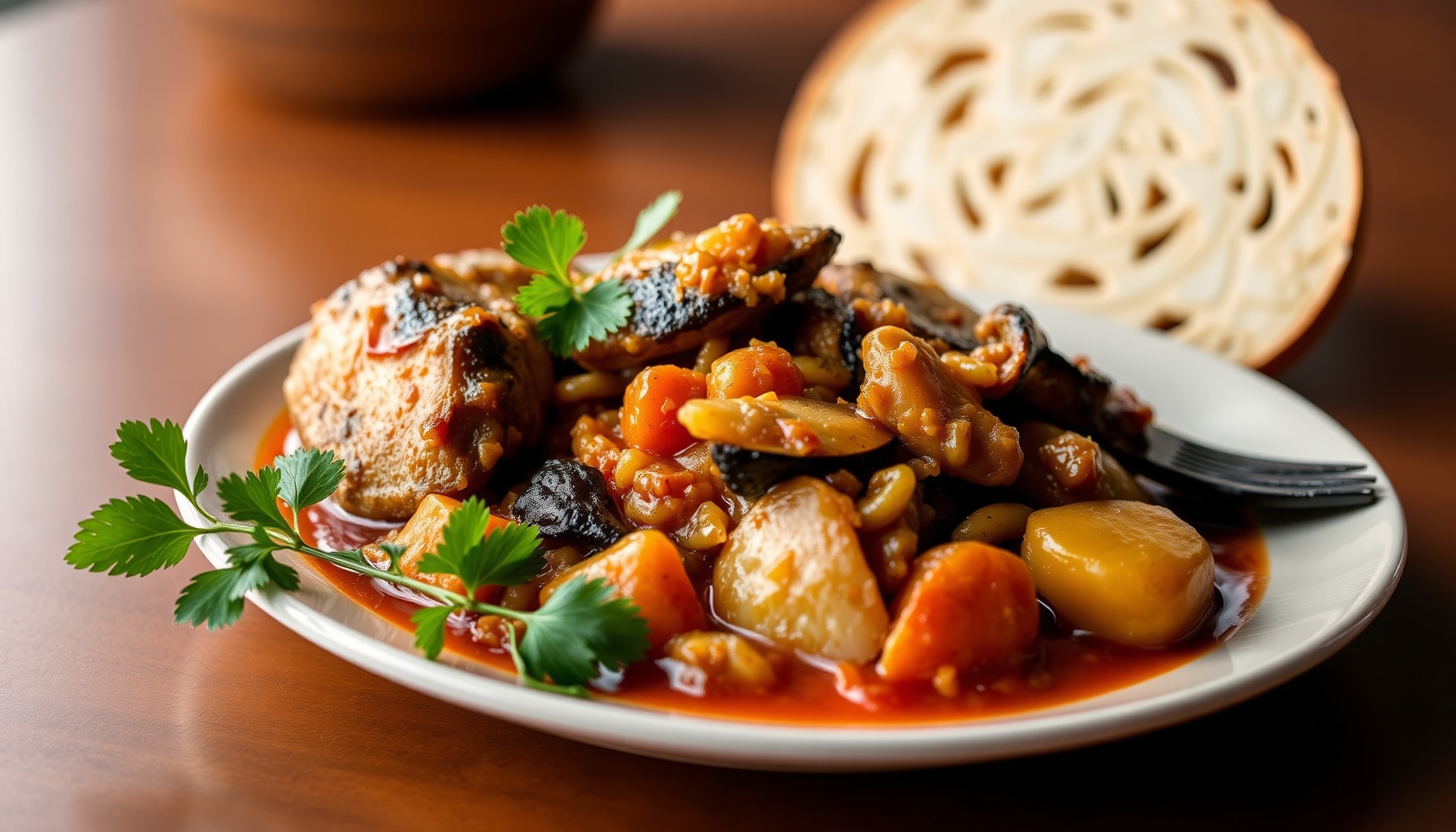
Goat Water
Traditional Celebration Dish
Spiced goat stew—St. Kitts and Nevis celebration essential.
Ingredients: Goat meat, cubed, Breadfruit, green papaya, Onion, tomato, Cloves, thyme, peppers, Rum (optional).
Preparation: Brown goat meat well. Add vegetables and spices. Add water, simmer 2+ hours. Then meat should be very tender. Adjust seasoning. Serve with johnny cakes.
💡 The longer it cooks, the better—goat needs time to tenderize.
Stewed Saltfish
Breakfast Staple
Salt cod stewed with vegetables—everyday morning meal.
Ingredients: Salt cod, soaked overnight, Tomatoes, onion, peppers, Thyme, scotch bonnet, Coconut oil, Breadfruit or dumplings.
Preparation: Soak and boil salt cod. Flake fish. Sauté vegetables. Then add fish, stew gently. To finish, serve with breadfruit or dumplings.
💡 Soak fish 24 hours, changing water—must remove salt.
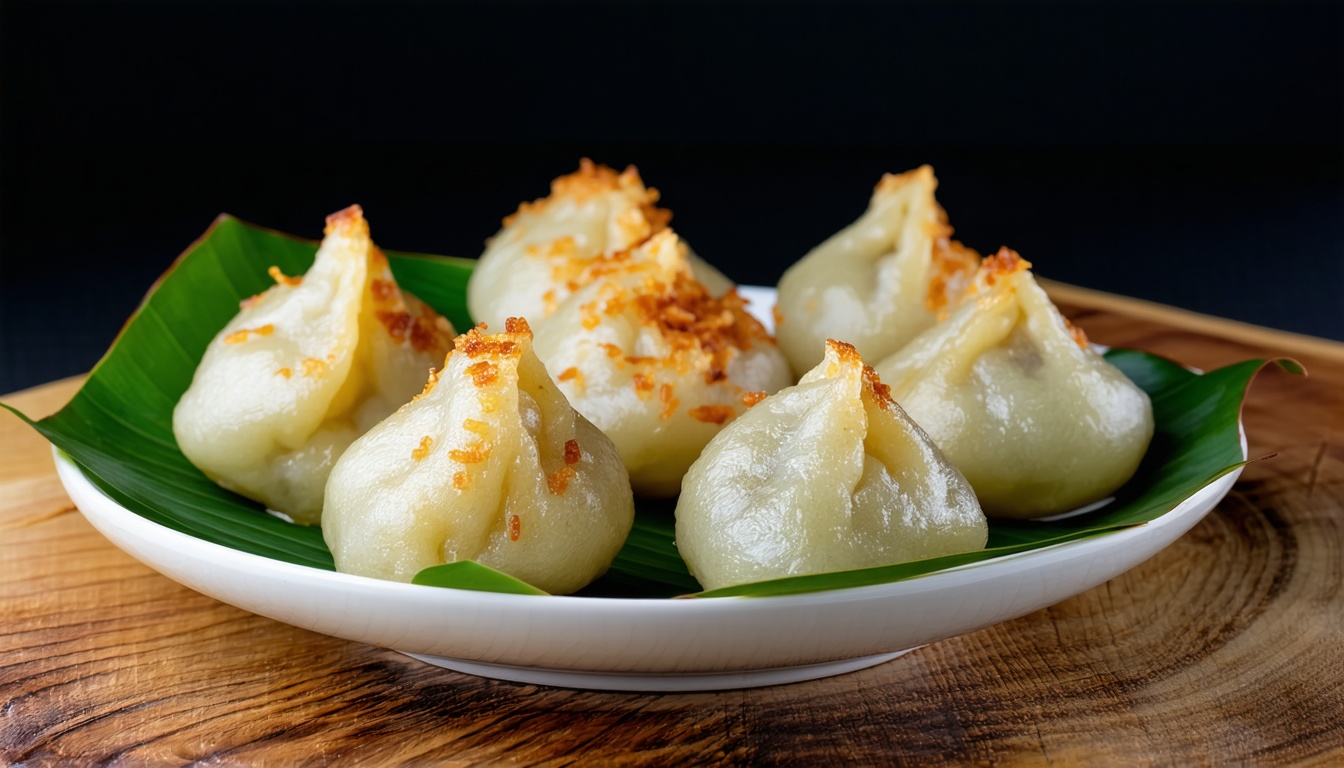
Preparation: Mix flour with coconut and sugar. Add spices. Add water to form dough. Then shape into balls. Boil or steam until cooked. Last, serve with stews or as dessert.
💡 Can be made sweet or plain depending on the meal.
10
🌡️ Climate & Best Time to Visit
The islands have a tropical maritime climate, moderated by trade winds. Warm weather is usual throughout the year, with a generally drier period early in the year and wetter conditions later. Rainfall varies with elevation and exposure, so a coastal forecast does not necessarily describe a mountain hike.
The Atlantic hurricane season runs from June through November. Check forecasts and local instructions before boat trips or mountain excursions, and allow flexibility in your itinerary. Warm seas do not eliminate strong currents or rough water.
11
✈️ Getting There
Robert L. Bradshaw International Airport is the main air gateway to Saint Kitts. Port Zante in Basseterre receives cruise ships. Direct flights and seasonal services change; check the airline and port schedules for your travel dates rather than relying on a fixed list of routes.
Vance W. Amory International Airport serves Nevis. Ferries and water taxis connect the islands, with different terminals and journey times: confirm the exact departure point, weather conditions, and current timetable. The Saint Kitts Scenic Railway follows former sugar-industry tracks as a sightseeing excursion, not an island-wide public transport service.
12
📋 Practical Information
Entry: Rules depend on nationality and travel purpose. Check passport validity, visa conditions, and the current electronic travel authorization requirements through the official border-management portal before departure. Do not treat British-passport advice as automatically applicable to Czech or US travelers. Currency: Eastern Caribbean dollar (XCD). Confirm whether a quoted price is in XCD or US dollars. Language: English is the official language; local Creole varieties are also spoken.
Getting around: Use licensed taxis and agree on the fare before departure. Driving is on the left; a local temporary driving permit may be required when renting a car. Safety: Serious crime does occur. Avoid isolated beaches after dark, protect valuables, and heed local advice. Check current safety guidance. Travel information checked September 17, 2026; rules and conditions can change.
13
✍️ Author's Note
Saint Kitts and Nevis carries the weight of Caribbean history with surprising grace. Standing atop Brimstone Hill at sunset, watching light play across the channel to Nevis while six islands shimmer on the horizon, you're standing where empires collided over sugar and sovereignty. Then you descend to a rum punch at a plantation inn, calypso drifting from somewhere unseen, and the historical gravity dissolves into pure Caribbean contentment.
Sources and editorial notes
Repair checked September 17, 2026. The country articles and three recipes are retained; unrelated Georgian passages were removed. This is not a full historical audit of the original text. Recipes are brief cooking ideas rather than precisely measured formulas.