English is the local official language; Saint Lucian Kwéyòl is widely spoken but is not published here without reliable language review.
Contents
01
🌏 Overview
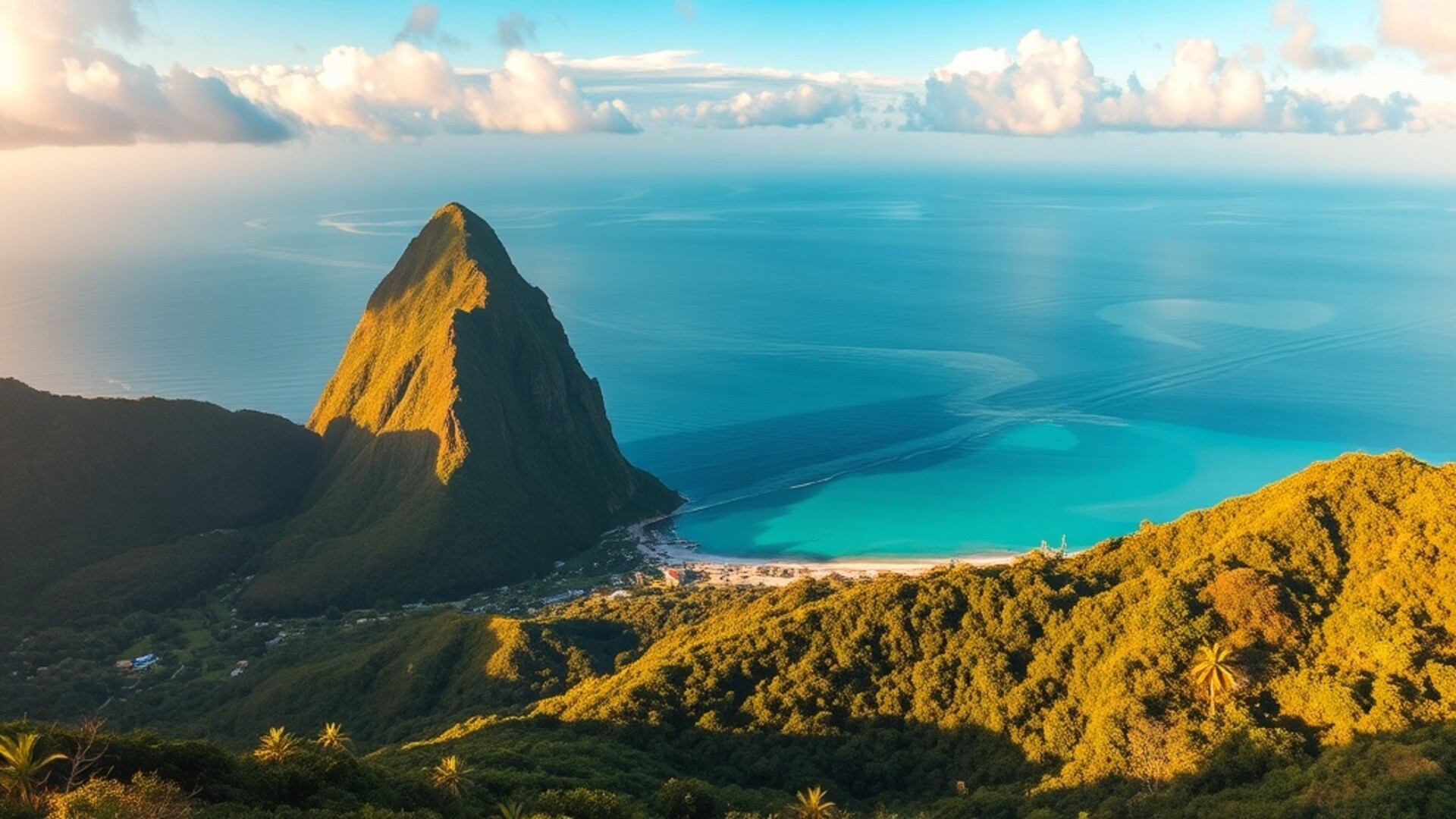
Saint Lucia rises from the eastern Caribbean in a succession of volcanic ridges, forested valleys, and steep coastal headlands. Near Soufrière, Gros Piton and Petit Piton form the island’s defining silhouette and anchor a UNESCO World Heritage property that joins volcanic geology, tropical forest, coral reefs, and centuries of human history.
Its culture reflects Indigenous foundations, African survival, French and British colonial rule, and a confident modern Caribbean identity. English is official, while Saint Lucian Kwéyòl carries a strong French lexical heritage and remains central to music, storytelling, food, and Jounen Kwéyòl celebrations.
The island is associated with two Nobel laureates: economist Sir W. Arthur Lewis and poet and playwright Derek Walcott. Their work gives Saint Lucia an intellectual presence far larger than its physical size.
02
🗺️ Geography
Saint Lucia is about 43 kilometers long and 23 kilometers across at its widest point. A mountainous spine runs through the interior, reaching 950 meters at Mount Gimie. The west coast faces the Caribbean Sea; the east coast meets the Atlantic and is generally rougher and more exposed.
The Pitons Management Area covers 2,909 hectares around Soufrière. UNESCO records Gros Piton at 770 meters and Petit Piton at 743 meters, linked by the Piton Mitan ridge. The wider volcanic complex includes fumaroles, hot springs, reefs, moist forest, and rare summit vegetation.
03
🗺️ Map
04
📜 History
Arawak-speaking communities and later Kalinago people lived on the island before sustained European colonization. France and Britain repeatedly contested Saint Lucia during the seventeenth and eighteenth centuries; the island passed definitively to Britain in 1814 after the Napoleonic Wars.
Plantation agriculture—especially sugar and later bananas—depended on enslaved African labor until emancipation in the British Empire. Saint Lucia became independent on February 22, 1979, while remaining a parliamentary democracy within the Commonwealth.
05
👥 People & Culture
Saint Lucian culture blends African, French Creole, British, and wider Caribbean influences. Kwéyòl is heard in homes, markets, music, and public celebrations. Jounen Kwéyòl in October foregrounds language, traditional dress, craft, music, and food across participating communities.
The Saint Lucia Jazz & Arts Festival and July Carnival draw large audiences, while weekly street gatherings such as the Gros Islet Friday Night Street Party connect visitors with local food and music. Treat these as community spaces: ask before photographing people and arrange safe transport home.
06
🏙️ Castries
Castries is the capital, principal port, and commercial center. The city’s market, Cathedral Basilica of the Immaculate Conception, and Derek Walcott Square offer a compact introduction to urban Saint Lucia, though cruise-ship traffic can transform the center on busy days.
Morne Fortune above the city preserves military remains and broad views over the harbor. The capital is a working Caribbean city rather than a resort enclave; daytime exploration is rewarding, but use normal urban precautions and licensed transport after dark.
07
🌋 The Pitons & Soufrière
Gros Piton and Petit Piton rise beside the sea near Soufrière, within a landscape UNESCO recognizes for exceptional natural beauty and evidence of volcanic processes. The nearby Sulphur Springs geothermal field contains fumaroles and hot springs; access rules and safe zones should be respected.
Gros Piton hikes are usually arranged with local guides and require suitable footwear, water, and realistic expectations about heat and steep terrain. Petit Piton is much more technical and should not be treated as an ordinary tourist walk. In town and nearby estates, cacao, botanical gardens, mineral baths, and fishing traditions reveal a broader Soufrière beyond the postcard view.
08
🏖️ Northern Saint Lucia
Rodney Bay and Gros Islet form the island’s largest tourism zone, with Reduit Beach, a marina, restaurants, and nightlife. Pigeon Island National Landmark combines beaches, trails, and surviving fortifications connected with the Anglo-French struggle for the Caribbean.
Marigot Bay lies farther south on the west coast and is admired for its sheltered setting. Inland rainforest excursions depart from several communities, but wildlife sightings are never guaranteed. The endemic Saint Lucia parrot is protected; observe birds quietly and avoid operators who disturb habitat.
09
🍽️ Cuisine
Saint Lucian cooking combines Creole technique with green bananas, saltfish, root crops, coconut, cacao, and fresh seasoning.
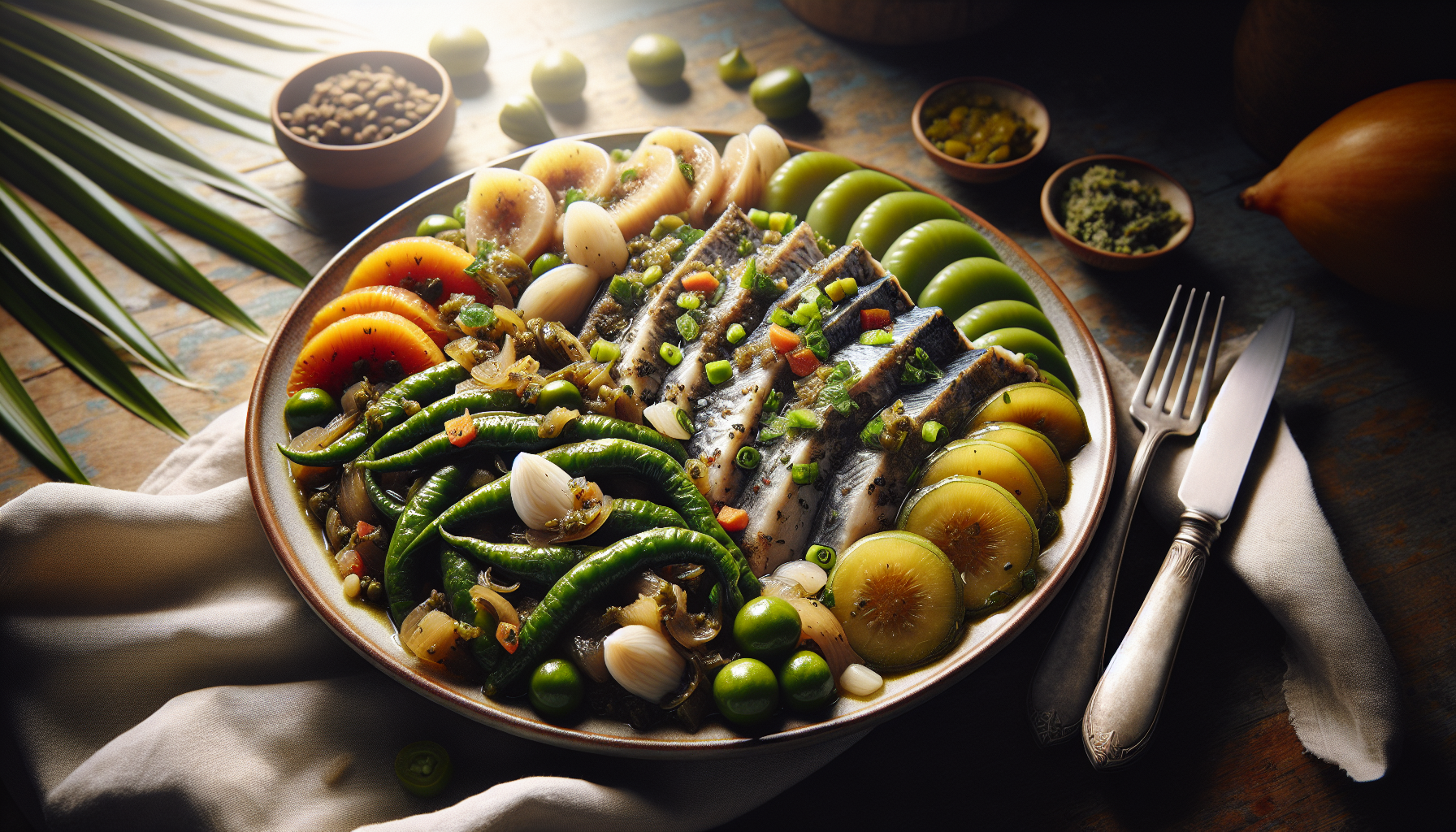
Green Fig and Saltfish
National dish
Boiled green bananas are served with properly soaked and cooked salt cod, onion, tomato, peppers, thyme, and local seasoning.
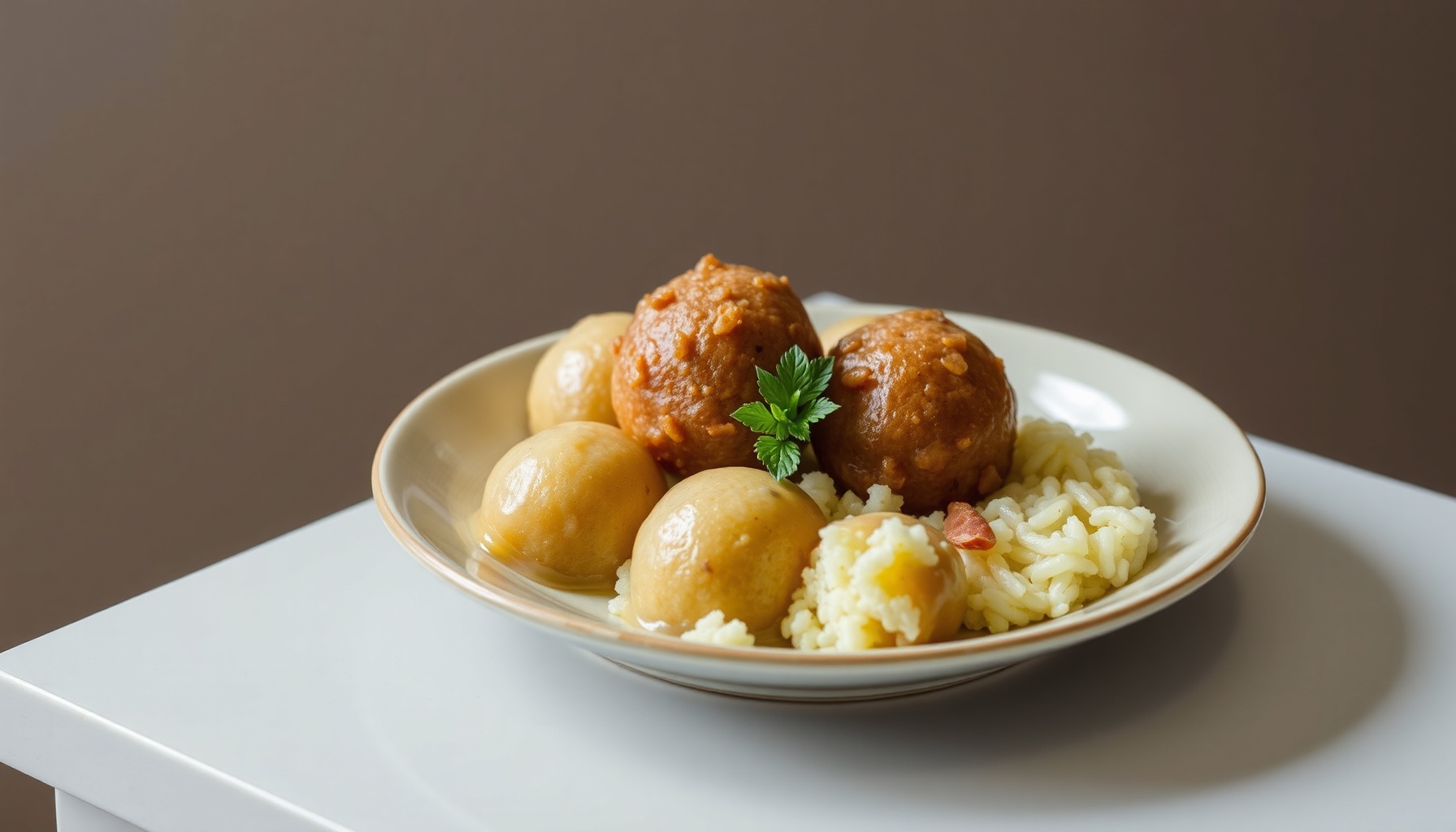
Bouyon
One-pot Creole stew
A substantial stew of meat or chicken, ground provisions, dumplings, herbs, and sometimes coconut milk; family versions differ.
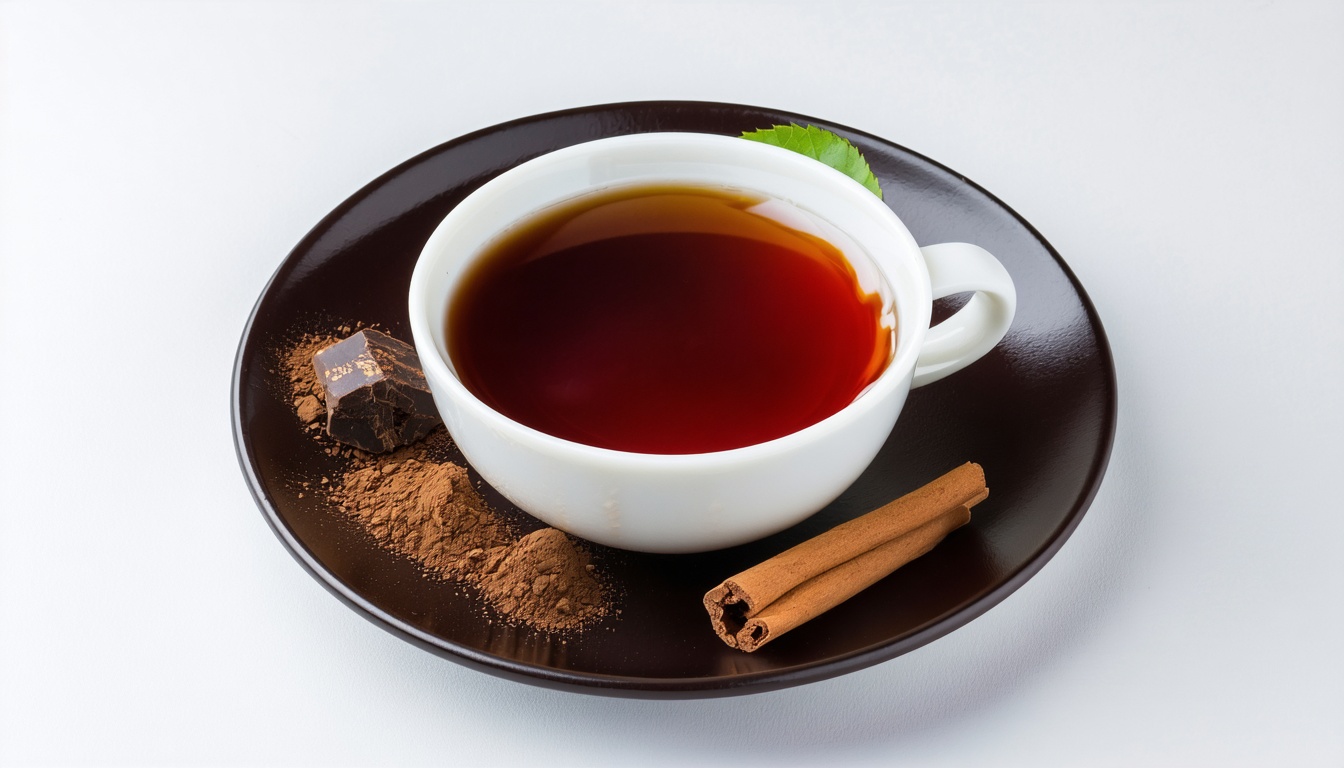
Cocoa Tea
Traditional cacao drink
Grated cocoa stick is simmered with water, cinnamon, bay leaf, nutmeg, milk, and sugar, then strained and served hot.
10
🌡️ Climate & Best Time to Visit
Saint Lucia has a warm tropical maritime climate. Rain can fall throughout the year, with a generally drier period early in the year and wetter conditions later. Mountain weather changes quickly, and rainfall may differ sharply between coasts and interior ridges.
The Atlantic hurricane season runs from June through November. Monitor official forecasts, especially before boat trips or exposed hikes, and keep flexible plans during periods of heavy rain. Strong currents occur at some beaches, and not every beach has lifeguards or warning flags.
11
✈️ Getting There
Hewanorra International Airport (UVF) in the south is the main gateway for long-haul flights. George F. L. Charles Airport (SLU), near Castries, primarily handles regional services. Airline routes are seasonal and change; verify the operating schedule for your dates.
Road travel between Hewanorra and the north can take considerably longer than the straight-line distance suggests because the route is winding. Inter-island air and ferry services vary by season and weather, so confirm the carrier, departure port, baggage rules, and same-day timetable before relying on a connection.
12
📋 Practical Information
Entry: Requirements depend on nationality and purpose. Check passport validity, visa rules, and Saint Lucia’s electronic immigration form before departure. UK guidance states that its visa-free and six-week information applies to full British-citizen passports; US and Czech travelers should verify the rules applicable to their own passports.
Money and language: The Eastern Caribbean dollar (XCD) is the local currency; US dollars are often accepted, but change may be returned in XCD. English is official and Kwéyòl is widely spoken. Confirm which currency a price uses.
Transport and safety: Driving is on the left and visitors without a Saint Lucian license need a temporary permit. Roads can be steep, narrow, and poorly lit. Use licensed taxis, agree the fare in advance, secure valuables, and avoid isolated beaches after dark. Travel information checked September 17, 2026; conditions can change.
13
✍️ Author’s Note
Saint Lucia’s most famous view is almost impossibly dramatic, yet the island becomes more interesting when the Pitons stop being a backdrop and begin to organize the landscape: fishing towns at their feet, cacao estates inland, roads bending around ridges, and Kwéyòl carrying memory between generations. The rewarding journey is not a race through attractions but a slow reading of those connections.
Sources and editorial notes
Repair checked September 17, 2026. Thirteen original topic sections and three recipes are retained; unrelated Georgian passages were removed. This is an editorial and structural repair, not a complete scholarly audit.