01 🏔️ Overview
Slovenia defies its modest size with an extraordinary concentration of natural and cultural treasures. In a country smaller than New Jersey, you can ski Julian Alps peaks in the morning, lunch beside a turquoise alpine lake, explore underground cave systems in the afternoon, and watch the sunset from a Mediterranean fishing village — all without driving more than two hours. This pint-sized nation at the crossroads of Alpine, Mediterranean, Pannonian, and Karst worlds offers Europe's greatest geographic diversity per square kilometer.
Lake Bled, with its island church and clifftop castle, has become Slovenia's iconic image, but the country's real magic lies beyond the postcard. The Soča River's emerald gorges, the Škocjan Caves' cathedral-sized underground chambers, Ljubljana's car-free riverside cafés, and the vine-draped hills of the Primorska wine region each compete for the traveler's deepest affection. Over 60% of the country is forested, one of the highest ratios in Europe, and its environmental consciousness runs deep.
02 📛 Name & Identity
Often confused with Slovakia (both countries' embassies reportedly exchange misdirected mail monthly), Slovenia is a distinct nation with a unique Alpine-Slavic character. The name shares the same Slavic root meaning "people of the word," and Slovene identity was preserved through language and literature for centuries under Habsburg rule. The Freising Manuscripts, dating to approximately 1000 AD, are the oldest known text in any Slavic language written in the Latin alphabet — and they're Slovene.
Independence came in 1991 after a brief Ten-Day War, making Slovenia the first Yugoslav republic to break away. Since then, the country has been a model of post-socialist transition: EU and NATO membership in 2004, euro adoption in 2007, and consistently among the highest living standards in Central and Eastern Europe. The Slovenes are proud, educated, multilingual people who share a national passion for mountains, beekeeping, and making sure visitors pronounce Ljubljana correctly (it's lyoo-BLYAH-nah).
03 🗺️ Geography
Slovenia's 20,273 km² encompass a startling variety of landscapes. The Julian Alps in the northwest climax at Mount Triglav (2,864 m), the national symbol that appears on the flag and coat of arms. Below the Alps, the Karst plateau — which gave its name to karst topography worldwide — conceals one of the planet's greatest concentrations of caves, sinkholes, and underground rivers. The Pannonian Plain extends eastward with vineyards and thermal springs, while a 47-km sliver of Adriatic coastline around Piran offers Mediterranean warmth.
Water is Slovenia's defining element: the country has over 7,000 freshwater springs, 1,300 lakes, and rivers that range from the gentle Ljubljanica (which disappears underground and resurfaces several times) to the legendary Soča, whose almost supernatural turquoise color draws kayakers, fly fishermen, and photographers from across Europe.
04 📜 History
Slavic tribes settled the eastern Alps in the 6th century, establishing the Duchy of Carantania — one of the earliest Slavic states. For most of recorded history, however, Slovenia was under Habsburg rule (from the 13th century to 1918), a period that left an Austrian architectural imprint visible in Ljubljana's baroque churches and provincial manor houses. Brief incorporation into Napoleon's Illyrian Provinces (1809-1813) paradoxically boosted Slovene national consciousness by making Ljubljana a provincial capital for the first time.
The 20th century brought incorporation into Yugoslavia, partisan resistance during World War II, and decades of socialist modernization under Tito. Slovenia's June 1991 declaration of independence triggered the Ten-Day War — a remarkably brief conflict that ended with Yugoslav forces withdrawing and Slovenia emerging sovereign. The smoothness of this transition reflected both diplomatic skill and the fact that Slovenia's relatively homogeneous population avoided the ethnic conflicts that devastated other Yugoslav successor states.
05 👥 People & Culture
With just 2.1 million people, Slovenia feels intimate — everyone seems to know everyone, and the distinction between "local" and "tourist" quickly blurs. Slovenes are reserved at first meeting but warm up quickly over a glass of local wine or a mountain hike. They share a national obsession with nature (weekend hikes to mountain huts are practically mandatory), beekeeping (Slovenia has the most beekeepers per capita in Europe), and maintaining their language — all 2.5 million speakers of it worldwide.
Cultural life punches well above the country's weight: the Maribor theater and Ljubljana festival scene rival those of much larger capitals, the avant-garde Metelkova autonomous zone occupies a former military barracks with galleries and clubs, and the philosopher Slavoj Žižek has turned Ljubljana into an unlikely center of Continental philosophy. The traditional practice of beekeeping is so central to Slovenian identity that painted beehive panels (panjske končnice) are recognized as a distinct folk art form.
06 💧 Lake Bled & Bohinj
Lake Bled needs no introduction — its island church, reached by traditional pletna boats, and the medieval castle perched 130 meters above the water form one of Europe's most iconic landscapes. But beyond the Instagram shots, Bled offers genuine Alpine charm: cream cake (kremšnita) at the lakeside Park Hotel, walks around the 6-km shoreline, and swims in surprisingly warm water heated by thermal springs beneath the lake bed.
Just 30 minutes southwest, Lake Bohinj offers Bled's grandeur without the crowds. Slovenia's largest lake sits within Triglav National Park, surrounded by mountains that rise directly from the shoreline. The Savica Waterfall drops 78 meters into a pool of impossibly blue water, the cable car to Vogel ski resort offers panoramic views of the entire Julian Alps, and the lake itself remains beautifully uncommercial — no lakeside hotels, just nature, silence, and the occasional kayak gliding across mirror-still water.
07 🍽️ Cuisine
Slovenian cuisine reflects its geographic crossroads: Austrian influences in the Alps (strudel, sausages), Italian flavors on the coast (seafood, olive oil, prosciutto), Hungarian touches in the east (goulash, bograč stew), and a homegrown tradition of hearty peasant cooking that's been elevated by a new generation of chefs. The country's 24 gastronomic regions — in a country of just 2 million — speak to remarkable culinary diversity.
Essential dishes include štruklji (rolled dumplings with various fillings), žlikrofi (Idrija-style ravioli, the only Slovenian dish with EU protected origin status), potica (a rolled nut bread served at every celebration), and kremšnita (Bled's famous cream cake with crispy pastry and vanilla custard). Slovenian wines, especially those from the Goriška Brda and Vipava Valley regions, are gaining international recognition — the orange wines from extended maceration of white grapes are a particular revelation.
08 ℹ️ Practical Info
Visa: EU/Schengen — no visa for EU/US/UK/CA/AU citizens up to 90 days. Currency: Euro (€). Transport: Ljubljana airport (LJU) has connections to major European cities; Venice (2.5 hrs), Trieste (1.5 hrs), and Graz (2.5 hrs) airports also serve Slovenia. Compact size means everything is within 2-3 hours by car. Language: Slovene; English widely spoken, especially by younger people.
Budget: Mid-range by European standards. Hostels €20-30, hotels €60-120, restaurant meals €10-20. Mountain huts €20-35/night. Safety: Extremely safe, one of Europe's lowest crime rates. Best time: June-September for hiking and lakes; December-March for skiing; May and October for wine regions and fewer tourists.
09 🏆 UNESCO World Heritage
Slovenia's UNESCO sites span from prehistoric to modern: the Škocjan Caves (a vast underground canyon system), the Idrija Mercury Mine Heritage, the prehistoric pile dwellings on the Ljubljana Marshes, the ancient and primeval beech forests of the Carpathians (shared), and the heritage of mercury mining in Almadén and Idrija. Jože Plečnik's architectural works in Ljubljana are on the Tentative List and widely expected to receive inscription — his vision transformed the capital from a provincial Habsburg town into a unified architectural masterpiece.
10 🤔 Fascinating Facts
Bee Nation: Slovenia has the most beekeepers per capita in the EU. The Carniolan honey bee (Apis mellifera carnica) is their national treasure, and World Bee Day (May 20) was a Slovenian UN initiative.
Living Dragon: The olm (Proteus anguinus), a blind cave salamander found in Slovenian caves, can live over 100 years and was historically believed to be a baby dragon. It's called "the human fish" for its pinkish skin.
Forest Kingdom: Over 60% of Slovenia is forested — the third-highest proportion in Europe — and the country has increased its forest cover every decade for the past century.
Melania Trump's Homeland: The former First Lady of the United States was born Melanija Knavs in the town of Novo Mesto in southeastern Slovenia.
11 📸 Gallery
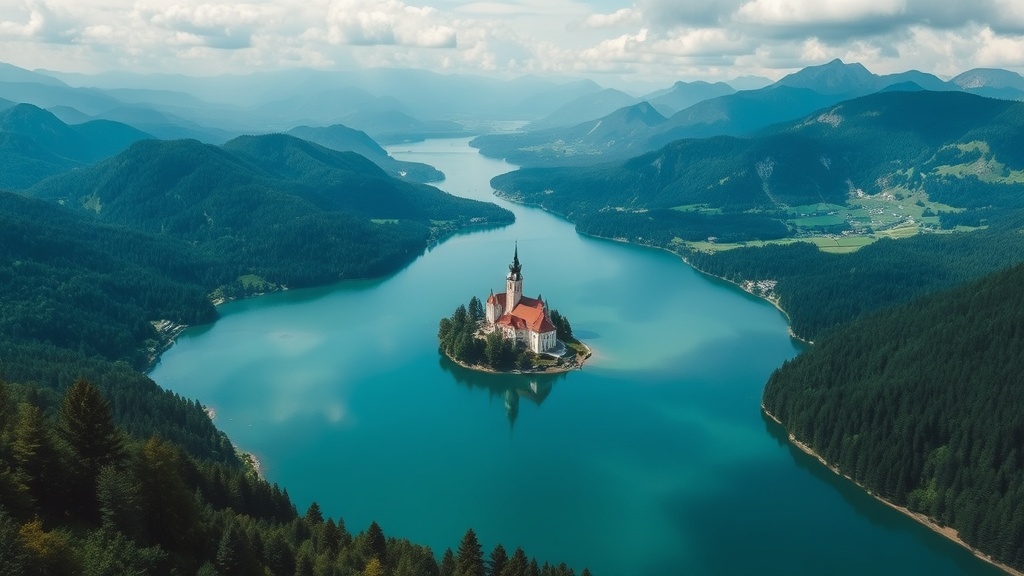
Lake Bled
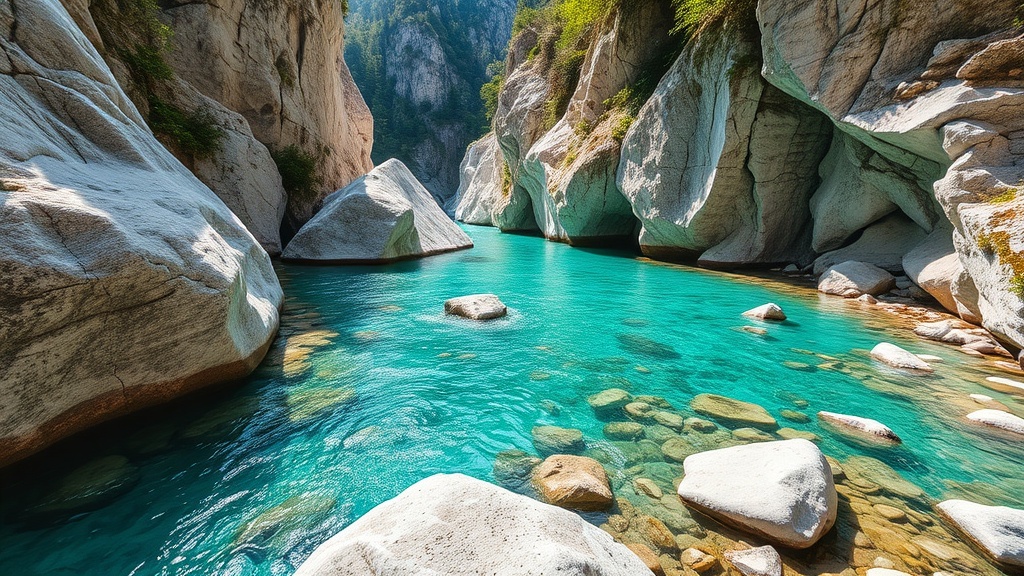
Soča River Valley
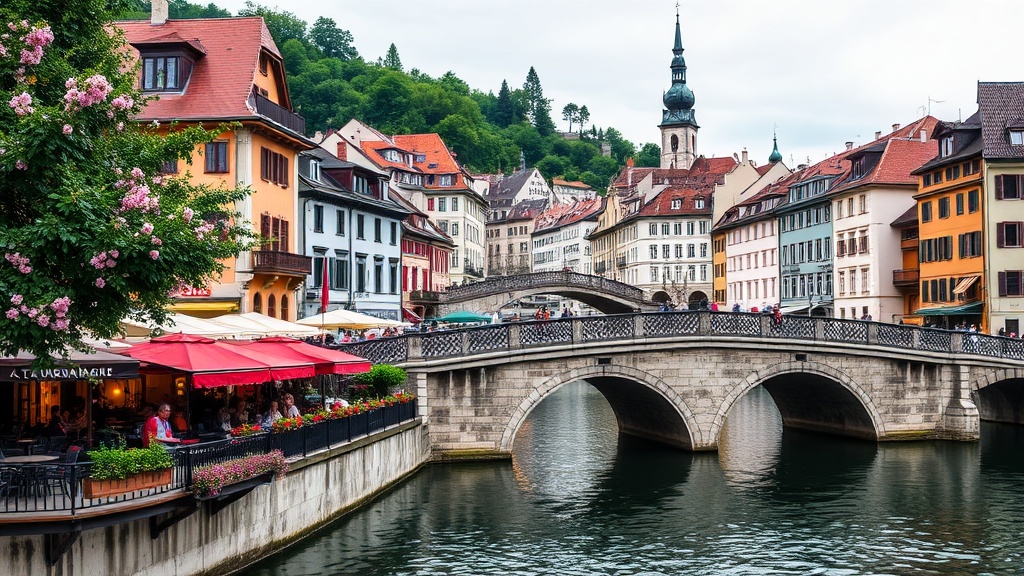
Ljubljana Old Town
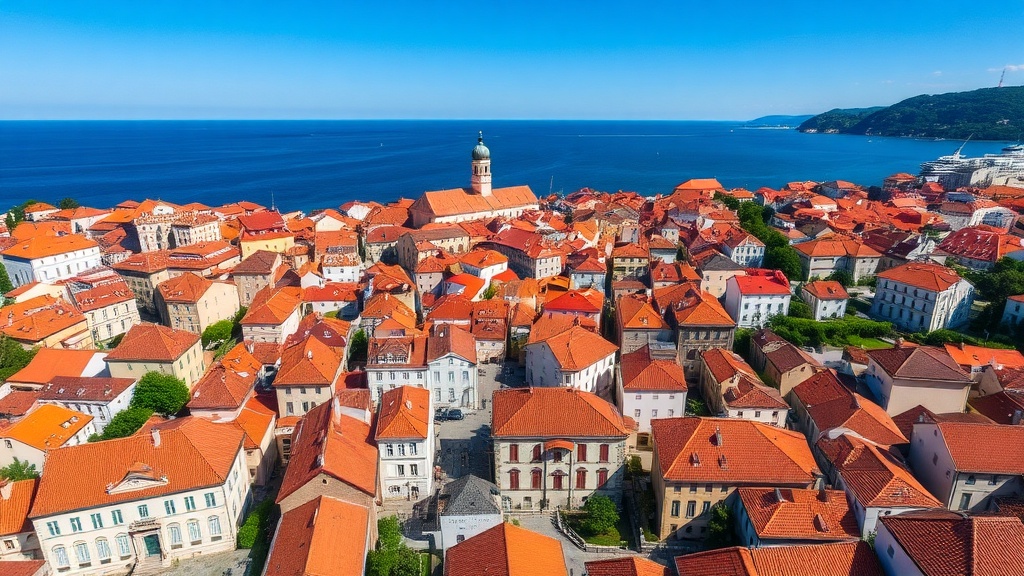
Piran, Adriatic Coast
12 ✍️ Author's Note
I keep returning to Slovenia the way one returns to a favorite short story — it says everything in the most economical way possible. On my last visit, I drove from Lake Bohinj's alpine stillness through the Julian Alps via the vertiginous Vršič Pass, descended to the Soča River's impossible turquoise, lunched on Adriatic seafood in Piran, and was back in Ljubljana for a riverside aperitif — all in a single day. No other country offers such concentrated beauty, and the Slovenes, who are justifiably proud of their small nation, make sure you notice every last bit of it.
13 🗺️ Map
📚 Resources
I Feel Slovenia ·
Wikipedia: Slovenia
