

🇫🇯 Fiji at a Glance
🌏 Overview — Why Visit Fiji
332 islands in the South Pacific, about 110 of them inhabited, with 930,000 people across an archipelago spread over a piece of ocean the size of western Europe. Fiji is the hub of the Pacific — the flights connect here, the university is here, and it is the one South Pacific country most people can actually name.
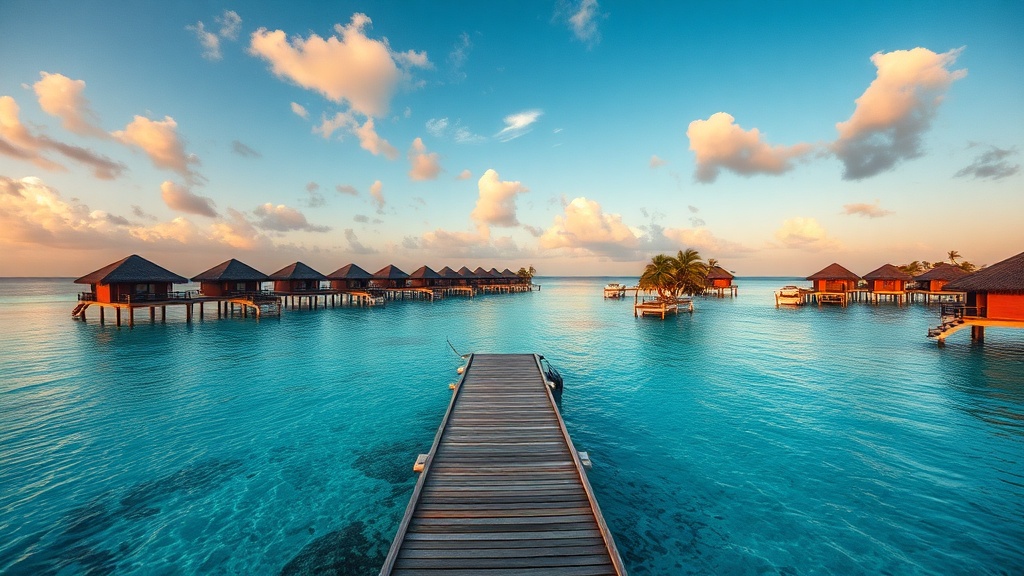
It is genuinely two destinations. There is the resort Fiji — the Mamanucas and the Coral Coast, family-friendly, easy, and the reason Fiji is Australia and New Zealand's default beach holiday. And there is the other one: the Yasawa backpacker boat, the Rainbow Reef off Taveuni with some of the finest soft coral diving anywhere, Beqa Lagoon where you kneel on the sand while bull sharks swim past, and highland villages on Viti Levu where you present kava to a chief before you are allowed to stay.
The social story is the interesting one. Fiji is home to two peoples who arrived a century apart: the indigenous iTaukei, and the Indo-Fijians descended from indentured labourers brought by the British between 1879 and 1916. That relationship has shaped every political crisis the country has had — four coups since 1987 — and it is also why you can eat a very good curry and drink kava on the same evening.
The practical case: it is warm all year, English is an official language, the flights from Australasia are cheap and frequent, and it works for backpackers on 40 dollars a day and for honeymooners on 800. The catch is that it is a genuinely long way from Europe — around thirty hours from Prague — and there is a cyclone season.
🏷️ Name & Identity
Fijians call their country Viti. "Fiji" is the Tongan pronunciation, Fisi, picked up by Captain Cook and fixed in English by the traders and missionaries who followed. The country is formally the Republic of Fiji, and its people are constitutionally all "Fijians" — a change made in 2010 that matters more than it sounds.
iTaukei
The indigenous Melanesian-Polynesian population, about 57% of the country. Since 2010 the official term for them is iTaukei — "the owners" — with "Fijian" reserved for all citizens regardless of ethnicity. Before that, "Fijian" meant only the indigenous population, and the change was contested.
Indo-Fijians
About 37%, descended from the roughly 60,000 indentured labourers brought from India for the sugar plantations. They have been in Fiji for five or six generations and are as Fijian as anyone; the politics of saying so is the country's central question.
The land
About 87% of Fiji's land is inalienable iTaukei communal land, held by clan groups (mataqali) and leasable but not sellable. This is the constitutional fact under everything — including why Indo-Fijian farmers have historically been tenants.
Bula
The all-purpose greeting, meaning life or health, and used as hello, welcome and cheers. You will hear it several hundred times a day and it is genuinely meant.
The flag
Light blue for the Pacific, the Union Jack, and a shield with sugar cane, a coconut palm, a dove of peace and bananas. A 2013–15 attempt to remove the Union Jack was abandoned after public resistance.
Where the day begins
The 180th meridian runs through Taveuni, and Fiji sits just west of the date line, so it is among the first places on Earth to see each new day. There is a marked spot on Taveuni where you can stand in two days at once — approximately.
🗺️ Geography
Two big volcanic islands and a great many small ones, scattered across 1.3 million km² of ocean with only 18,274 km² of land. Viti Levu and Vanua Levu together hold about 87% of the population; the rest are coral atolls, volcanic cones and limestone islands.
Viti Levu
The main island, 10,400 km², with Nadi and the international airport in the west, Suva and the government in the south-east, and a mountainous interior rising to Tomanivi at 1,324 m. The Coral Coast runs along its southern shore.
Vanua Levu
The second island, 5,600 km², much less visited — Savusavu on its south coast, Labasa and the sugar belt in the north, and the diving of the Somosomo Strait off its eastern end.
The wet and dry sides
Trade winds hit the south-east of both big islands, which are rainforest, while the north-west is dry savanna and sugar cane. Nadi is dry and sunny; Suva, 190 km away, gets three times the rain.
Island groups
The Mamanucas and Yasawas west of Nadi; Taveuni and the Lomaiviti group in the middle; Kadavu in the south with the Great Astrolabe Reef; the remote Lau group in the east; and Rotuma, 500 km north with its own language and culture.
Reefs
Fiji sits in the coral triangle's eastern reach with over 1,000 km of barrier and fringing reef and around 400 coral species. The Great Sea Reef off Vanua Levu is the third-longest barrier reef in the world.
The date line
Fiji is at UTC+12 and the 180th meridian crosses Taveuni and Vanua Levu, though the date line itself is drawn east of the country so the whole archipelago keeps one date.
📍 Map of Fiji
Nadi in the west of Viti Levu is where you land and where most trips begin. From there it is a boat west to the Mamanucas and Yasawas, a road round the Coral Coast to Suva, or a short flight to Taveuni, Savusavu or Kadavu.
Nadi → Denarau
Ten minutes to the marina where every island boat leaves from. Denarau is a gated resort peninsula and it is not Fiji, but it is where the logistics happen.
Denarau → Mamanucas
20 minutes to two hours by catamaran, depending on the island. Day trips are easy.
Denarau → Yasawas
The Yasawa Flyer catamaran runs daily up the chain, taking about five hours to the far end. The Bula Pass gives you unlimited hop-on hop-off travel and is how the backpacker circuit works.
Nadi → Suva
About 190 km. The Queens Road along the Coral Coast takes four hours and is the scenic way; the Kings Road round the north is longer and rougher. Buses and shared vans run constantly.
Nadi → Taveuni
About 90 minutes by Fiji Link turboprop, or via Savusavu. There is also a ferry, which takes most of a day and a night.
Nadi → Kadavu
Under an hour by air. There is no road network on Kadavu to speak of — you travel by boat.
📜 History — Lapita, Cannibals, Cession
The Lapita people reached Fiji around 3,500 years ago, part of the extraordinary Austronesian expansion across the Pacific, and Fiji became the crossroads where Melanesian and Polynesian worlds met — which is why Fijian culture has elements of both and why Tonga and Fiji have been entangled for a thousand years.
Pre-contact Fiji was a landscape of chiefdoms, fortified villages and near-constant warfare, with a genuine and well-documented tradition of ritual cannibalism. Fiji was known to nineteenth-century sailors as the Cannibal Isles, and chief Ratu Udre Udre is credited by a stone count with the largest number of victims of any individual on record. The missionary Thomas Baker was killed and eaten at Navatusila in 1867 — reportedly after touching a chief's head — and the village formally apologised to his descendants in 2003.
European contact brought sandalwood traders, bêche-de-mer, muskets and disease. Ratu Seru Cakobau, the most powerful chief, converted to Christianity in 1854 and eventually — facing debts to American traders and pressure from rivals — ceded Fiji to Britain in 1874. A measles epidemic the following year killed perhaps a third of the population.
The colonial government then made the decision that shaped modern Fiji. To develop sugar without alienating iTaukei land or labour, it imported indentured workers from India — the girmitiyas, from "agreement" — around 60,000 of them between 1879 and 1916, under conditions that were investigated and condemned at the time. Most stayed. That is the origin of the Indo-Fijian community and of everything that followed.
🕯️ Independence & the Coups
Fiji became independent on 10 October 1970, exactly 96 years after cession, with a constitution designed to balance the two communities. It held for seventeen years.
1987 · two coups
When an Indo-Fijian-supported coalition won the election, Lieutenant Colonel Sitiveni Rabuka seized power in May and again in September, declared a republic and left the Commonwealth. Tens of thousands of Indo-Fijians emigrated over the following decade — a brain drain the country has never made up.
2000 · the Speight coup
Businessman George Speight and armed men held the first Indo-Fijian prime minister, Mahendra Chaudhry, and his cabinet hostage in parliament for 56 days. The government fell; Speight was later convicted of treason.
2006 · Bainimarama
Military commander Frank Bainimarama removed the government, citing corruption and racially discriminatory policy. He ruled by decree for eight years, abrogated the constitution in 2009, and imposed a new one in 2013.
The 2013 constitution
Whatever its origins, it created a single national constituency, a common electoral roll and equal citizenship — abolishing the communal voting that had entrenched ethnic politics since 1970. That much is widely regarded as an improvement.
2014 and 2022
Elections in 2014 and 2018 returned Bainimarama. In 2022 a coalition narrowly unseated him and made Sitiveni Rabuka — the 1987 coup leader — prime minister by democratic vote. The transfer of power was peaceful, which after four coups was the point.
Where it stands
Politically calm for visitors and normal in daily life. The underlying questions of land, ethnicity and the military's role in politics are not resolved, and Fijians discuss them freely and with some weariness.
👥 Two Peoples
Understanding Fiji means understanding that it has two founding populations who arrived a century apart, live largely parallel lives, and between them make the country what it is. Neither is going anywhere and both are Fijian.
iTaukei life
Village-based and communal, organised by mataqali clan and chiefly rank, overwhelmingly Christian and mostly Methodist. Land is held collectively and cannot be sold. Obligations to village and kin — kerekere, the right to ask and the duty to give — remain strong.
Indo-Fijian life
Concentrated in the sugar belt of western Viti Levu and northern Vanua Levu and in urban business. Predominantly Hindu with a substantial Muslim minority, speaking Fiji Hindi, a distinct language that developed from the mixed dialects of the indentured labourers.
The land question
Around 87% of land is inalienable iTaukei land. Indo-Fijian cane farmers held long leases that began expiring from 1997, and many were not renewed — pushing families off farms their grandparents had worked and driving a second wave of emigration.
Emigration
The Indo-Fijian share of the population has fallen from a majority in the 1980s to about 37% now, almost entirely through emigration to Australia, New Zealand, Canada and the US after 1987 and 2000.
What you will see
Two cuisines, two sets of festivals, two languages besides English, mosques and temples beside Methodist churches, and a great deal of everyday coexistence that gets less coverage than the coups.
How to talk about it
Fijians of both communities will discuss it openly if you ask with genuine curiosity. Do not arrive with a theory. And do not use "Fijian" to mean only iTaukei — that usage is now both inaccurate and pointed.
🥥 Kava
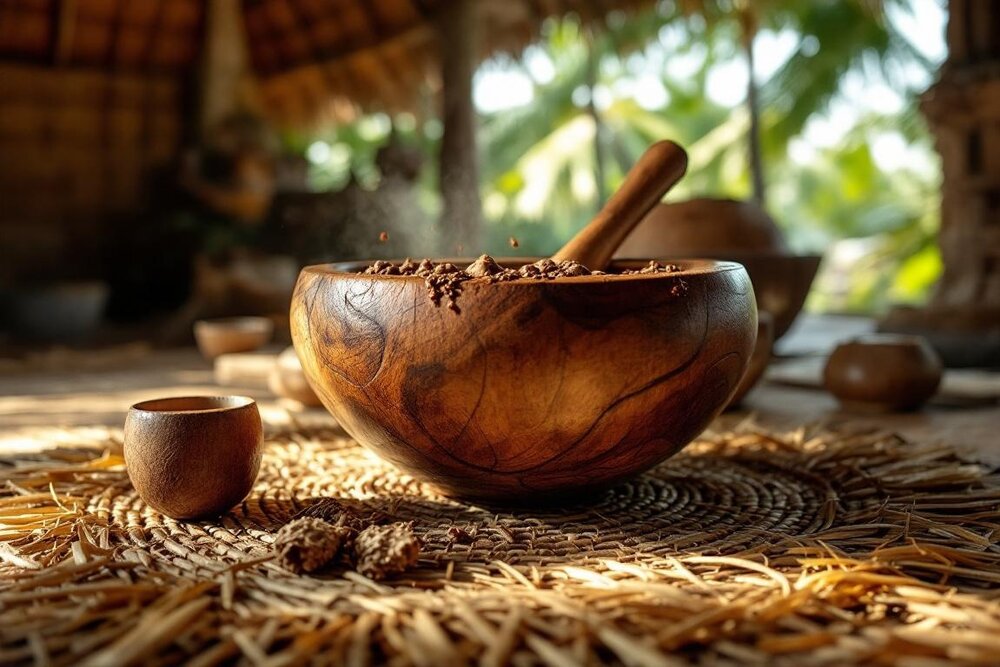
Yaqona — kava — is the centre of Fijian social life. It is a mildly sedative drink made from the pounded root of a pepper plant, drunk from a coconut-shell bilo out of a communal wooden tanoa, and it is offered constantly. Refusing is possible; accepting is much better.
How it works
The powdered root is kneaded through cloth in water until the bowl is a muddy brown. You clap once (cobo), say bula, drink the whole bilo in one, hand it back and clap three times. Do not sip.
What it does
Numbs your lips and tongue almost immediately, then relaxes you. It is not alcohol and not hallucinogenic — it makes you calm and talkative and, after many bowls, sleepy. Heavy sessions can run all night.
Low tide and high tide
"Low tide" is weak, "high tide" is strong. Ask for low tide first. Also note that kava and alcohol together is a bad idea, and heavy long-term use is associated with liver problems and a scaly skin condition.
The ceremonial version
A formal yaqona ceremony for a chief or a visiting dignitary is highly structured, with set positions, a herald and prescribed clapping. If you find yourself in one, watch and copy your host exactly.
The casual version
Far more common: a mat, a bowl, a guitar, and six hours. This is where you will actually meet Fijians, and it costs nothing but your evening.
Buying it
Bundles of waka (dried root) are sold in every market — Suva and Nadi municipal markets have whole sections. A bundle for sevusevu costs around FJ$20–50. Check your home country's rules before packing any; several restrict import.
🙏 Village Protocol
Visiting a Fijian village is not like visiting a town. Villages are private communal land, they have a chief, and there is a protocol — sevusevu — for entering. Getting it right is easy, and it changes the reception completely.
Sevusevu
You bring a bundle of kava root, present it to the turaga ni koro (village headman) or chief, and it is formally accepted on behalf of the village. Only then are you a guest rather than a trespasser. Any guide or resort will arrange this; never skip it.
Dress
Shoulders and knees covered, for men and women. A sulu — the wrapped skirt worn by both sexes — is ideal and cheap to buy. No swimwear anywhere in a village.
Hats and sunglasses
Remove both in a village and especially before a chief. Wearing a hat in a village is a direct insult, because the head is sacred.
Heads and shoulders
Never touch anyone's head, including children's. Do not stand over a seated person — sit down. Stoop slightly when passing in front of someone seated.
Shoes and doorways
Remove shoes before entering any house. Do not stand in a doorway. Sit cross-legged on the mat, and do not point your feet at anyone.
Sunday
Fiji is seriously Methodist and Sunday is genuinely observed in villages — church, then rest. Do not swim, make noise, work or arrive unannounced on a Sunday. Being invited to church, on the other hand, is a good day out.
🏝️ Viti Levu — Nadi, the Coral Coast & the Highlands
The main island, where almost everyone arrives and where a surprising number of people never leave. There is more to it than the airport strip.
Nadi
The airport town: functional rather than lovely, with the ornate Sri Siva Subramaniya Hindu temple — the largest in the southern hemisphere and covered in South Indian carving — and a good market. Most people transit through in a day.
Denarau
The gated resort peninsula ten minutes away: golf, chain hotels, a marina, and no Fiji whatsoever. Useful for the boats and for a first or last night.
The Coral Coast
The southern shore between Sigatoka and Pacific Harbour — resorts, reef, the Sigatoka Sand Dunes national park with 2,000-year-old burial sites, and the Sigatoka river valley.
Pacific Harbour
Fiji's adventure capital: the Beqa Lagoon shark dive, white-water rafting on the Navua river, ziplines and jungle. Also the Arts Village and the Beqa firewalkers.
The highlands
The interior is genuinely remote — Navala village with its bure thatched houses, the only village in Fiji entirely built in traditional style, and the Nausori Highlands. Requires a guide, a 4x4 and sevusevu.
Lautoka and the sugar belt
Fiji's second city, the sugar port, and the working landscape of cane trains and Indo-Fijian farms that the tourist route mostly bypasses.
🏙️ Suva
The capital, about 190,000 people in the greater area, on the wet south-east coast — and the real capital of the South Pacific: the University of the South Pacific, the Pacific Islands Forum, and the embassies all sit here. It rains constantly and it is by far the most interesting city in the region.
Fiji Museum
In Thurston Gardens: the Ratu Finau drua sailing canoe, the rudder of the Bounty, Lapita pottery, and Thomas Baker's boot — the one artefact that draws every visitor, and the museum is dryly matter-of-fact about it.
Suva Municipal Market
One of the great markets of the Pacific: root crops, reef fish, whole aisles of kava, and Indo-Fijian spice stalls. Go on Saturday morning.
Colonial Suva
The Grand Pacific Hotel on the seafront, Government House, and the streets of shopfronts behind — the built record of a British Pacific capital, and better preserved than most.
Eating
The best food in Fiji and the cheapest: Indo-Fijian curry houses, Chinese, and the market food stalls. A very good curry lunch costs a few dollars.
Colo-i-Suva
Rainforest park fifteen minutes from town with pools, waterfalls and swimming. The easiest escape from the city and worth an afternoon.
Why go
If you only see the resorts you will not have seen Fiji. Suva is where the country's politics, universities, argument and street life actually are, and two days there changes the whole trip.
⛵ The Mamanucas & Yasawas
The two island chains west of Nadi, and where most visitors spend most of their time. The Mamanucas are close, developed and easy; the Yasawas stretch 80 km further north and are wilder, poorer and considerably more interesting.
The Mamanucas
Around twenty small islands within two hours of Denarau — day trips, resorts and the volcanic cone of Monuriki, where Cast Away was filmed. Also Cloudbreak, one of the world's most famous surf waves.
The Yasawas
A chain of volcanic islands running north-west, with limited electricity, no roads, and villages that depend heavily on tourism. This is where the backpacker circuit lives and where the beaches are best.
The Yasawa Flyer
The catamaran that runs daily up the chain from Denarau, roughly five hours end to end. The Bula Pass gives unlimited hop-on hop-off for a set number of days and is how almost everyone travels here.
The Sawa-i-Lau caves
Limestone caverns on Sawa-i-Lau island with a chamber you reach by ducking underwater through a short submerged passage. Legend, swimming and mild claustrophobia in one stop.
Where to stay
Everything from FJ$50 dorms in village-owned lodges to Turtle Island at several thousand a night. The mid-range family-run places — Barefoot, Coralview, Octopus, Blue Lagoon — are the sweet spot.
The reality
Power is often generator-only and off at night, wifi is poor to absent, and food is whatever the boat brought. That is the deal, and it is the reason the Yasawas still feel like something.
🌺 Taveuni & Vanua Levu
The second and third islands, and where Fiji stops being a beach holiday and starts being a place. Taveuni is the Garden Island — rainforest, waterfalls, the 180th meridian and the diving. Vanua Levu is bigger, emptier and almost entirely undeveloped for tourism.
Bouma National Heritage Park
Taveuni's three-tiered Tavoro waterfalls, the first a ten-minute walk and the third a proper hour's climb, all swimmable. Community-run, cheap, and among the best half-days in the Pacific.
The Lavena Coastal Walk
Five kilometres along Taveuni's coast through village, forest and black sand to a waterfall you swim into through a gorge. Do it with a guide from Lavena village.
The Tagimoucia flower
A red-and-white flower that grows only around Lake Tagimoucia on Taveuni and nowhere else on Earth. It is the national flower and flowers only from September to December, on a hard day's hike.
The 180th meridian
Marked with a sign at Waiyevo. The date line itself is drawn around Fiji so the country keeps one date, but you can still stand with a foot in each hemisphere and take the photograph.
Savusavu
Vanua Levu's little yachting town on a beautiful bay, with hot springs bubbling in the middle of it, a pearl farm, and a slow expatriate-and-local mix. The nicest small town in Fiji.
Labasa and the north
Indo-Fijian sugar country, almost no tourism, and the launch point for the Great Sea Reef. This is the part of Fiji almost no visitor sees.
🤿 Diving
Fiji is called the soft coral capital of the world and the claim holds up. Strong currents through narrow passages feed enormous fields of dendronephthya soft corals in colours that look artificially saturated until you see them. It is among the best diving on the planet and it is not expensive.
Rainbow Reef
In the Somosomo Strait between Taveuni and Vanua Levu, and the headline site. The Great White Wall is a drift down a vertical face covered in white soft coral that looks like snow; the Purple Wall and the Zoo are alongside it. Current-dependent and best on the incoming tide.
Beqa Lagoon
The shark dive — you kneel in a sandy arena at 20–30 m while up to eight species, including bull sharks and often tiger sharks, are fed past you by divemasters. It is controversial as a practice and it is also one of the most extraordinary dives available anywhere. Run from Pacific Harbour.
Great Astrolabe Reef
Off Kadavu, one of the largest barrier reefs in the world, with manta cleaning stations, walls and almost no other divers. Kadavu takes effort to reach and rewards it.
Namena and Bligh Water
Namena Marine Reserve off Vanua Levu and the open water between the big islands — big fish, pelagics, and the liveaboard territory.
Great Sea Reef
The third-longest barrier reef on Earth, off northern Vanua Levu, and still barely dived. This is the frontier.
Practicalities
Water 25–29 °C year round; a 3 mm shorty is enough. Visibility best from May to October. Two-tank dives run FJ$250–350, and most resorts have a dive operation. Currents at Rainbow Reef are real — be honest about your experience level.
🏄 Surfing, Rafting & the Outdoors
Beyond the reef, Fiji has world-class surf, a serious river, and mountains almost nobody walks in.
Cloudbreak
Off Tavarua in the Mamanucas: a heavy left-hand reef break widely rated among the best waves in the world, and a former stop on the world tour. Until 2010 access was restricted to one resort; the Fijian government opened all breaks to public access, which changed surfing here entirely.
Restaurants and Namotu Left
The other Mamanuca breaks, plus Frigates Passage off Beqa. All are reef breaks and all are serious — this is not a learner's coast, though Sigatoka and Natadola have beginner waves.
Navua river rafting
White water through a rainforest gorge inland from Pacific Harbour, with bilibili bamboo rafts as the gentler alternative. A genuinely good day out and it employs upriver villages.
Hiking
Almost undeveloped. The Lavena walk and Bouma on Taveuni, Colo-i-Suva near the capital, and Mount Tomanivi and the Nausori Highlands for anyone with a guide. Trails are unmarked and villages own the land.
Kayaking
Kadavu and the Yasawas for sea kayaking, and multi-day supported trips exist. The lagoons are protected and the water is warm.
Firewalking
The Beqa islanders walk on white-hot stones, a hereditary tradition of one clan, performed at resorts and at ceremonies. Indo-Fijian firewalking, a separate South Indian tradition, is performed at Hindu temples around Suva mid-year.
🎭 Culture & Everyday Life
Fiji has a reputation for friendliness that is genuinely earned. "Fiji time" is real and means nothing happens on schedule; bula is shouted at you from every doorway; and the communal obligations underneath it all are stronger than a visitor sees.
Meke
The traditional song-and-dance form, telling stories through movement, with clubs and fans and the lali slit drum. Performed at resorts nightly and at village events properly.
The bure
The traditional thatched house, built without nails on a raised earth platform. Navala in the highlands is the only village left where every house is a bure, and it is worth the drive.
Tapa and masi
Barkcloth beaten from mulberry and printed with geometric patterns in black and rust. Made mainly in the Lau group and used ceremonially and as art.
Religion
iTaukei are overwhelmingly Christian, mostly Methodist and seriously so. Indo-Fijians are mostly Hindu with a large Muslim minority. Fiji has public holidays for Diwali, Eid, Easter and Christmas, which tells you how it works.
Fiji time
Buses leave when full, boats when they leave, and appointments are approximate. Getting annoyed by this achieves nothing. Build slack into everything and use it as an excuse to sit down.
Kerekere
The customary right to ask a relative for something and the obligation to give it. It is the social safety net and also, for Fijians trying to run businesses, a real economic pressure.
🗣️ Language
Three official languages: English, iTaukei (Fijian) and Fiji Hindi. English is the language of government, education and tourism, and you will need nothing else — but a few words of Fijian go a very long way.
Fijian
An Austronesian language with a spelling system devised by missionaries that catches everyone out: b is "mb", d is "nd", g is "ng", q is "ngg" and c is "th". So Nadi is Nandi, Beqa is Mbengga, and yaqona is yang-GO-na.
Useful Fijian
Bula! — hello, life, cheers. Vinaka — thank you (vinaka vakalevu — thank you very much). Io / sega — yes / no. Moce (MO-they) — goodbye. Kana — eat. Lako mai — come here.
Fiji Hindi
A distinct language, not standard Hindi, formed from the Awadhi and Bhojpuri dialects the indentured labourers brought plus English and Fijian borrowings. Written in both Devanagari and Roman script.
Useful Fiji Hindi
Namaste — hello. Kaise? — how are you? Dhanyabad — thank you. Thik hai — it's fine.
Which to use
Fijian greetings to iTaukei, Hindi greetings to Indo-Fijians, English to anyone. Getting this right is noticed and appreciated; getting it wrong is fine and nobody minds.
Rotuman
A separate Polynesian language spoken on Rotuma, 500 km north, by a community with its own distinct culture within Fiji.
🏉 Rugby
Rugby is not the national sport of Fiji so much as the national religion. A country of 930,000 people is a global power in sevens, exports players to every professional league on Earth, and won the first Olympic medal in its history — a gold — in Rio in 2016.
Rio 2016
Fiji beat Great Britain 43–7 in the final of the first Olympic sevens tournament. It was the country's first Olympic medal of any colour, in any sport. A national holiday was declared and a commemorative seven-dollar note issued — the only such banknote in the world.
Tokyo 2020
They did it again, beating New Zealand in the final. Two Olympic golds from two tournaments, from a population smaller than Birmingham's.
The sevens circuit
Fiji has won the World Rugby Sevens Series title multiple times and the Hong Kong Sevens more than any other nation. The style — offloading, sidesteps, improvisation — is unmistakable.
Fifteens
The Flying Fijians reached the Rugby World Cup quarter-finals in 2007 and again in 2023, beating Australia on the way. Fijian Drua now play in Super Rugby Pacific.
The export trade
Fijian players are everywhere — France, England, Japan, and prominently in the New Zealand and Australian national teams. The money sent home matters to the economy.
Watching it
Village and club matches every Saturday, played barefoot on rough grass at high speed. Ask anyone where the game is; you will be taken.
🍽️ Fijian Food
Two cuisines on one small archipelago: iTaukei cooking built on root crops, coconut cream and the earth oven, and Indo-Fijian cooking that is among the best Indian food outside India. Eat both, and eat the Indian food in Suva.
What to eat
Kokoda
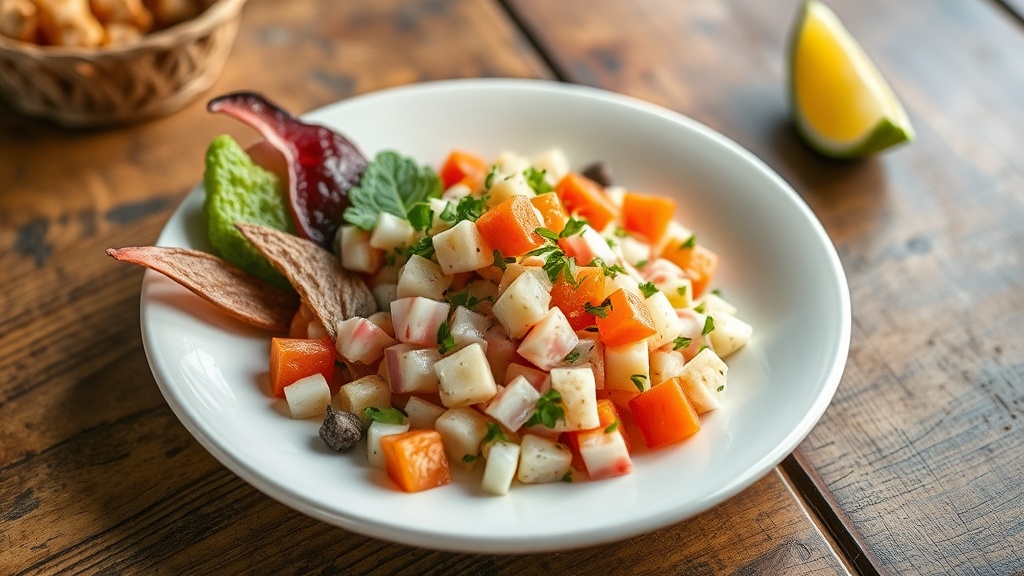
Pronounced ko-KON-da. Raw fish — usually walu or mahi-mahi — cured in lime juice and then dressed in coconut cream with chilli, onion and tomato, served in a coconut shell. The national dish and the best thing on most menus.
Lovo
The earth oven: meat, fish, taro and cassava wrapped in banana leaf and buried over hot stones for three hours. Sunday food and celebration food, and the reason to accept any invitation you get.
Root crops
Dalo (taro), cassava, yam and breadfruit are the staple, not rice. Boiled or roasted, they are heavy, filling and everywhere.
Rourou and lolo
Taro leaves stewed soft in coconut cream — the everyday vegetable dish and very good. Lolo, coconut cream, goes into almost everything.
The Indian side
Roti parcels, goat and fish curries, dhal, and vegetable dishes with a Fijian accent — more coconut, more cassava. Cheap, excellent, and best at the hole-in-the-wall places in Suva, Lautoka and Nadi town.
Fish and the reef
Excellent tuna, walu and mahi-mahi. Be aware that some reef fish carry ciguatera in some areas; stick to what restaurants serve rather than experimenting.
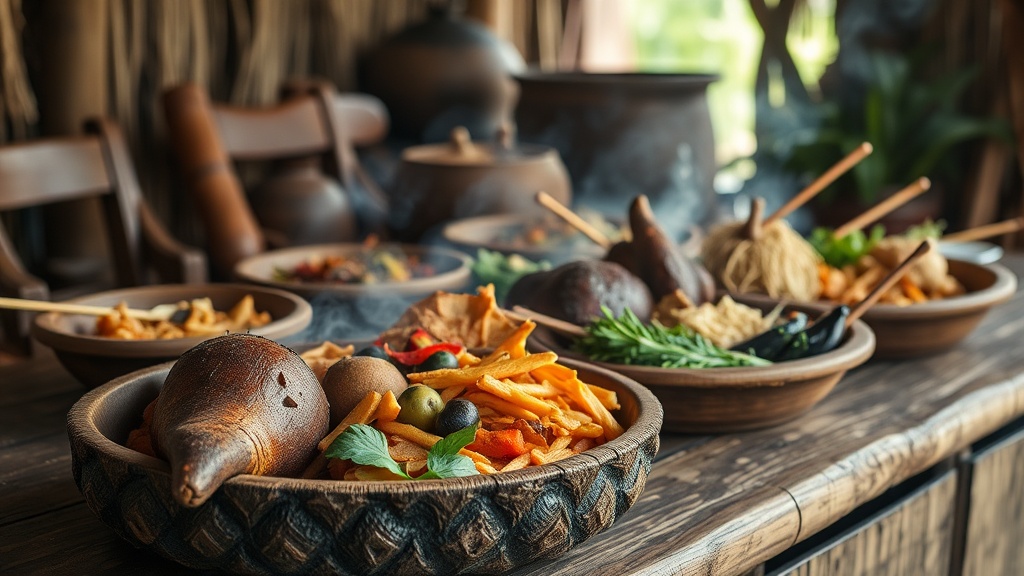
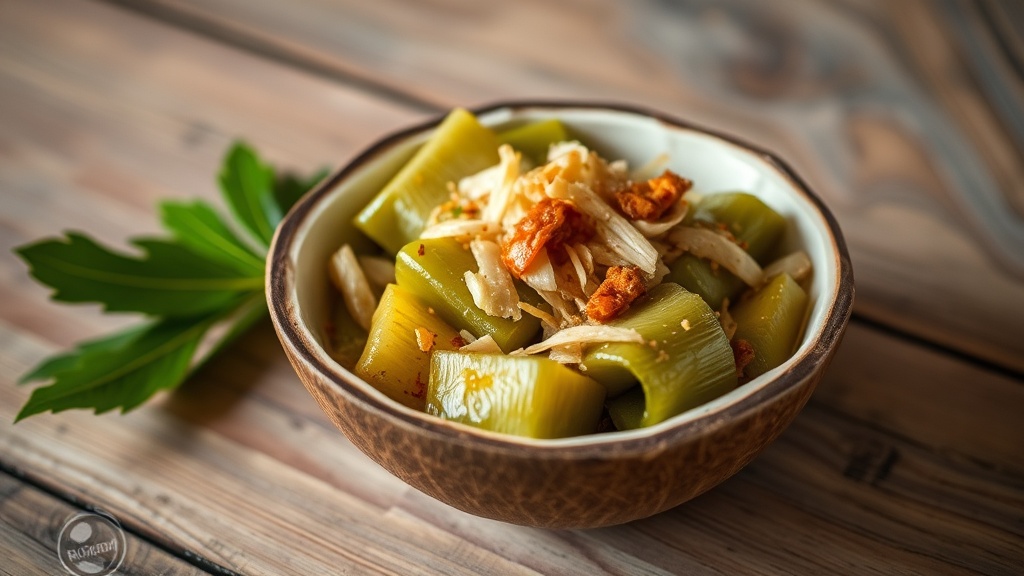
Kokoda
Fijian cured fish · serves 4 · 30 minutes plus curing
Ingredients: 500 g very fresh firm white fish (walu, mahi-mahi, snapper), skinned and diced 1.5 cm; juice of 6–8 limes; 400 ml thick coconut cream; 2 tomatoes, seeded and diced; 1 red onion, finely diced; 1 red chilli, finely chopped; 1 spring onion; salt; coriander.
Method: Cover the diced fish completely in lime juice, cover, and refrigerate 2–3 hours until it turns opaque all the way through. Drain thoroughly and discard the juice — this step matters or the dish is sour. Fold in the coconut cream, tomato, onion, chilli and spring onion, season, and chill another 30 minutes. Serve in coconut shells with coriander.
💡 Use fish you would eat raw, and drain it properly. The finished dish should be creamy and mild, not sharp — the lime does its work and then leaves.
Rourou
Taro leaves in coconut cream · serves 4 · 40 minutes
Ingredients: 500 g young taro leaves (spinach or chard at a pinch), thick stems removed; 400 ml coconut cream; 1 onion, sliced; 1 tomato, chopped; a thumb of ginger, grated; salt.
Method: Taro leaves must be cooked thoroughly — raw or undercooked they contain calcium oxalate crystals that burn the mouth. Simmer the leaves in water for 20 minutes, drain well and squeeze out. Soften the onion, add ginger and tomato, then the leaves and the coconut cream, and simmer gently 15 minutes until thick and dark. Season.
💡 Do not shortcut the first boil. Served alongside dalo and fish, this is the everyday Fijian plate.
Lovo-style baked fish in banana leaf
Home version of the earth oven · serves 4 · 1 hour
Ingredients: 1 whole fish about 1.5 kg, or 4 fillets; banana leaves (or foil and baking paper); 300 ml coconut cream; 2 limes; 1 onion, sliced; 2 tomatoes; a thumb of ginger; salt.
Method: Score the fish, rub with salt and lime, and stuff the cavity with onion, tomato and ginger. Soften the banana leaves over a flame until pliable, wrap the fish, pour in the coconut cream and tie the parcel. Bake at 180 °C for 40–45 minutes, or for the real thing bury it over hot stones and cover with earth for three hours.
💡 The banana leaf is not decoration — it steams the fish and gives it a green, faintly smoky note that foil cannot. Serve with dalo and rourou.
🍺 What Fijians Drink
Kava first, and then beer. Fiji has one large brewery, an internationally famous bottled water, and a rum industry that comes with the sugar.
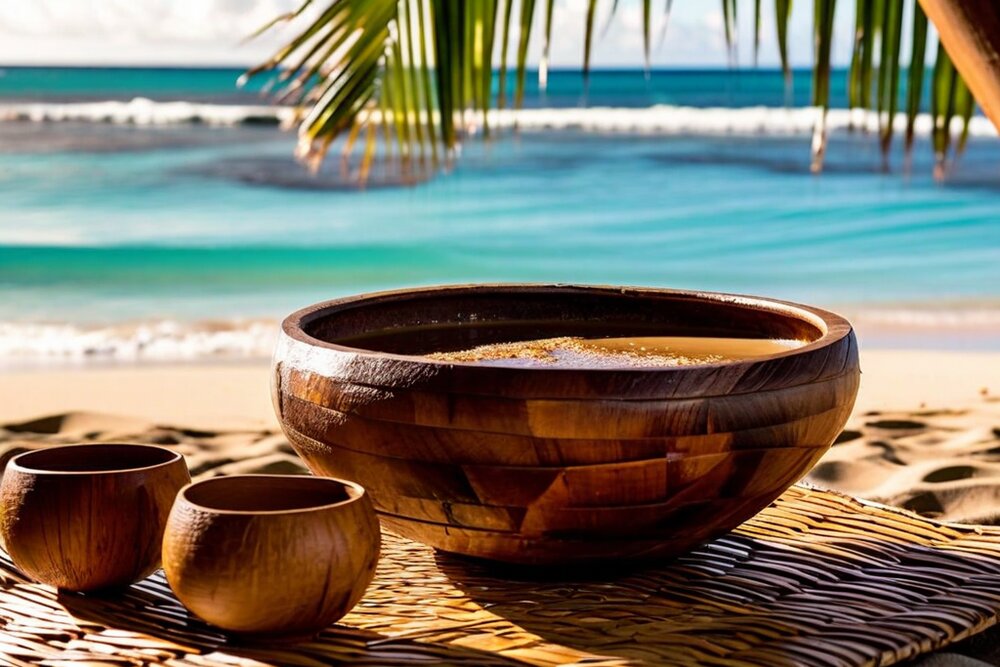
Kava
The real national drink, described in full above. It is drunk daily, socially and in enormous quantity, and it is not alcohol.
Fiji Bitter and Fiji Gold
The Paradise Beverages lagers, brewed in Suva and Lautoka. Fiji Bitter — "Vonu" — is the standard, and it is fine, cold and cheap.
Rum
Bounty and Ratu rums are distilled from local cane. Ratu's aged expressions are genuinely good and are the sensible thing to take home.
Fiji Water
Bottled from an artesian aquifer in the Yaqara valley on Viti Levu and exported worldwide as a luxury product — a fact that sits oddly beside the villages near the plant that have had water supply problems. Tap water in Suva and Nadi is treated and generally fine.
Where to drink
Resort bars, and the very different world of Suva's pubs and nightclubs. Traditional Fijian villages are often dry by chiefly decision — check before bringing alcohol anywhere near one.
Rules
Drinking age 18. Alcohol is not sold on Sundays in many places. Never bring alcohol into a village as a gift — bring kava.
🎉 Festivals
Fiji's calendar carries Christian, Hindu and Muslim holidays as public holidays, which is a fair summary of the country.
Diwali · October or November
A national public holiday, celebrated by Indo-Fijians with lights, sweets and fireworks, and joined by everyone. Nadi and Suva are worth being in for it.
Fiji Day · 10 October
Independence Day, marking both the 1874 cession and the 1970 independence. Parades, meke and a great deal of national feeling.
Hibiscus Festival · August
A week-long carnival in Suva — floats, pageants, food stalls and music. The biggest secular event in the country.
Bula Festival · July
Nadi's version, smaller and rowdier, timed for the dry season.
Eid and Holi
Eid al-Fitr is a public holiday; Holi is celebrated in Indo-Fijian communities with colour and, in the sugar districts, with genuine enthusiasm.
Firewalking season
Beqa firewalking is performed year-round at resorts; the South Indian Hindu firewalking festivals around Suva run in the middle of the year and are a serious religious event rather than a show.
🏭 Sugar, Tourism & Water
Fiji's economy rests on three things, and one of them has been dying for thirty years. It is also the most developed of the Pacific island states and the region's transport, education and diplomatic hub, which matters more than its size suggests.
Tourism
Now the largest earner by a distance — around a third of GDP directly and indirectly, and something like 900,000 visitors in a good year, most of them Australian and New Zealander. Covid closed the border for two years and the recovery has been strong.
Sugar
The industry the country was built around, and in long decline: EU preferential prices ended, land leases expired, mills aged, and output has fallen by more than half since the 1990s. It still employs a large share of rural Indo-Fijians and its decline is a social problem as much as an economic one.
Water and fish
Fiji Water is a substantial export and so is tuna, canned and fresh. Kava has become a real export crop too, mostly to the Pacific diaspora and increasingly to Europe and the US.
Remittances
Fijians abroad — rugby players, nurses, soldiers in the British Army and Gulf security work — send home a large and growing share of national income. Fiji is one of the world's larger per-head suppliers of soldiers and peacekeepers.
Climate change
The existential issue. Fiji has already relocated villages inland from eroding coasts and has been vocal internationally — a Fijian prime minister presided over COP23. Coral bleaching and cyclone intensity are not abstract here.
What a visitor can do
Stay in village-owned and locally run places rather than only at chain resorts, buy from markets, pay the village fees without haggling, and use reef-safe sunscreen. The Yasawa lodges in particular are often owned by the villages whose land they sit on.
🌦️ Climate & Cyclones
Tropical and warm year-round — 22–31 °C with little seasonal variation in temperature — but with a real wet season and a real cyclone risk that should shape when you go.
Dry season · May–October
The season: less rain, lower humidity, best visibility for diving, and outside the cyclone window. Also the busiest and most expensive, particularly July and August.
Wet season · November–April
Hot, humid, with heavy afternoon downpours and the cyclone risk. Prices drop substantially and the islands are green. Diving visibility is lower but the water is warmest.
Cyclones
The official season is 1 November to 30 April. Fiji is hit regularly; Cyclone Winston in February 2016 was a Category 5 and the strongest storm ever recorded in the southern hemisphere, killing 44 people and destroying tens of thousands of homes.
What that means for you
Do not travel in the wet season without insurance that covers cyclone disruption. Resorts have procedures and Fiji handles storms competently, but flights and boats stop for days.
Wet side and dry side
Nadi and the west get about 1,800 mm a year; Suva gets over 3,000 mm. If you want sun, stay west. If you do not mind rain, the east is greener and cheaper.
What to pack
Light clothing, a rain layer, reef shoes, strong reef-safe sunscreen, insect repellent, and something modest that covers shoulders and knees for villages. A sulu can be bought in any market for a few dollars.
✈️ Getting There
Nadi International (NAN) is the Pacific's main hub outside Auckland, and Fiji Airways is a genuinely good airline. Getting to Fiji from Australasia or North America is easy; from Europe it is a long way whichever direction you go.
Fiji Airways
Flies to Sydney, Melbourne, Brisbane, Auckland, Los Angeles, San Francisco, Vancouver, Hong Kong, Singapore, Tokyo and Seoul, plus most of the Pacific islands. Its Pacific network is the reason Nadi is the region's hub.
From Australasia
Three to four hours from Auckland, four from Sydney or Brisbane. Qantas, Air New Zealand, Jetstar and Virgin all compete and fares are frequently very cheap.
From North America
Around eleven hours from Los Angeles, and Fiji is a common stopover on the way to Australia or New Zealand.
From Asia
Via Hong Kong, Singapore, Seoul or Tokyo — the shortest route from Europe in practice.
Domestic
Fiji Link and Northern Air fly to Taveuni, Savusavu, Labasa, Kadavu, Rotuma and the Lau group in small turboprops. Baggage limits are tight — often 15 kg — so check before packing dive gear.
Boats
The Yasawa Flyer to the western islands, and Goundar and Patterson ferries between the main islands. Cheap, slow, and how most Fijians travel.
🇨🇿 From the Czech Republic
Fiji is about as far from Prague as it is possible to get — roughly 16,000 km and 28 to 36 hours of travel with two stops. There is no short version, and the time difference is 10 or 11 hours ahead of Czech time, which means genuine jet lag in both directions.
Via Asia
Usually the best: Prague to Dubai, Doha, Singapore, Hong Kong or Seoul, then Fiji Airways to Nadi. Singapore, Hong Kong and Seoul all have direct Fiji Airways services and are the shortest total routings.
Via Australasia
Prague to Sydney, Brisbane or Auckland via a Gulf or Asian hub, then a short hop to Nadi. Longer but often cheaper, and it lets you build in a stopover that is worth having.
Via Los Angeles
The other direction round: Prague to LA, then Fiji Airways. Roughly the same total time and worth checking on price.
Cost
Expect 35,000–60,000 Kč return depending on season and routing. Book several months ahead; this is not a fare that drops at the last minute.
Visa
Czech citizens do not need a visa. A visitor permit of up to four months is granted on arrival, subject to a passport valid six months beyond your stay, an onward or return ticket and proof of accommodation and funds.
Czech consular cover
There is no Czech embassy in Fiji. The accrediting mission is the Czech Embassy in Canberra, Australia. Register with DROZD before you go — at this distance, and in cyclone season, it genuinely matters.
🧭 Practical Fiji
One of the easier tropical destinations: English everywhere, decent infrastructure on the main islands, and a tourism industry that has been doing this for fifty years. The friction is in the small islands, where power, water and connectivity are all limited.
Money
The Fiji dollar (FJD), roughly 10 Kč. ATMs in Nadi, Suva, Lautoka and the larger towns; cards accepted at resorts and in cities. Carry cash for the islands — many Yasawa lodges take cards but plenty of village stalls, boats and bus fares do not.
Getting around Viti Levu
Buses are cheap, frequent, open-sided and excellent. Shared vans run the same routes faster. Taxis are metered in towns and negotiated outside them — agree the fare first. Car hire is straightforward; driving is on the left.
Connectivity
Vodafone and Digicel sell tourist SIMs at Nadi airport with generous data at low prices — buy one on arrival. Coverage is good on the main islands and patchy to absent in the Yasawas and the outer groups.
Electricity
240 V, Australian-style three-pin flat plugs. A European adapter is essential. Island resorts often run generators with power off overnight.
Water and health
Tap water is treated and generally safe in Nadi, Suva and the resorts; use bottled or filtered on the small islands. Dengue and occasionally Zika are present — repellent matters more than anything else. There is no malaria.
Health care
Hospitals in Suva, Lautoka and Nadi are adequate for routine problems; serious cases are evacuated to Australia or New Zealand. Insurance with evacuation cover is essential — and check it covers diving if you plan to, since standard policies often exclude it.
💰 Costs
One of Fiji's real strengths: it works at almost any budget. A backpacker can do the Yasawas on FJ$100 a day; a couple can spend FJ$3,000 a night on a private island. Both are the same country and the water is the same colour.
Accommodation — budget
Yasawa dorm bed FJ$50–90 (500–900 Kč) usually including three meals, which is the standard island arrangement. Nadi guesthouses FJ$60–120.
Accommodation — mid and top
Mid-range island bure FJ$250–500 a night; Coral Coast resorts similar. Top-end private islands and Likuliku run FJ$1,500–4,000 and up.
Food
A curry or fish-and-chips lunch in town FJ$8–15. Restaurant main FJ$25–50. Resort dinner FJ$60–120. On the small islands you eat the meal plan and there is no alternative, which is why it is bundled.
Transport
Yasawa Flyer Bula Pass roughly FJ$500–700 for 7–12 days including transfers. Local bus fares a few dollars. Domestic flight to Taveuni FJ$250–400 each way. Car hire FJ$80–150 a day.
Diving
Two-tank dive FJ$250–350; the Beqa shark dive around FJ$400. Open Water certification FJ$1,000–1,400. Good value against Caribbean or Red Sea prices for this quality.
Realistic budget
Backpacking FJ$120–180 a day (1,200–1,800 Kč) all in. Comfortable mid-range FJ$350–600. Add flights, which from Prague are the dominant cost of the whole trip.
🛡️ Safety
Fiji is a safe country for visitors, with the caveats you would expect of anywhere with real poverty and a big tourism sector. The genuine hazards are the sea, the sun and the weather rather than people.
Crime
Petty theft and opportunistic burglary, mostly in Suva and Nadi and mostly at night. Violent crime against tourists is uncommon. Do not walk alone at night in Suva, use taxis, and do not leave valuables on a beach.
Water
Rip currents, reef cuts and boat accidents are the real risks. Reef shoes prevent most injuries; coral cuts infect fast in the tropics and should be cleaned properly and immediately.
Diving safety
There is a recompression chamber in Suva, but currents at Rainbow Reef and the passages are strong and some operators will take you regardless of experience. Be honest about your level and dive within it.
Cyclones
November to April. Fiji manages them competently, resorts have shelters and procedures, and the warnings are good. Follow instructions without argument and expect several days of disruption to boats and flights.
Sun and dehydration
You are at 17° South. The UV is severe, cloud cover does not help, and reef-safe sunscreen is both better for the coral and increasingly required by resorts.
Emergency
911. Police are approachable and used to tourists. Report anything to your resort or lodge first — they will handle it far faster than you can.
🏨 Where to Stay
Denarau
The gated resort peninsula near Nadi: Sheraton, Westin, Hilton, Radisson, a golf course and a marina. Convenient, comfortable and entirely sealed off from the country.
The Coral Coast
Between Sigatoka and Pacific Harbour: mid-range and family resorts with reef in front, more Fijian in feel than Denarau and better value.
Mamanuca resorts
Day-trip distance from Denarau, running from party-island backpacker places to Likuliku's overwater bures. Good for short trips and families.
Yasawa lodges
The best value and the best experience: village-owned and family-run lodges with dorms and bures, full board included, and no wifi. Barefoot Manta, Coralview, Octopus, Blue Lagoon, Nabua and many more.
Taveuni and Savusavu
Dive-focused lodges and small resorts — Paradise Taveuni, Garden Island, Jean-Michel Cousteau near Savusavu. Where the serious divers go.
Homestays and village stays
Arranged through community tourism programmes on Viti Levu, Kadavu and the Yasawas. Basic, cheap, and the closest a visitor gets to the actual country. Bring kava.
🗺️ Suggested Itineraries
Five days
One night Nadi or Denarau, then three nights in the Mamanucas or lower Yasawas. Enough for a stopover on the way to or from Australasia, and the most common way Fiji is visited.
Ten days
Nadi, then a week on the Yasawa Flyer hopping three or four islands up the chain, then back. The classic Fiji trip and the one to do if you only do one.
Two weeks
Add Taveuni — the waterfalls, the coastal walk and Rainbow Reef — or Kadavu for the Great Astrolabe. Fly, do not ferry, unless you have time to spare.
For divers
Skip the Mamanucas. Split between Taveuni or Savusavu for Rainbow Reef and Namena, and Pacific Harbour for the Beqa shark dive. Ten days minimum.
For culture
Suva for two days, a Coral Coast base, a highland village trip to Navala with sevusevu, and Levuka on Ovalau — the old colonial capital and Fiji's only UNESCO World Heritage site.
With children
The Coral Coast or a Mamanuca family resort. Short boat transfers, shallow lagoons, kids' clubs, and Fijians who are genuinely and unusually good with children.
🏛️ Levuka & the Old Capital
On the island of Ovalau, a two-hour ferry and bus from Viti Levu, sits Fiji's only UNESCO World Heritage site — and almost nobody goes. Levuka was the capital until 1877 and is the best-preserved Pacific colonial port town anywhere.
What it is
A single street of nineteenth-century timber shopfronts and warehouses between a green ridge and the sea, listed by UNESCO in 2013 as an outstanding example of a late colonial Pacific port settlement — one built by Pacific islanders and Europeans together rather than imposed.
The cession
Fiji was ceded to Britain here in 1874, on the site now marked in Nasova just outside town. The stones where the deed was signed are still there and largely unvisited.
Why the capital moved
Levuka is hemmed in by a steep ridge with nowhere to expand, so the government moved to Suva in 1877 — which is precisely why Levuka survived unaltered.
The tuna cannery
The town's economy today, and the smell is part of the experience. Levuka is a working place rather than a preserved one, which is much of its appeal.
Getting there
Bus and ferry from Natovi on Viti Levu, or a short flight to Bureta. Allow two nights; there is a good guesthouse or two and no resort.
Worth it?
If you want a beach, no. If you want to understand how Fiji became Fiji, this is the one place where you can walk through it.
🤯 Fascinating Facts
Two Olympic golds from two tournaments
Fiji won rugby sevens gold at Rio 2016 — its first Olympic medal of any kind — and again at Tokyo 2020, from a population of 930,000.
A seven-dollar note
To commemorate the 2016 gold, Fiji issued a legal-tender seven-dollar banknote. It is the only seven-denomination note in the world.
Where the day begins
The 180th meridian crosses Taveuni, and Fiji sits just west of the date line — among the first inhabited places on Earth to enter each new day.
87% of the land cannot be sold
iTaukei communal land is inalienable. It can be leased but never bought, which is the single most important legal fact about the country.
The Cannibal Isles
Ritual cannibalism was real and well documented. The missionary Thomas Baker was killed and eaten in 1867; his boot is in the Fiji Museum and the village formally apologised in 2003.
The girmitiyas
Around 60,000 indentured labourers were brought from India between 1879 and 1916. Their descendants are now about 37% of the population and a defining part of the country.
Soft coral capital
Fiji's currents feed soft coral growth of a density and colour found in very few places, which is why divers cross the planet for the Somosomo Strait.
Cyclone Winston
February 2016, Category 5, and the strongest tropical cyclone ever recorded in the southern hemisphere. It made landfall on Fiji.
A coup leader elected
Sitiveni Rabuka led the 1987 coups and became prime minister by democratic vote in 2022. The peaceful transfer of power that followed was, after four coups, the more remarkable fact.
👤 Notable Fijians
Ratu Seru Cakobau (c. 1815–1883)
The chief who converted to Christianity in 1854, styled himself king of Fiji, and ceded the islands to Britain in 1874 — the pivotal figure of the nineteenth century.
Ratu Sir Kamisese Mara (1920–2004)
The founding prime minister, in office from independence in 1970 to 1992, and later president. The dominant political figure of independent Fiji.
Mahendra Chaudhry (b. 1942)
The first Indo-Fijian prime minister, elected in 1999 and held hostage in parliament for 56 days during the 2000 coup.
Sitiveni Rabuka (b. 1948)
Led the 1987 coups, served as elected prime minister in the 1990s, and returned as prime minister after the 2022 election — an unusual second act by any standard.
Frank Bainimarama (b. 1954)
Military commander who took power in 2006 and governed for sixteen years, imposing the 2013 constitution that ended communal voting.
Vijay Singh (b. 1963)
Indo-Fijian golfer, three-time major champion and former world number one — the most internationally successful Fijian sportsperson.
Waisale Serevi (b. 1968)
Widely regarded as the greatest sevens player who ever lived, and the reason a generation of Fijians play the way they do.
Josefa Nakauvadra Rokocoko and Semi Radradra
Two of many Fijian-born players who became stars abroad — Rokocoko for the All Blacks, Radradra in league and union across three countries.
Epeli Hau'ofa (1939–2009)
Writer and anthropologist based at the University of the South Pacific in Suva, whose essay Our Sea of Islands reframed the Pacific not as small scattered islands but as a single vast connected ocean world. The most influential Pacific thinker of his generation.
🧭 Visiting Responsibly
Fiji is a small country where tourism is a third of the economy and where most of the land under your feet belongs to a village. That combination makes a few things matter more than they would elsewhere.
Do the sevusevu
Never enter a village without it. It costs a FJ$20 bundle of kava and ten minutes and it is the difference between being a guest and being a nuisance.
Pay the fees
Villages charge for access to waterfalls, caves and beaches on their land. The amounts are small and the money goes to the community. Do not haggle over them.
Stay village-owned
Many Yasawa and Kadavu lodges are owned by the villages whose land they occupy, and the revenue is the community's main income. Choosing one over a chain resort is the most useful thing you can do.
Reef care
No touching, no standing on coral, no shells, no reef-damaging sunscreen. Fiji has had serious bleaching events and the reefs are what the whole tourism economy rests on.
Dress and Sunday
Shoulders and knees covered away from the beach, and take Sunday seriously in villages. These are cheap courtesies with a big effect on how you are received.
The shark dive question
Beqa's fed shark dive is spectacular and there is a real argument about whether feeding alters shark behaviour. The operators fund reef protection and a marine reserve; the criticism is not baseless either. Decide deliberately rather than by default.
✍️ Author's Note
Fiji is the easiest tropical country I know to have a good time in and one of the easiest to visit without seeing at all. You can land in Nadi, transfer to Denarau, spend a week behind a gate, and go home having met nobody. Thousands of people do exactly that every week, and I understand why — the beaches are lovely and the effort is zero.
But the country is somewhere else. It is in a Yasawa lodge where the generator goes off at ten and the family who own the land eat with you. It is in the Suva market on a Saturday with an aisle of kava and an aisle of chillies fifty metres apart. It is on a mat at midnight, six bowls in, being asked genuinely difficult questions about your country by people who have thought harder about theirs than you have about yours.
Two pieces of advice. Do the Yasawa Flyer rather than a resort transfer — hop three islands, take the cheap places, and let it be slow. And go to Suva for two days even though nobody will tell you to. It rains, it is not pretty, and it is where Fiji actually is.
And drink the kava. It tastes like muddy water and it numbs your mouth and the first bowl is unpleasant. It is also the door into every conversation worth having in this country, and it costs twenty dollars and an evening. Clap once, drink it all, clap three times, and stay for the next one.
— Radim Kaufmann
Support This Project 🌍
This World Travel Factbook is a labor of love – free to use for all travelers. If you find it helpful, consider supporting its continued development.